The First Harvest in the Wilderness — History & Analysis
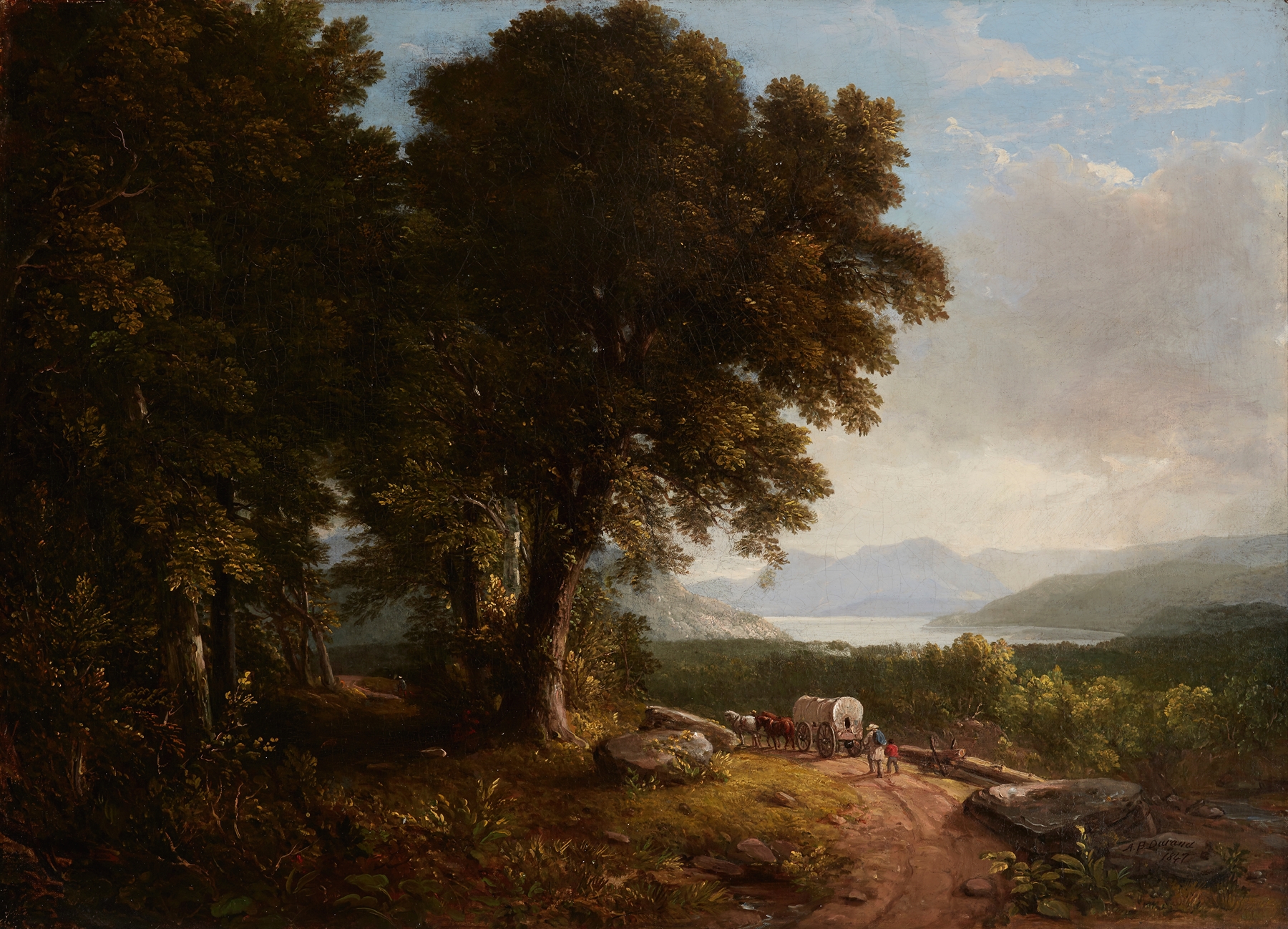
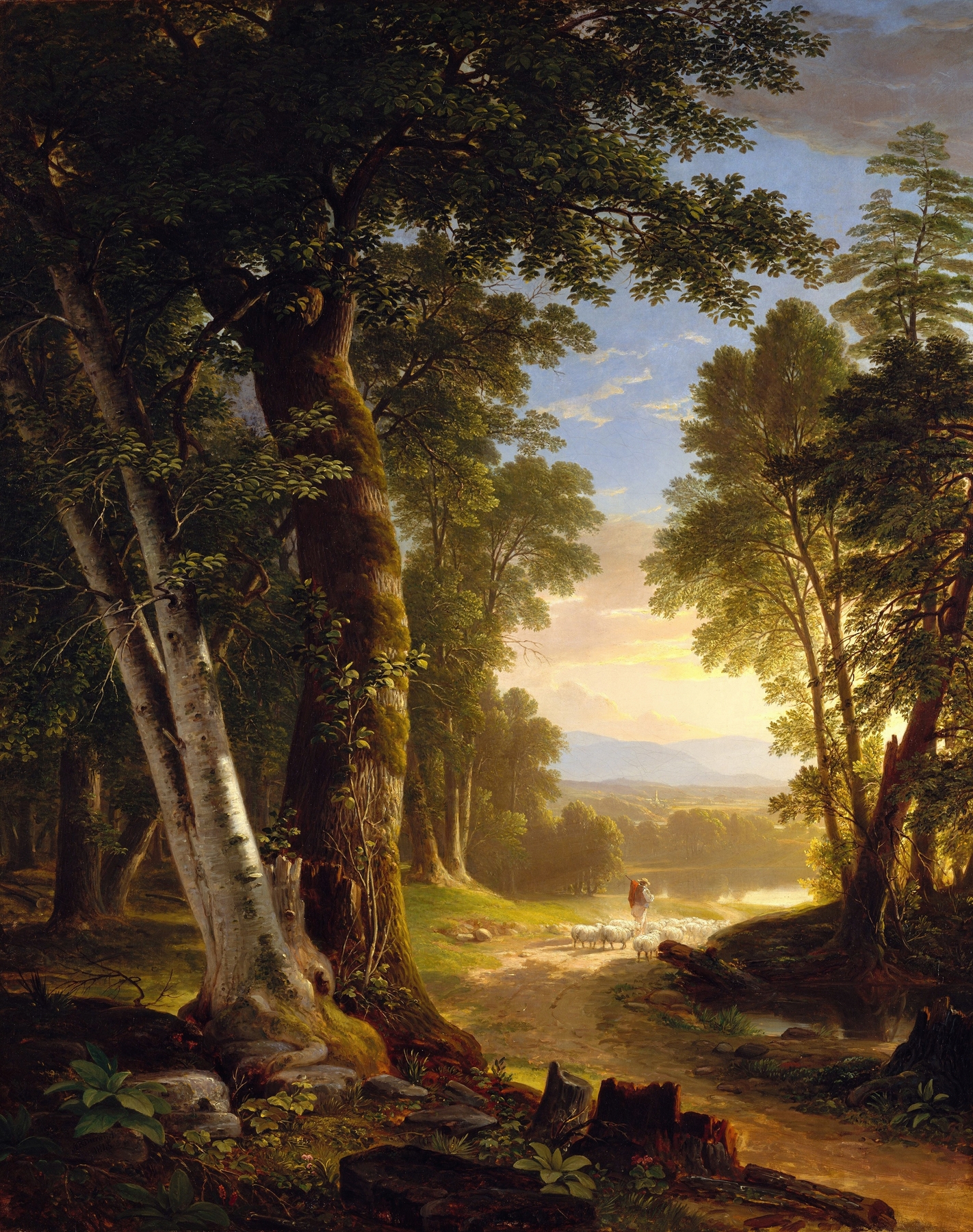
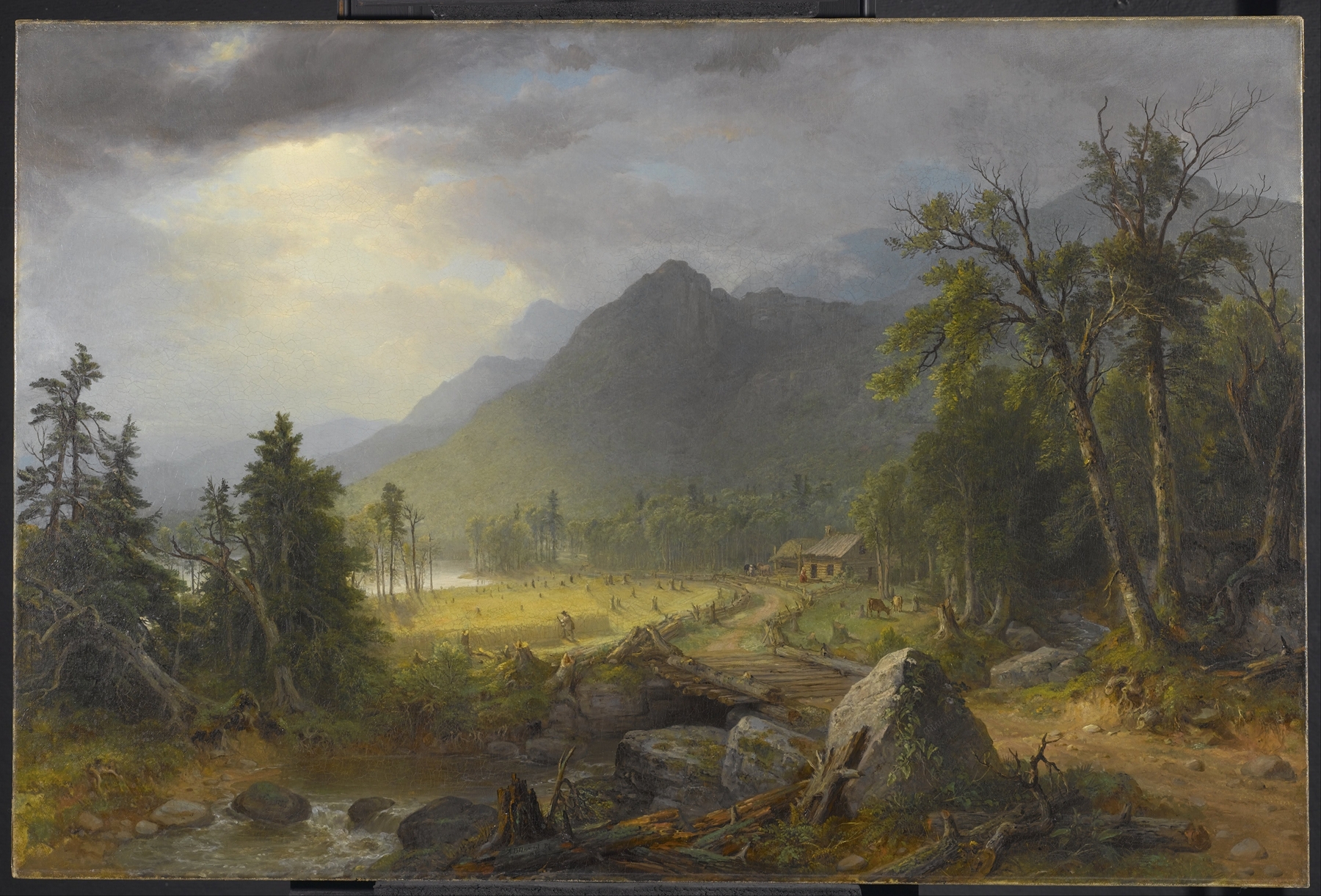
Who listens when art speaks of silence? In the stillness of The First Harvest in the Wilderness, a moment of rebirth unfolds—a testament to nature's resilience and humanity's deep connections to the earth. Look to the center of the canvas, where a group of settlers, clad in humble attire, gather their first bounty. Notice how the warm light filters through the trees, casting a golden hue upon the crops and illuminating the expressions of hope and determination on their faces.
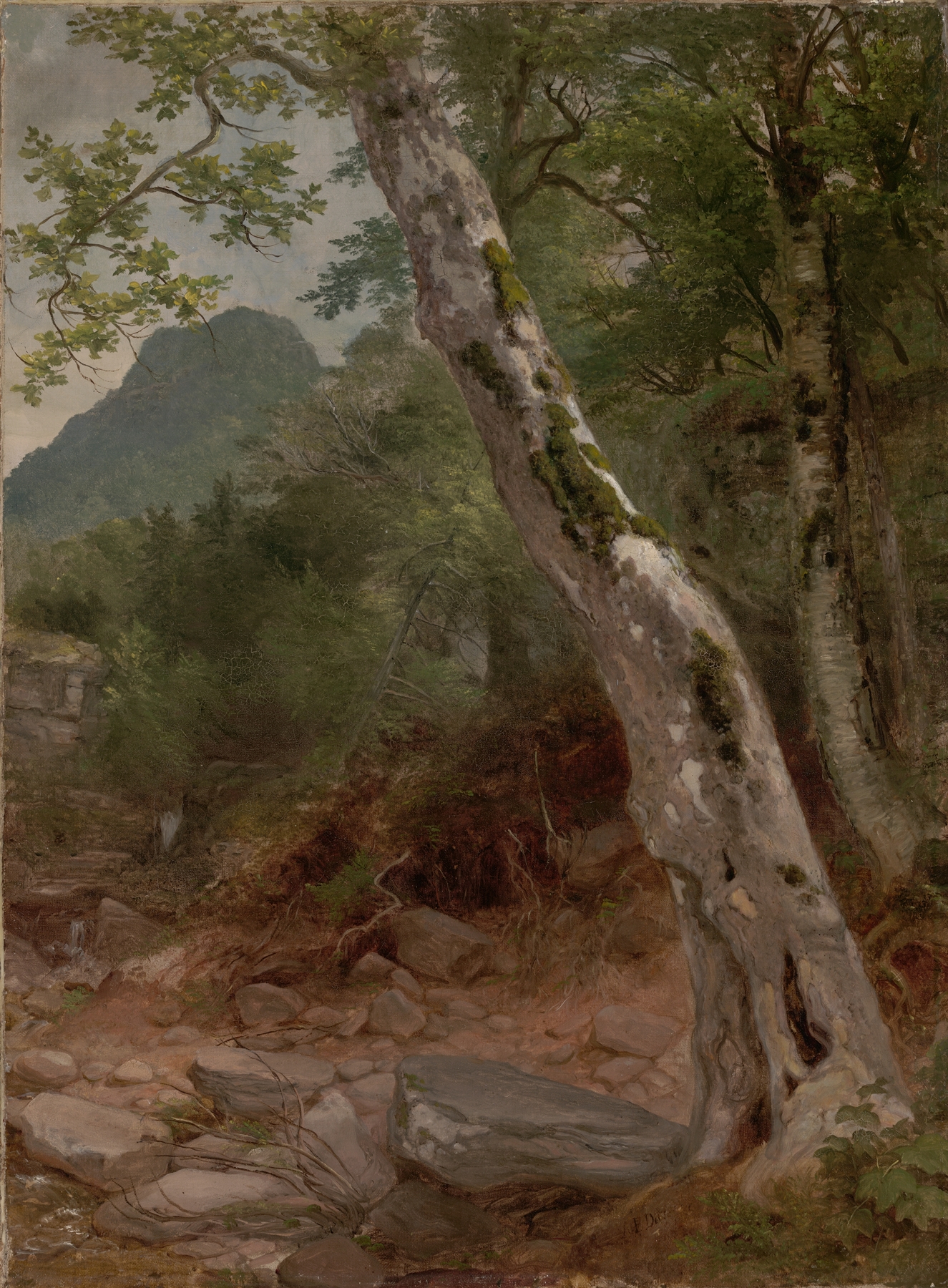
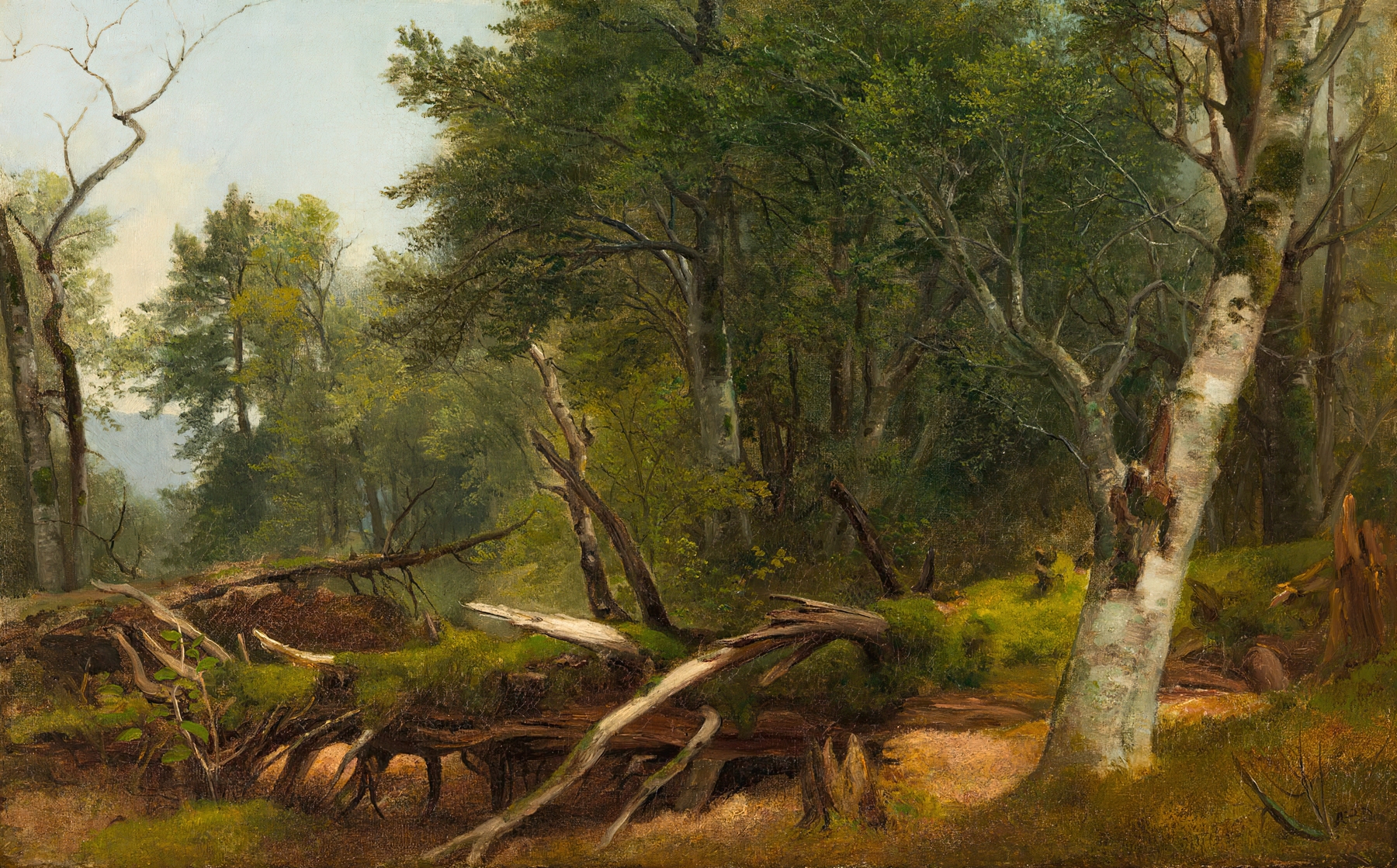
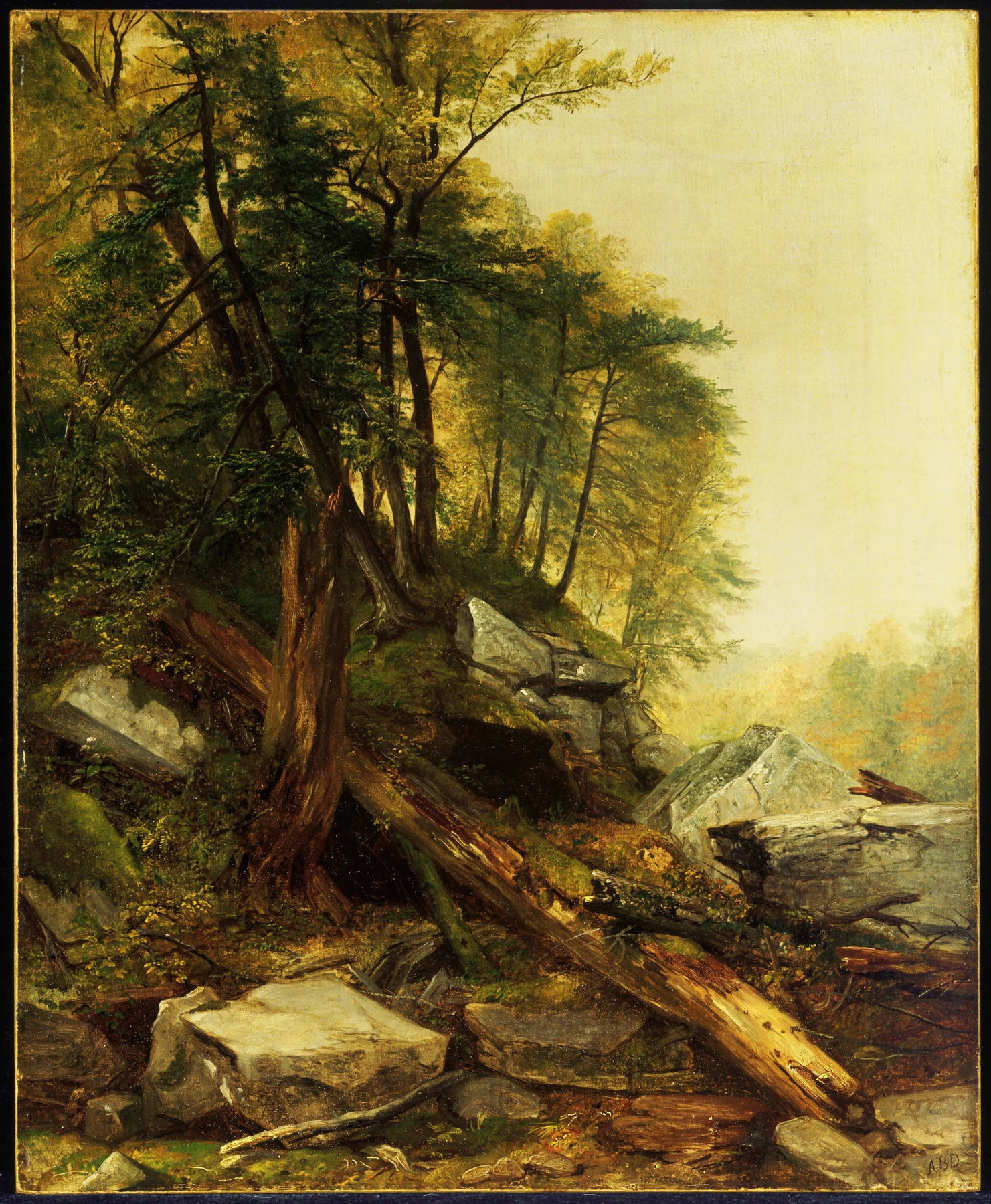
The use of rich greens and earthy browns creates a harmonious balance, inviting the viewer to feel the pulse of life emerging from the wilderness. Amidst the celebration, contrasts abound. The settlers' fragile joy stands in stark relief to the vast, untamed wilderness that surrounds them, a reminder of both vulnerability and strength. Small details, like the hazy horizon and the towering trees, echo the idea of challenges yet to come, suggesting that this moment of triumph is just the beginning of a larger narrative.
The harmony of nature is juxtaposed with the settlers' efforts; one cannot exist without the other, and therein lies the painting's profound message of interdependence. Asher Brown Durand created this work during the mid-19th century, a pivotal time for American landscape painting and the Hudson River School. Living in a period marked by exploration and westward expansion, he captured the nascent spirit of a nation striving to harmonize its ambitions with the beauty of the wilderness. His dedication to realism and his reverence for nature imbue this piece with both a personal and collective significance.