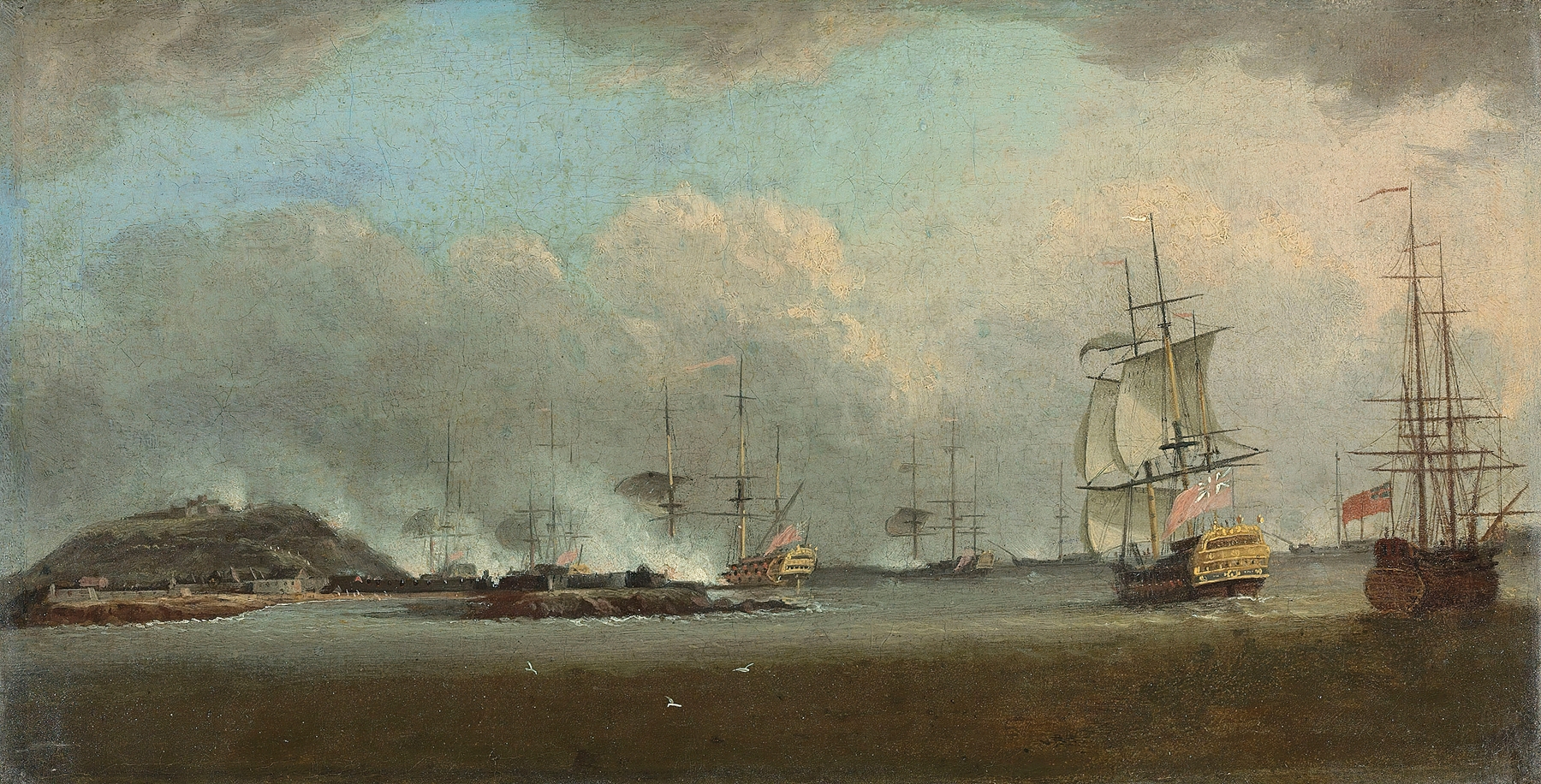
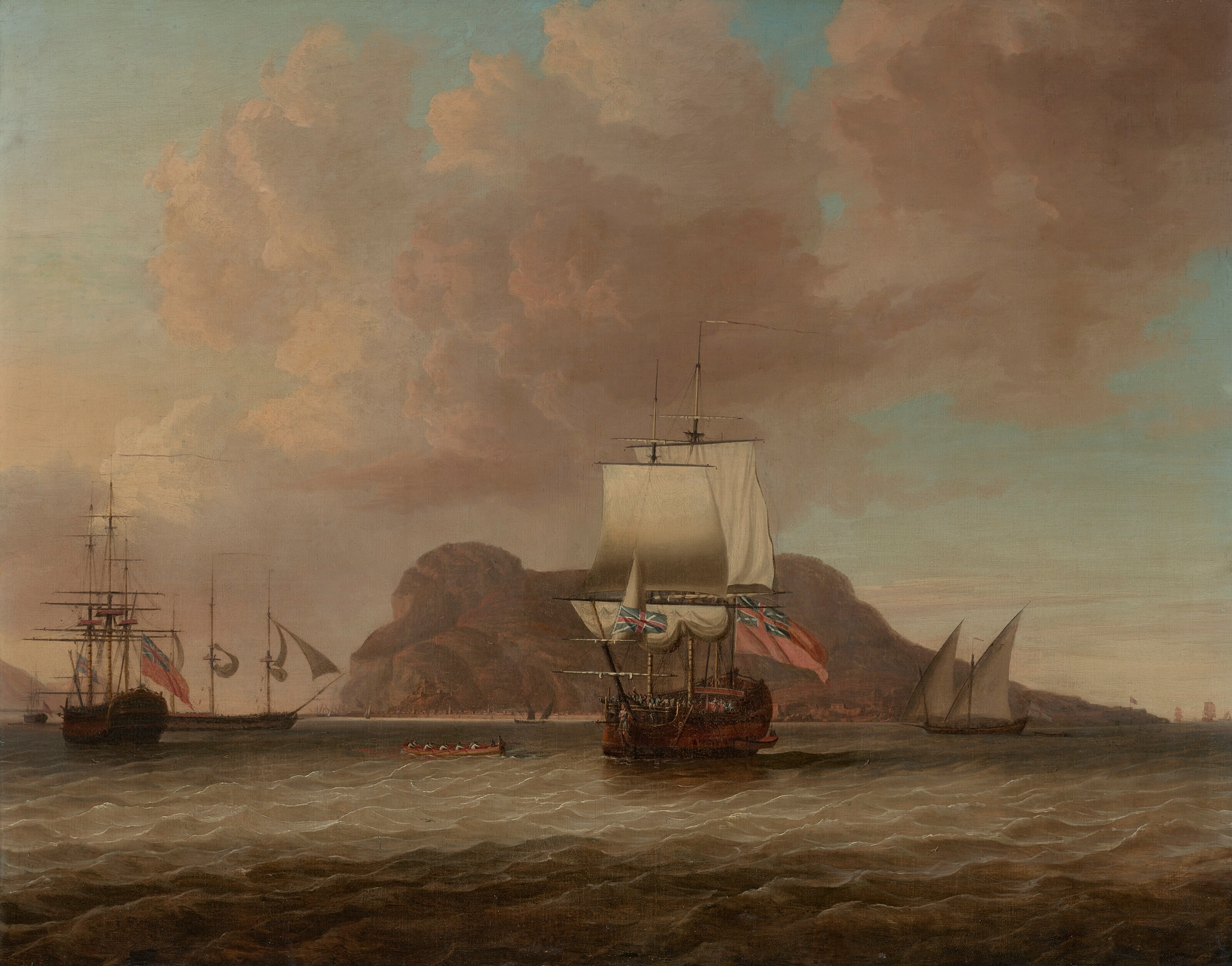
The fleet, under the command of Rear-Admiral Charles Watson and Commodore William James, approaching Geriah on 12 February 1756 for the final showdown with the pirate Tulagee Angria — History & Analysis
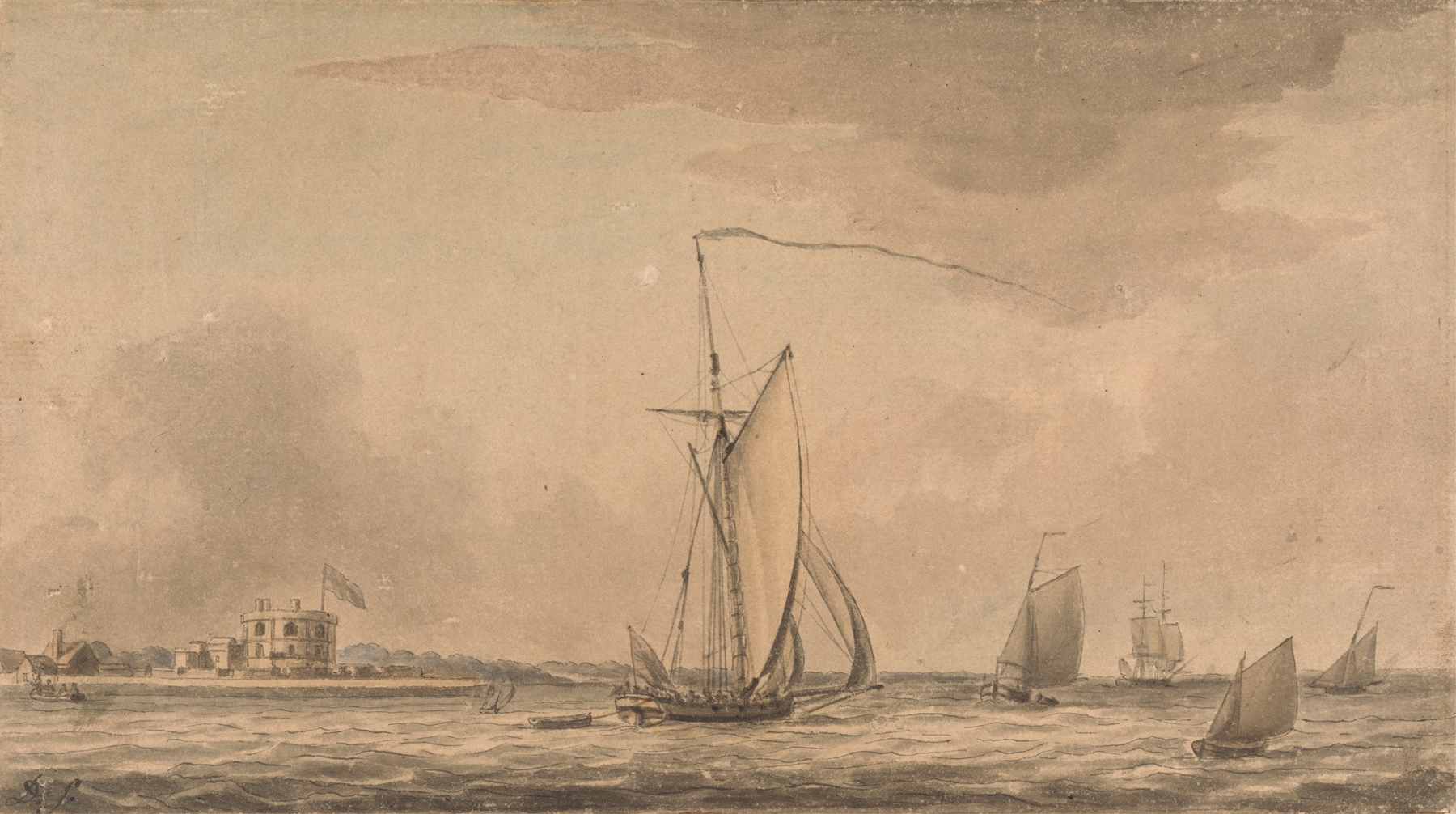
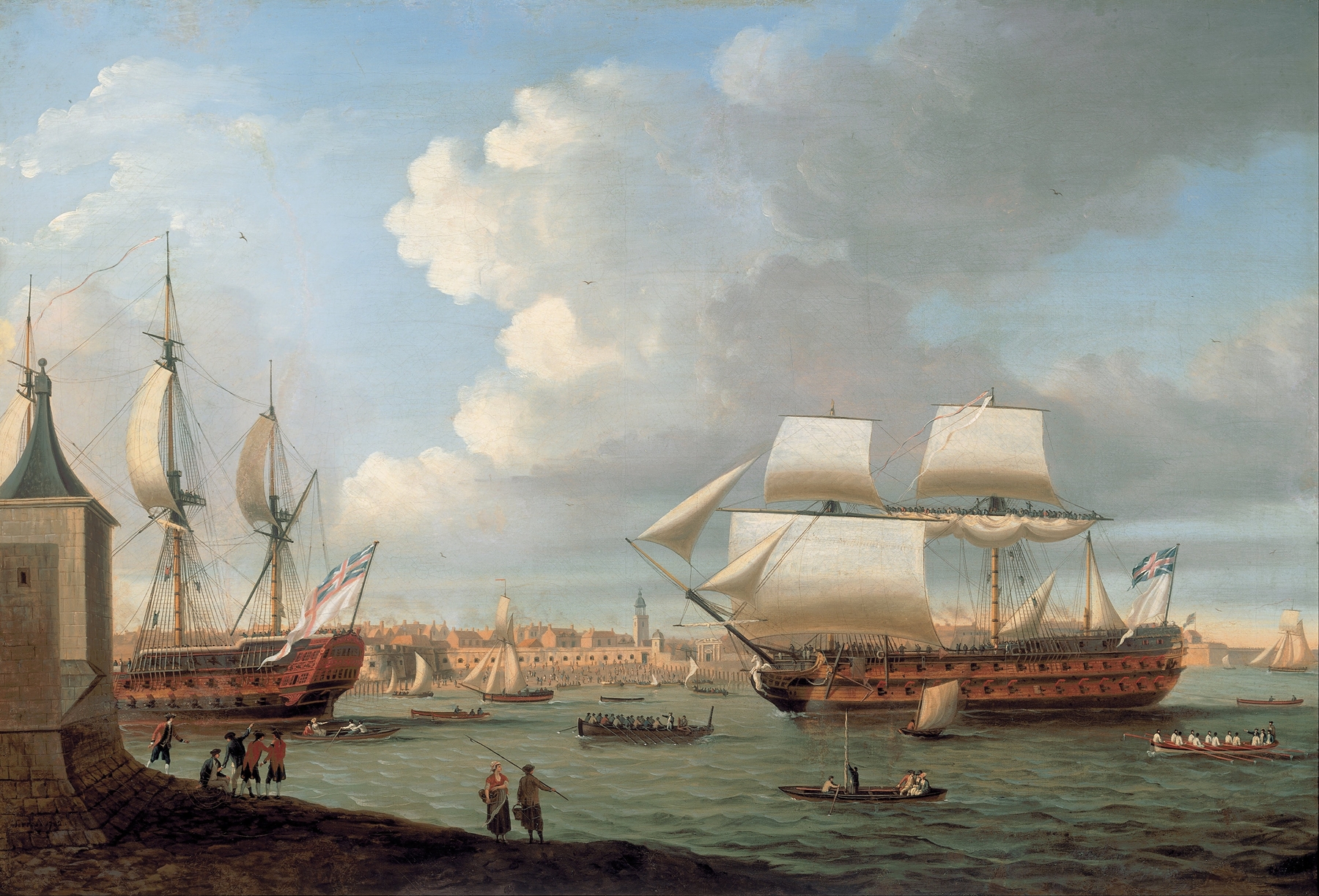
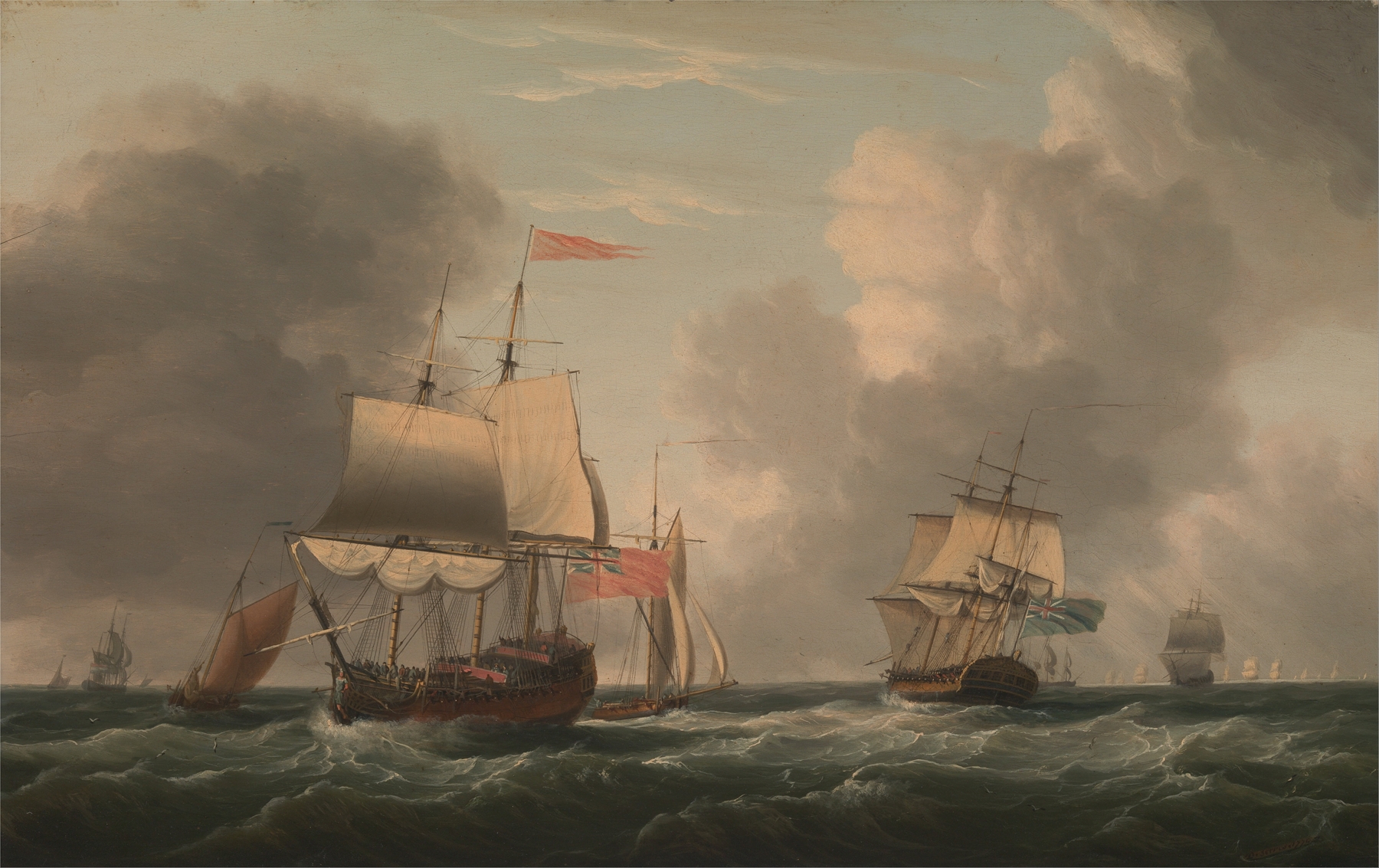
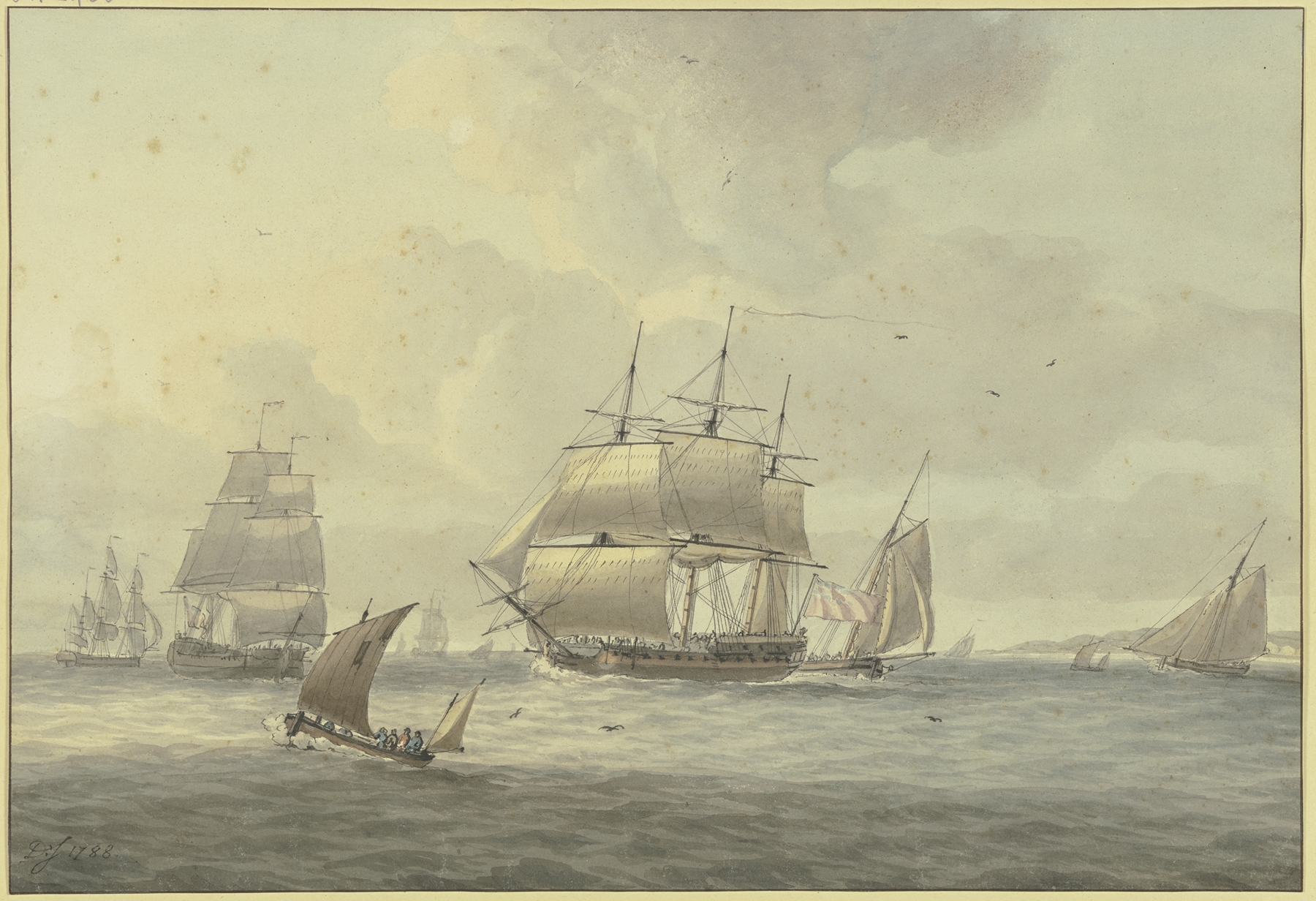
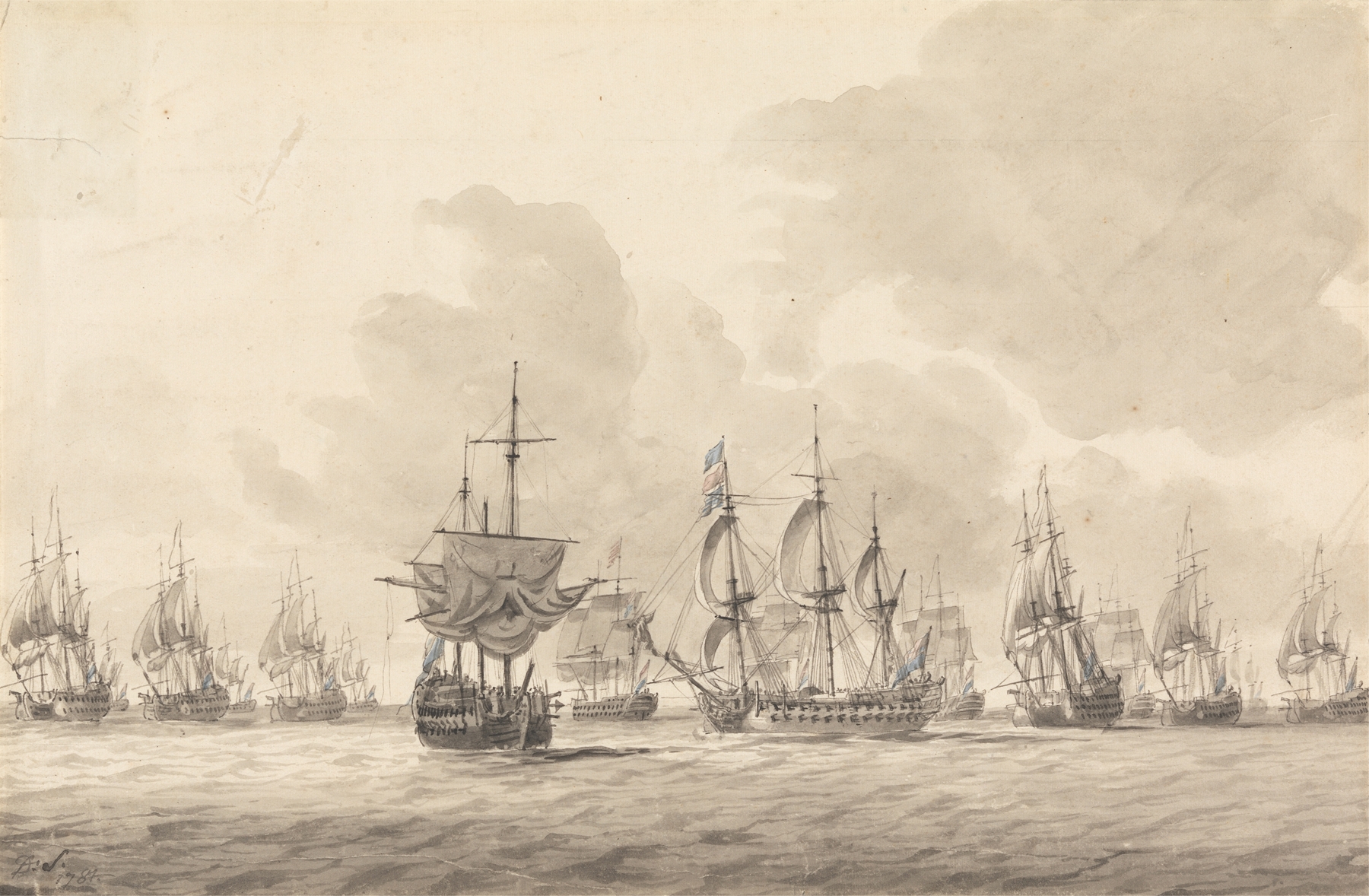
What if beauty was never meant to be finished? In the swirling chaos of life, there exists a dance of movement, capturing the essence of time itself. Look closely at the horizon, where the sea meets the sky; the tumultuous waves, painted with sweeping strokes, suggest a relentless pursuit of freedom and adventure. Notice how the brushwork captures the ships, their sails billowing as they cut through the water, each vessel teeming with purpose.
The colors are a blend of deep blues and grays, punctuated by the warm ochres of the setting sun, imbuing the scene with a sense of urgency and impending confrontation. As you examine the details, consider the tension between the stillness of the water and the fervor of the approaching fleet. The juxtaposition of the elegant ships against the violent sea hints at the struggle between order and chaos. The fierce determination of Rear-Admiral Watson and Commodore James is palpable, yet it is balanced by the elusive presence of the pirate Tulagee Angria, whose fate hangs in the balance, shrouded in mystery and danger.
Dominic Serres created this compelling maritime scene during a time when naval exploits and confrontations with piracy were at their peak, especially in the mid-18th century. Living in England, he was influenced by both the burgeoning Romantic movement and the ongoing wars that shaped the destiny of nations. This artwork not only reflects a historical moment but also embodies the universal themes of conflict and the beauty found within the tumult of human ambition.