The Garden of Laudaya — History & Analysis
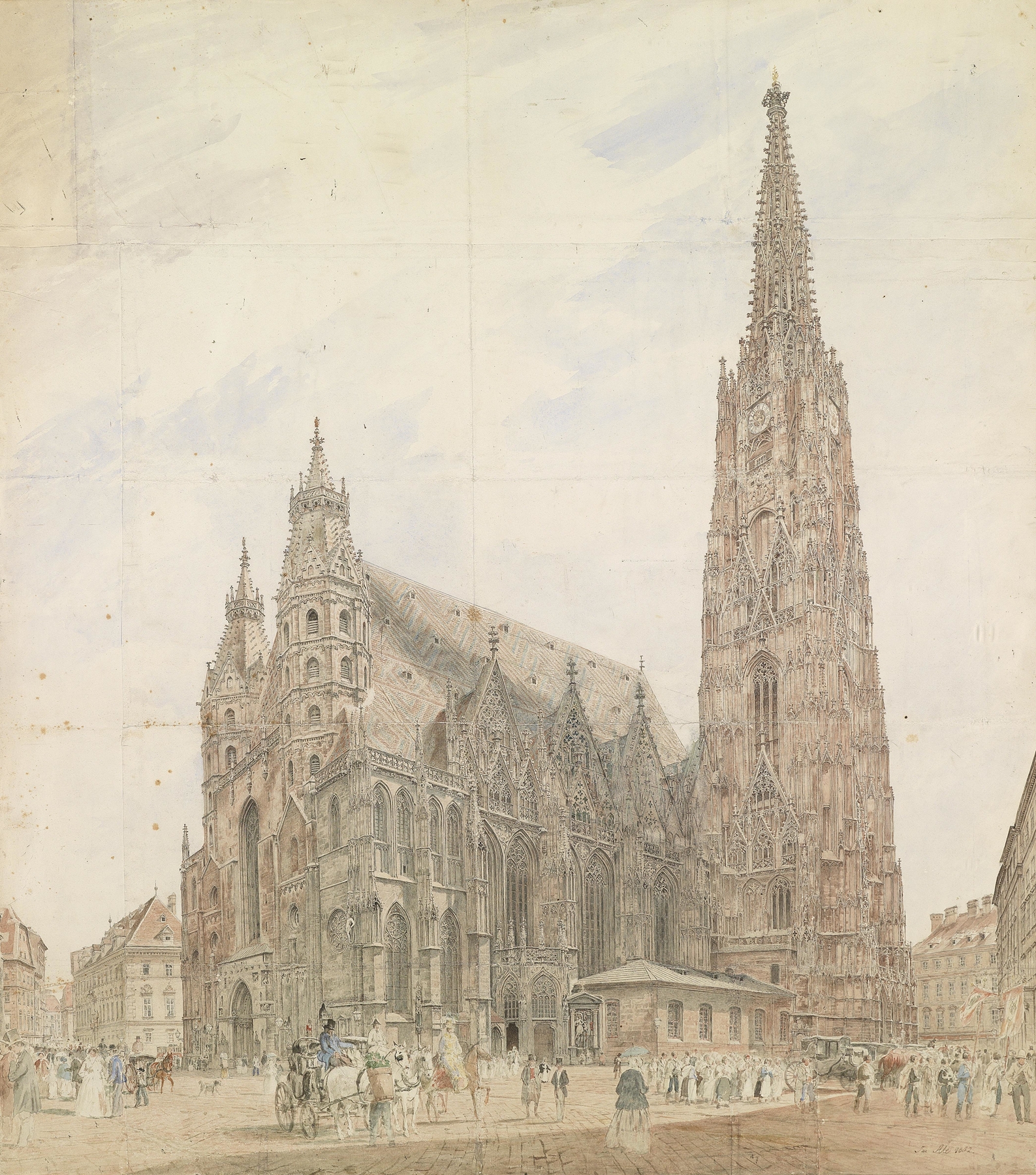
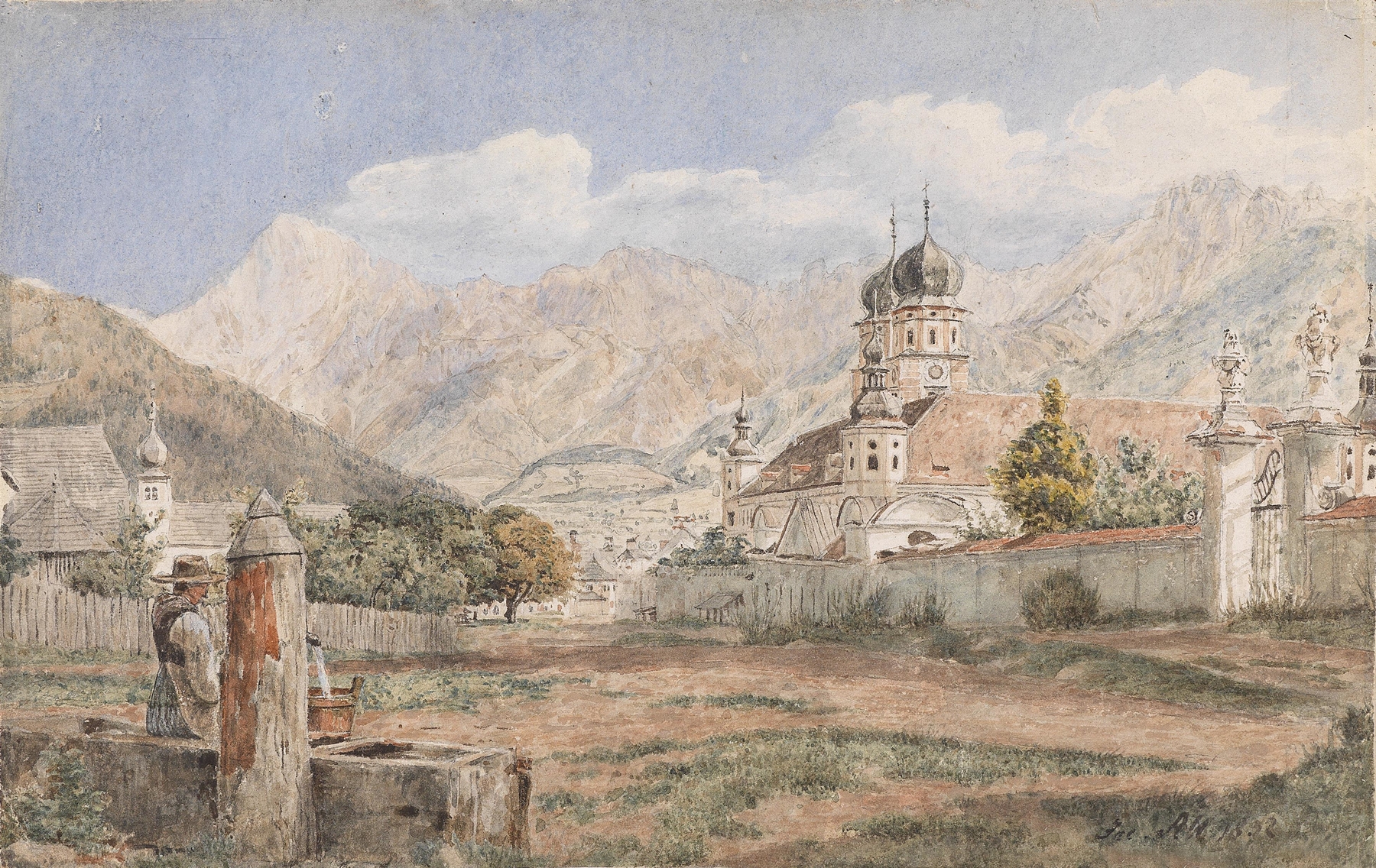
In the soft light of dawn, a lush garden awakens, its colors a watercolor dream spilling across the canvas. Gentle figures meander through the verdant pathways, absorbed in quiet conversation, their gestures speaking volumes in the stillness. Sunlight filters through the leaves, creating dappled patterns on the ground, wrapping the scene in a warm embrace that teeters on the edge of reverie. Look to the left at the vibrant blossoms, each petal painted with meticulous care, their hues a symphony of reds, pinks, and yellows.
The carefully arranged composition draws the eye along winding paths that invite exploration, while the diagonal lines of the hedges create depth and movement. Notice how the artist uses light not only to illuminate but to evoke emotion, casting an ethereal glow on the figures, suggesting an atmosphere thick with intimacy and nostalgia. Within this idyllic setting lies a contrast between the tranquility of nature and the fleeting nature of human connection. The figures, though engaged in animated discussion, seem to drift like wisps of a dream, hinting at the fragility of such moments.
The garden itself serves as a metaphor for the beauty of life, flourishing yet transient, a perfect encapsulation of both joy and the inevitable passage of time. In 1841, Jakob Alt was living in Vienna, deeply immersed in the Romantic movement that swept through Europe, celebrating nature and emotion. During this period, he sought to escape the industrial encroachment on traditional landscapes, choosing instead to capture the serene beauty of gardens as havens of human connection. His work reflects the changing world around him, embracing a longing for simpler joys in a time of rapid transformation.