The Grosse Gehege near Dresden — History & Analysis
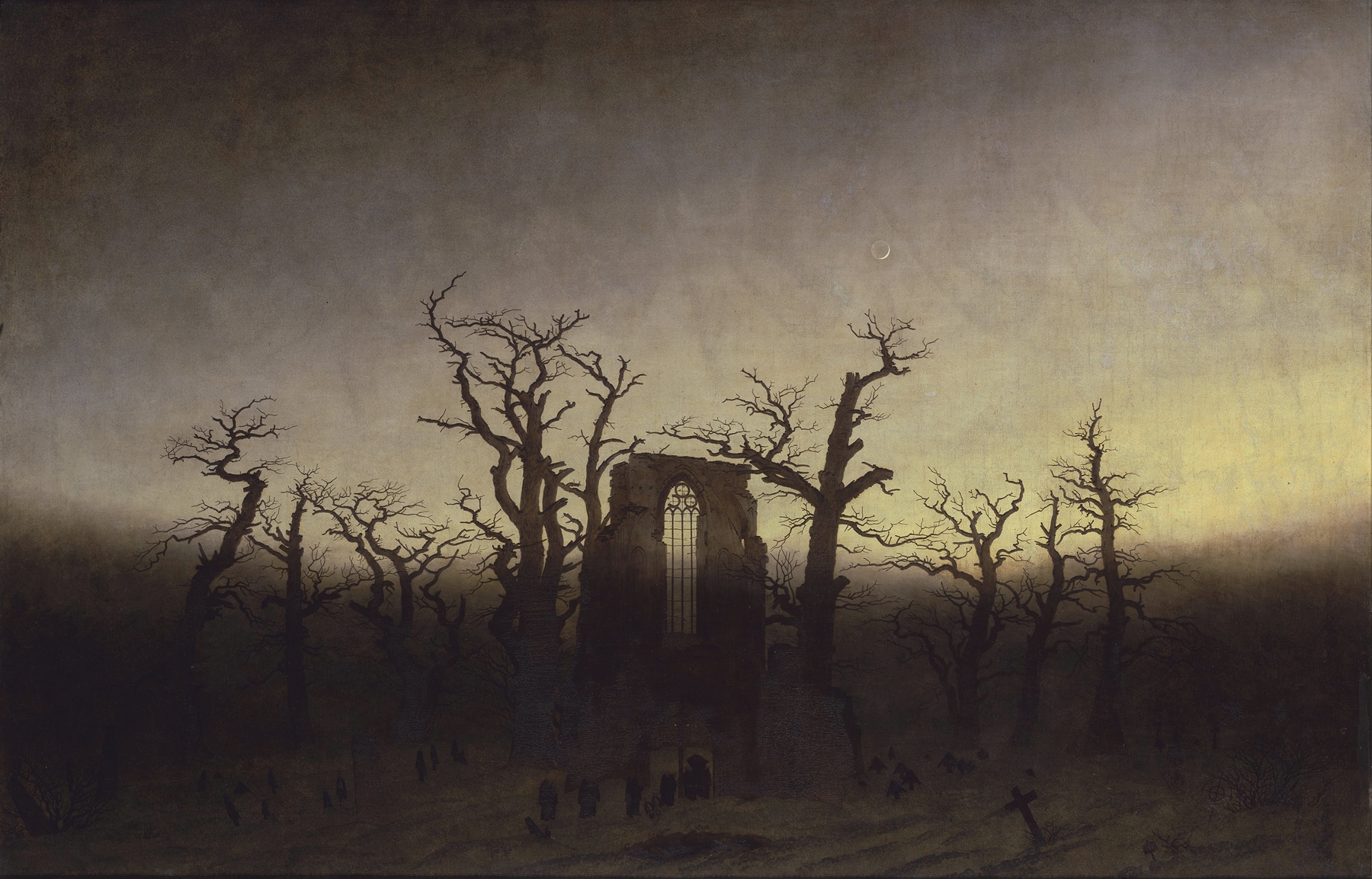
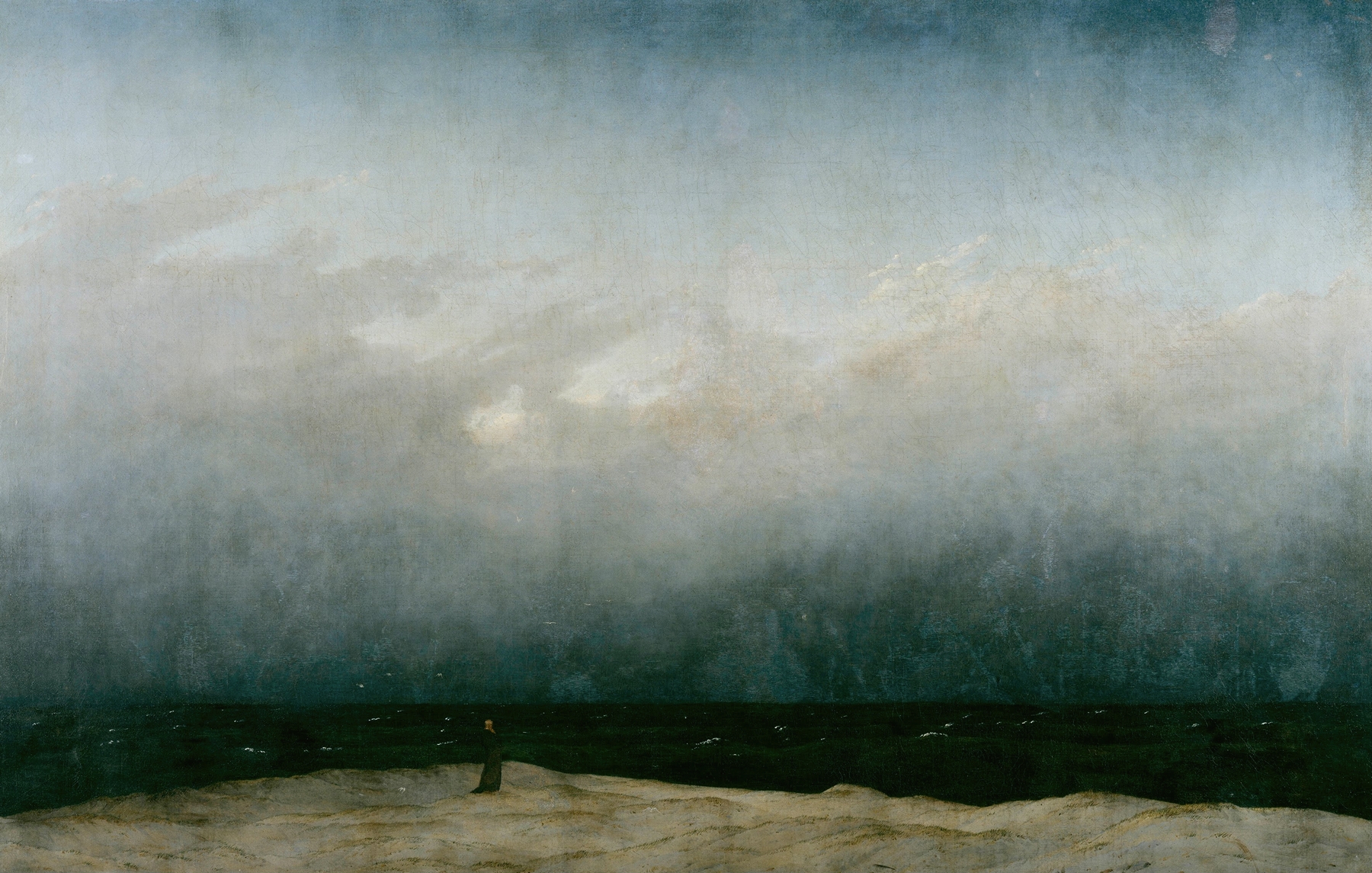
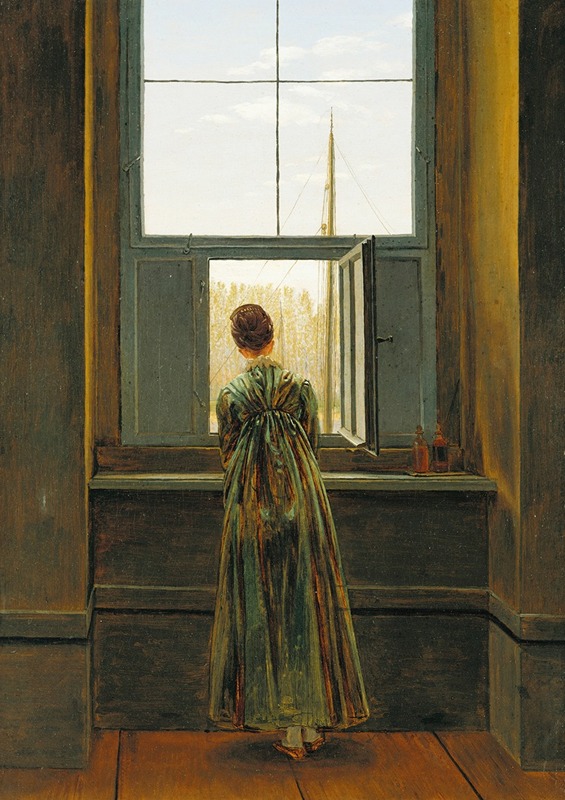
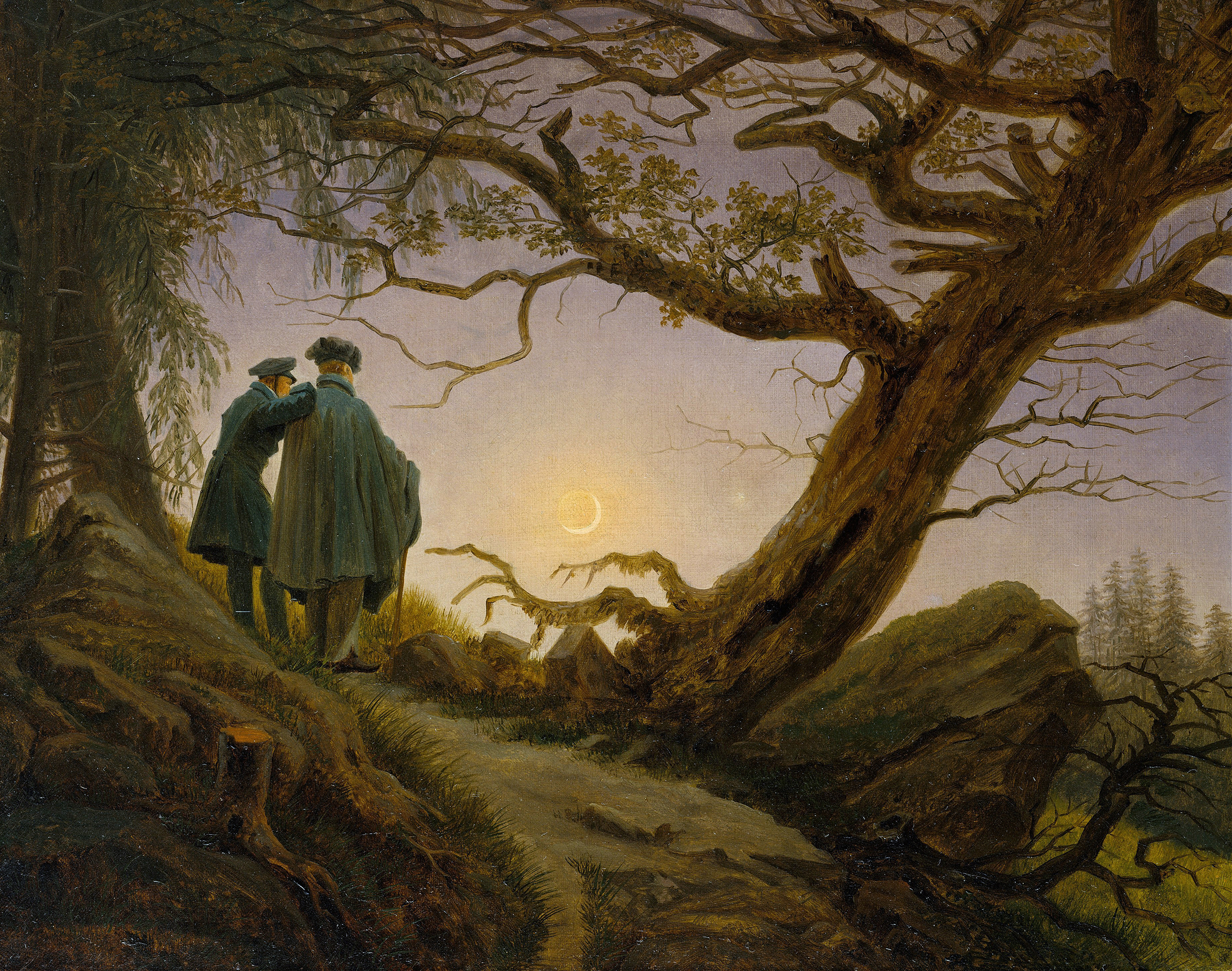
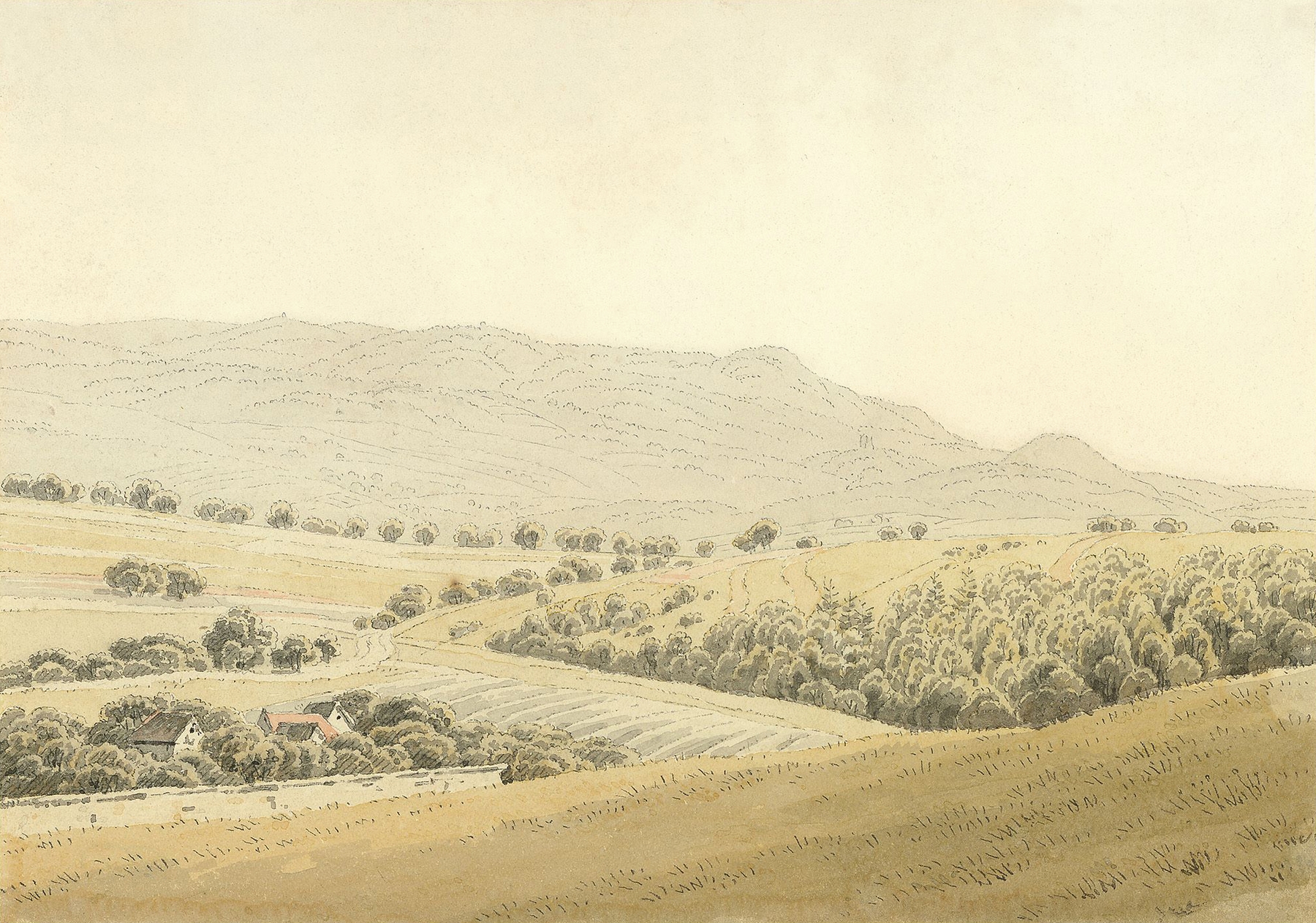
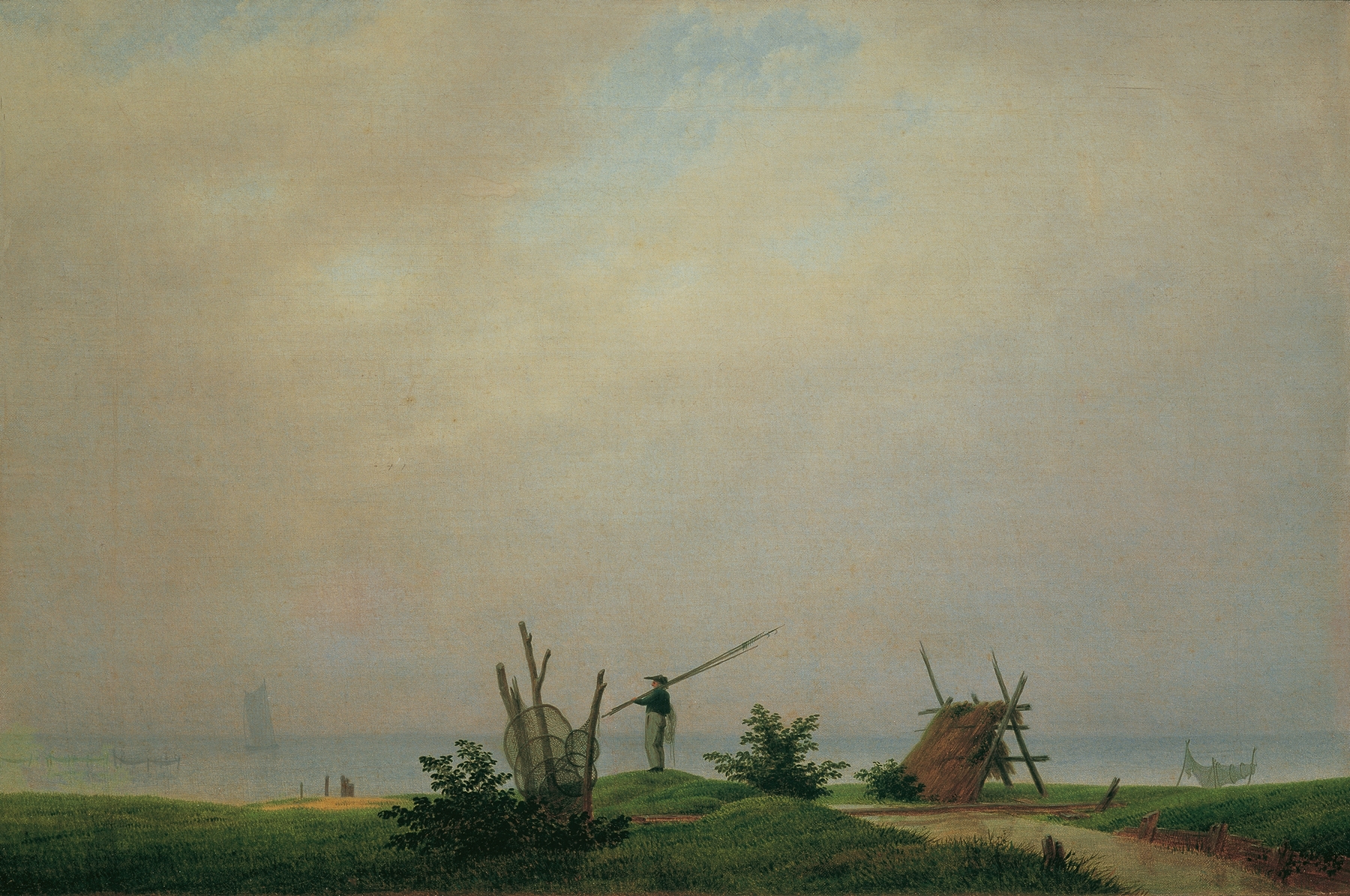
Is this a mirror — or a memory? In The Grosse Gehege near Dresden, the viewer is drawn into a tranquil yet poignant landscape that whispers of loss and longing, evoking the complexities of grief intertwined with nature's beauty. Look to the horizon, where soft, muted colors blend seamlessly into the sky, merging blues and greys that suggest an approaching twilight. The stillness of the water reflects the lifeless trees, their stark silhouettes standing as sentinels over the scene.
Notice how the gentle brushwork creates a delicate texture, inviting you to trace the contours of the land, while the quiet ripples in the water embody fleeting moments—a reminder of time passing. The juxtaposition of the vibrant landscape against the somber atmosphere speaks to the duality of existence; the beauty of nature often contrasts with the shadows of human emotion. Each element—the wilted foliage, the empty path—hints at a narrative of solitude and introspection, revealing the artist's own struggles with loss. These deliberate choices suggest a landscape that represents not just a physical place, but also an internal state of being, resonating with anyone who has experienced the weight of memory.
At the time The Grosse Gehege near Dresden was created during the early 19th century, Friedrich was emerging as a significant figure in the Romantic movement, grappling with themes of nature, solitude, and the human condition. Living in a period marked by upheaval and personal trials, he sought to capture the profound emotions that landscapes could evoke. The painting reflects both his inner turmoil and the broader cultural context that emphasized the sublime and the melancholic aspects of nature.