The Metropolitan Tower on A Summer Evening — History & Analysis
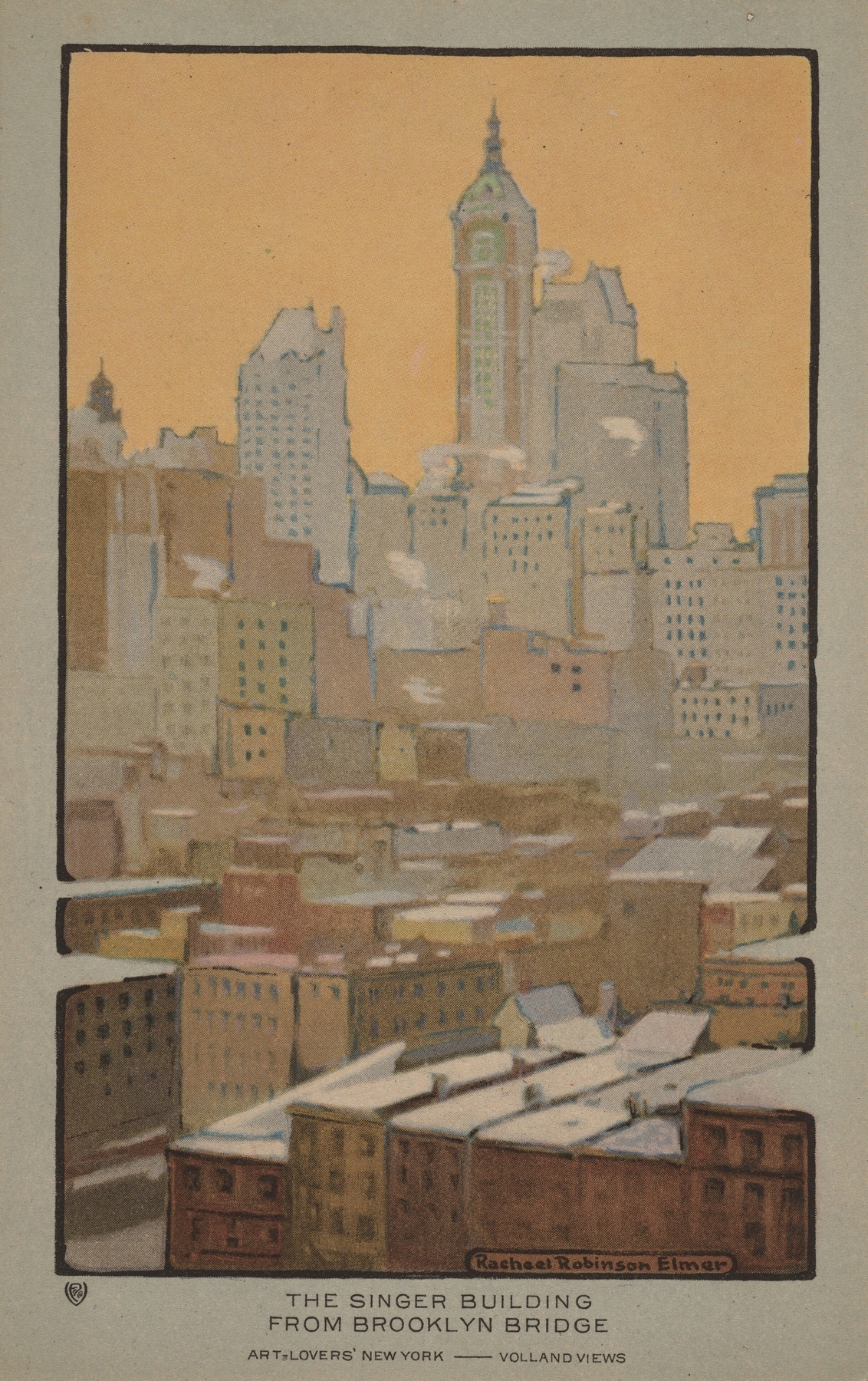
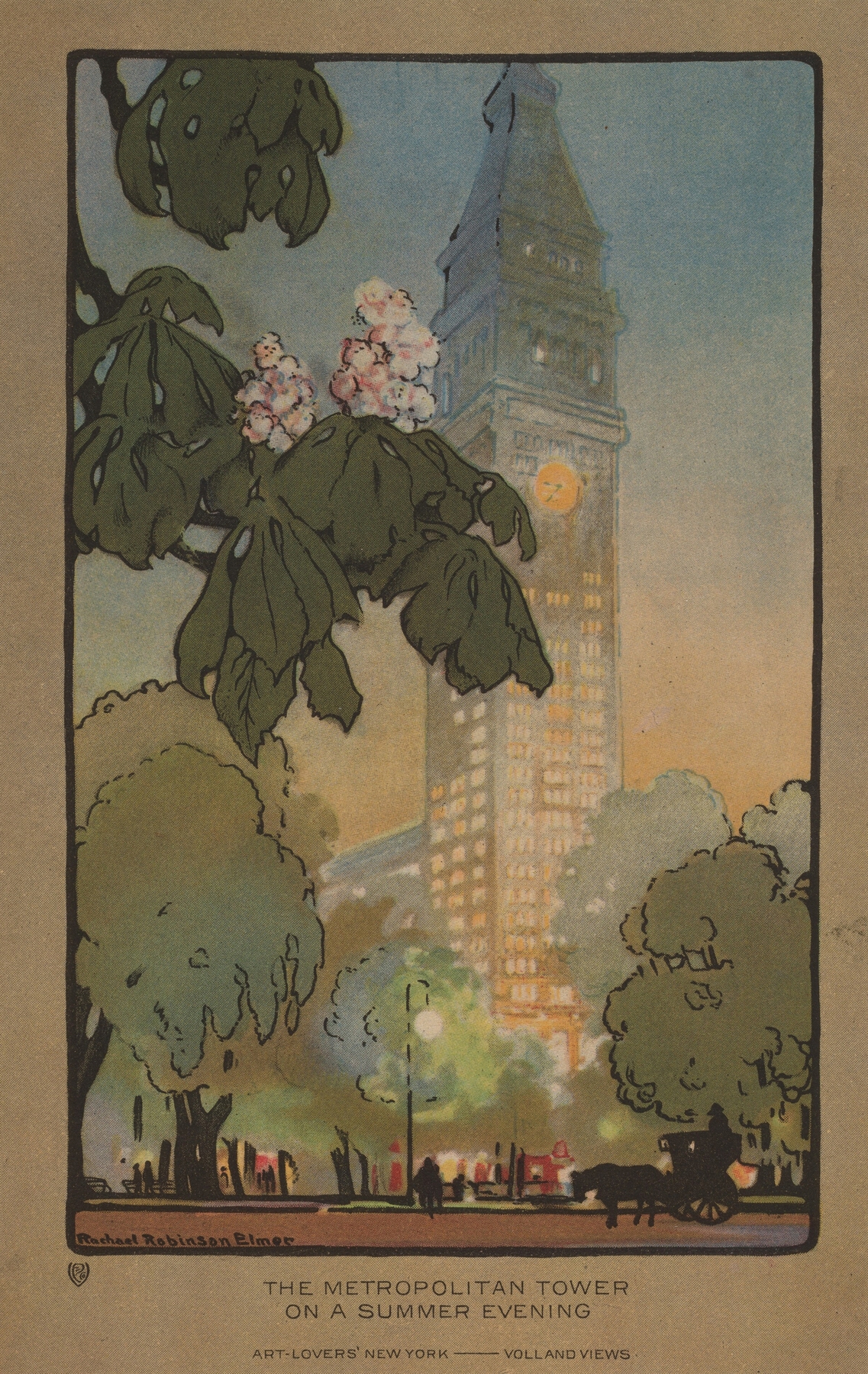
Could a single brushstroke hold eternity? In The Metropolitan Tower on A Summer Evening, a fleeting moment captures the delicate dance between urban grandeur and the inevitable passage of time. Look to the center of the canvas, where the majestic tower rises against the backdrop of a twilight sky. The warm hues of orange and pink blend seamlessly into deepening blues, suggesting the sun's farewell. Notice how the light caresses the architectural details, revealing the stone's aged texture, while shadows deepen the crevices, hinting at both beauty and decay.
This masterful use of color evokes a sense of nostalgia, inviting the viewer to linger on the scene. As you explore further, subtle contrasts emerge—the vibrancy of life juxtaposed with the whispers of time. The delicate brushwork reveals signs of wear on the tower, a testament to its storied existence amidst an ever-changing cityscape. Clouds drift lazily, suggesting both tranquility and the impermanence of this summer evening. This tension between the fleeting beauty of the moment and the looming shadows of decay resonates poignantly, reflecting on how time shapes our environment and experiences.
In 1914, Rachael Robinson Elmer painted this work during a period of change in her life and the art world. Living in New York City, she was immersed in a burgeoning art scene, where modernism began to challenge traditional aesthetics. This period also marked personal challenges for Elmer, including the loss of her husband, which influenced her exploration of themes such as memory and the passage of time. The painting encapsulates not only her artistic evolution but also the shifting landscapes of a city on the cusp of transformation.