The Rialto — History & Analysis
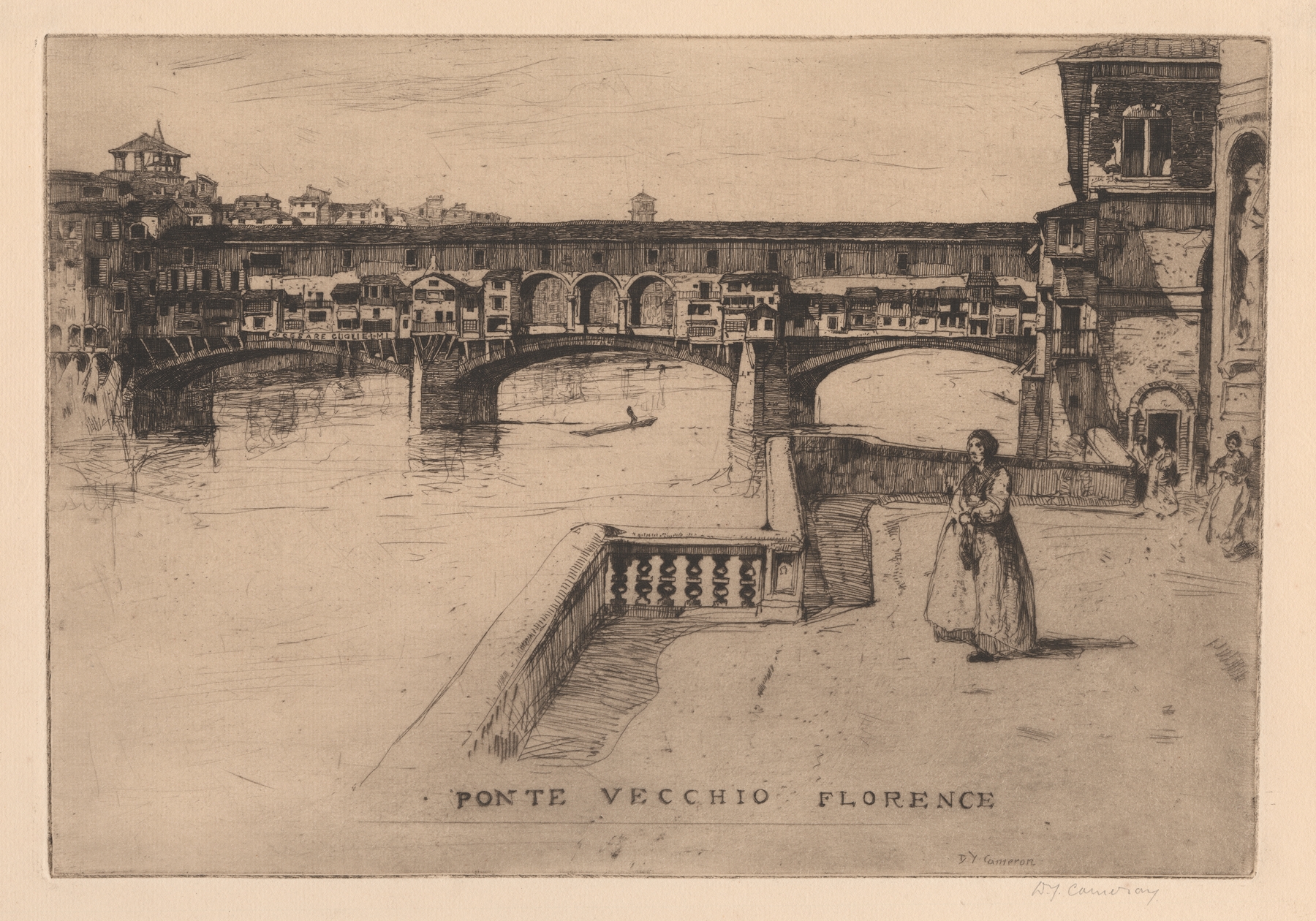
Could a single brushstroke hold eternity? In the tranquil embrace of still waters, serenity whispers through the canvas, inviting the viewer to linger in its calm reverie. Look to the left at the gentle curve of the arching bridge, its structure harmoniously reflected in the water below. The muted palette of blues and grays is punctuated by the soft, golden hues of the buildings that line the canal, their delicate brushstrokes lending a sense of life and movement.
The composition leads your eye along the waterway, seamlessly guiding you from the distant horizon to the intimate details of the boats resting silently upon the surface. Beneath the surface beauty lies a deeper narrative, one of contrasts and contemplations. The stillness of the water juxtaposes with the bustling life of Venice, suggesting a moment frozen in time amidst the city's relentless rhythm. The subtle interplay of light and shadow not only illuminates the architectural details but also evokes a sense of nostalgia, as if the viewer is peering into a memory long cherished yet fleeting.
In 1900, the artist found inspiration in the enchanting vistas of Venice, a city that had captivated many before him. At this time, he was seeking to reconcile his impressionist roots with a burgeoning interest in capturing serene landscapes. This period marked an evolution in his work, as he embraced both the beauty of the natural world and the architecture that defines it, reflecting the broader shifts occurring in the art scene of the early 20th century.