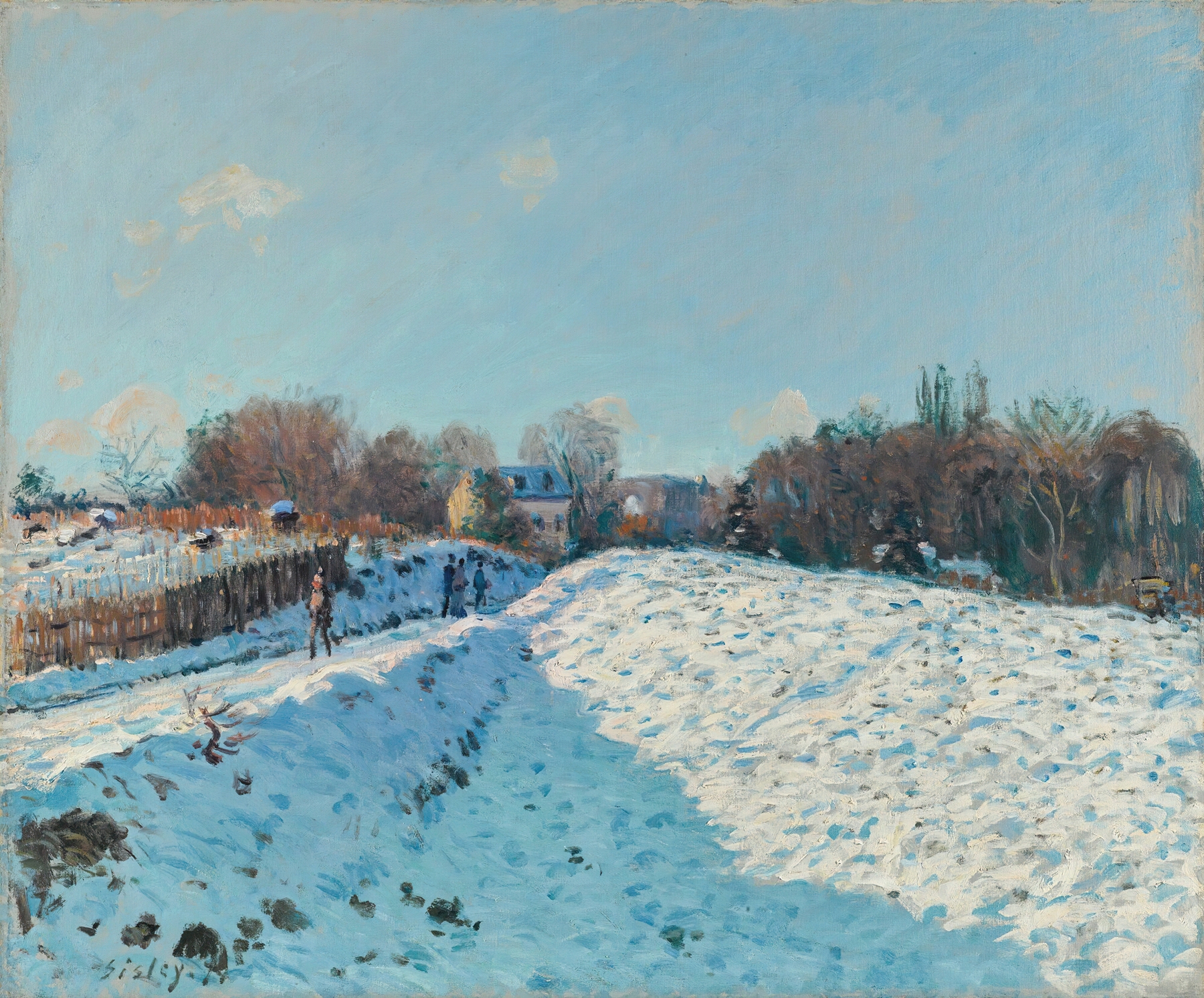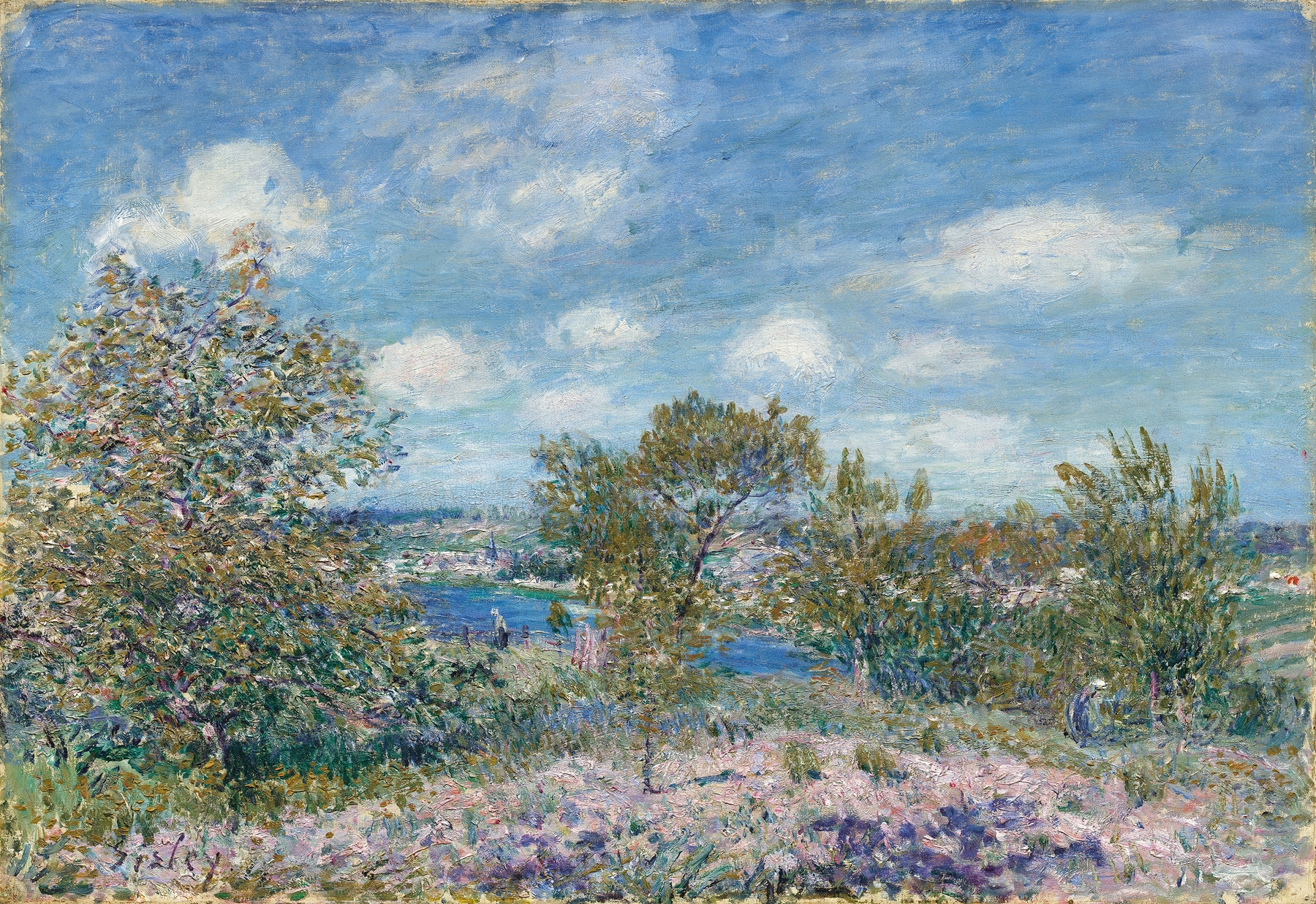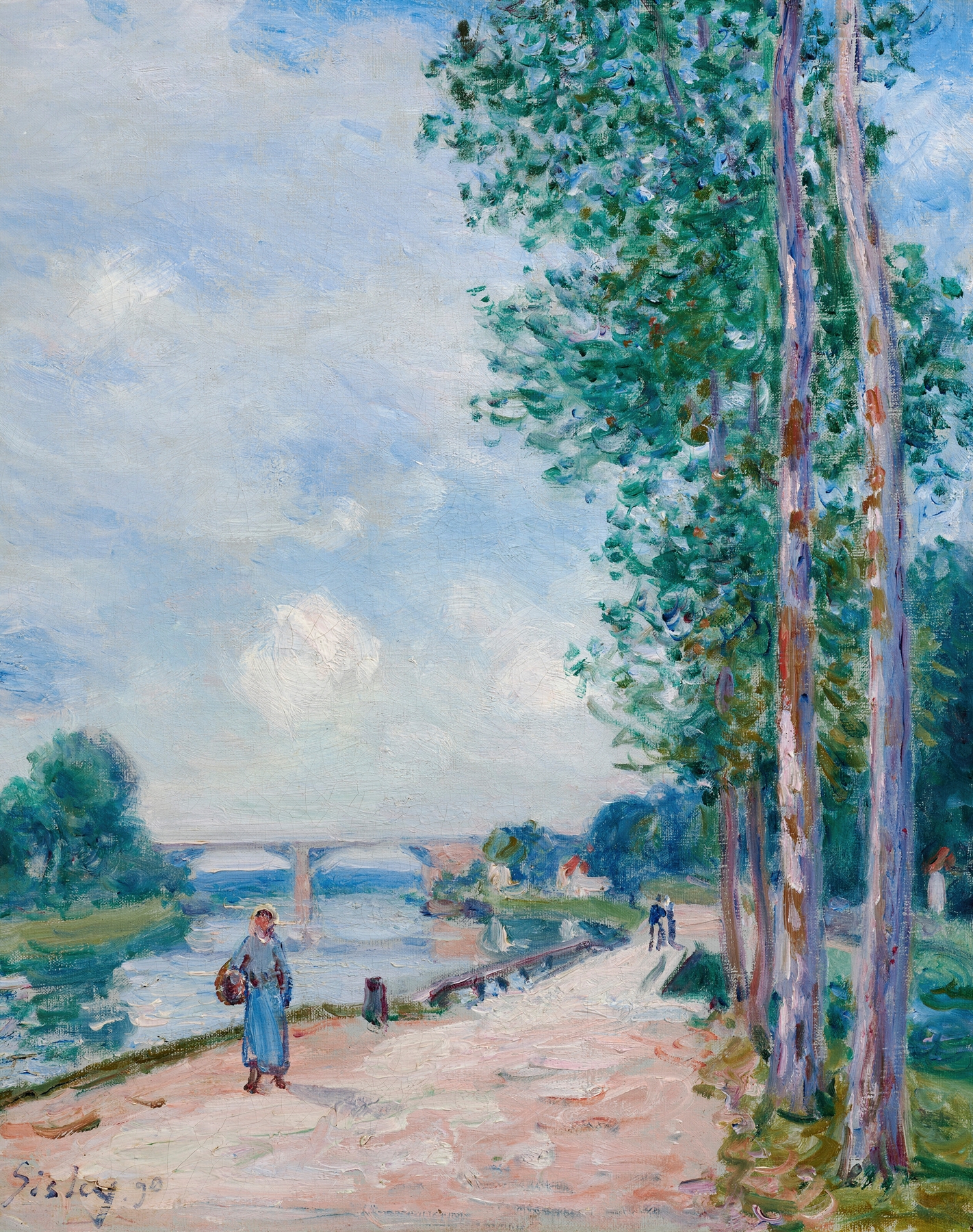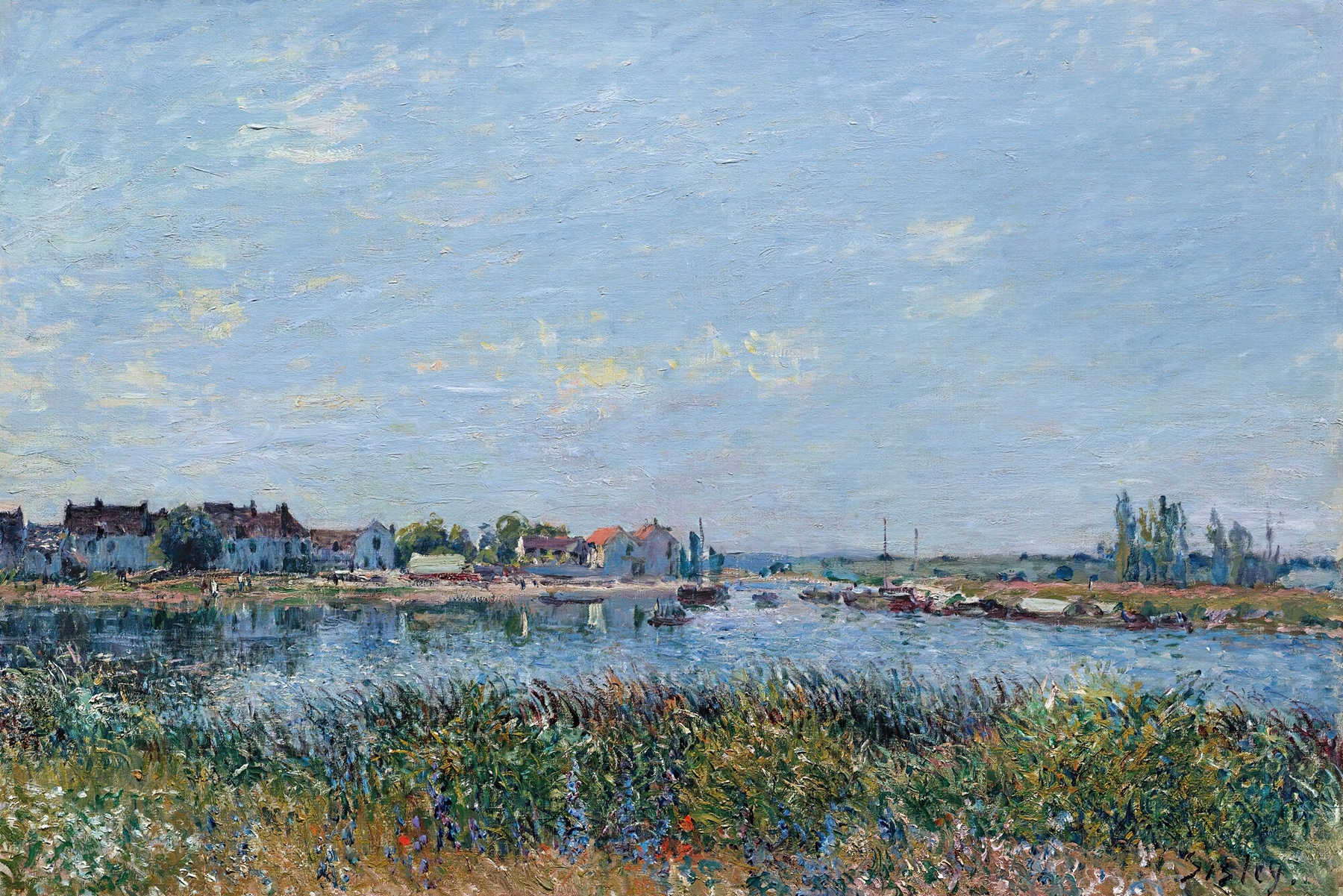
The Road from Versailles to Louveciennes — History & Analysis
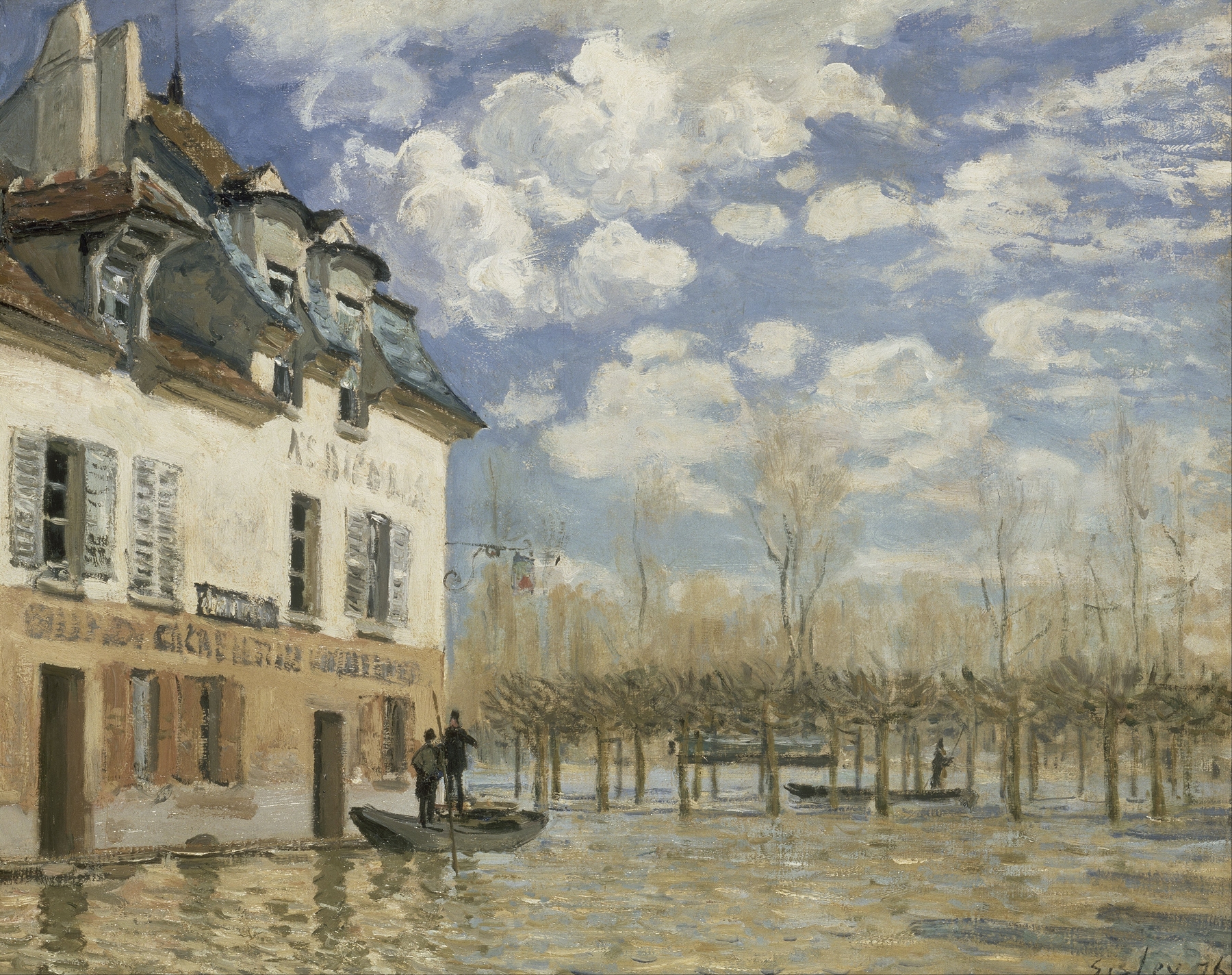
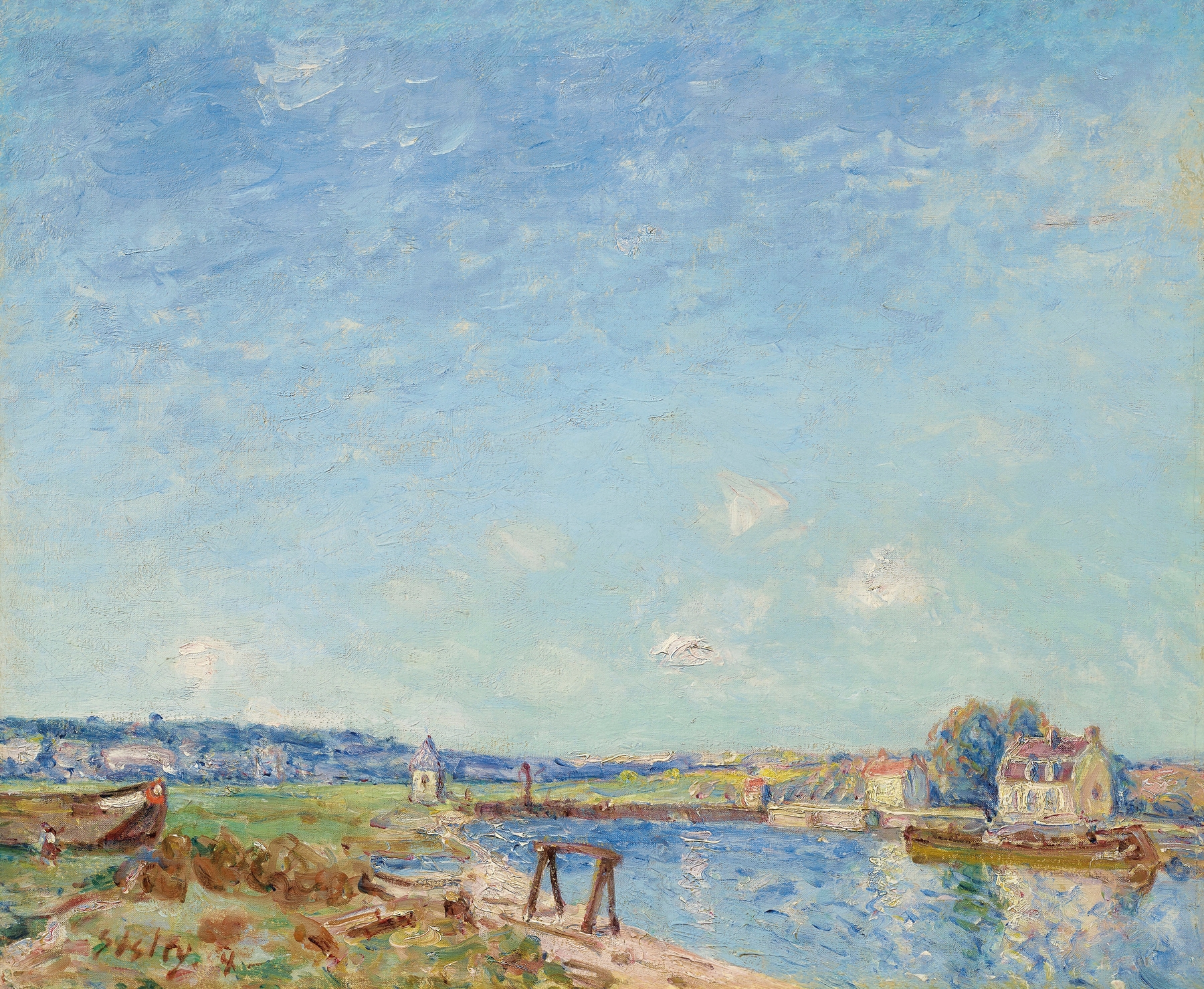
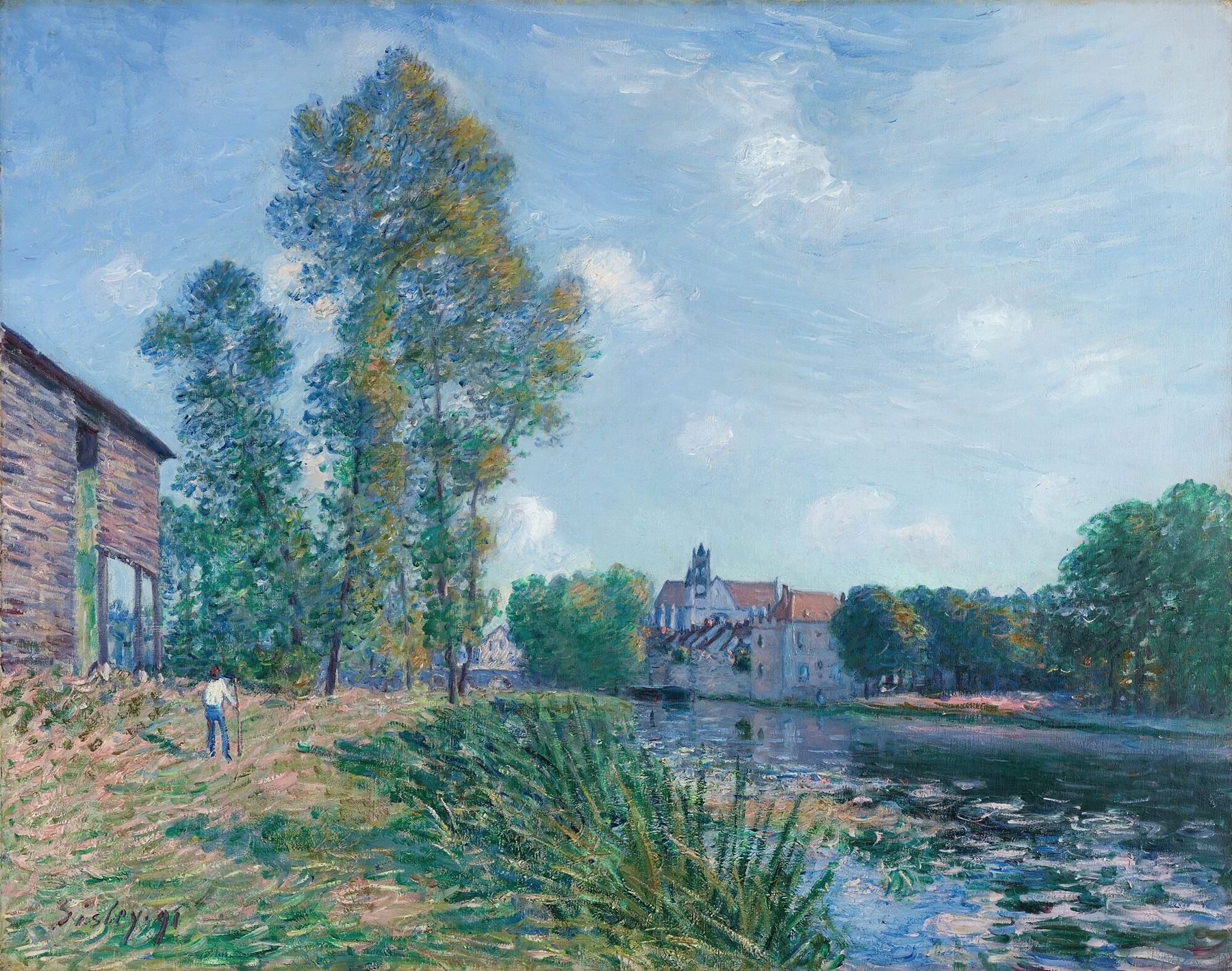
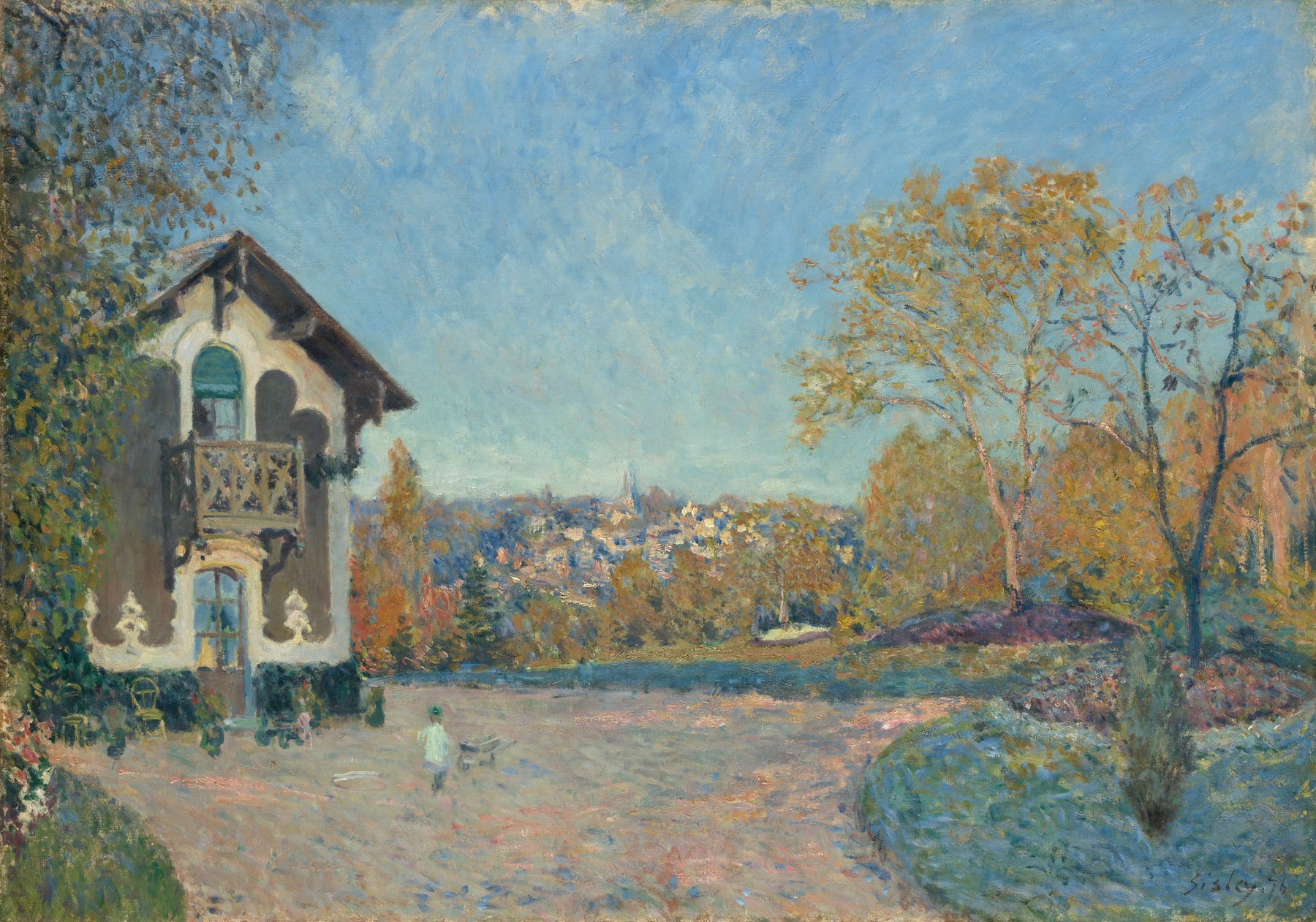
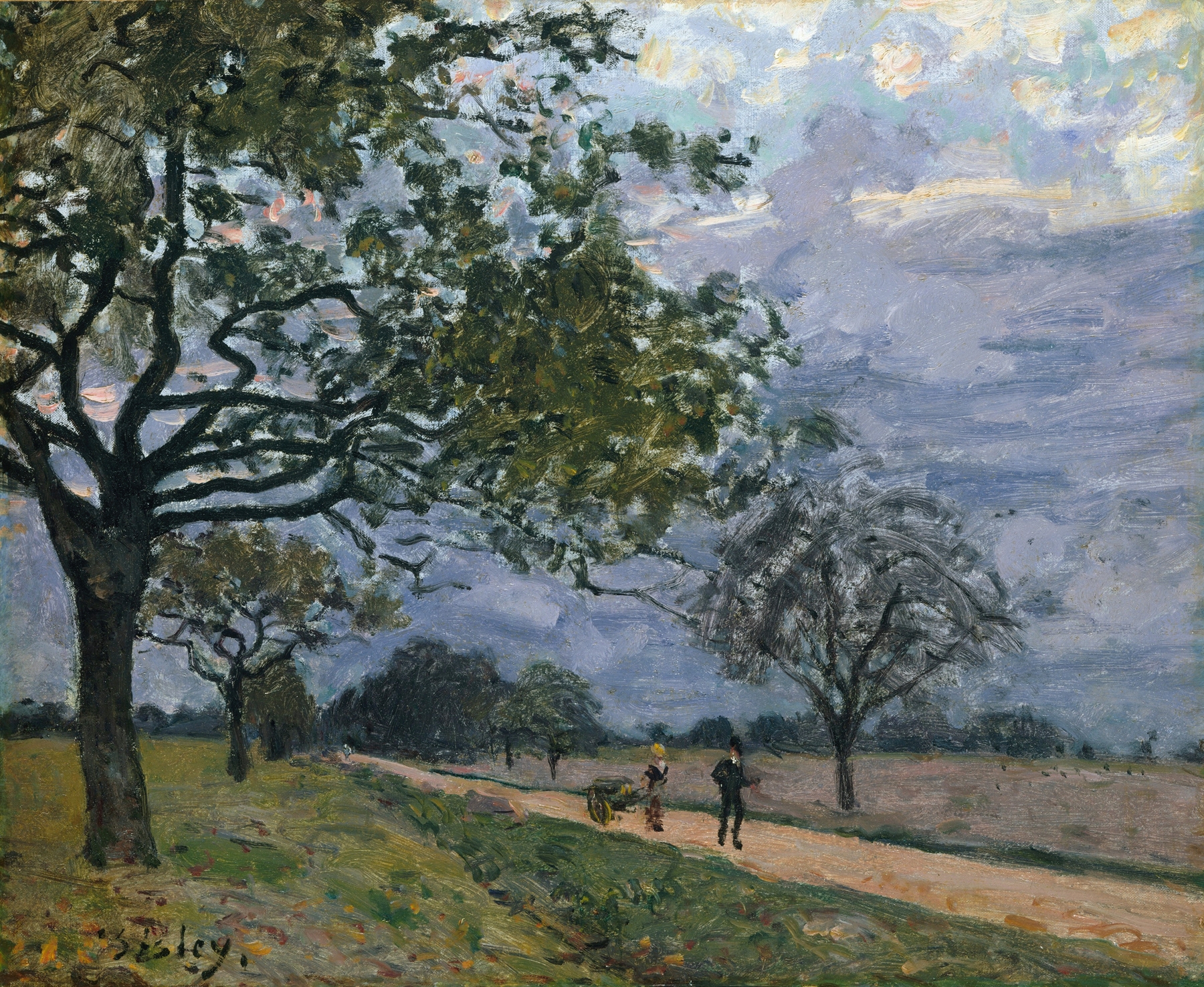
“Art reveals the soul when the world turns away.” In a world so often consumed by chaos, how do we capture that fleeting moment of ecstasy? There lies the power of a single brushstroke, a whisper of color, a testament to the beauty found in simplicity. Look to the horizon, where soft blues and greens meld into the gentle embrace of a sunlit sky. The pathway stretches before you, winding through a tranquil landscape that invites exploration. Notice how the light falls upon the leaves, dappling the ground with patches of warmth, while the melancholic shadows add depth to the scene.
The delicate strokes reveal Sisley’s mastery of impressionism, as each layer of paint breathes life into the canvas, creating a vibrant dialogue between nature and the viewer. Amid the serenity, a tension arises. The road, although inviting, leads away from the bustling grandeur of Versailles, suggesting a migration towards simplicity and introspection. The contrast between the lush foliage and the bare path hints at the duality of joy and solitude, ecstasy and reflection.
Each detail—a distant tree, a hint of movement—whispers a story of transition, an invitation to contemplate the journey of the self. In 1879, Sisley painted this work while residing in Louveciennes, a quaint village on the outskirts of Paris. At that time, he was grappling with financial instability, yet he found solace in the beauty of his surroundings. The art world was shifting, embracing new techniques that celebrated light and movement, and Sisley, as a notable impressionist, captured this essence as he sought to translate his emotional landscape onto the canvas.