The Woolworth Building from the Ferry — History & Analysis
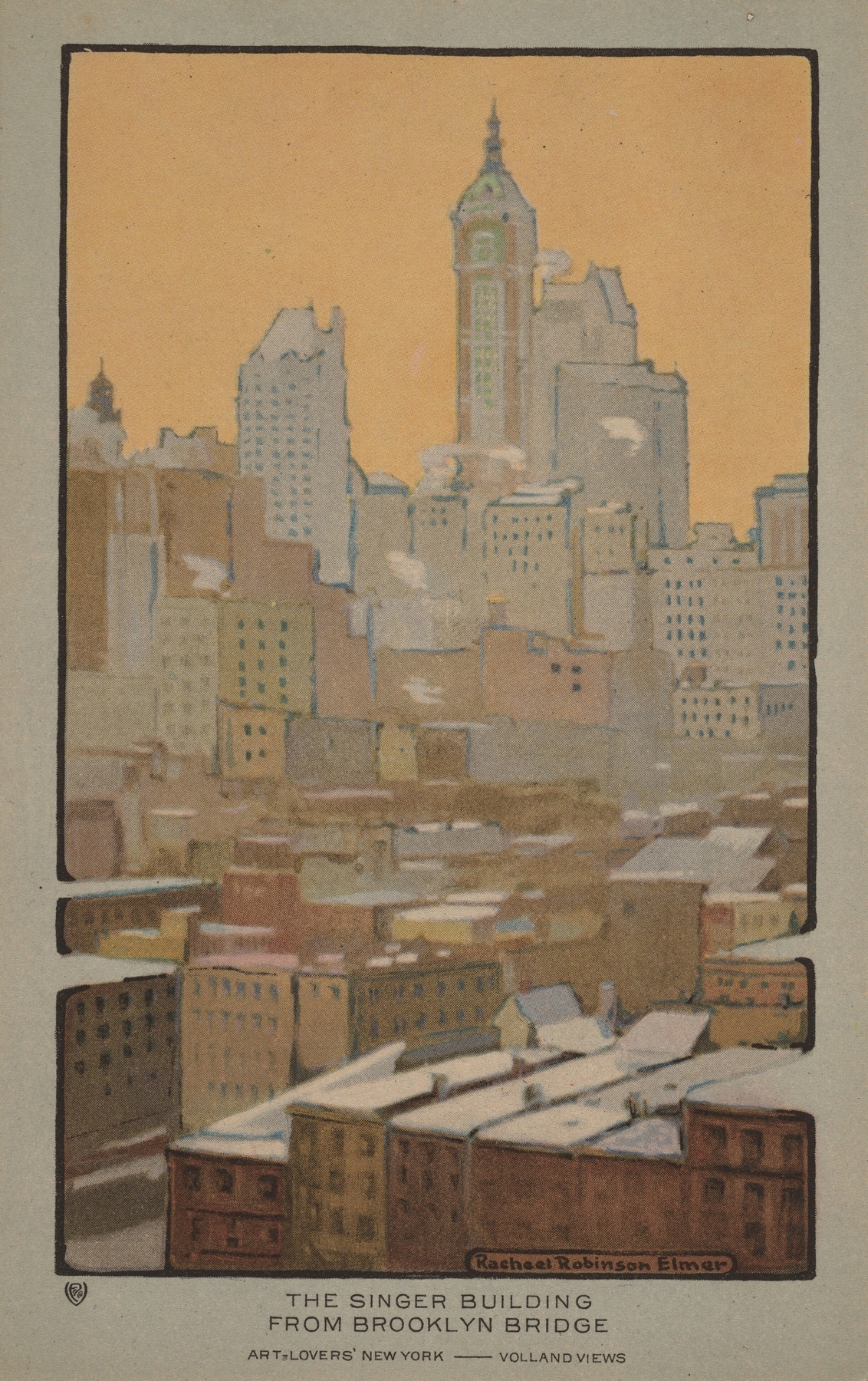
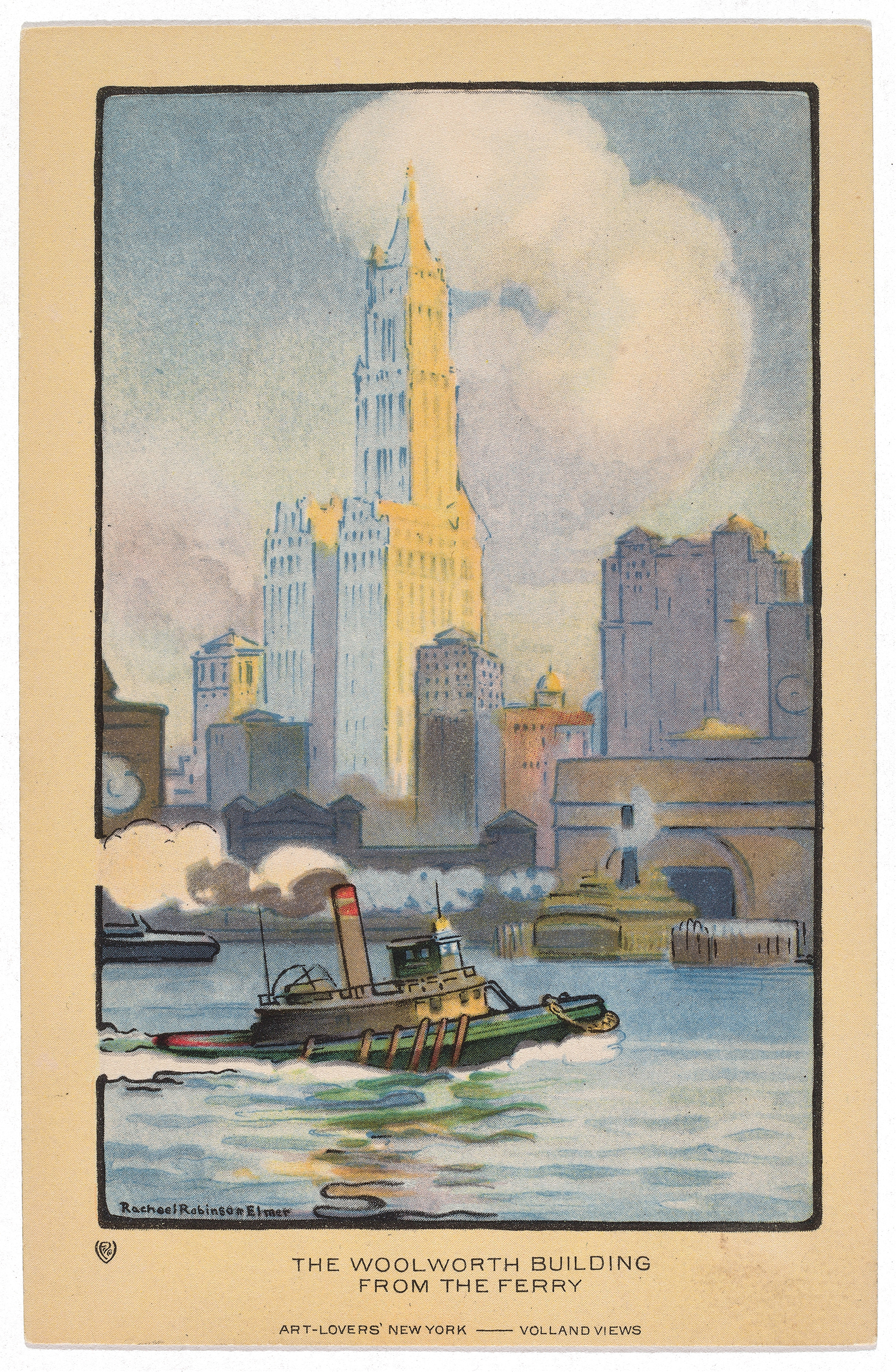
Did the painter know this moment would outlive them? A fragile sense of awe and dread hangs in the air, capturing the tension between what is now and what is to come. Look to the center, where the soaring Woolworth Building rises like a sentinel against a backdrop of muted sky. The towers, draped in atmospheric mist, create a striking contrast with the gentle ripples of the water below.
Notice how the light cascades off the structure, illuminating the intricate architectural details that speak to ambition and human endeavor. Brushstrokes blend in a harmonious yet unsettling palette of greys and blues, reinforcing the sensation of transience. Within this scene lies a poignant juxtaposition: the towering edifice represents human achievement, while the shifting water evokes the passage of time. The fog that swathes the building suggests an impending obscurity, hinting at the ever-present fear of becoming lost in memory.
The subtle play of light and shadow echoes the uncertainty of existence, as if Elmer captured both the triumph of creation and the looming specter of its eventual decline. In 1914, Rachael Robinson Elmer painted this piece during a period of rapid change in the world of art and architecture. Living in New York City, she was deeply influenced by the burgeoning skyscraper movement and the burgeoning Modernist sentiments. This era witnessed not just a transformation in urban landscapes but also the artist's personal struggle for recognition in a male-dominated art world, grappling with her own fears of obscurity amidst her ambitions.