Tokaido gojusantsugi, Pl.22 — History & Analysis

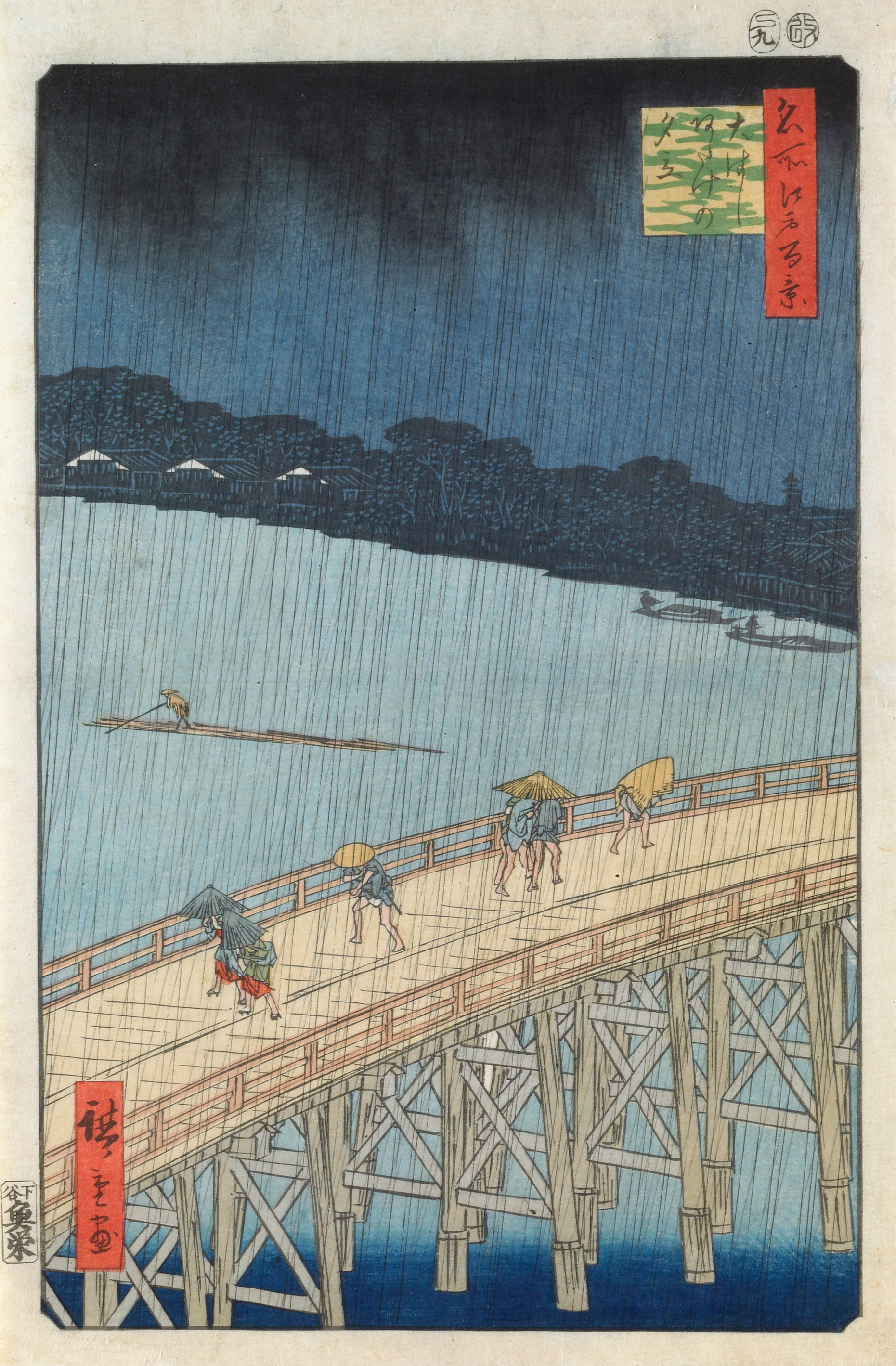
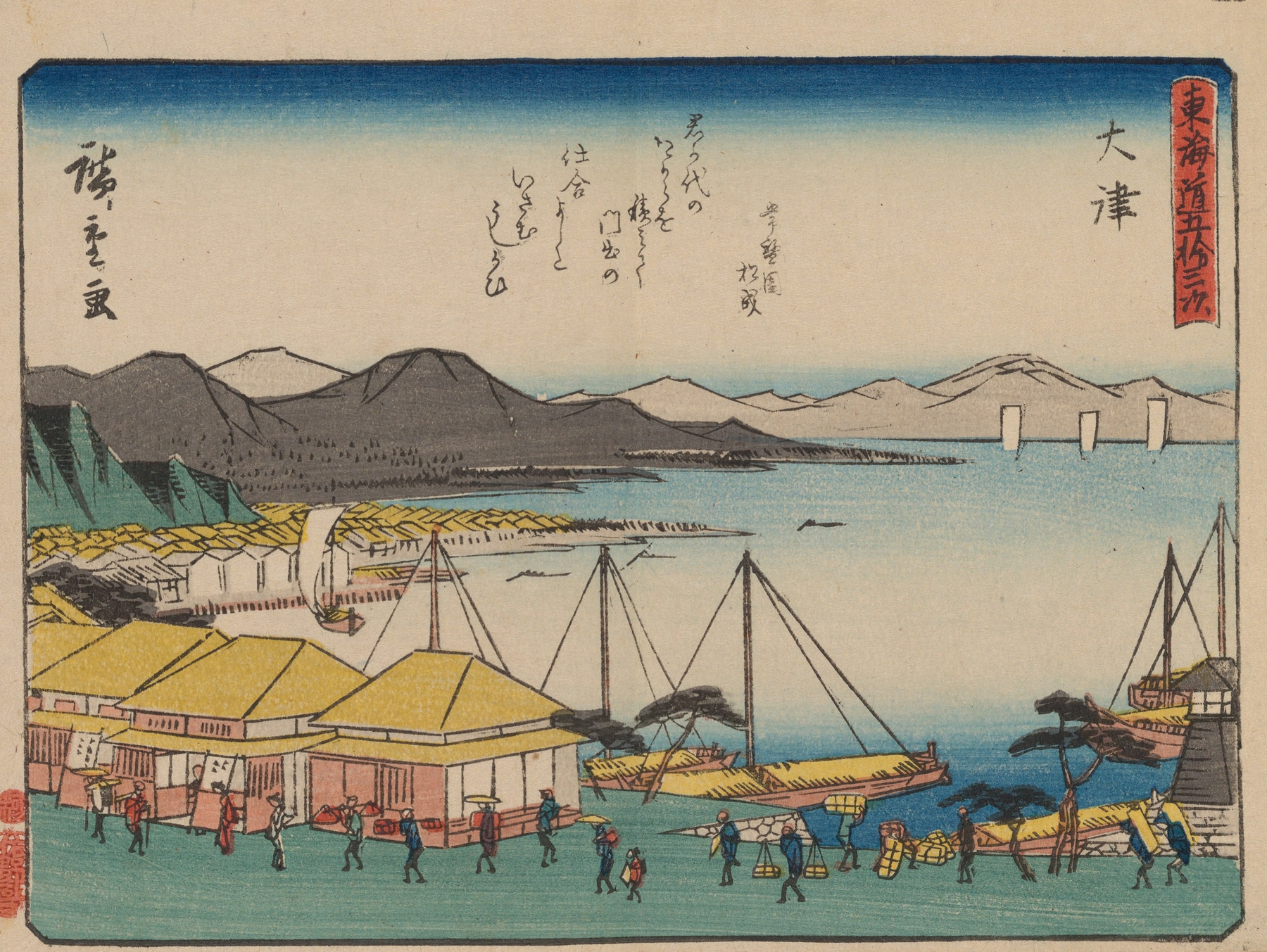
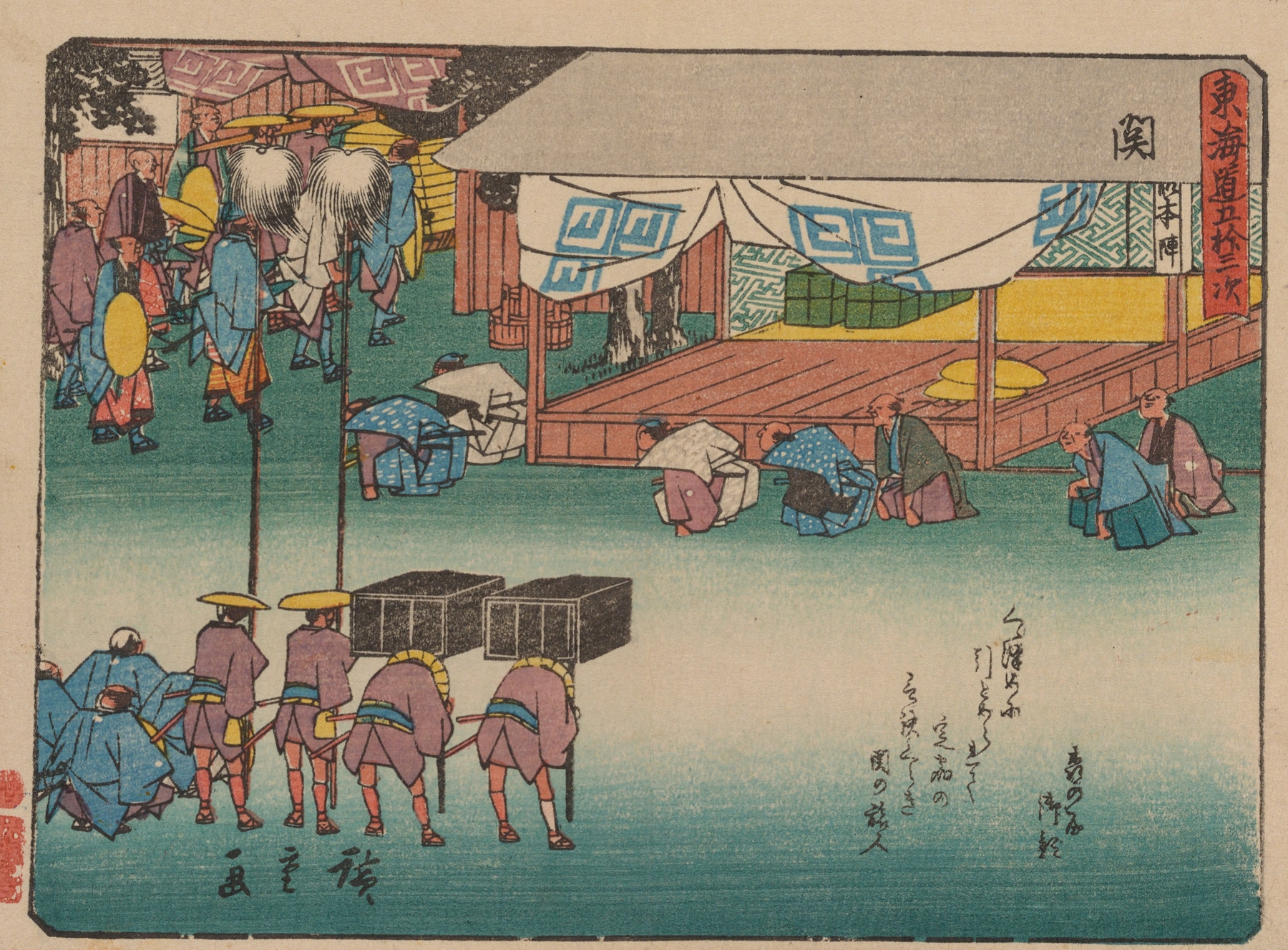
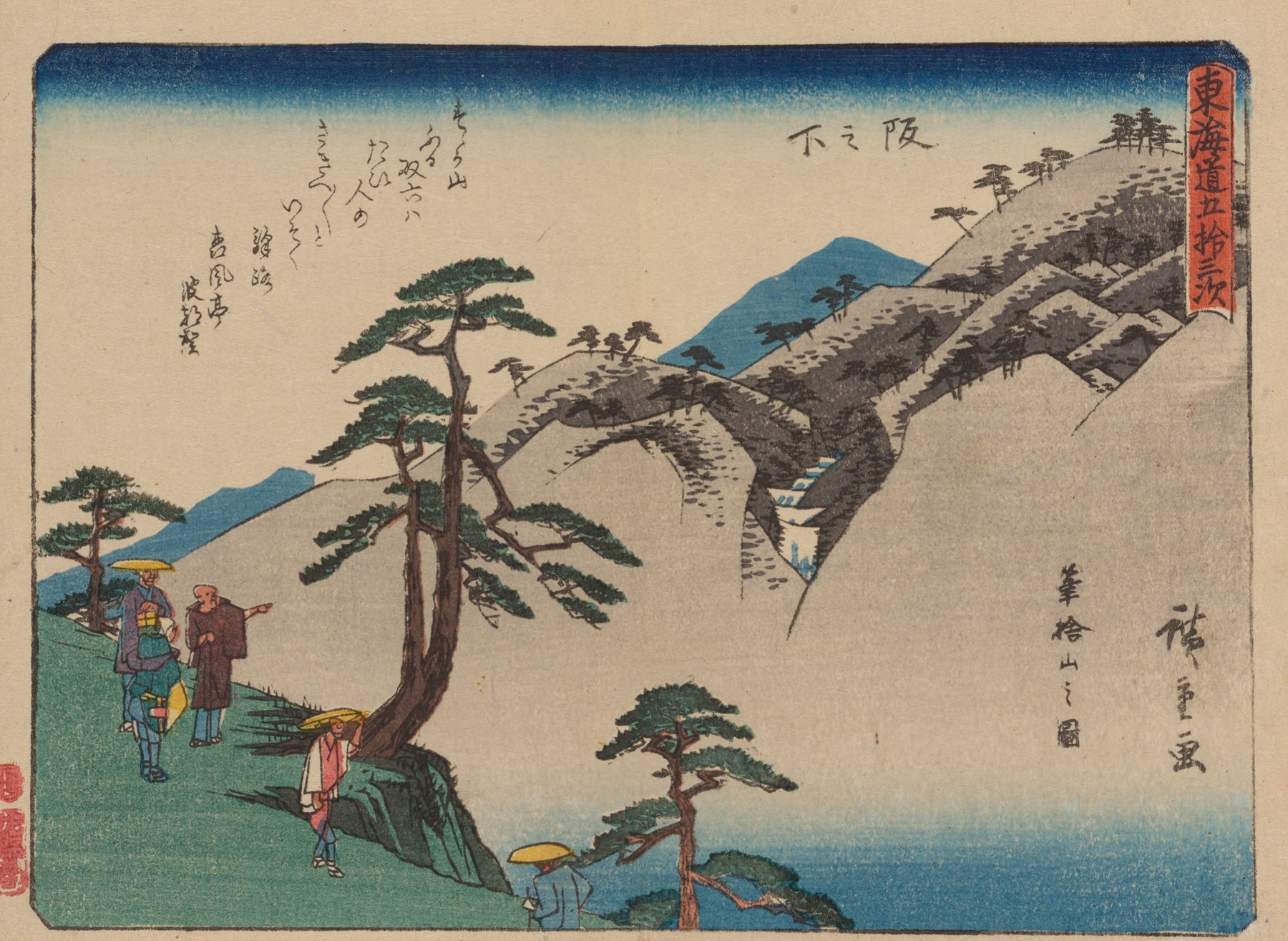
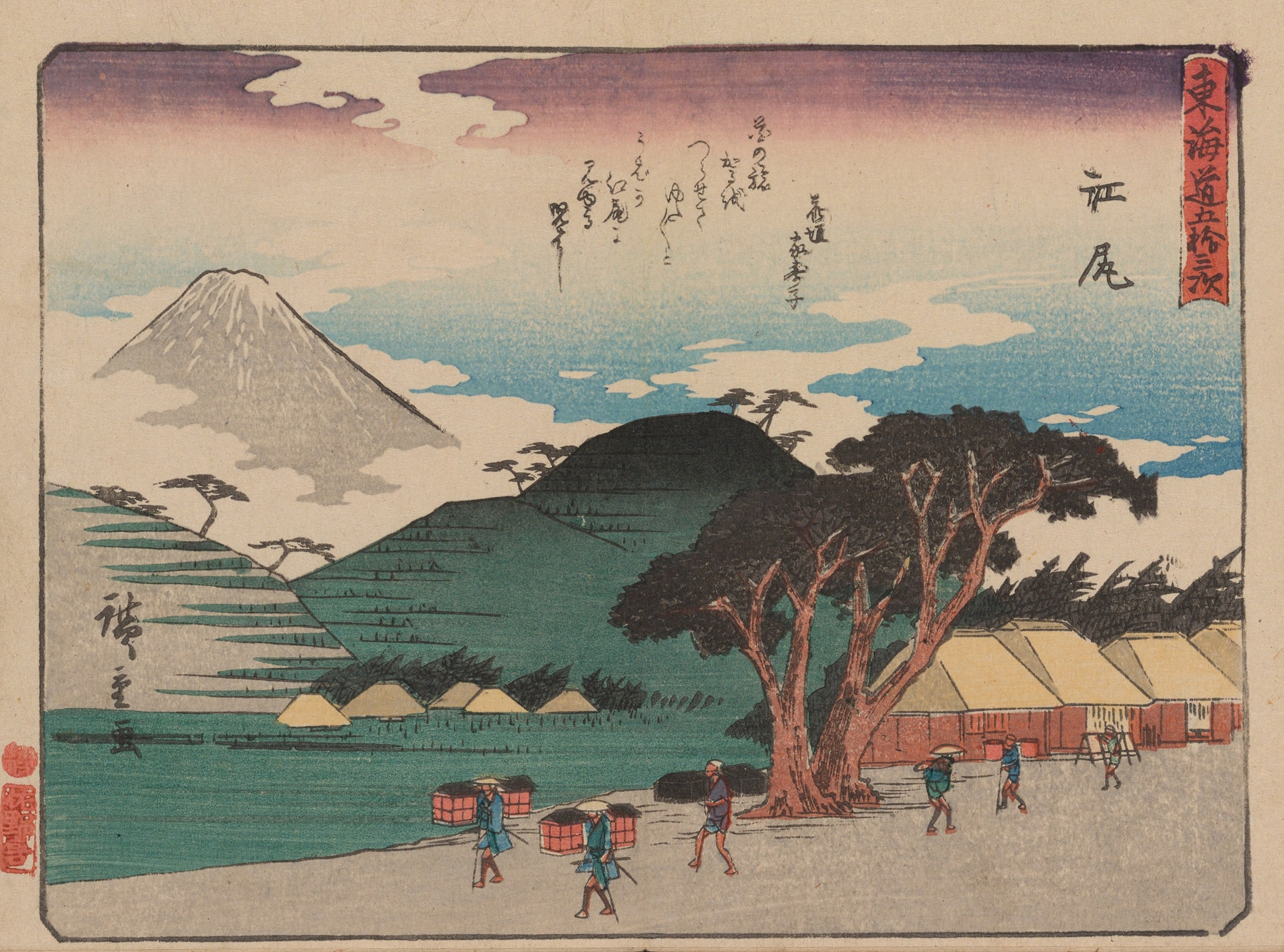
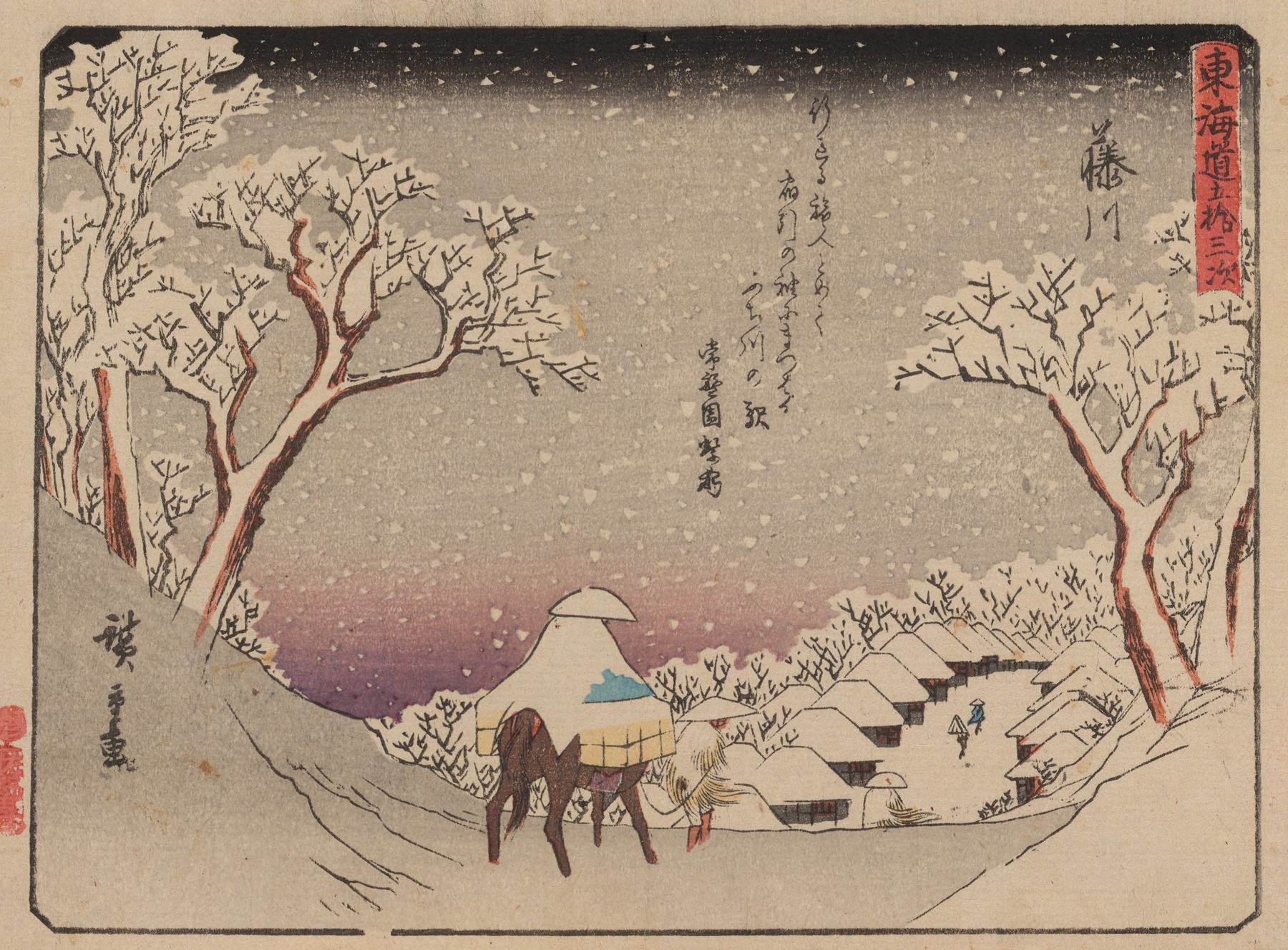
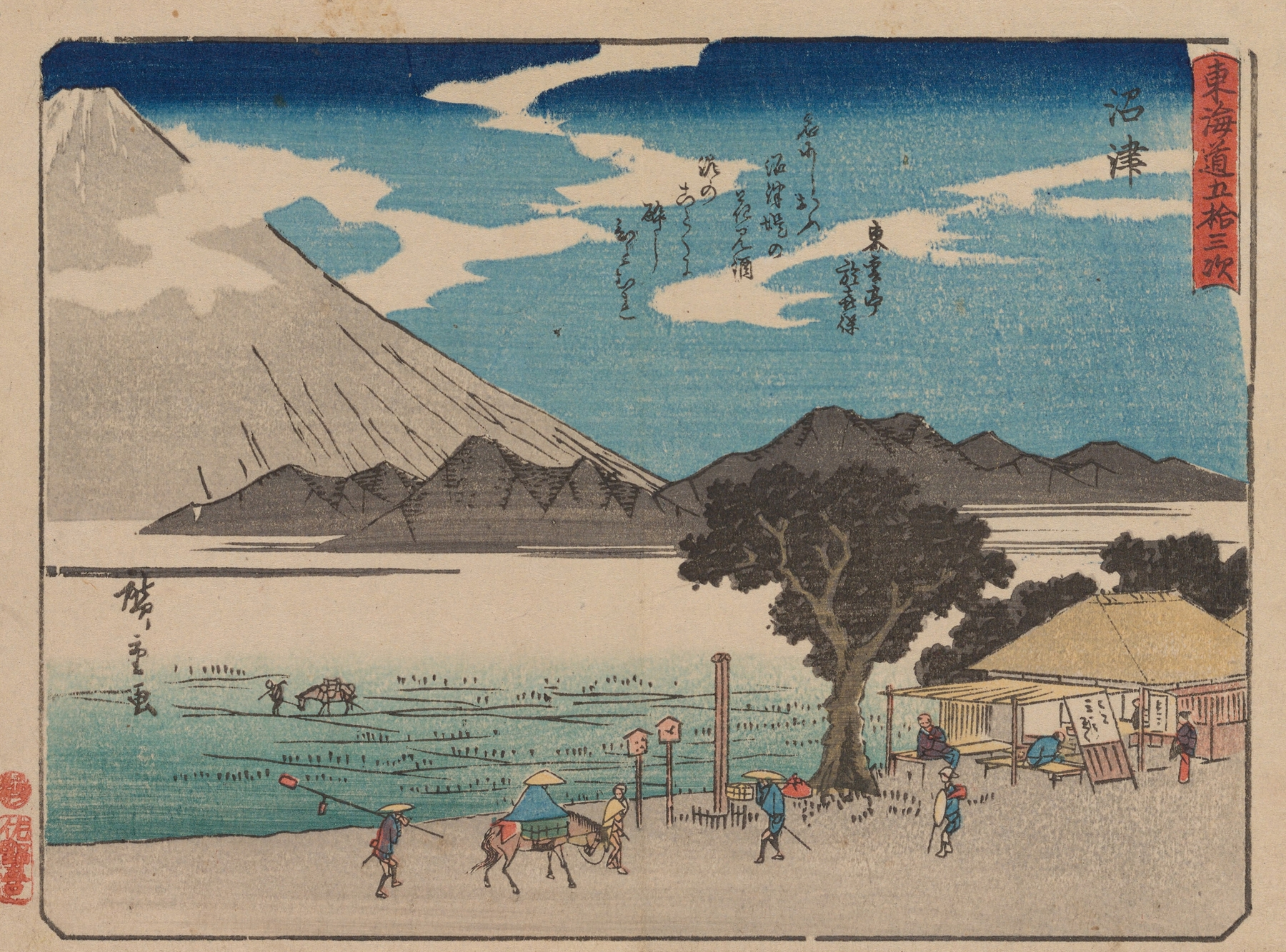
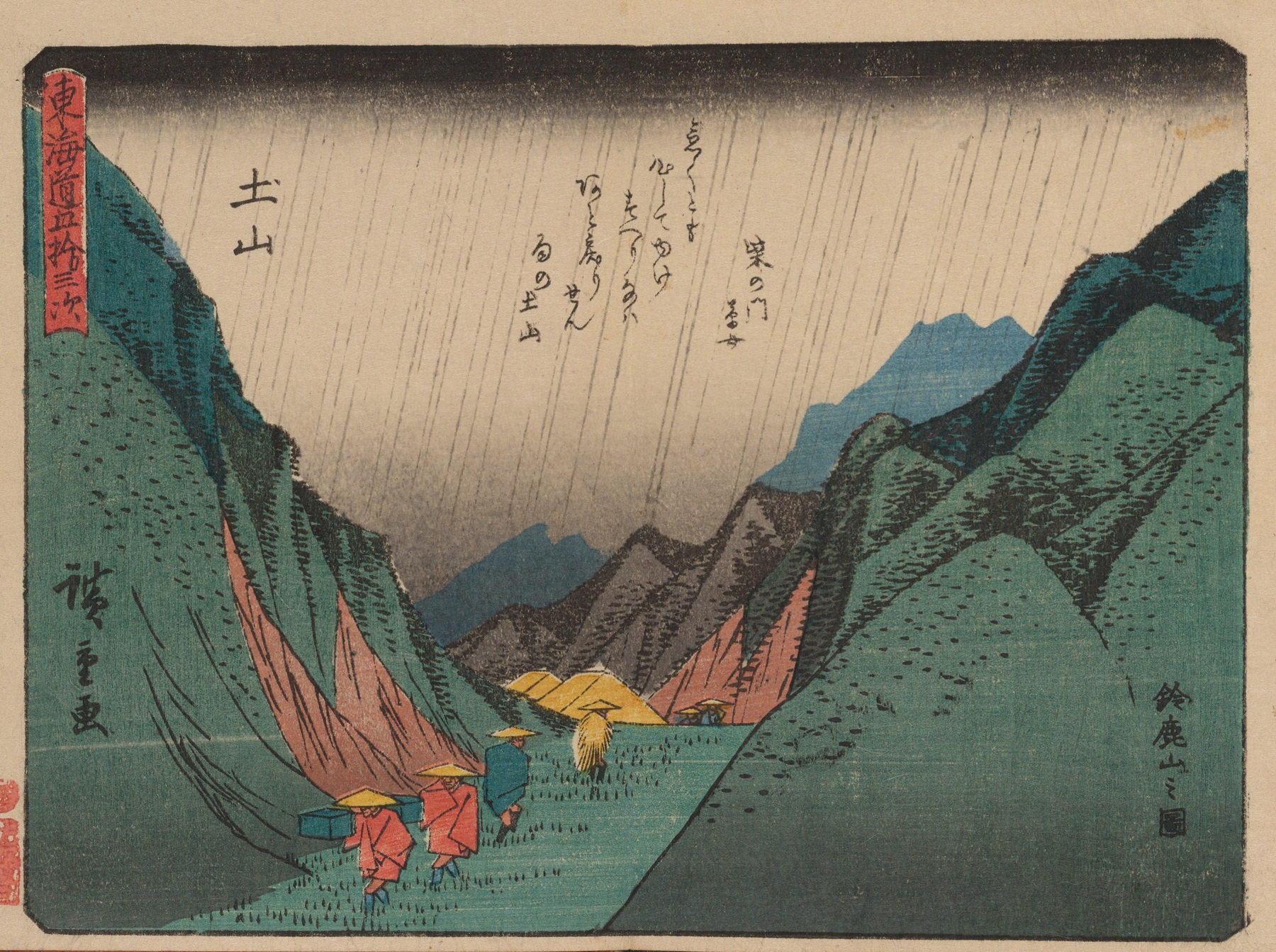
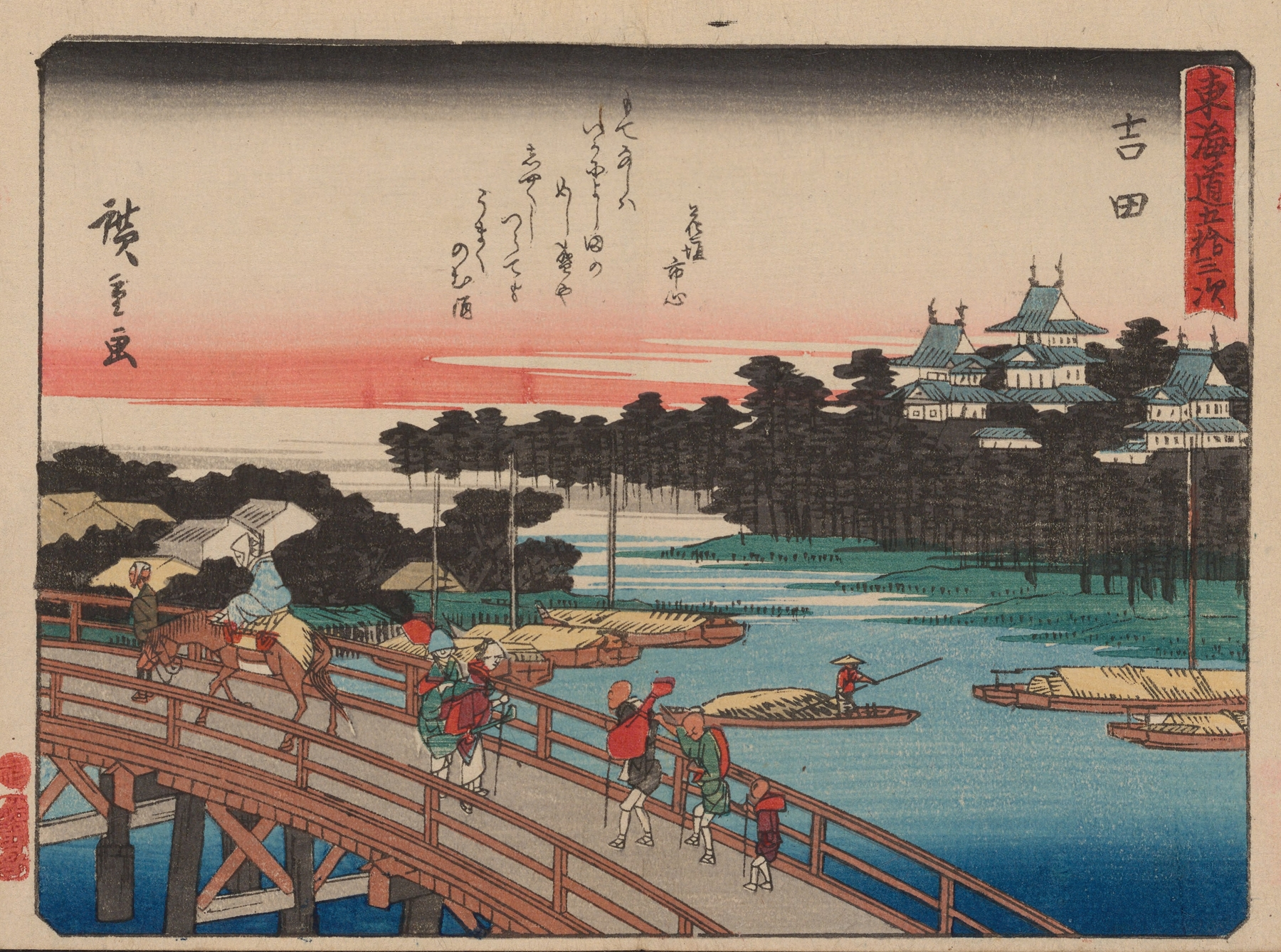
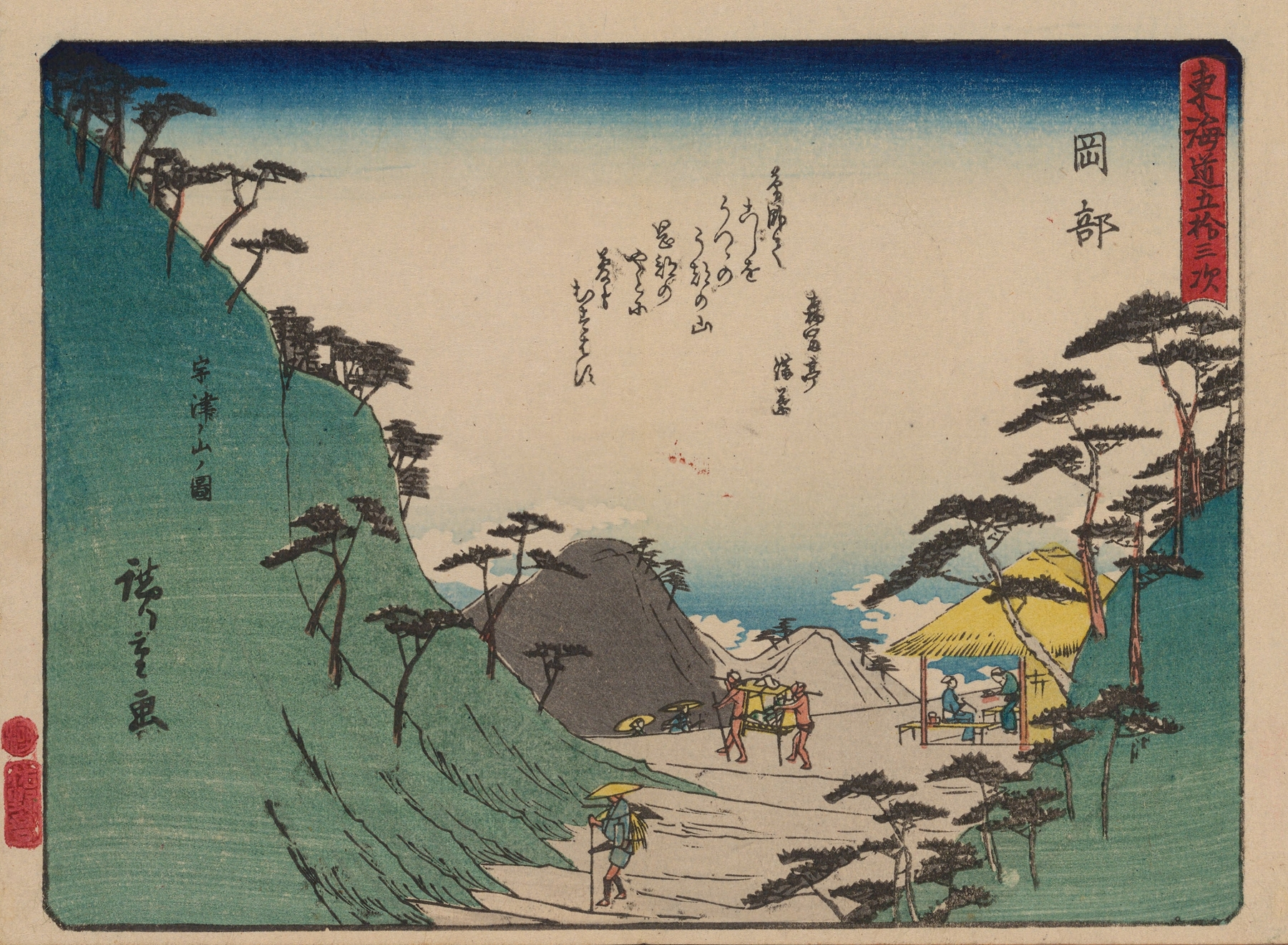
“Under the brush, chaos becomes grace.” This profound transformation reflects on the legacy of moments captured in time, where beauty emerges from the mundane and timeless paths of life intertwine with nature’s artistry. Begin your exploration of *Tokaido gojusantsugi, Pl.22* by looking closely at the intricate depiction of travelers along the renowned Tokaido road. Notice how the figures, delicately rendered against the vibrant backdrop, lead your gaze through the undulating landscape. The soft hues merge seamlessly, creating an atmosphere that balances tranquility and movement, while the precise arrangement of clouds above hints at an impending shift — both in nature and the journey ahead. As you delve deeper, observe the interplay between the figures and their environment. The travelers, small against the sweeping expanse, evoke a sense of humility and connection to the vast world around them. Contrasts abound: vibrant greens of the foliage against muted earth tones, and the stillness of the road juxtaposed with the busyness of life. This composition not only conveys a geographical journey but also speaks to the emotional passage of life, encapsulating fleeting moments of both solitude and companionship. In the late 19th century, during a period of significant change in Japan, Utagawa Hiroshige created this work amidst the decline of the Edo period and the rise of modernization. He painted scenes of the Tokaido during his time in Tokyo, reflecting a deep appreciation for traditional landscapes and the evolving identity of his country. Hiroshige's innovative use of color and perspective not only solidified his legacy but also inspired future generations of artists, forever intertwining his essence with the very fabric of Japanese culture.