Vallende man wordt opgevangen door engel met scapulier — History & Analysis
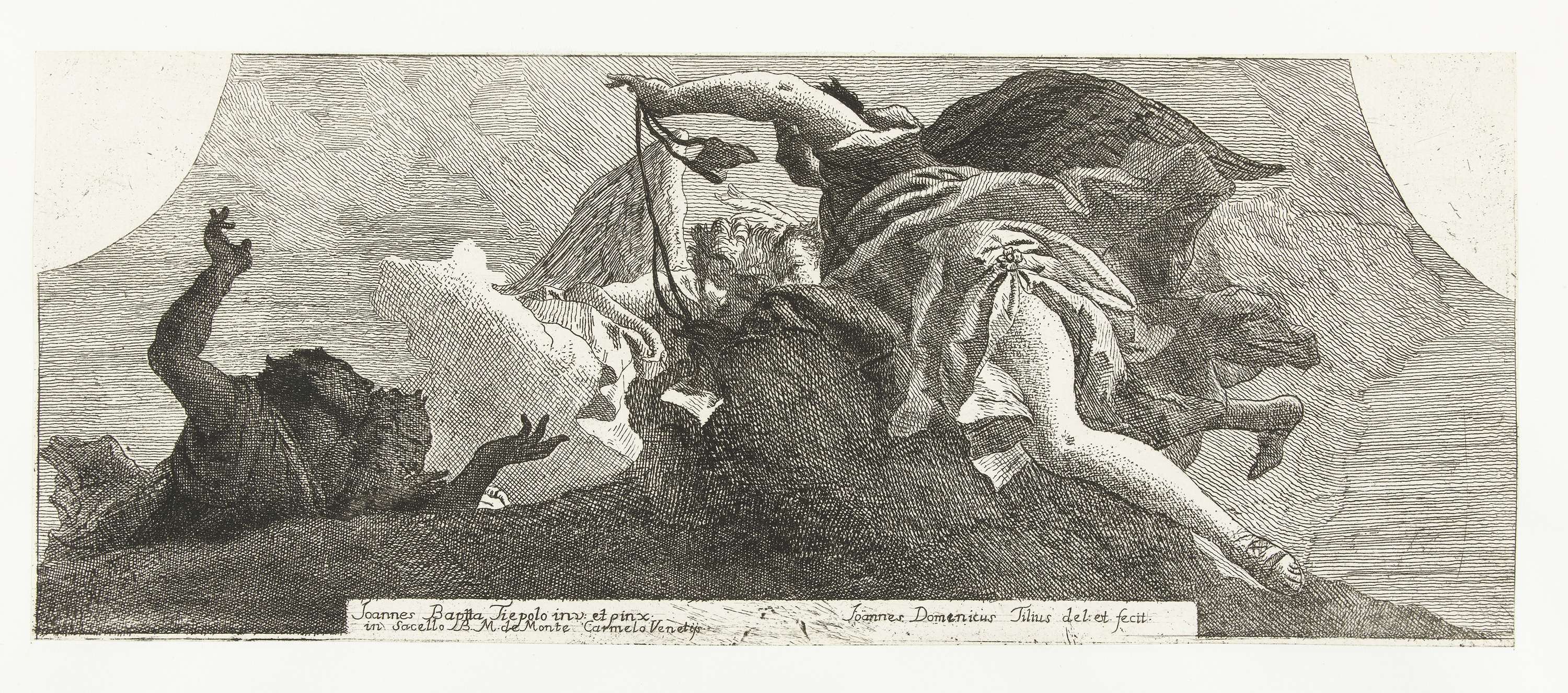
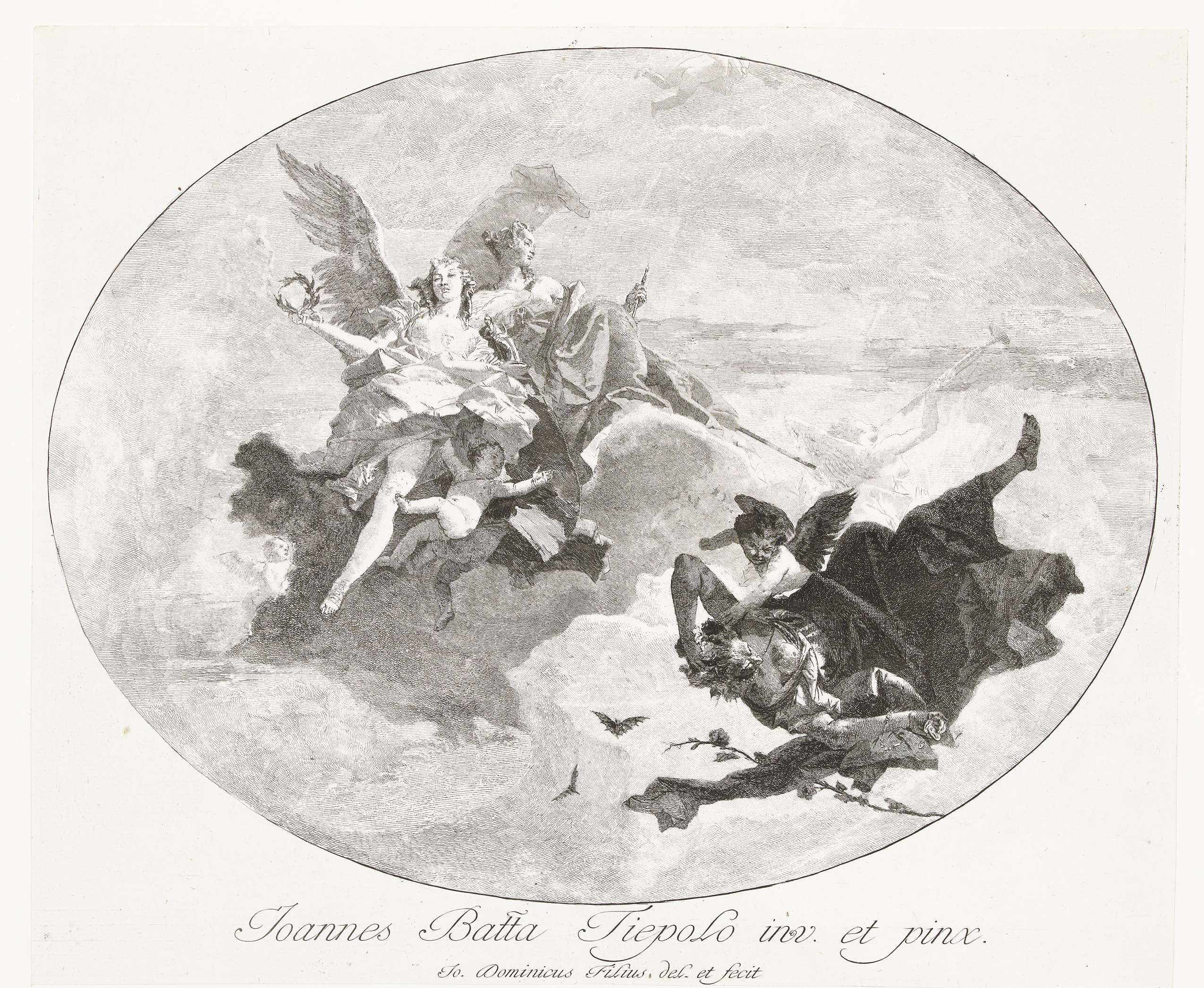
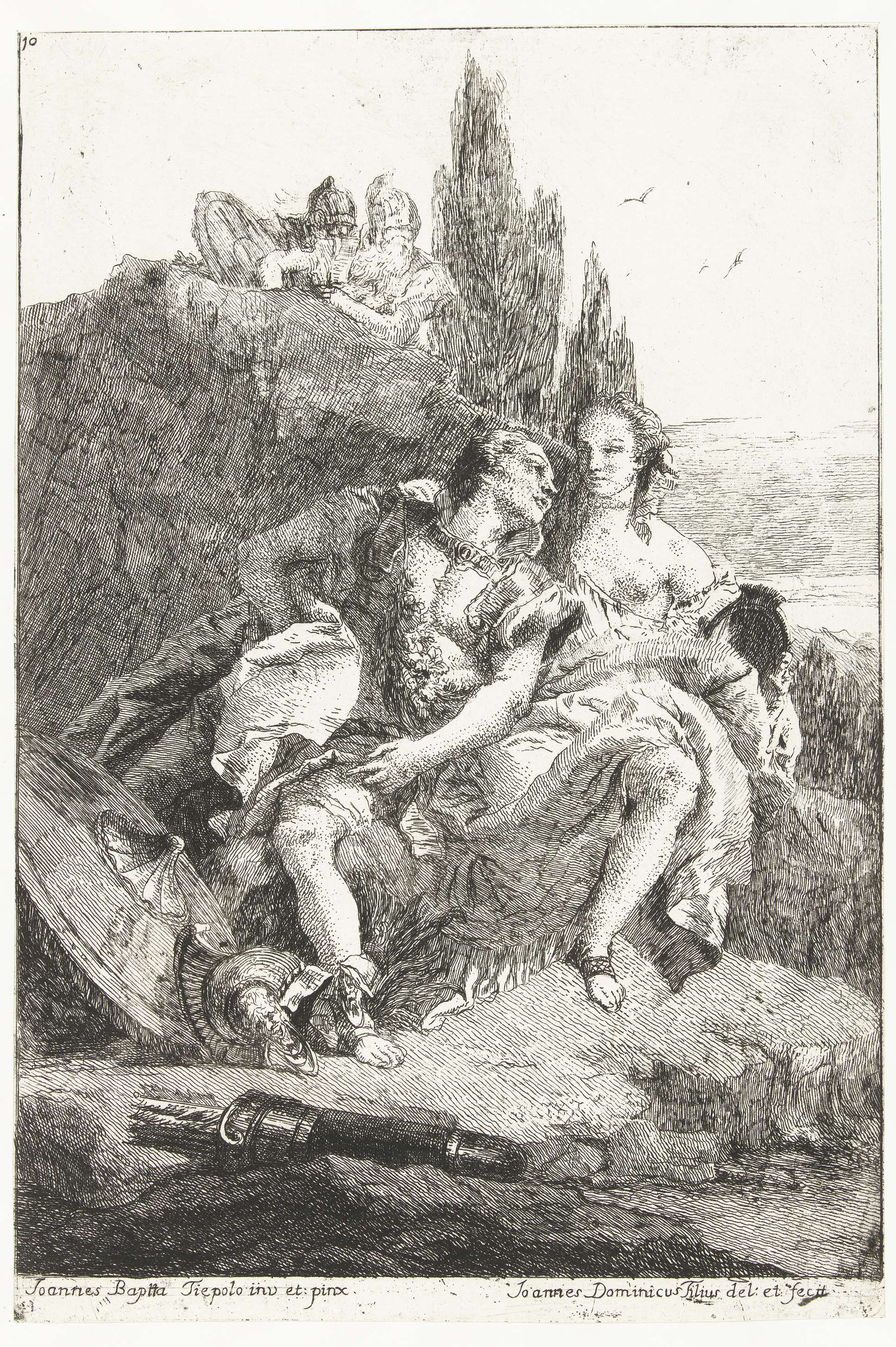
Is this a mirror — or a memory? The ethereal embrace between the celestial and the earthly invites us into a realm that balances on the edge of dream and reality. Look to the left where a radiant angel extends her arms, her expression a mix of compassion and authority. The gentle hues of her robe, merging blues and whites, contrast with the dark, troubled figure of the falling man on the right, whose despair is palpable. The angel’s hand, delicately adorned with a scapular, draws the eye and signifies both protection and salvation in this moment of crisis.
The soft interplay of light across the figures heightens the tension, suggesting an unspoken dialogue between fate and free will. Beneath the surface of this dramatic scene lies a profound exploration of hope and redemption. The juxtaposition of the angel’s serene grace against the man’s chaos raises questions about faith in moments of vulnerability. The faint halo around the angel not only signifies her divine nature but also represents the thin veil between dream and consciousness; a reminder that in our darkest hours, guidance may come from unexpected places.
The softness of the angel's features further illustrates the notion of mercy, suggesting that even in despair, solace is within reach. Created between 1742 and 1746, this work came from a period when Giovanni Domenico Tiepolo was deeply influenced by both the vibrant artistic climate of Venice and the religious fervor of his time. Tiepolo was exploring themes of spirituality and the human condition, reflecting a world grappling with enlightenment ideals while still tethered to traditional beliefs. This piece encapsulates both personal and collective struggles, revealing the artist’s ability to weave narrative and meaning into his intricate compositions.