Venice, Grand Canal — History & Analysis
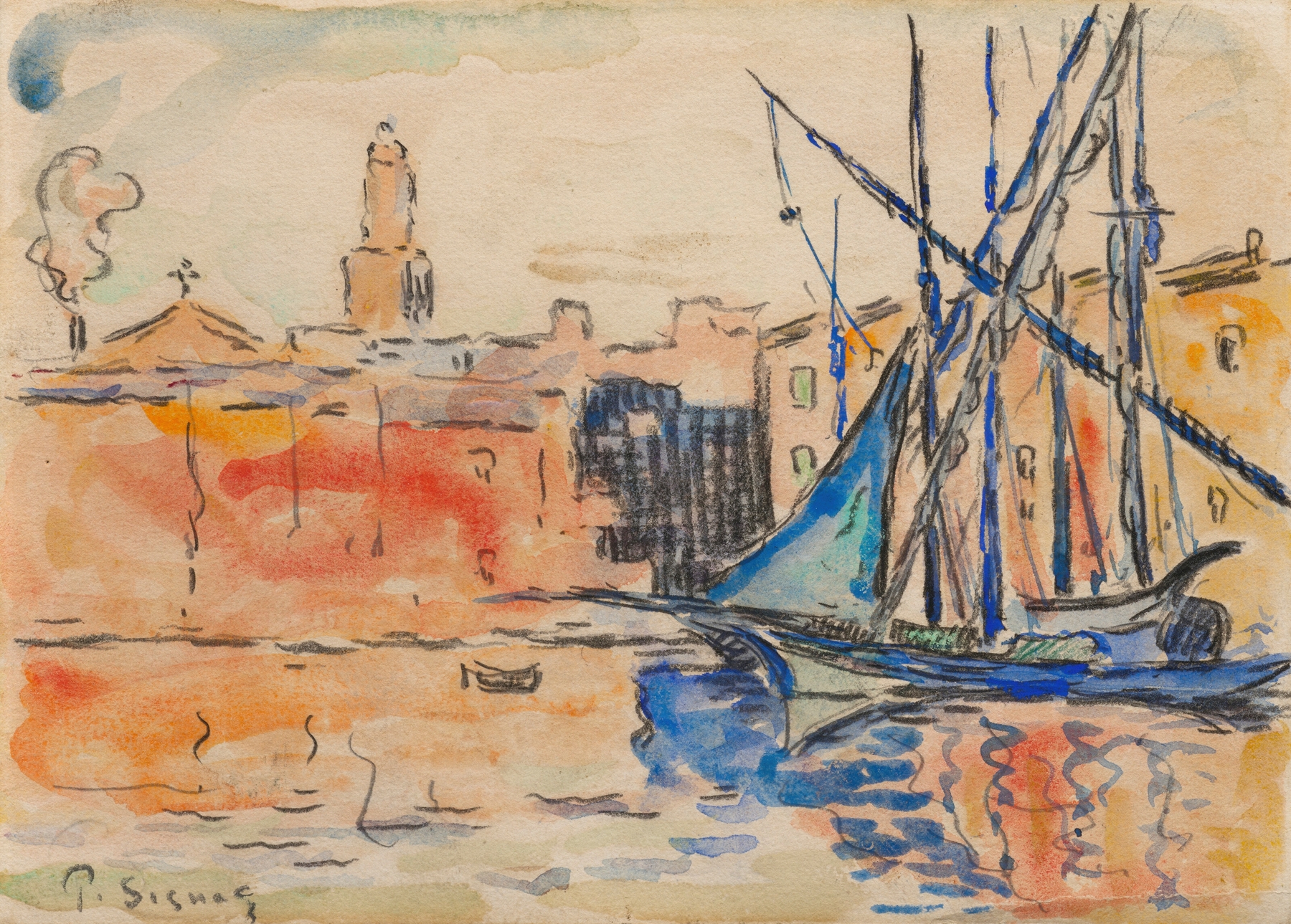
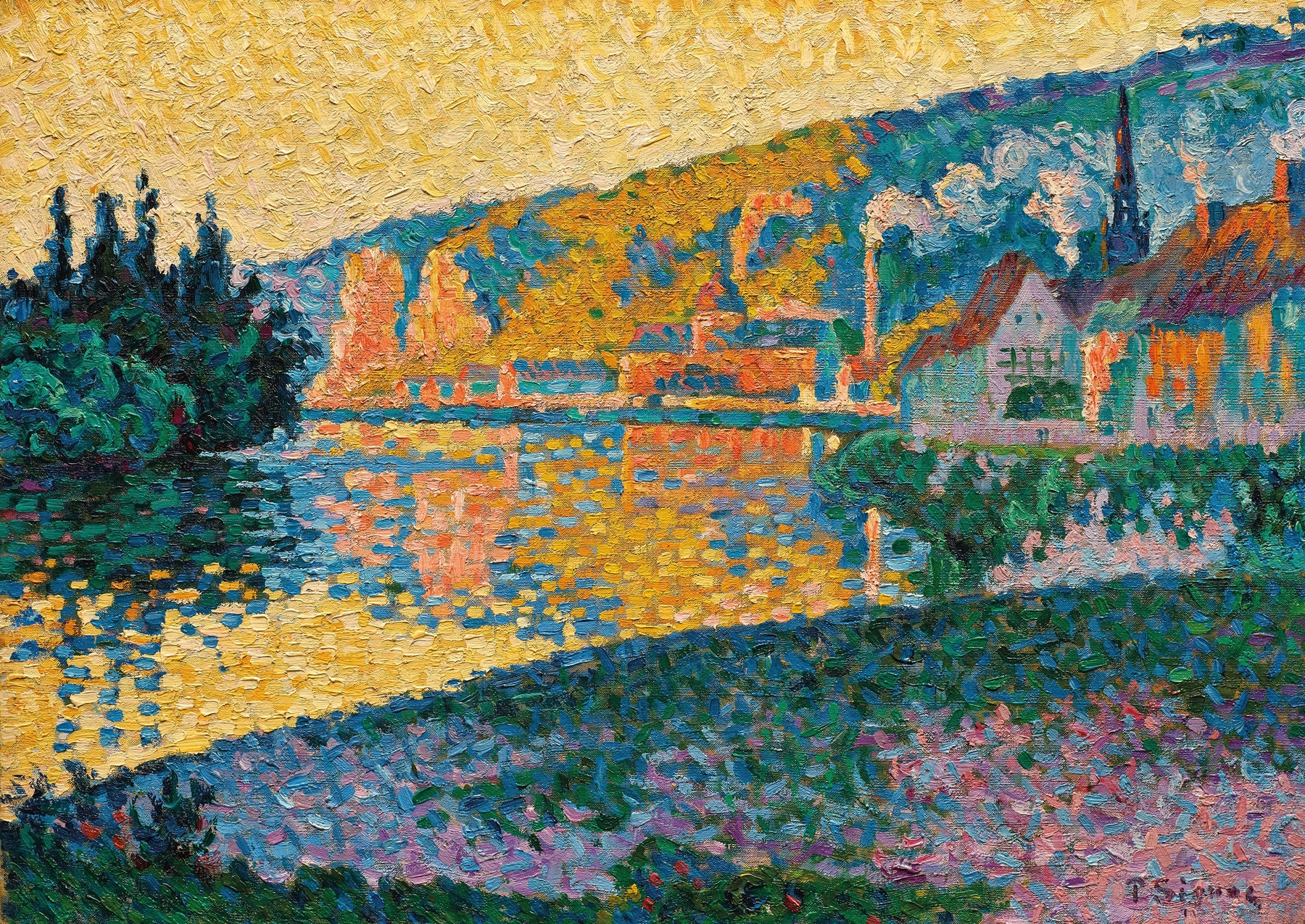
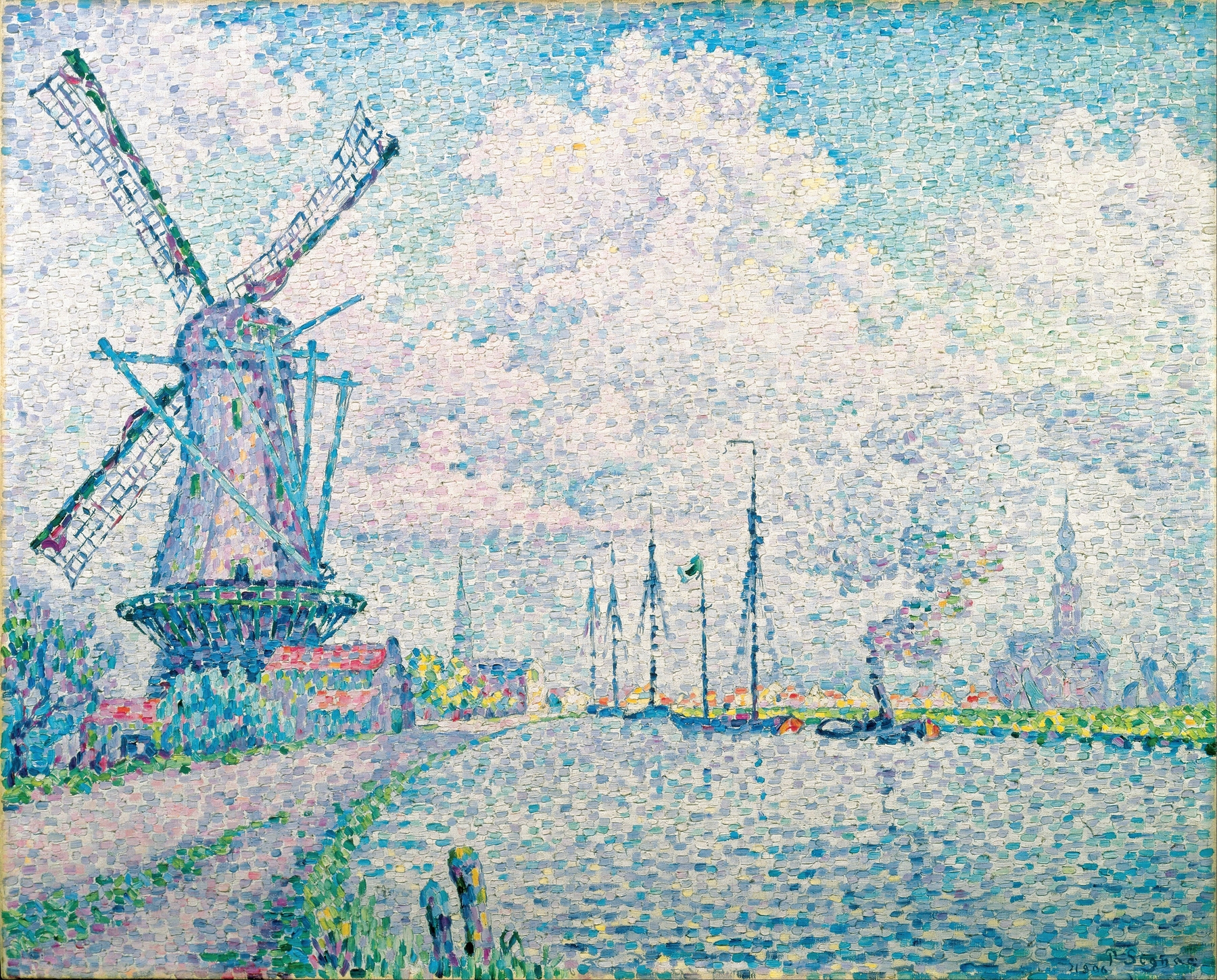
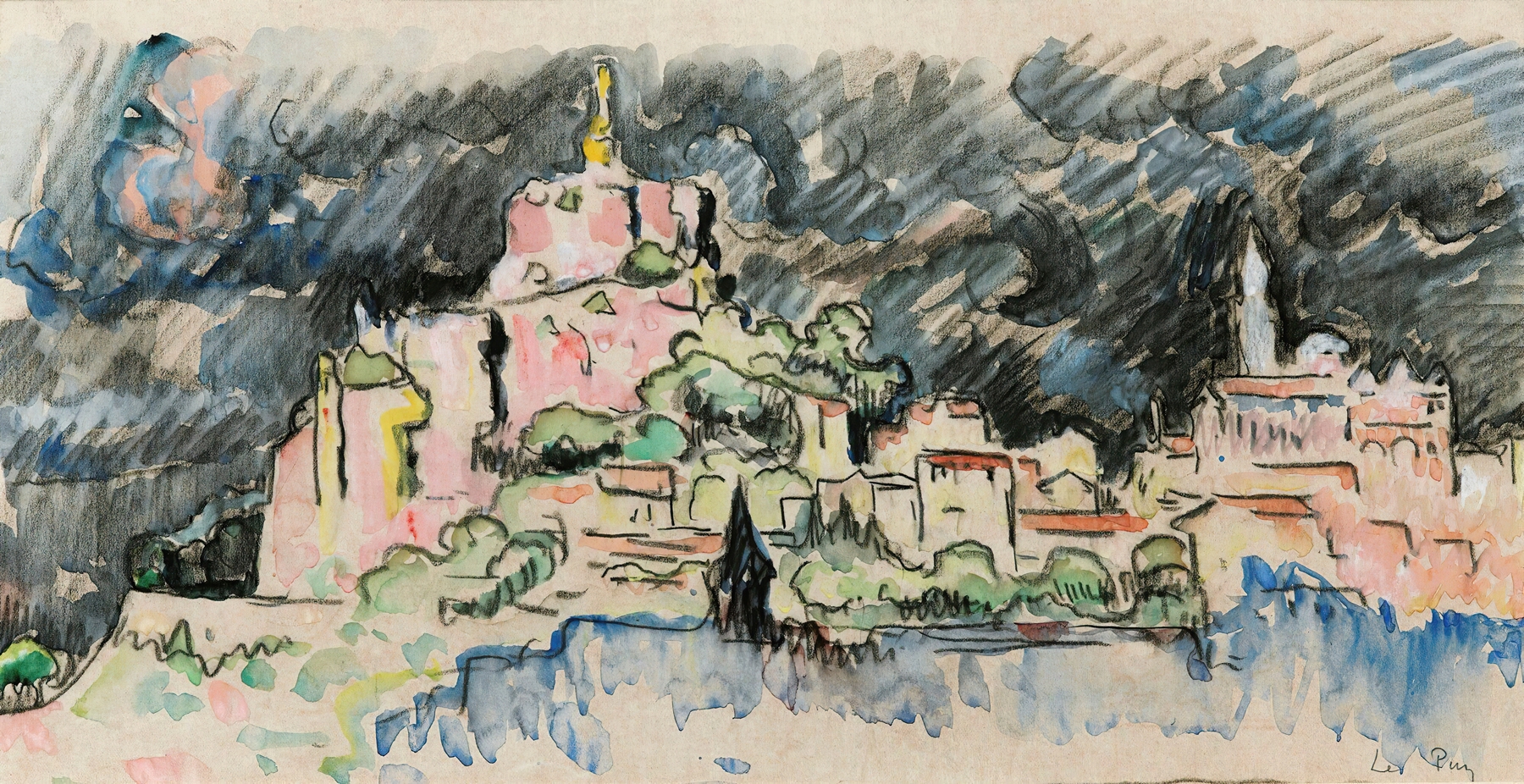
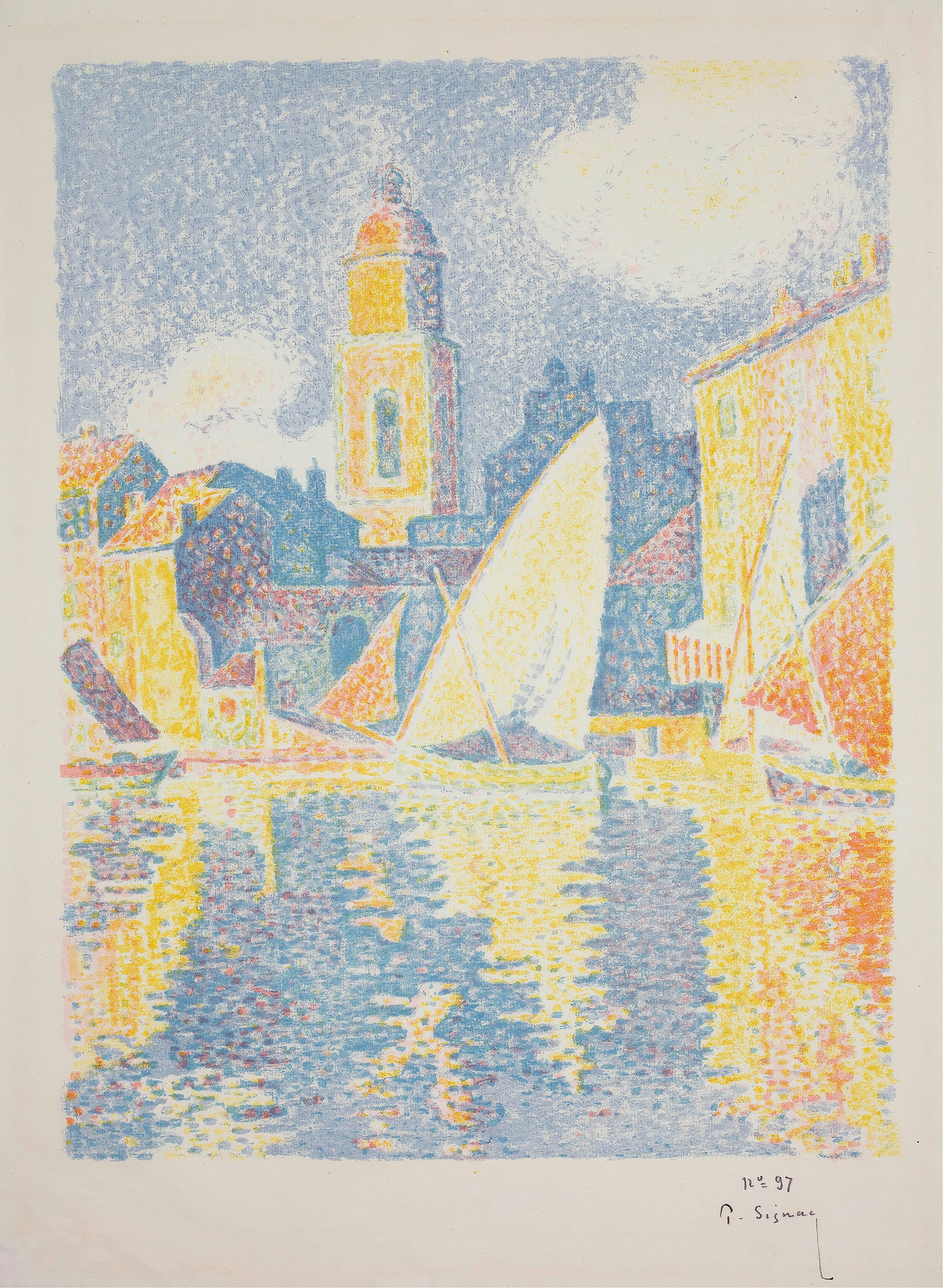
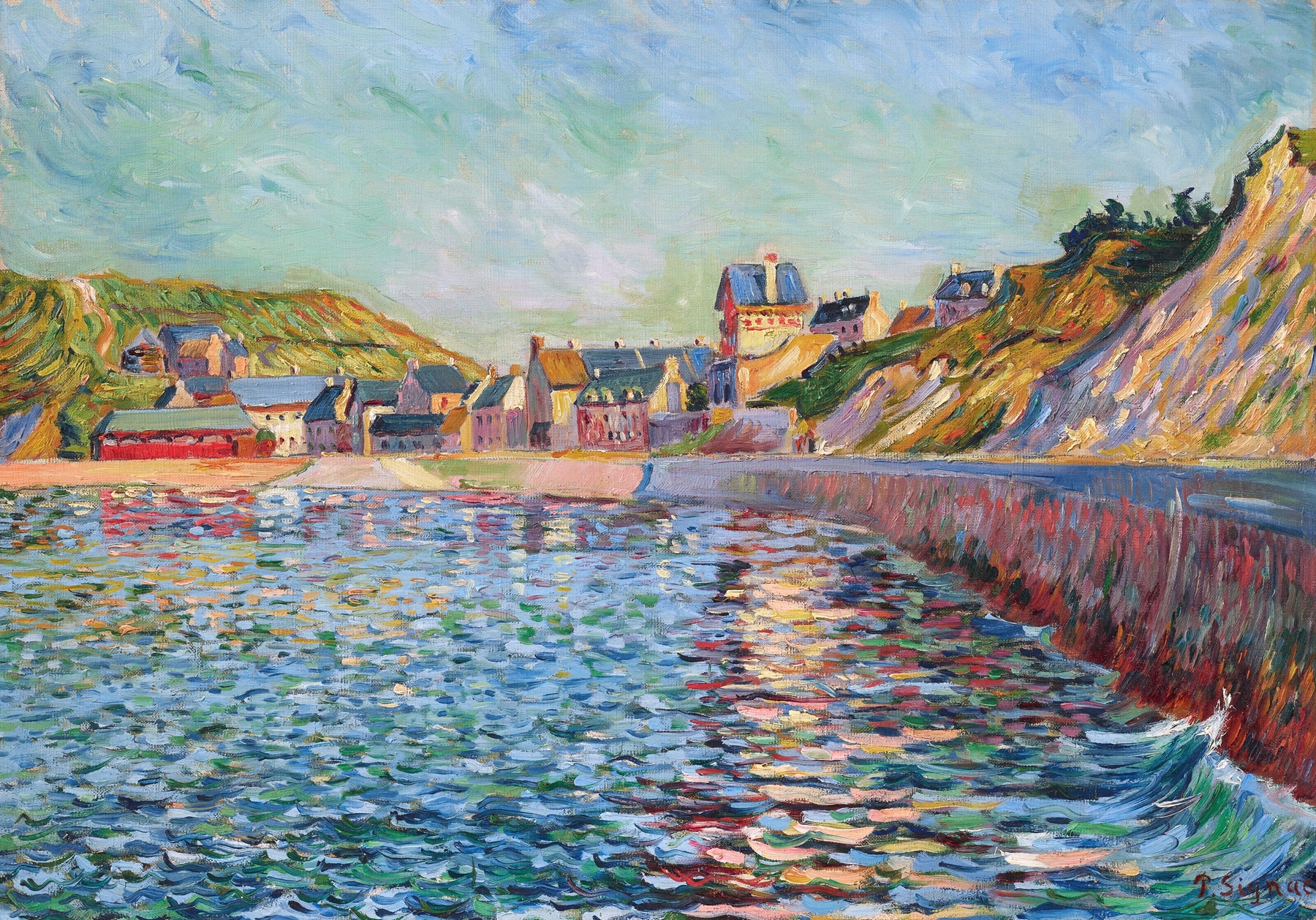
What if beauty was never meant to be finished? In that fleeting, shimmering moment, a desire lingers, whispering of a world caught between the brushstrokes of time. Look closely at the vibrant strokes that dance across the canvas, drawing your attention first to the bold blues and greens of the Grand Canal. Notice how the dappled light reflects off the water, creating a kaleidoscope of color that entices the eye. The boats bob gently, each rendered with a rhythm that suggests movement, while the buildings behind them form a harmonious backdrop, their facades glowing with yellows and oranges that radiate warmth.
This interplay of color and light not only captures the essence of Venice but evokes an emotional tapestry that stirs the spirit. As you explore further, subtle contrasts emerge. The tranquility of the canal belies the bustling life that surrounds it, hinting at a deeper yearning for serenity amidst chaos. Each brushstroke carries an urgency, suggesting that this beauty is transient, a moment preserved yet perpetually out of reach.
The delicate balance between the static architecture and the flowing water underscores a longing for connection, for experiences that are as ephemeral as the light itself. In 1904, the artist was deeply engaged with the burgeoning movement of Pointillism, painting this masterpiece in the vibrant heart of Venice during a time when the city was a magnet for artists seeking inspiration. Signac, captivated by the city's unique interplay of light and water, was exploring techniques that would challenge traditional representation, marking a significant period of innovation in his artistic journey. This painting not only reflects his personal exploration but also embodies the collective desire of artists in that era to capture the essence of beauty and time.