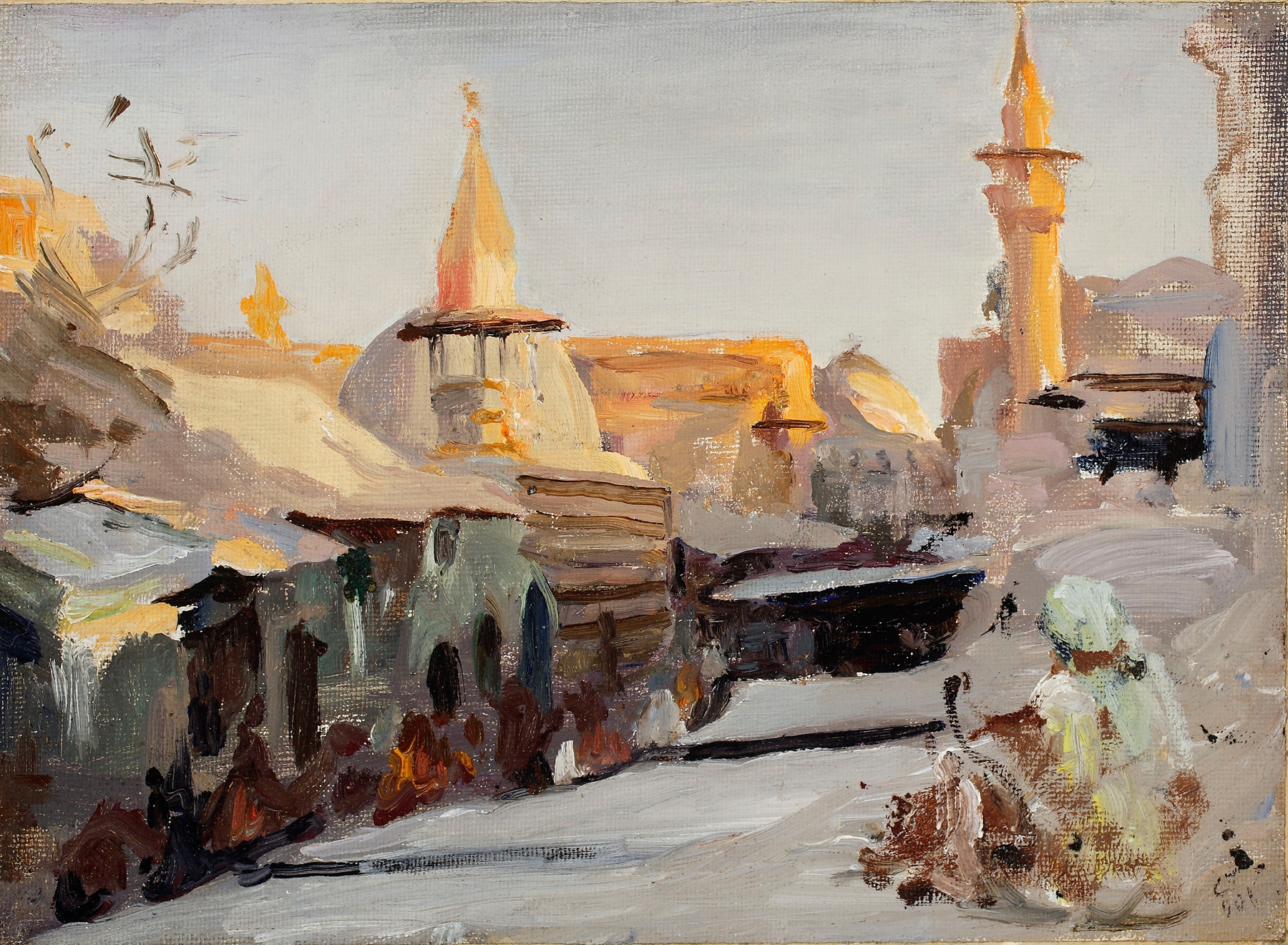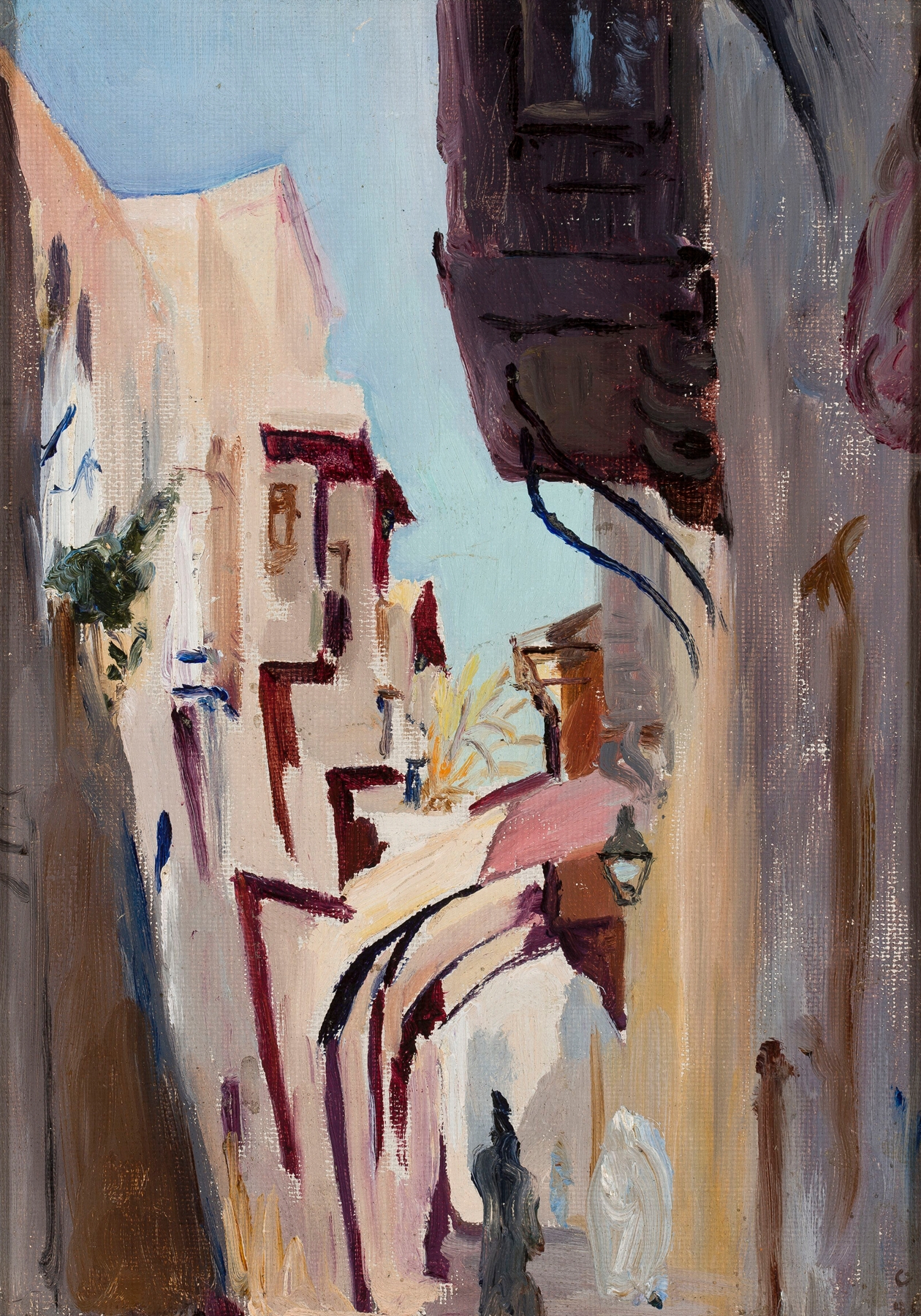
Via Dolorosa in Jerusalem. From the journey to Palestine — History & Analysis
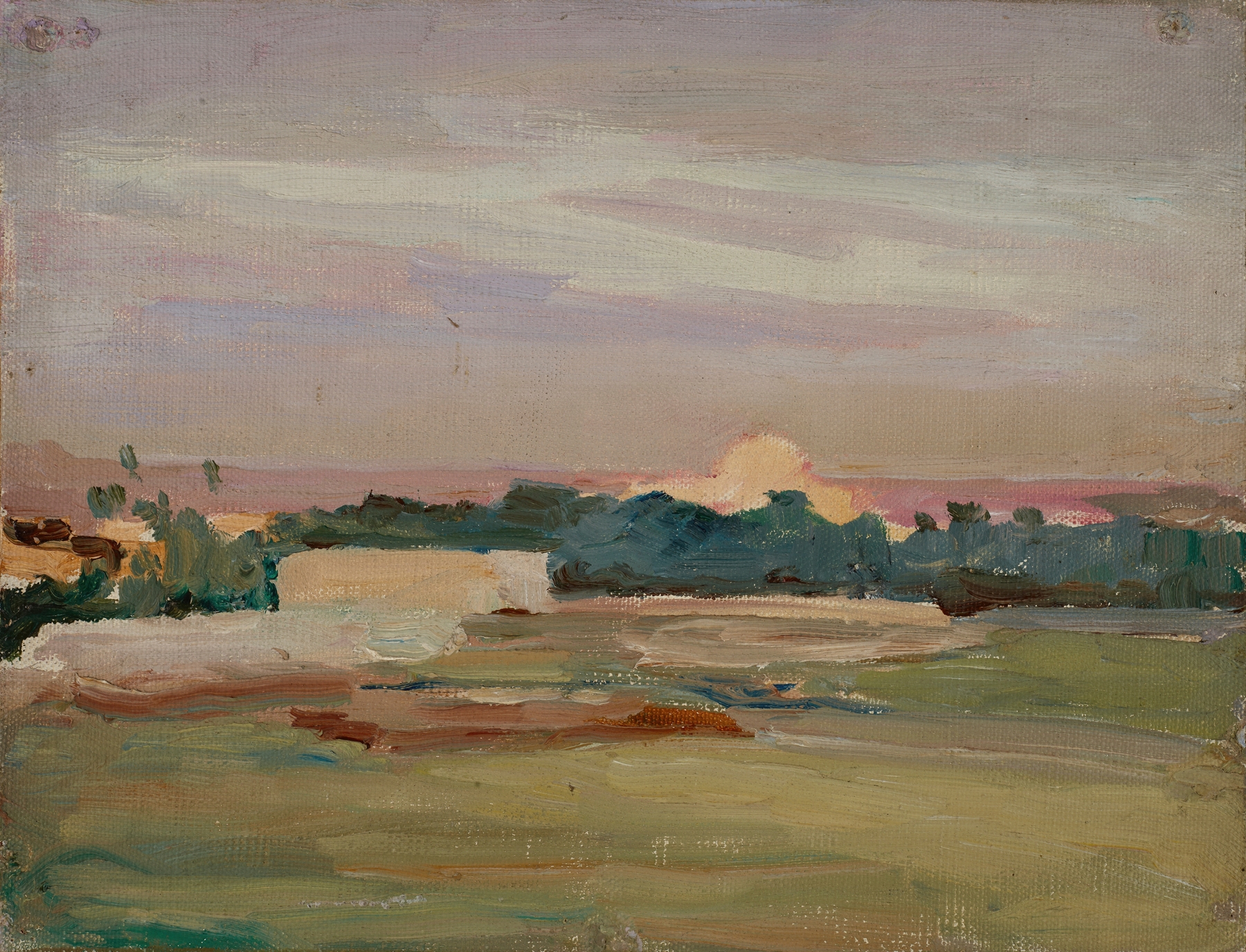
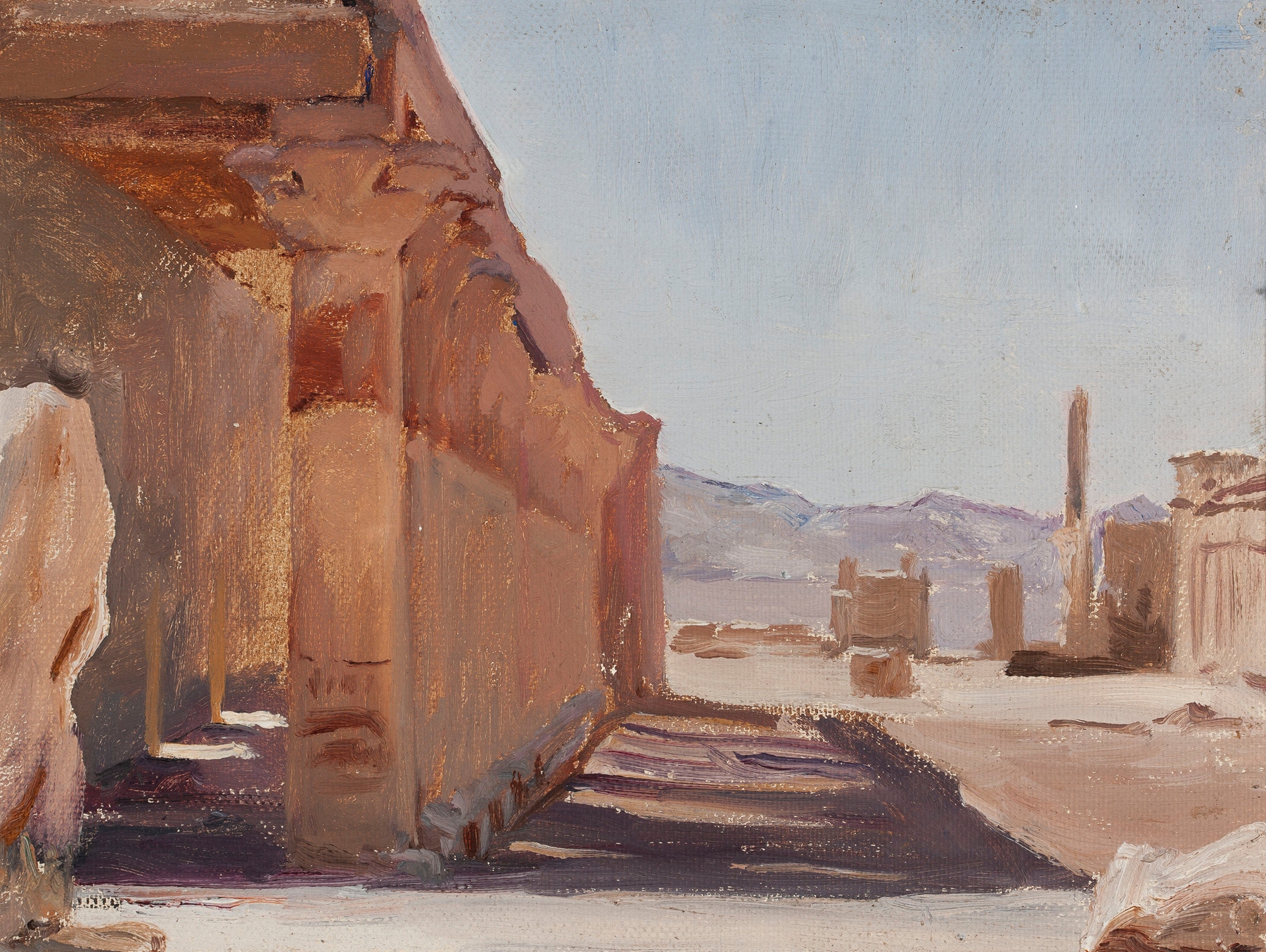
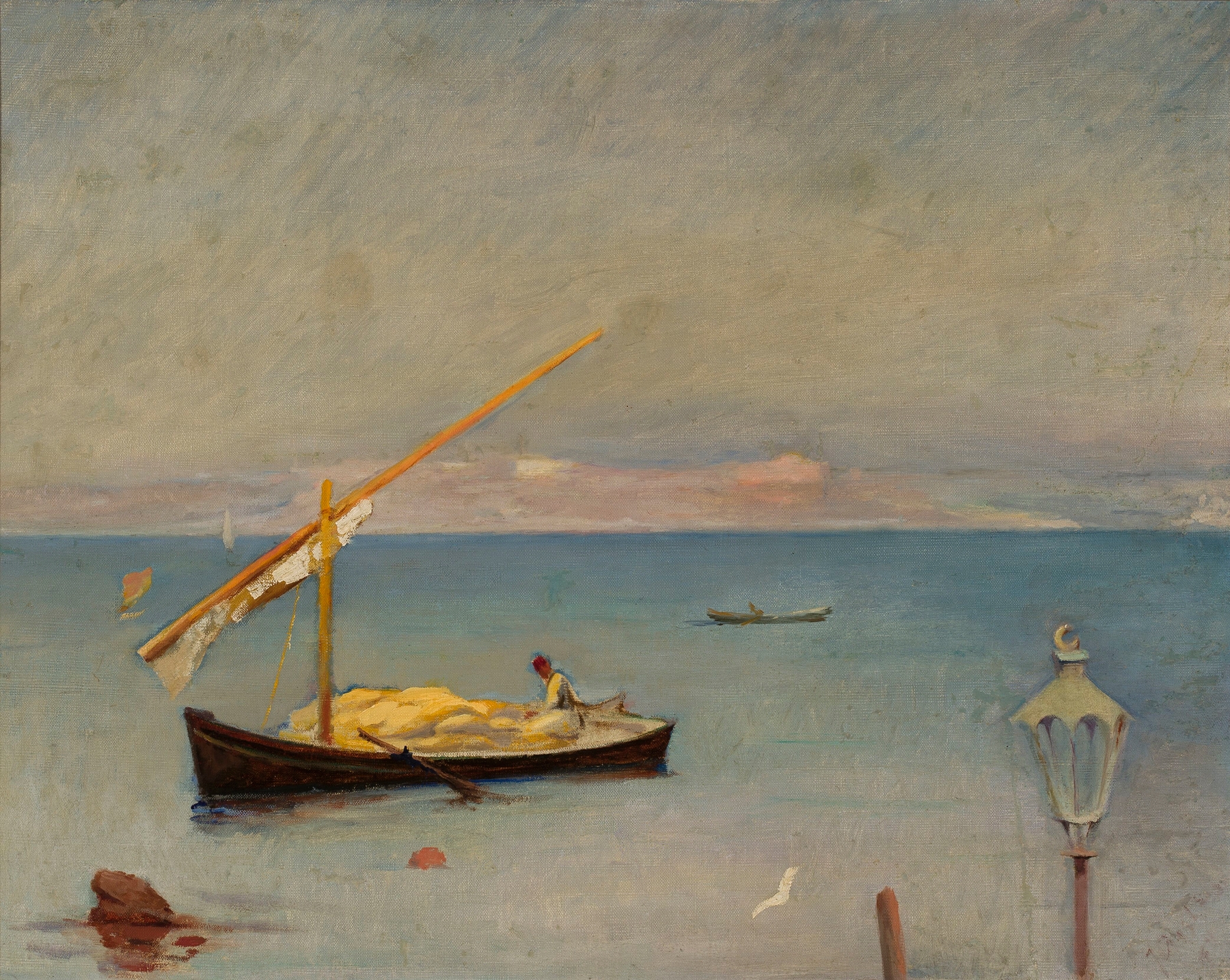
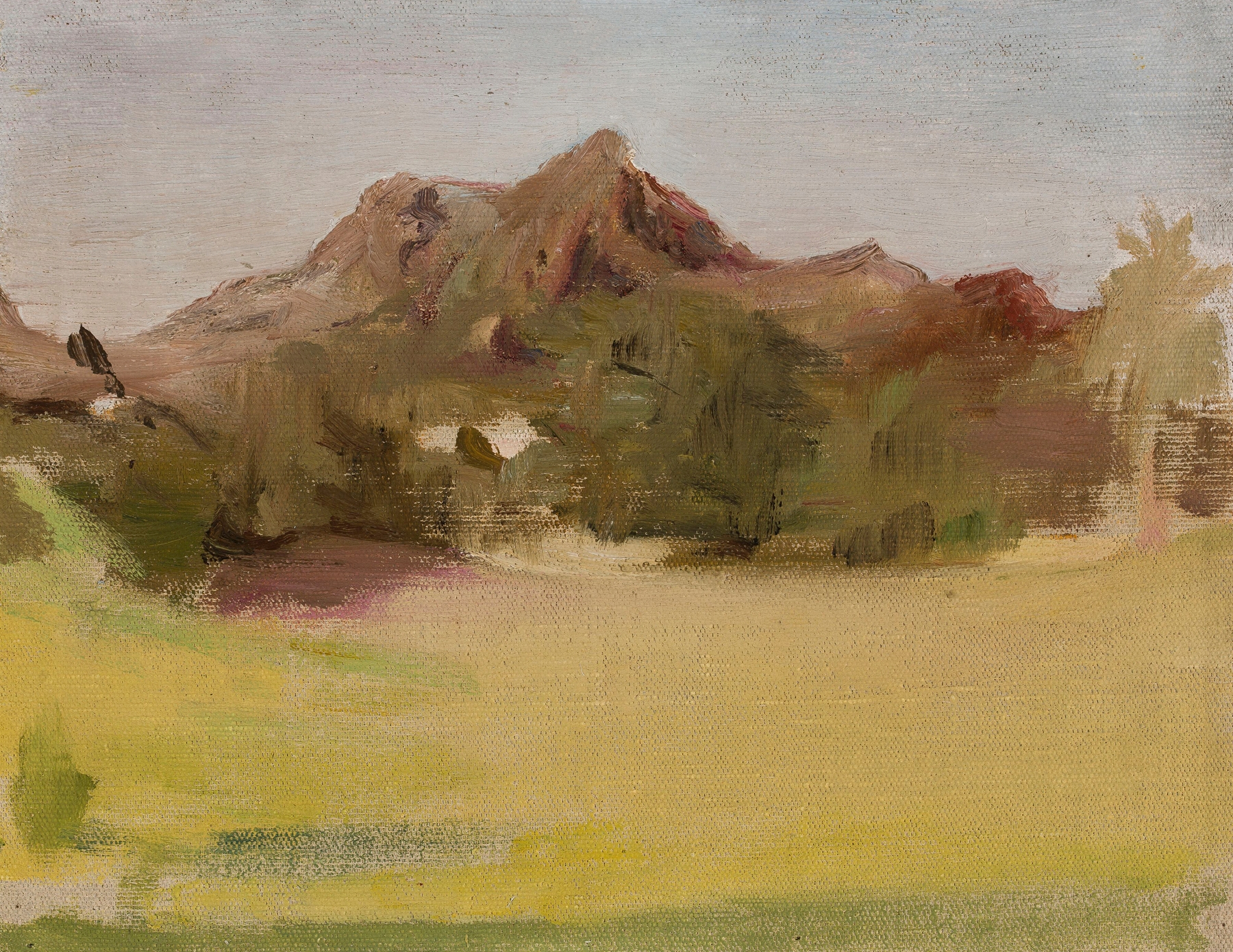
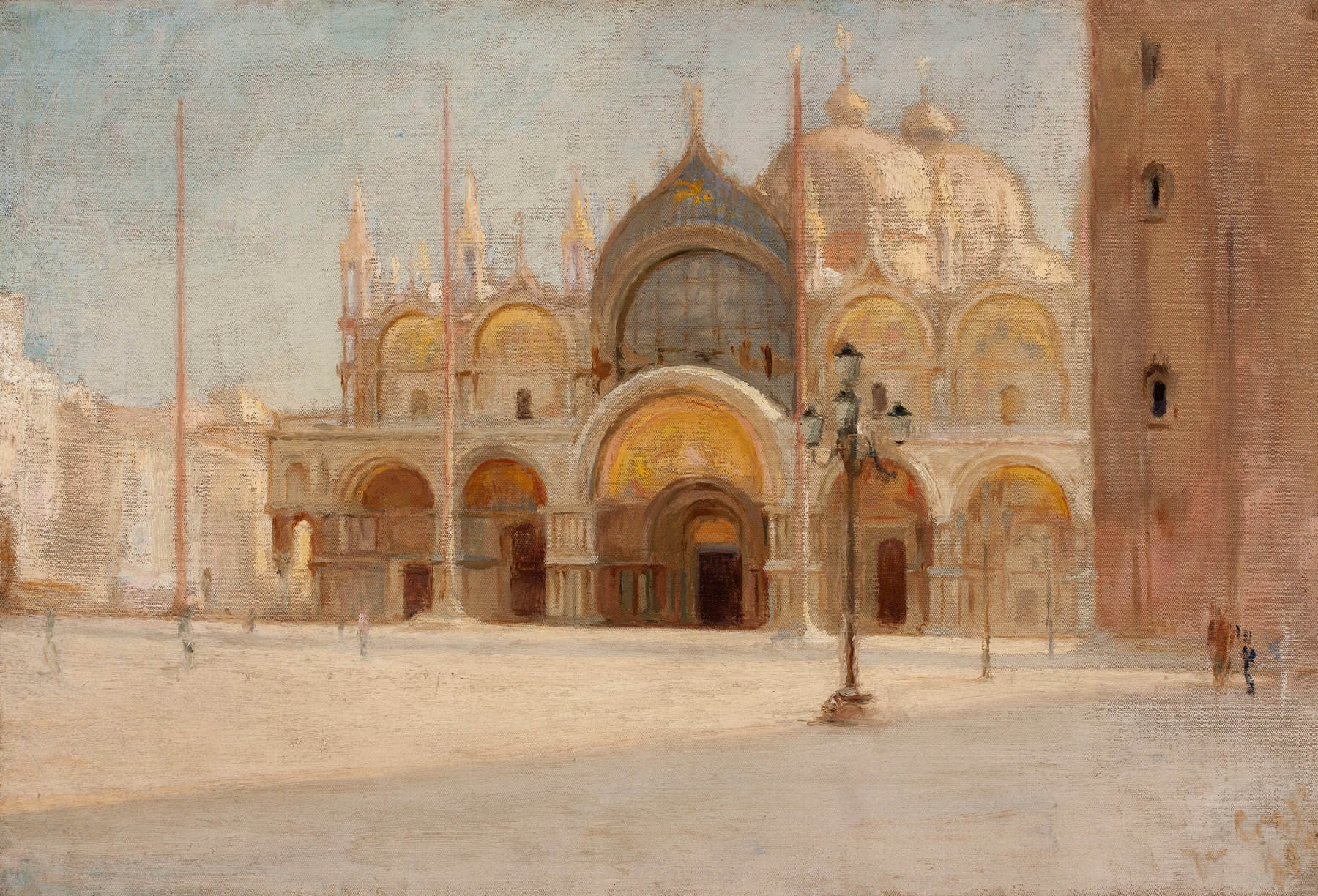
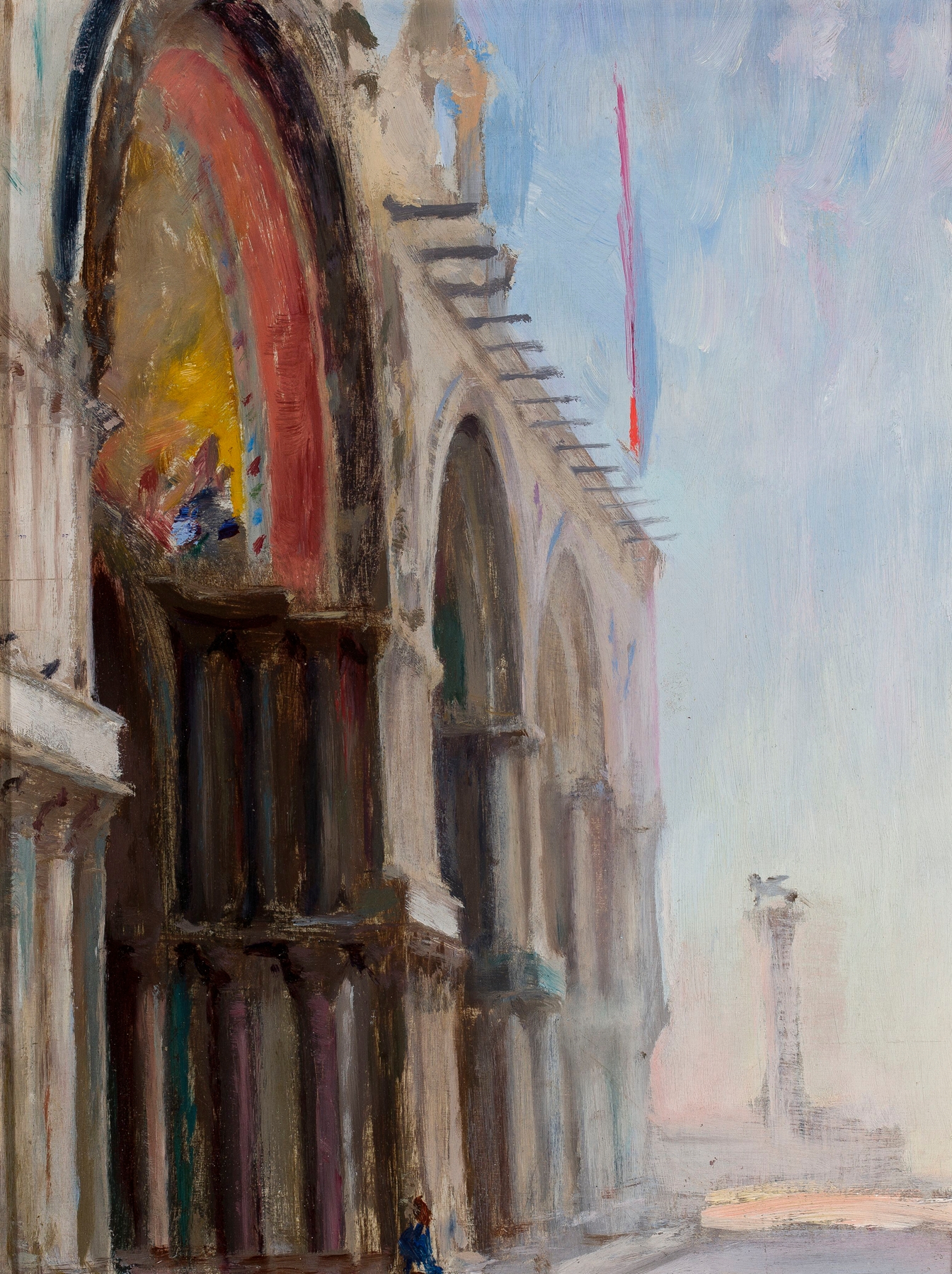
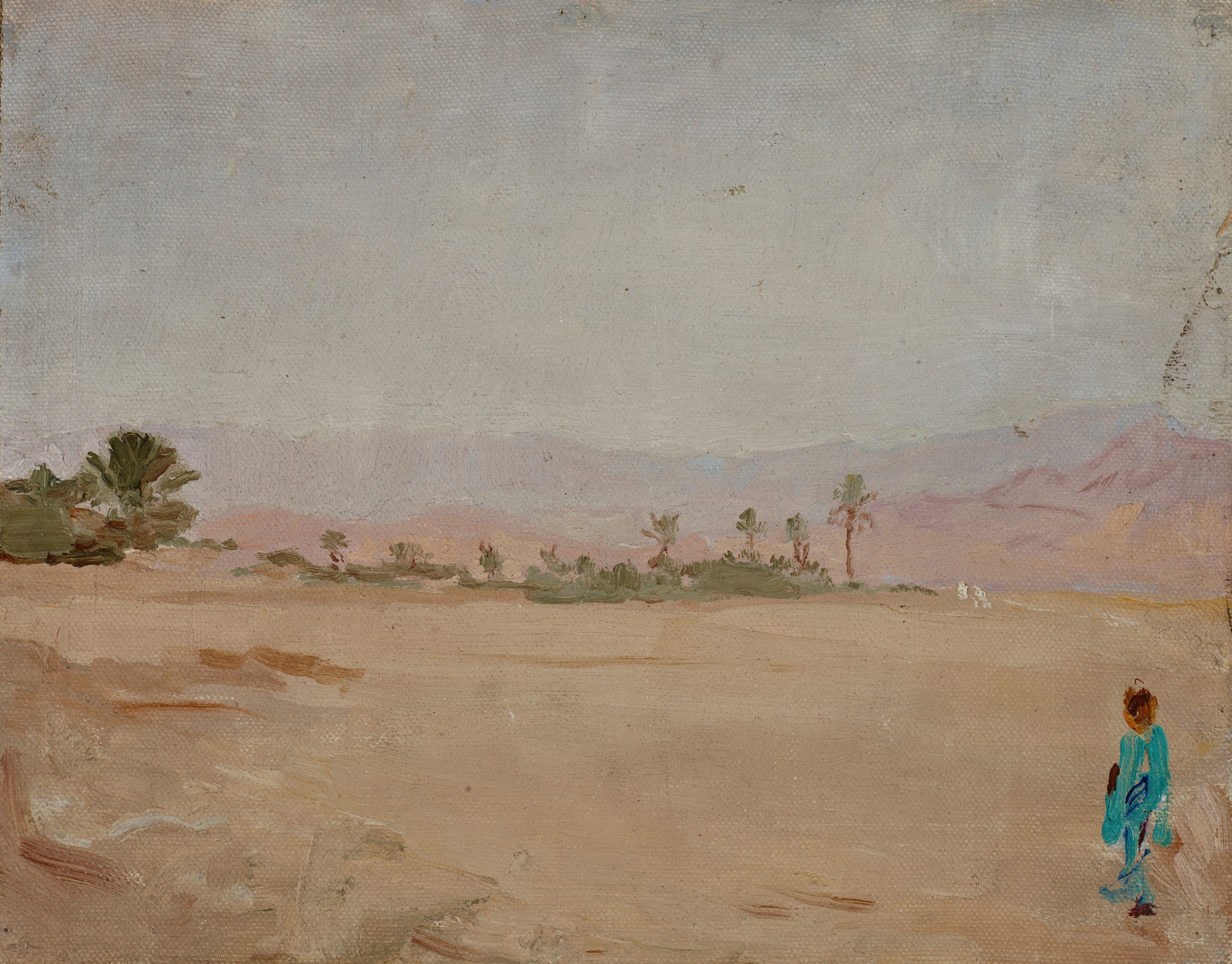
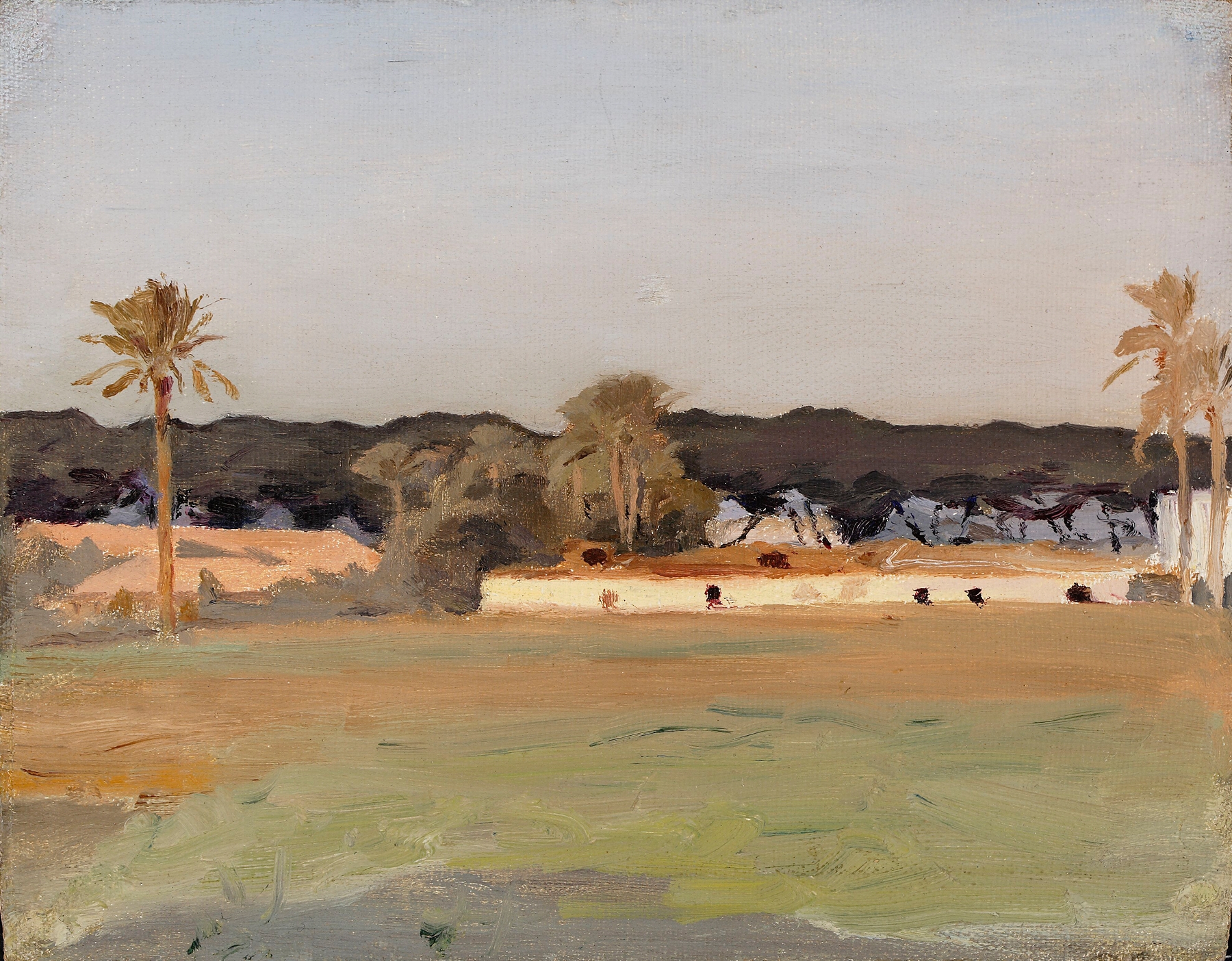
Who listens when art speaks of silence? The haunting emptiness in this painting beckons introspection, inviting viewers to confront their own presence amid the void. Look to the center, where a solitary figure draped in muted tones moves through a desolate landscape. The artist employs a palette of soft browns and grays, creating an atmosphere thick with melancholy. Notice how the gentle strokes of the brush mimic the shifting sands beneath the feet of the traveler, while the barren horizon seems to stretch into infinity, reinforcing a sense of solitude. Here, every detail is intentional, from the somber expression on the figure’s face to the distant ruins that loom like memories of forgotten stories. In this artwork, the tension between movement and stillness echoes with emotional weight. The journey depicted is not just physical but also spiritual, as the figure seems to grapple with their own existence amidst the vast emptiness of the landscape. The contrast between the traveler and the desolation elevates the scene, raising questions about faith, perseverance, and what it means to navigate one’s own path through life’s hardships. This painting encourages us to ponder the silence that often accompanies profound experiences and the stories left untold. In 1901, Ciągliński was immersed in the exploration of religious themes and landscapes that conveyed deep emotional resonance. Living in Paris, he took inspiration from his travels to Palestine, where the spiritual and historical significance of the locations infused his work with complexity. This piece reflects the broader trends of the time, where artists sought to capture the inner lives of their subjects, transcending mere representation to delve into the essence of human experience.