View Of Jerusalem From The Mount Of Olives — History & Analysis
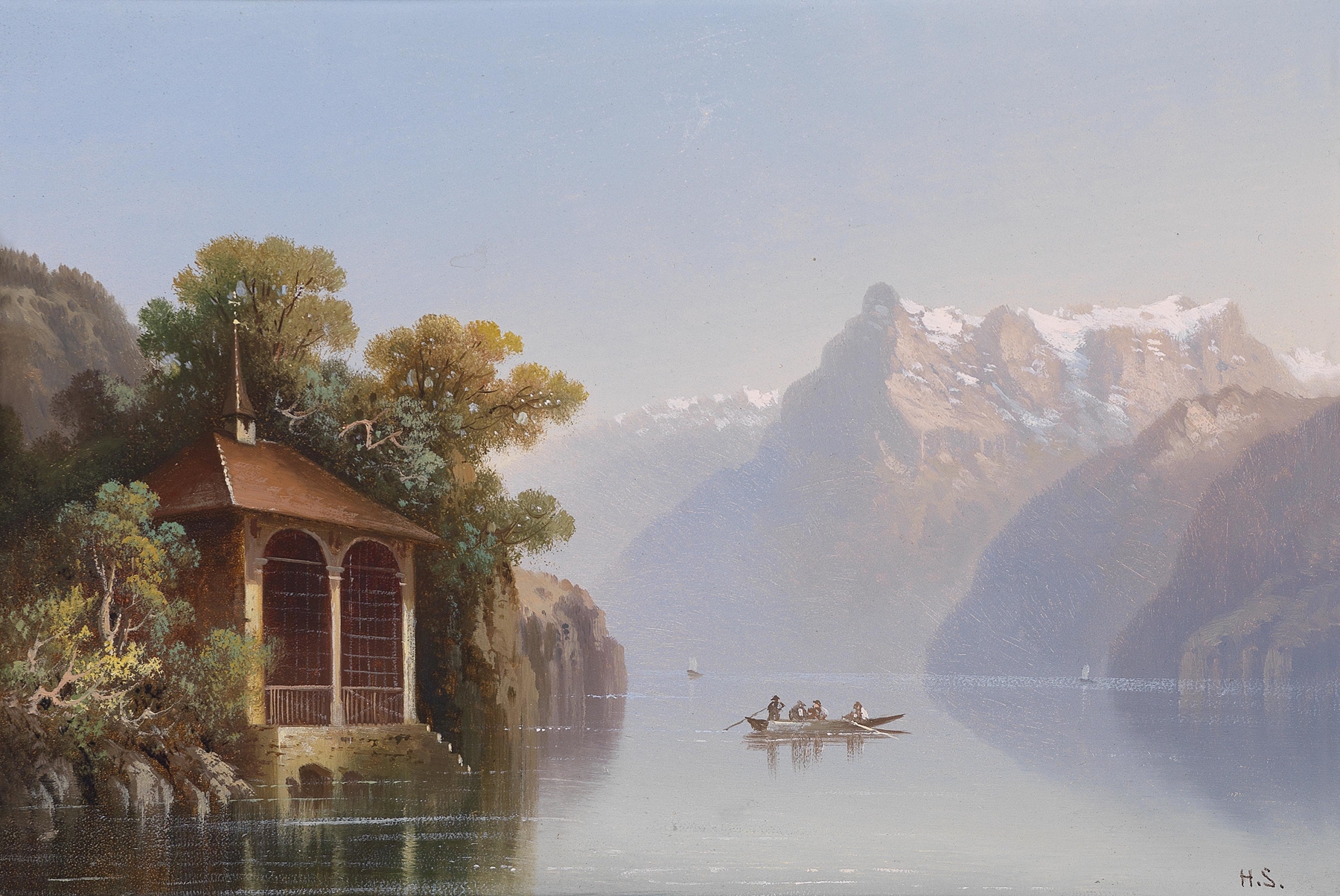
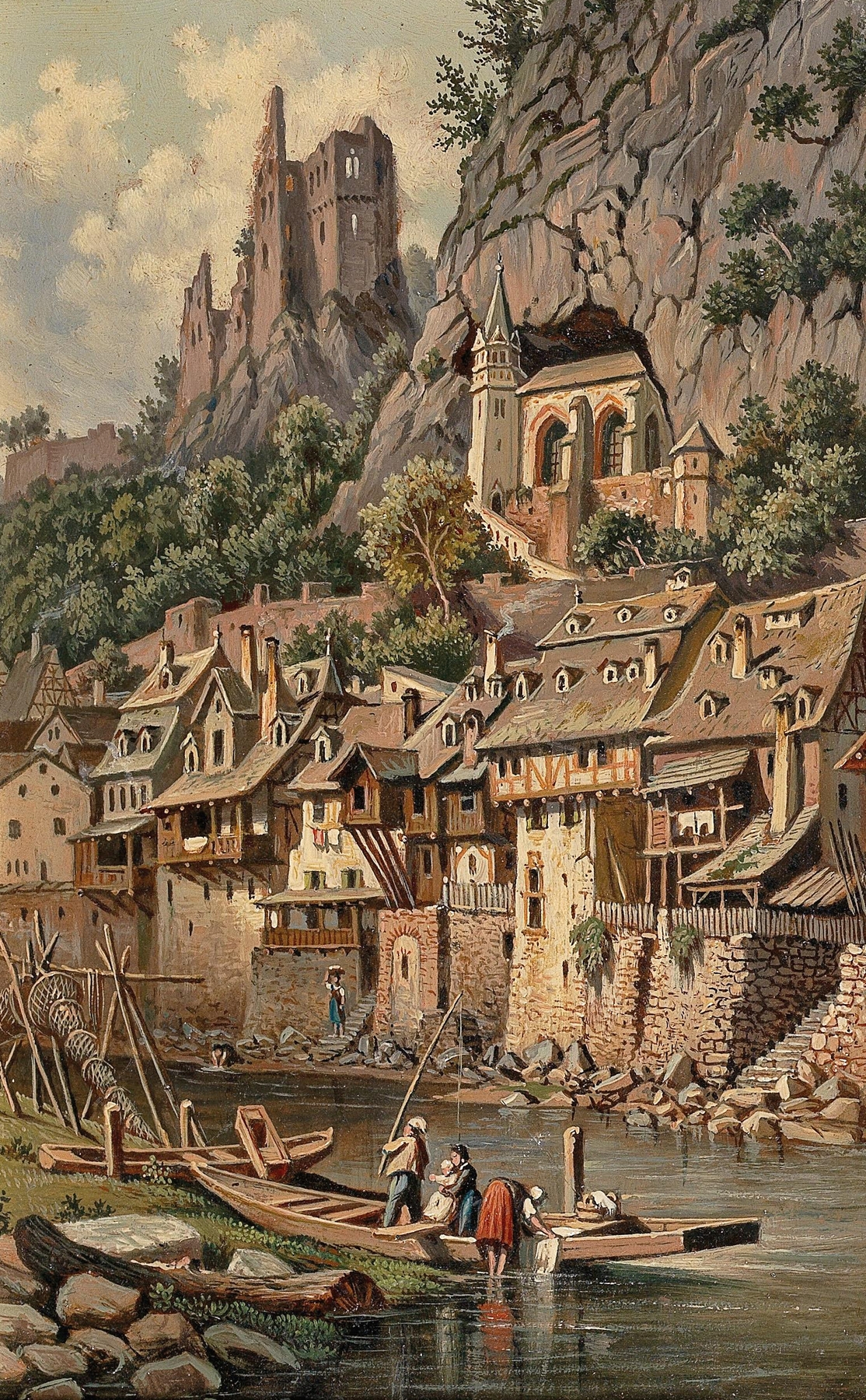
Could beauty survive in a century of chaos? In View Of Jerusalem From The Mount Of Olives, the landscape unfolds with a solemn grace, inviting viewers to contemplate the serene yet haunting beauty of a city burdened with history. Look to the horizon where the sun sets behind the ancient stones of Jerusalem, casting a golden hue that bathes the rooftops in warmth. The foreground captivates with delicate brushwork in the olive trees, their gnarled branches a testament to resilience.
Notice how the soft gradation of colors—from ochre to deepening blues—creates a profound sense of depth, drawing the eye towards the intricate silhouettes of the cityscape, where domes and minarets punctuate the skyline. Within this tranquil vista lies an undercurrent of loneliness. The expansive sky looms over the city like an indifferent witness to its many tribulations, while the solitary trees whisper stories of solitude amidst the chorus of history. Each architectural element, from the walls to the towers, carries the weight of eroded dreams and unfulfilled promises, a poignant reminder of the fragility of beauty in a world fraught with turmoil.
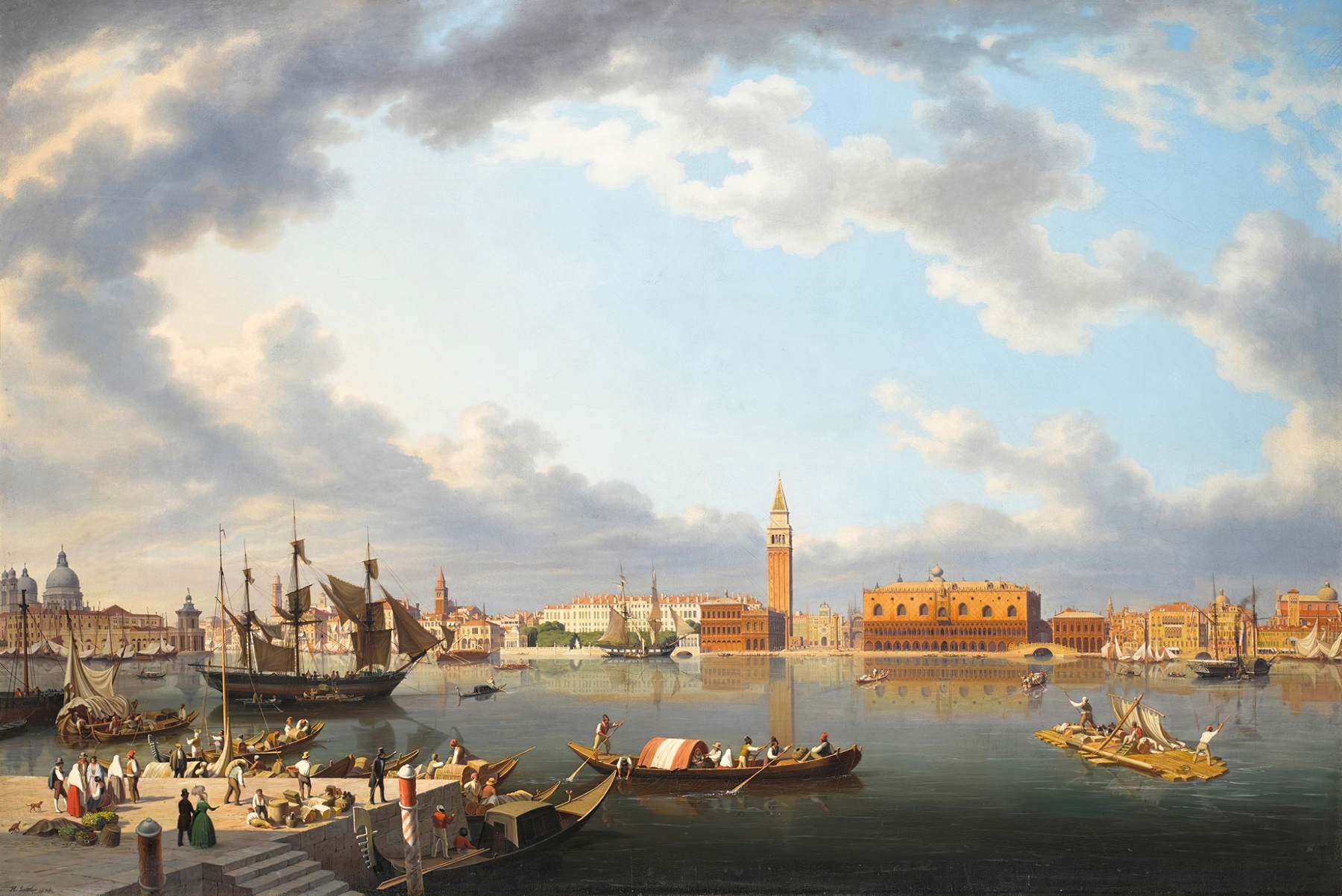
Hubert Sattler painted this work in 1847 while living in Vienna, a time when Europe was rife with political upheaval and societal change. His travels to the Holy Land coincided with a growing fascination among artists and intellectuals with Orientalism, influenced by the romantic ideals of exploration and the search for lost beauty. This piece serves not only as a landscape but also as a reflection of a tumultuous era, capturing the complexity of both place and emotion.