Printemps au bord du Loing — History & Analysis
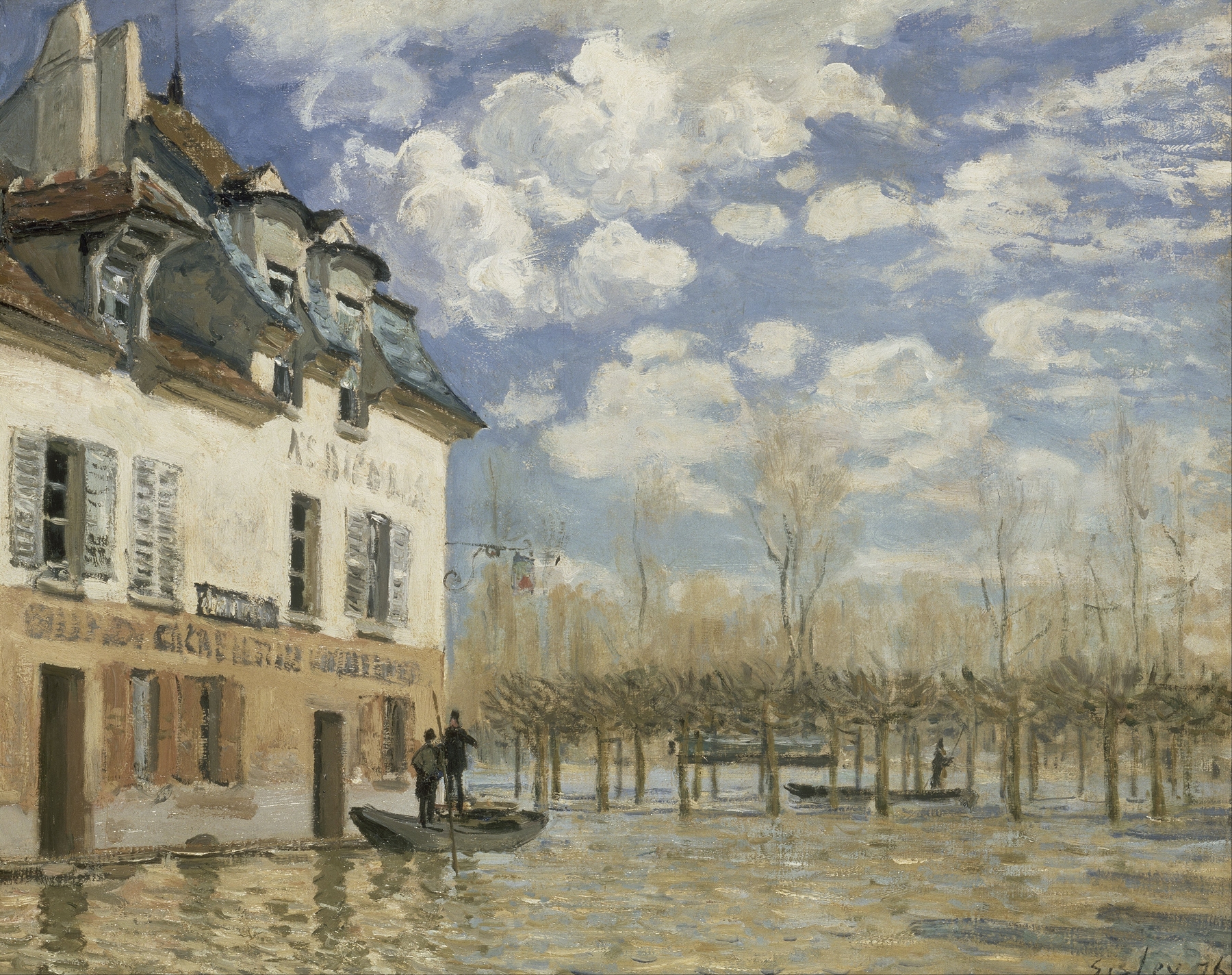
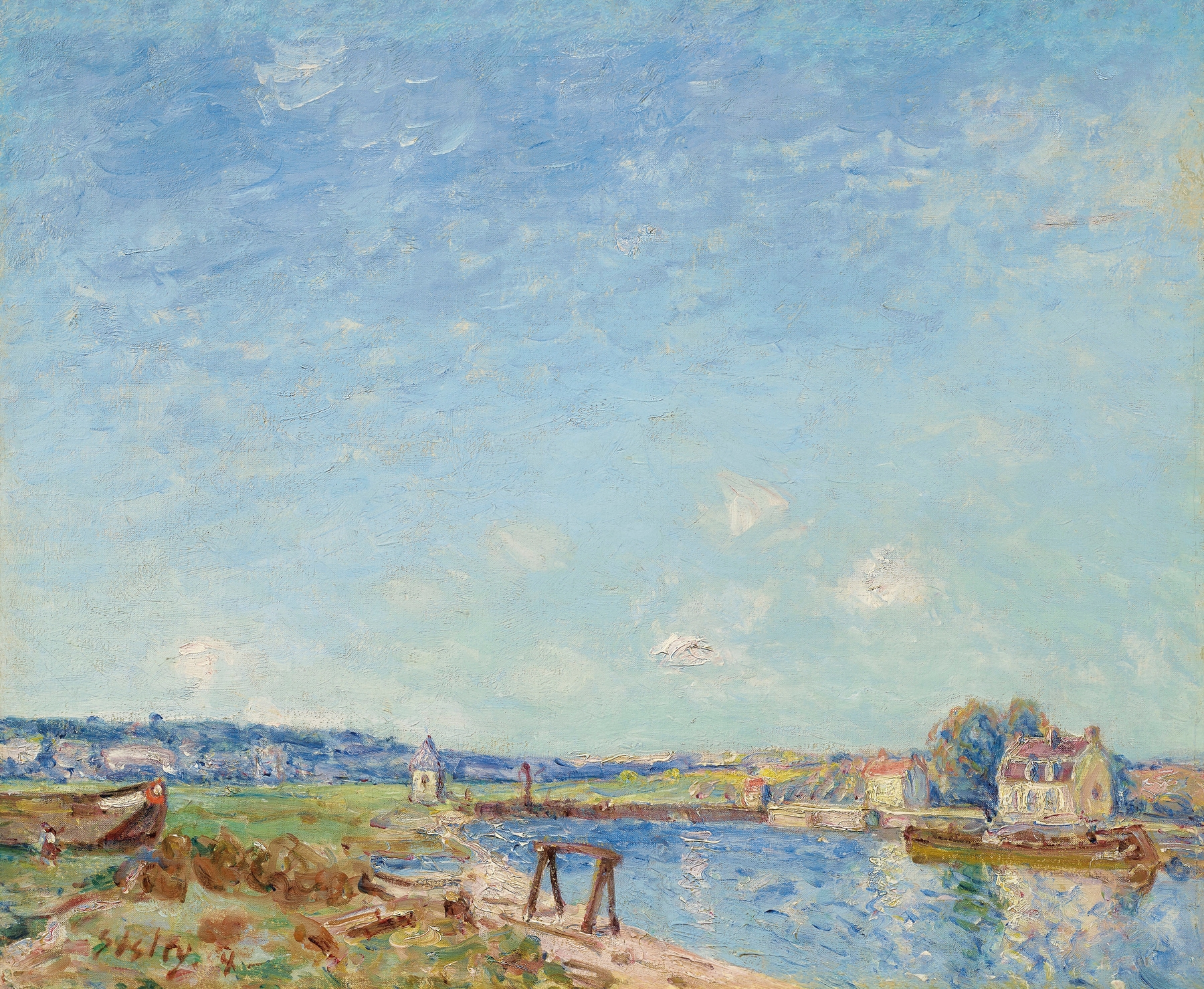
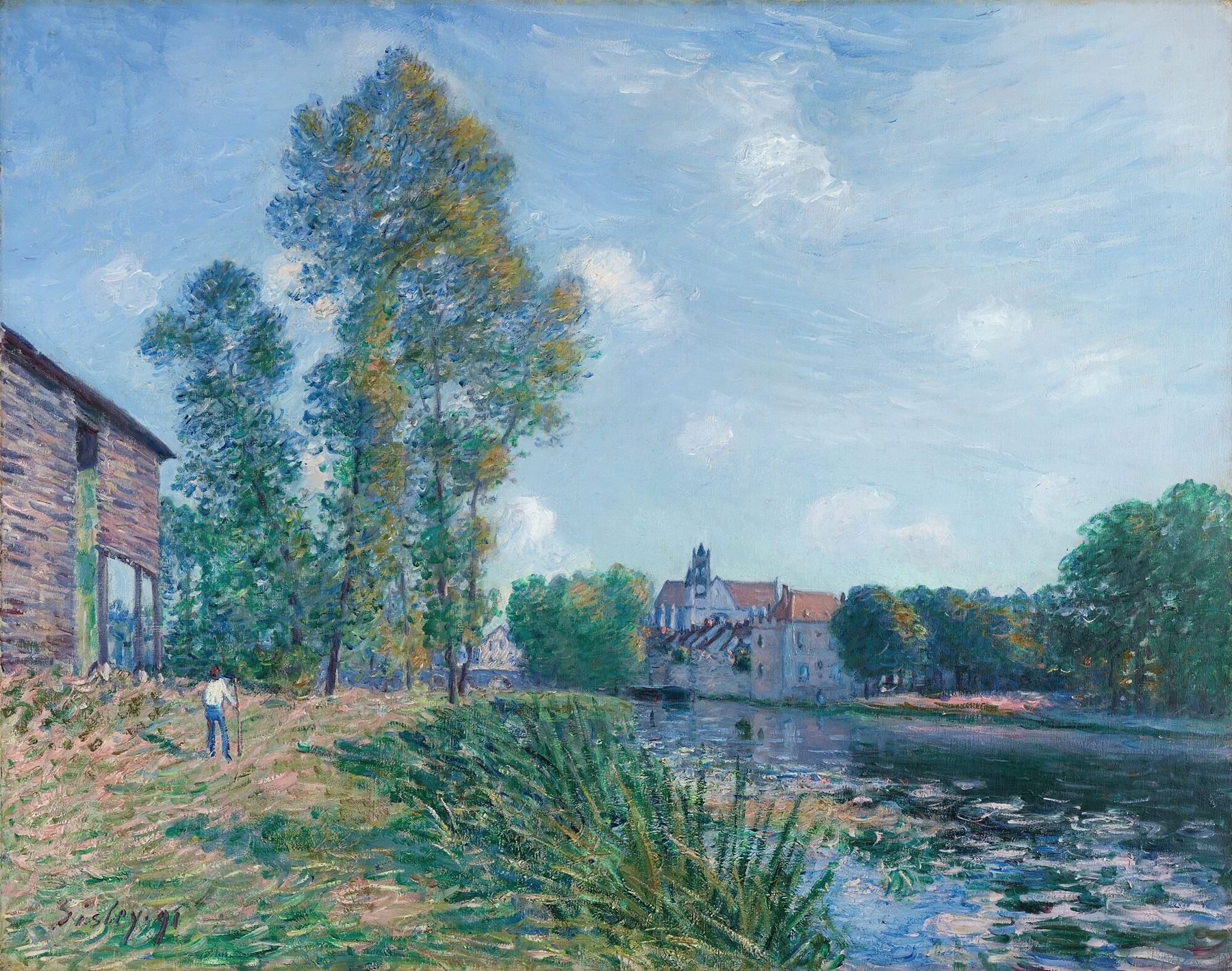
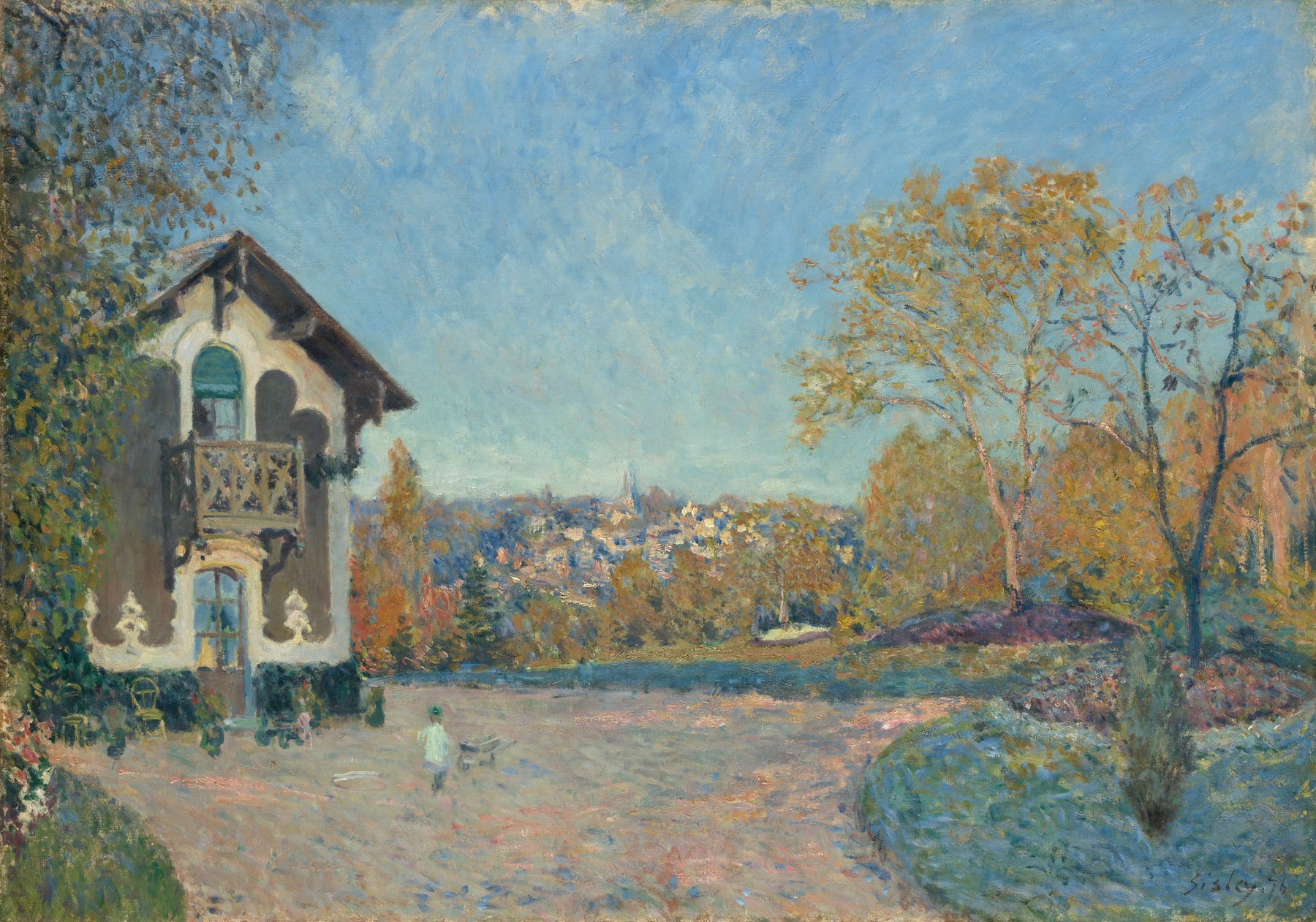
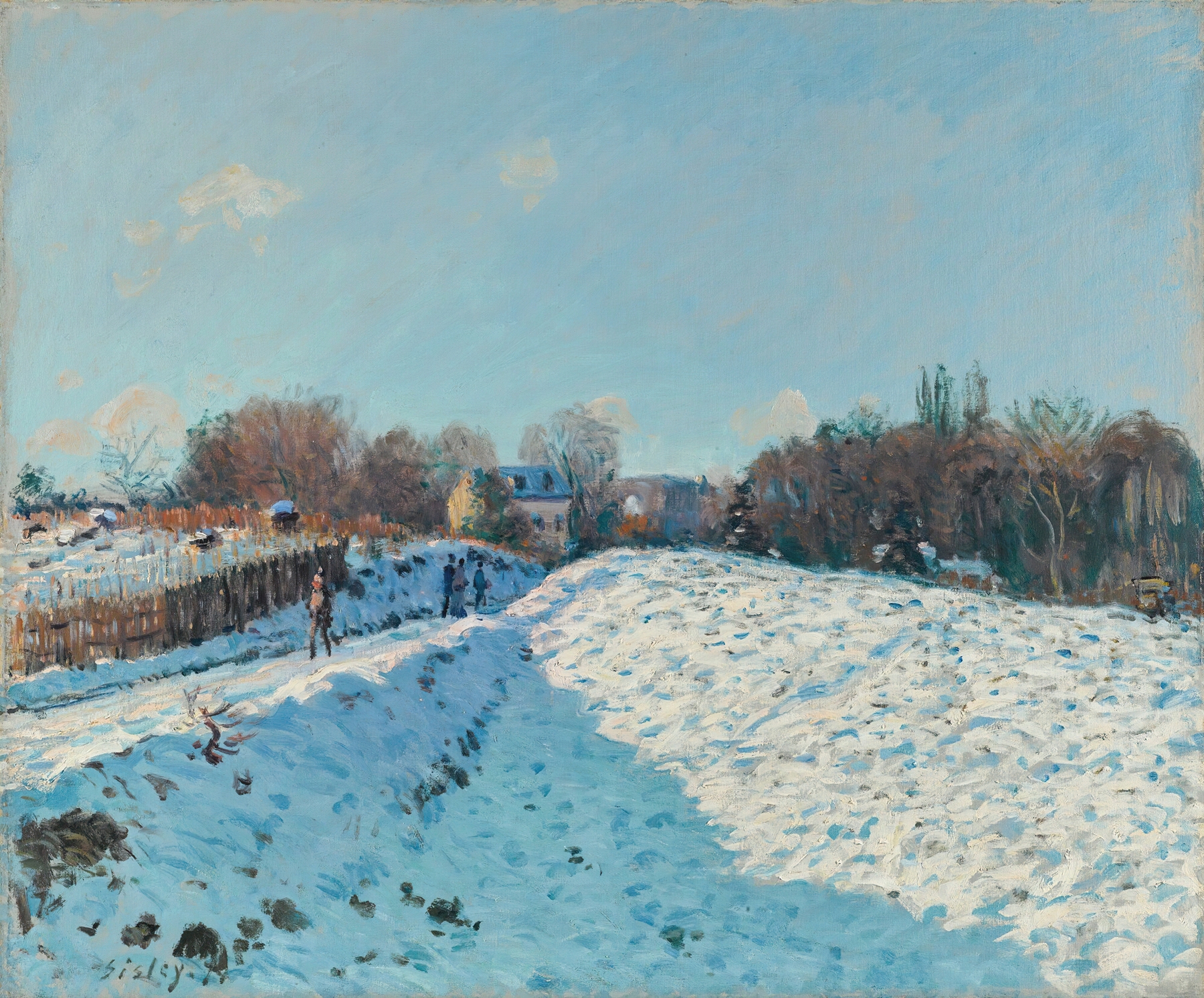
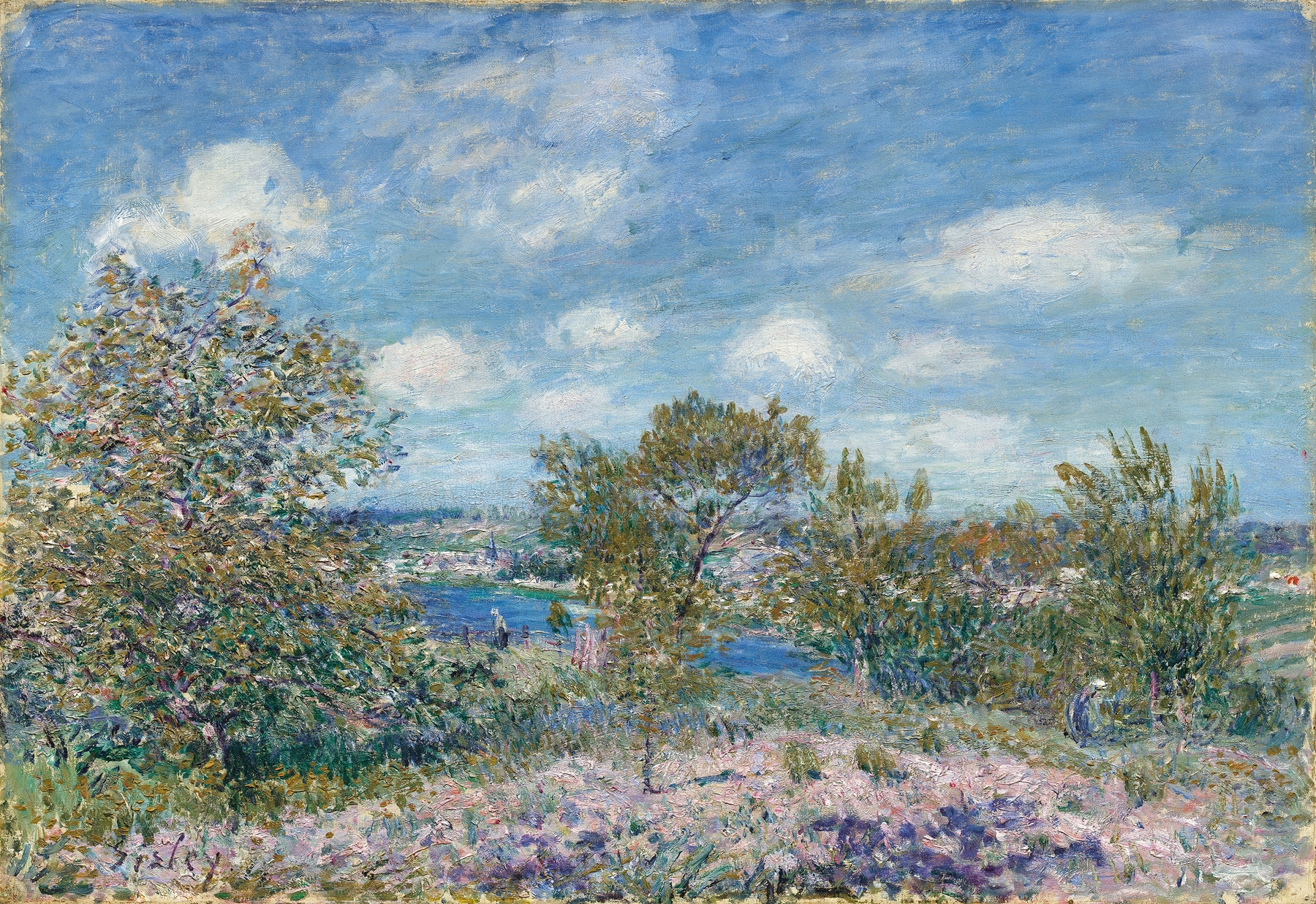
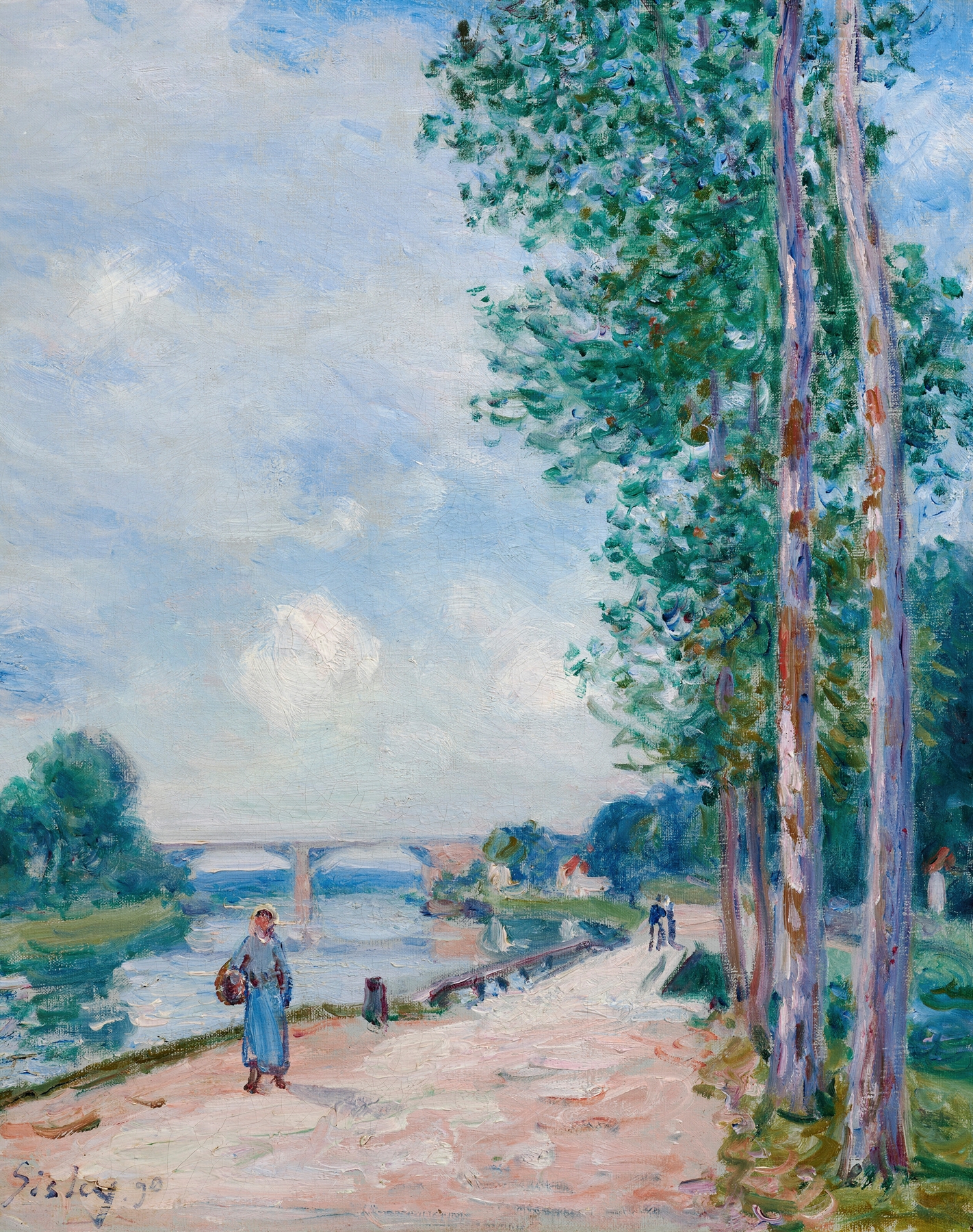
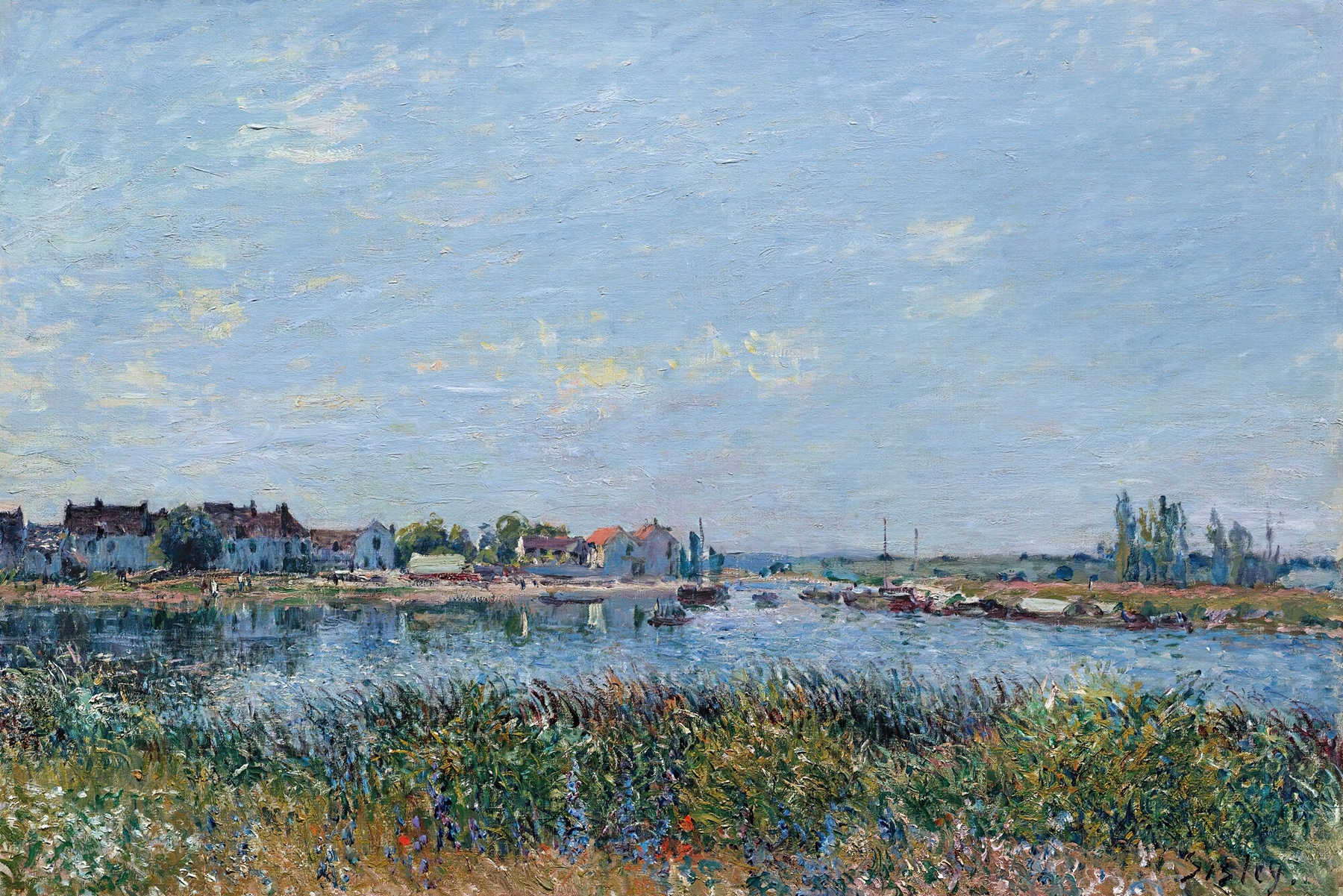
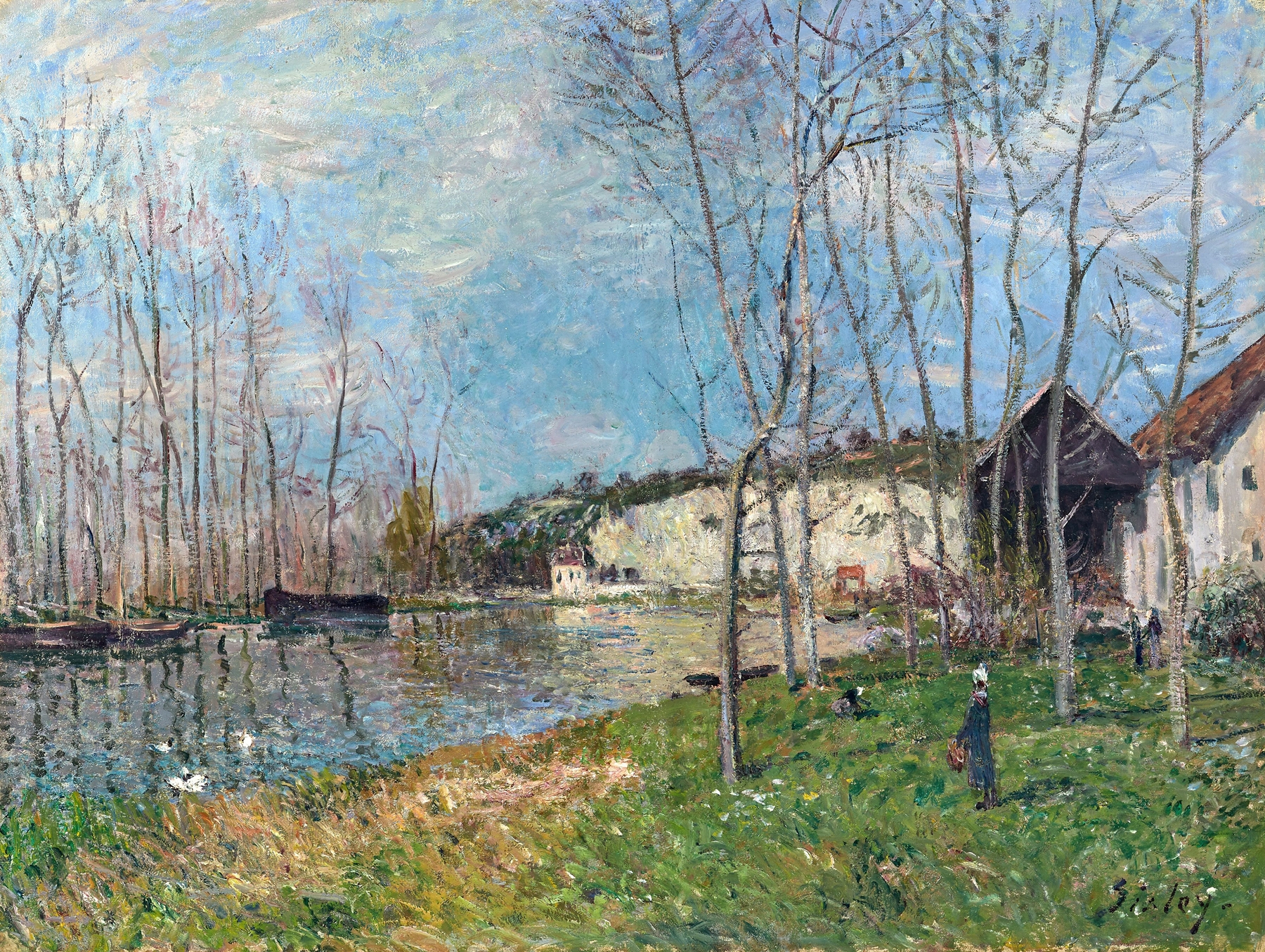
“Under the brush, chaos becomes grace.” Each stroke captures a moment that transcends the mundane, revealing a world where light and shadow dance together in perfect harmony. Look to the center of the canvas, where the tranquil riverbank emerges. Notice how the shimmering water reflects the soft blues of the sky above, intermingling with the lush greens of spring. The play of sunlight creates dappled shadows beneath the trees, weaving a tapestry of light that draws your eye deeper into the scene. Sisley’s brushwork is fluid and delicate, with broad strokes suggesting movement, while smaller ones articulate the intricate details of nature’s rebirth. Hidden within this idyllic landscape lies a tension between stillness and motion. The trees, sturdy and grounded, stand in contrast to the gentle ripples of the water, suggesting a dialogue between permanence and change. The patches of shadow evoke a sense of tranquility but also hint at the transient nature of life. Each element, from the blooming flowers to the flowing river, embodies the duality of existence—beautiful yet fleeting. In 1881, while living in France, the artist painted this piece during a period of growth and exploration in his work. Known for his dedication to capturing the effects of light and atmosphere, Sisley was surrounded by the Impressionist movement’s fervor, yet he sought to convey a unique individualism through his landscapes, focusing on the serene interplay of color and form that characterized the beauty of his surroundings.