View of New York, from Brooklyn Heights — History & Analysis
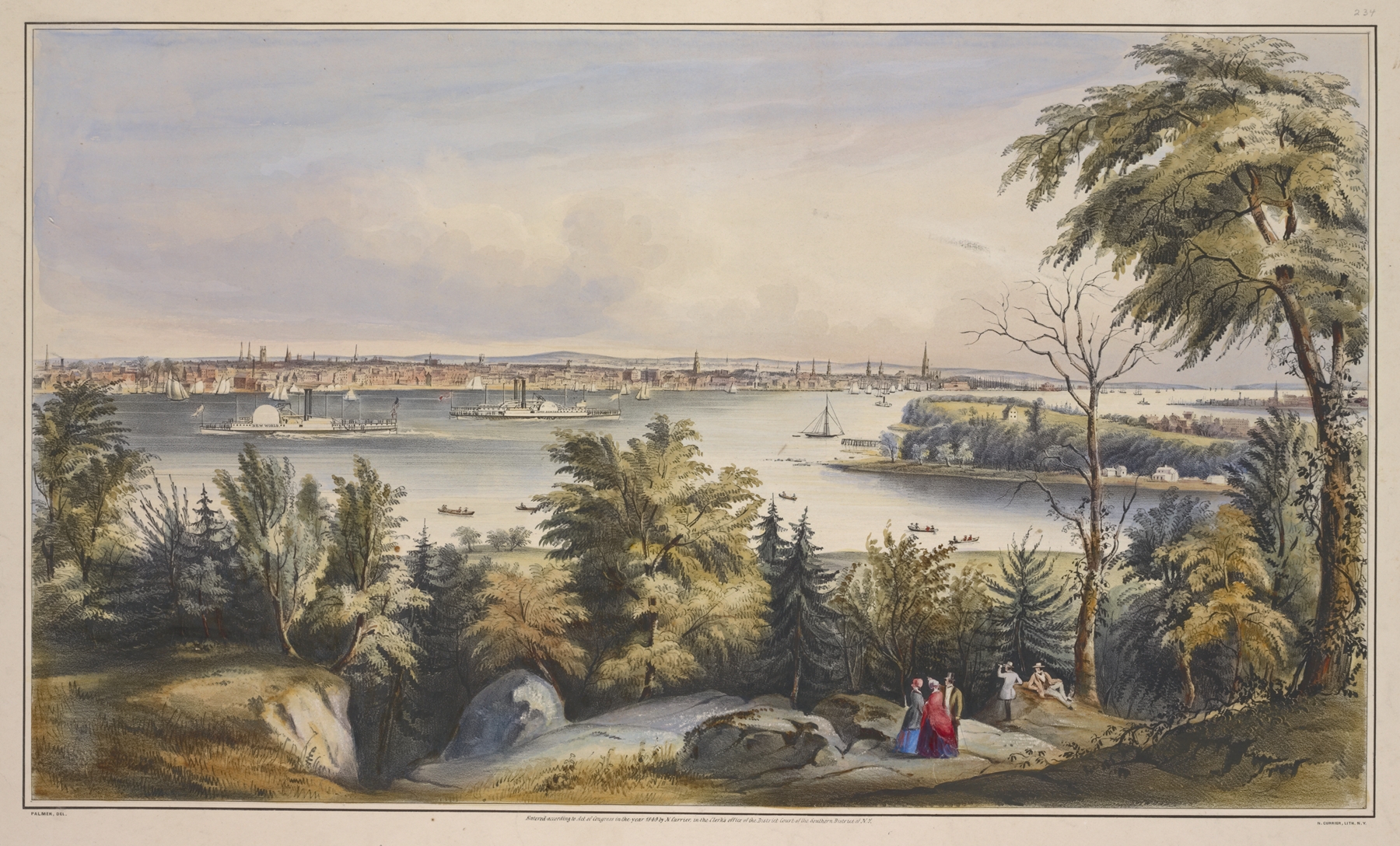
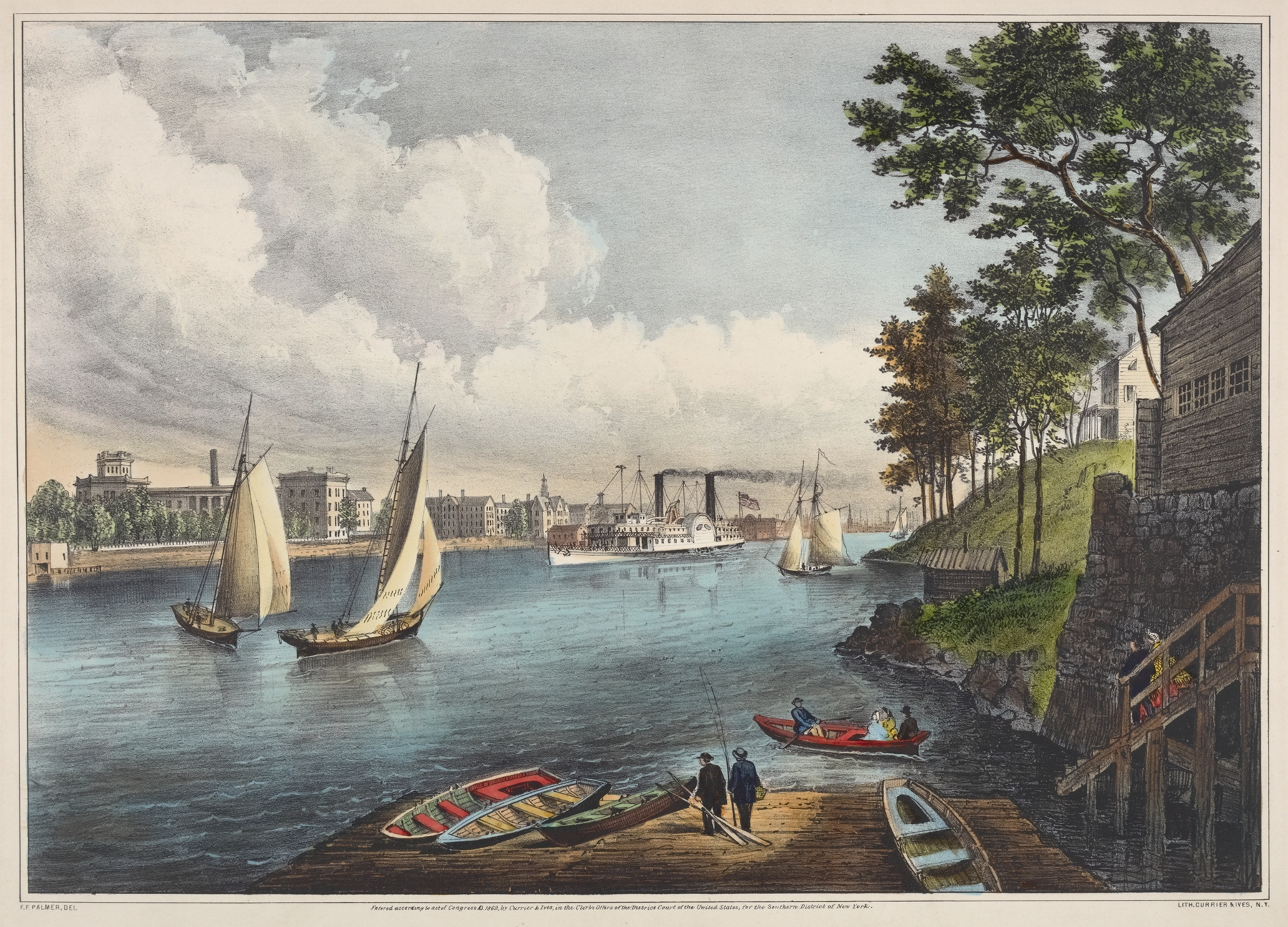
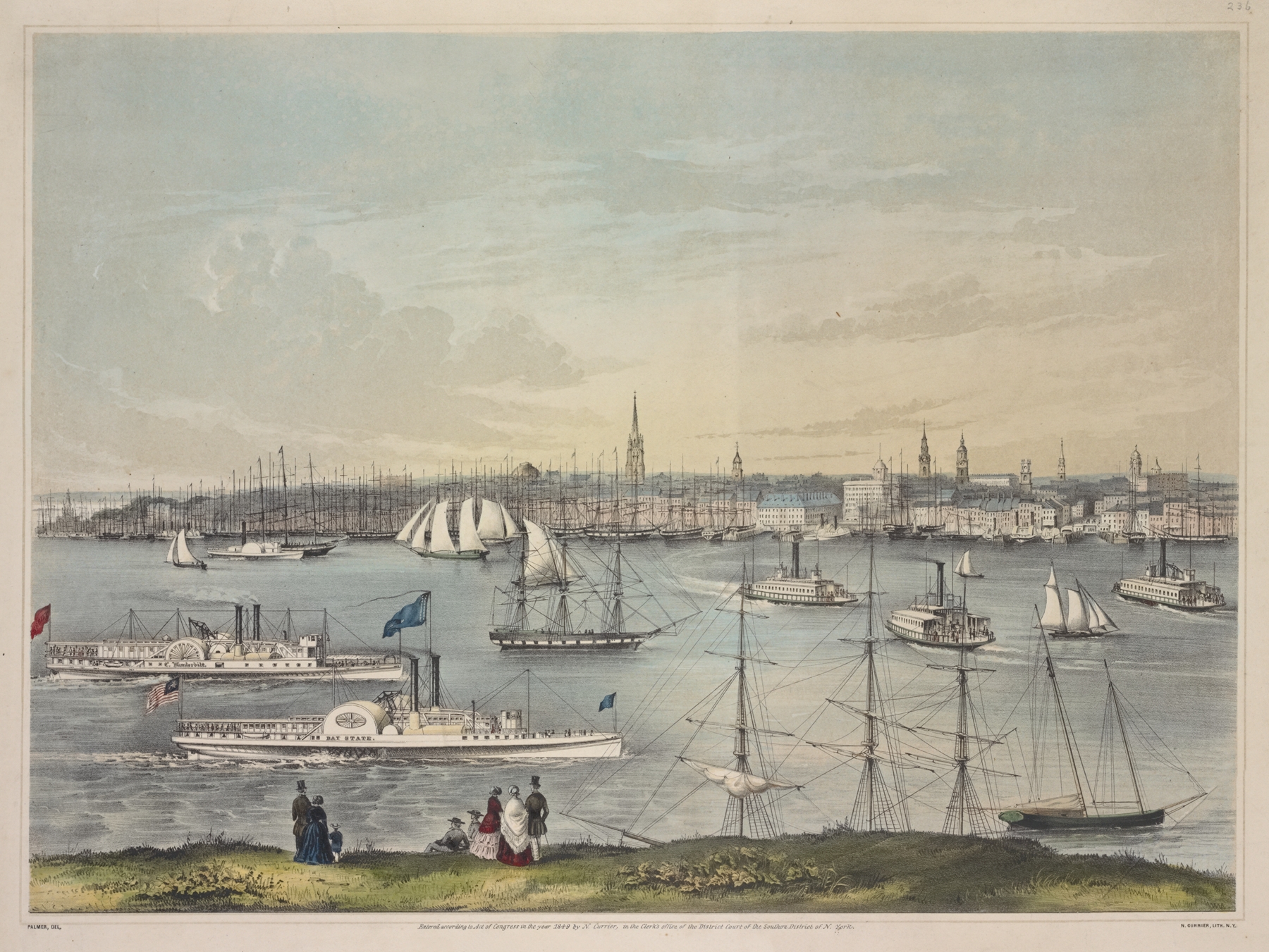
“The canvas doesn’t lie — it simply waits.” In this stillness, the vibrant pulse of life holds the breath of potential violence. Beneath the serene surface of a bustling cityscape lies the tension of a world on the verge, where the chaos of civilization intertwines with the delicate beauty of a moment caught in time. Look to the left at the graceful arch of the Brooklyn Bridge, its silhouette contrasting sharply with the sprawling city skyline beyond. The painter's meticulous brushwork captures the glimmer of sunlight dancing across the water, giving life to the scene. The warm hues of ochre and soft blues create a harmonious balance, yet the sharp lines of architecture and the freight ships in the harbor hint at the relentless energy of urban existence.
Each element draws the eye, guiding one toward the intricate details of a city that feels both inviting and distant. Beneath the picturesque facade, a deeper narrative unfolds. The juxtaposition of nature and industry hints at the violent transformation of the American landscape, showcasing progress at the cost of tranquility. The shimmering reflections on the water may seem serene, but they mask the undercurrents of ambition and conflict—the ambition to create a metropolis that could drown out its own origins.
The viewer is compelled to ponder the cost of such beauty, revealing a world fraught with contradictions. Fanny Palmer painted this striking scene in 1849 while living in New York, a time when the city was rapidly expanding and modernizing. The mid-19th century was marked by optimism and growth, yet it also bore the weight of social and political turmoil. As a pioneer female artist, she navigated a male-dominated art world, finding her niche by capturing the essence of urban America, forever intertwining beauty with the underlying tensions of her time.