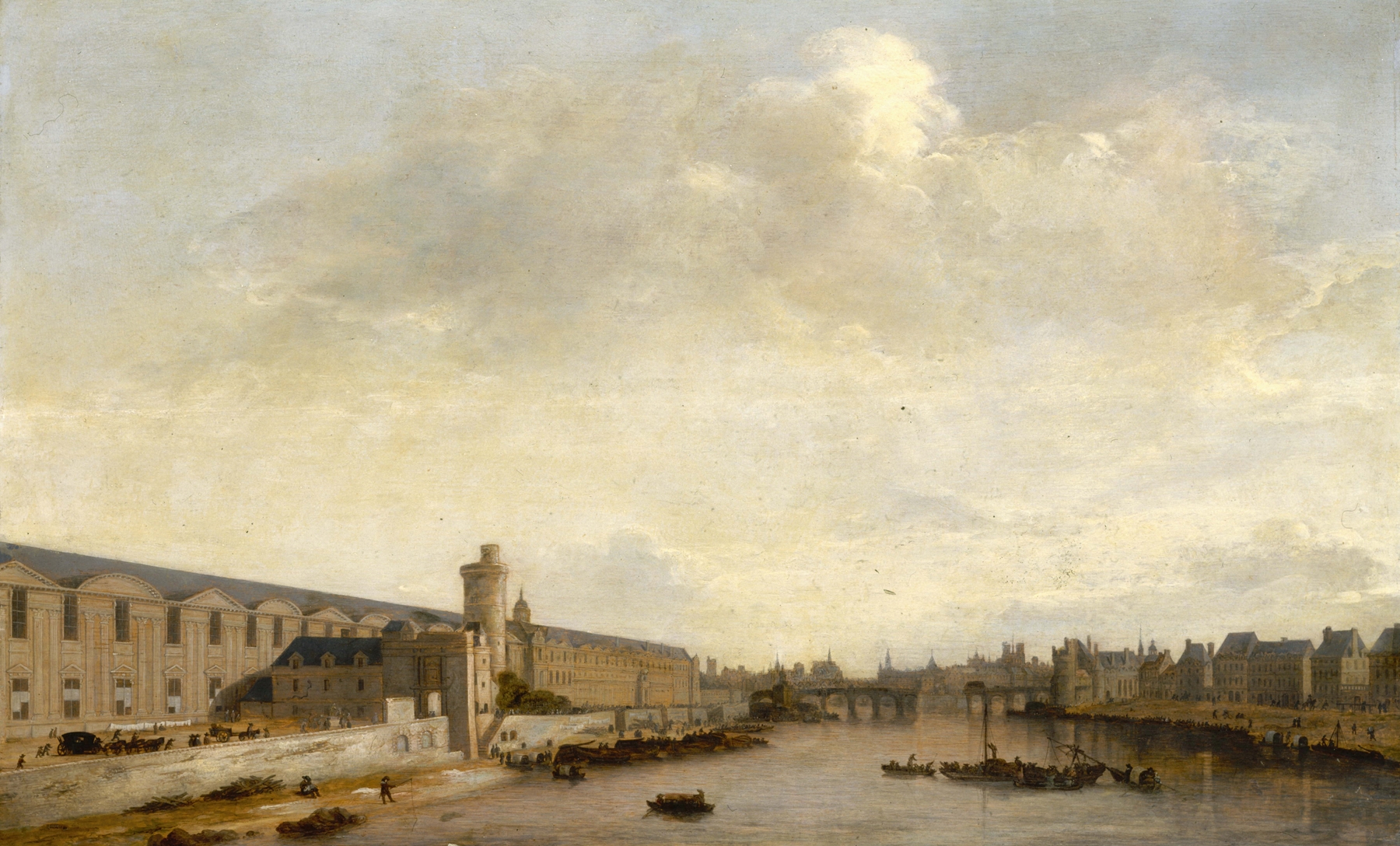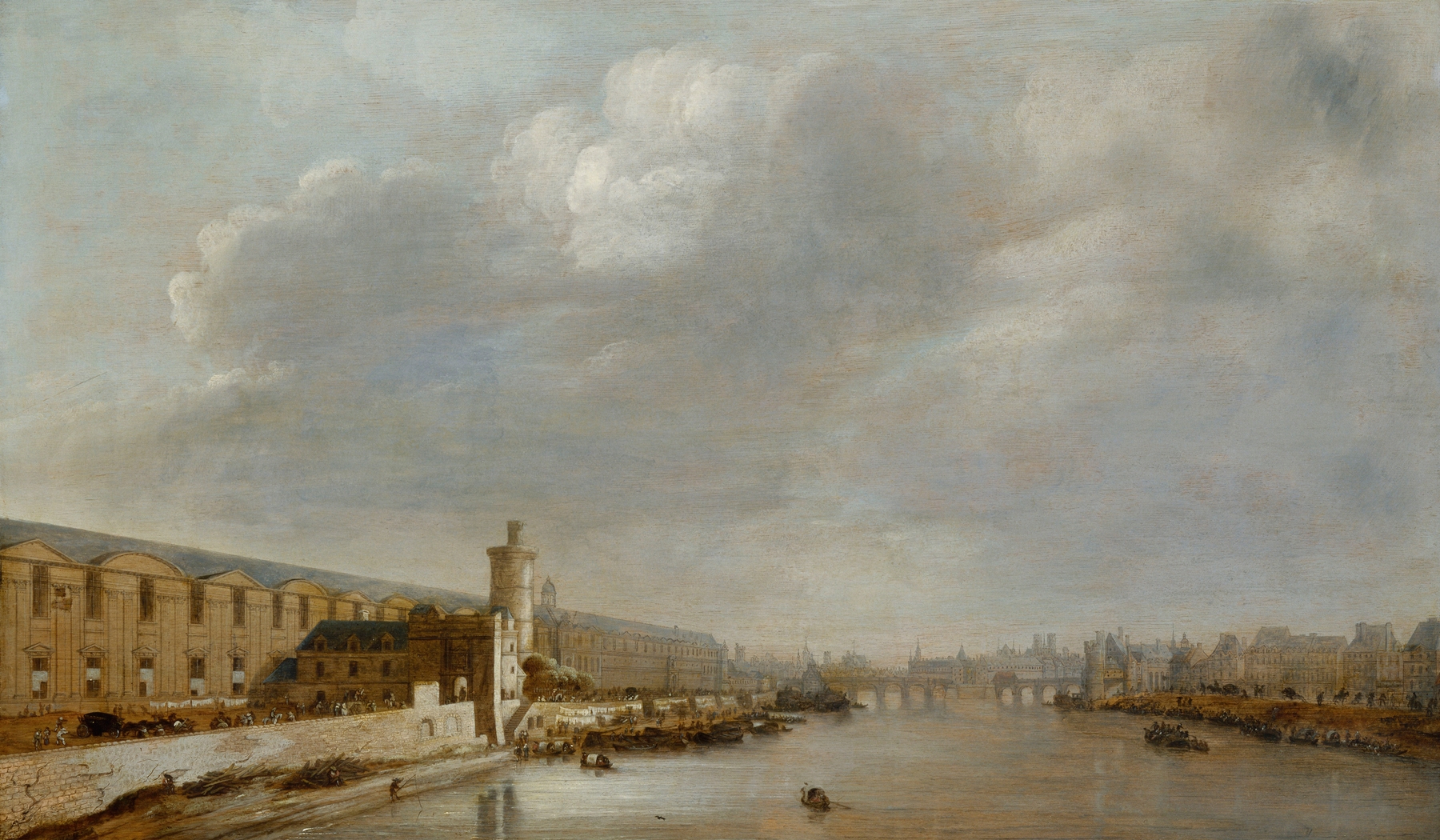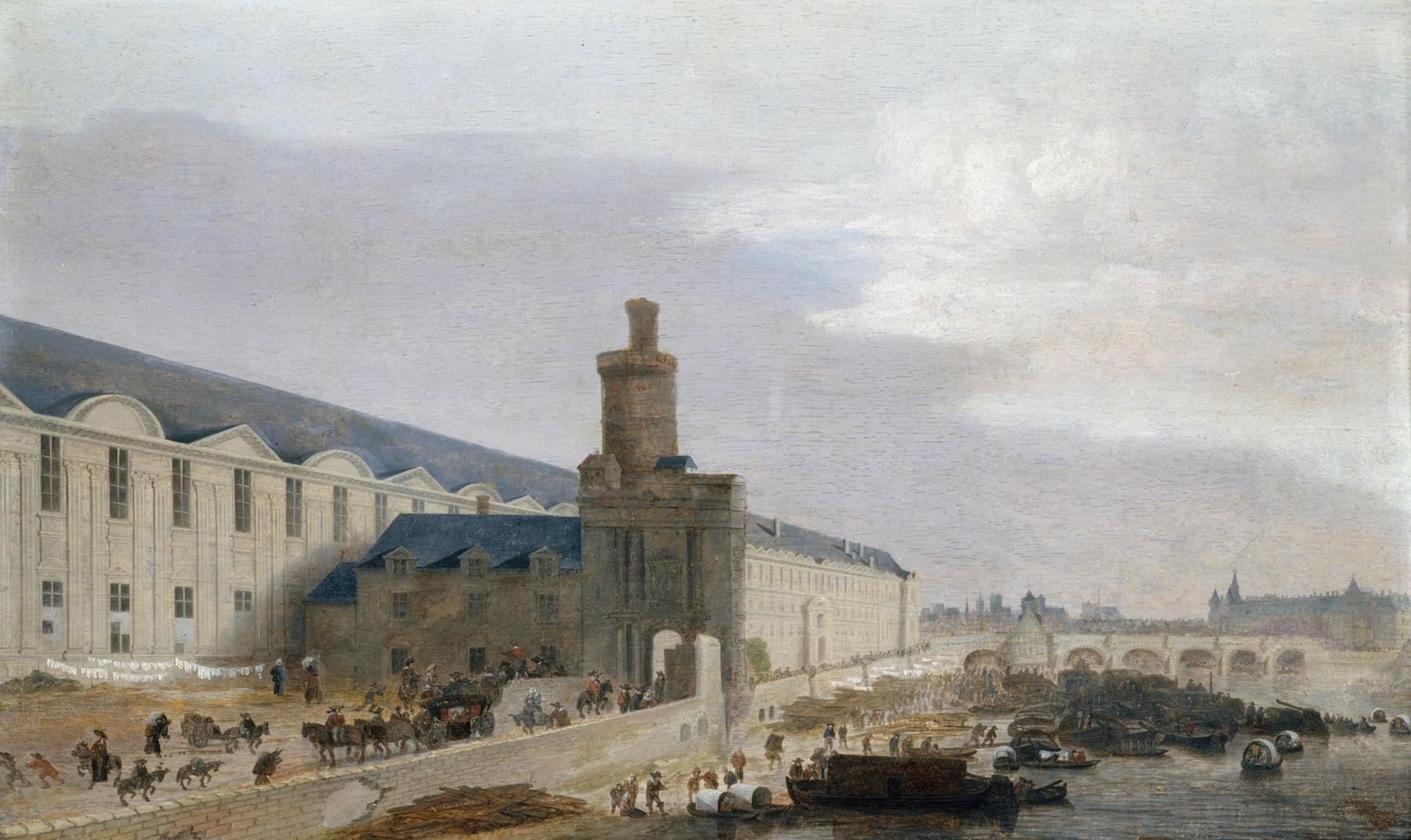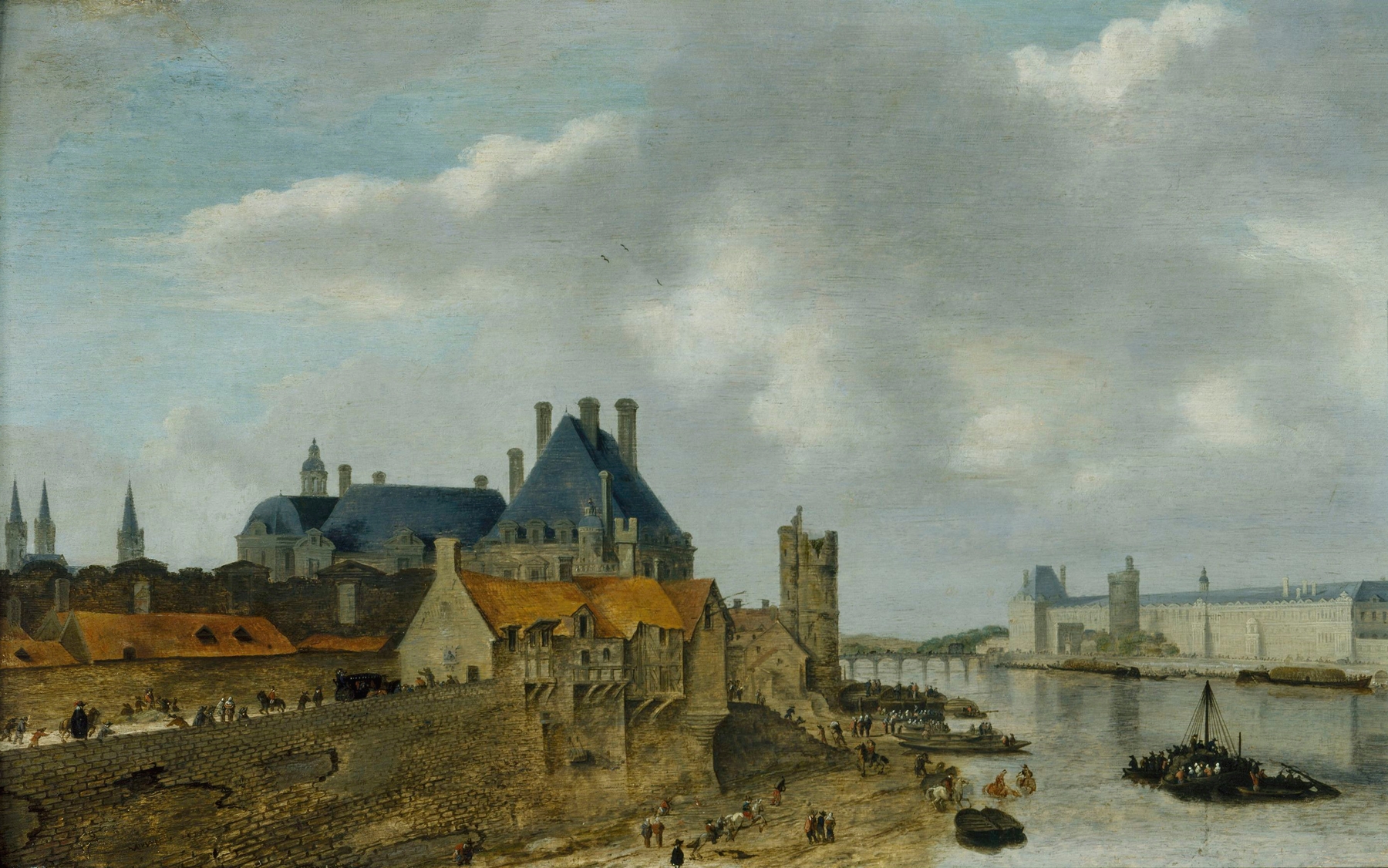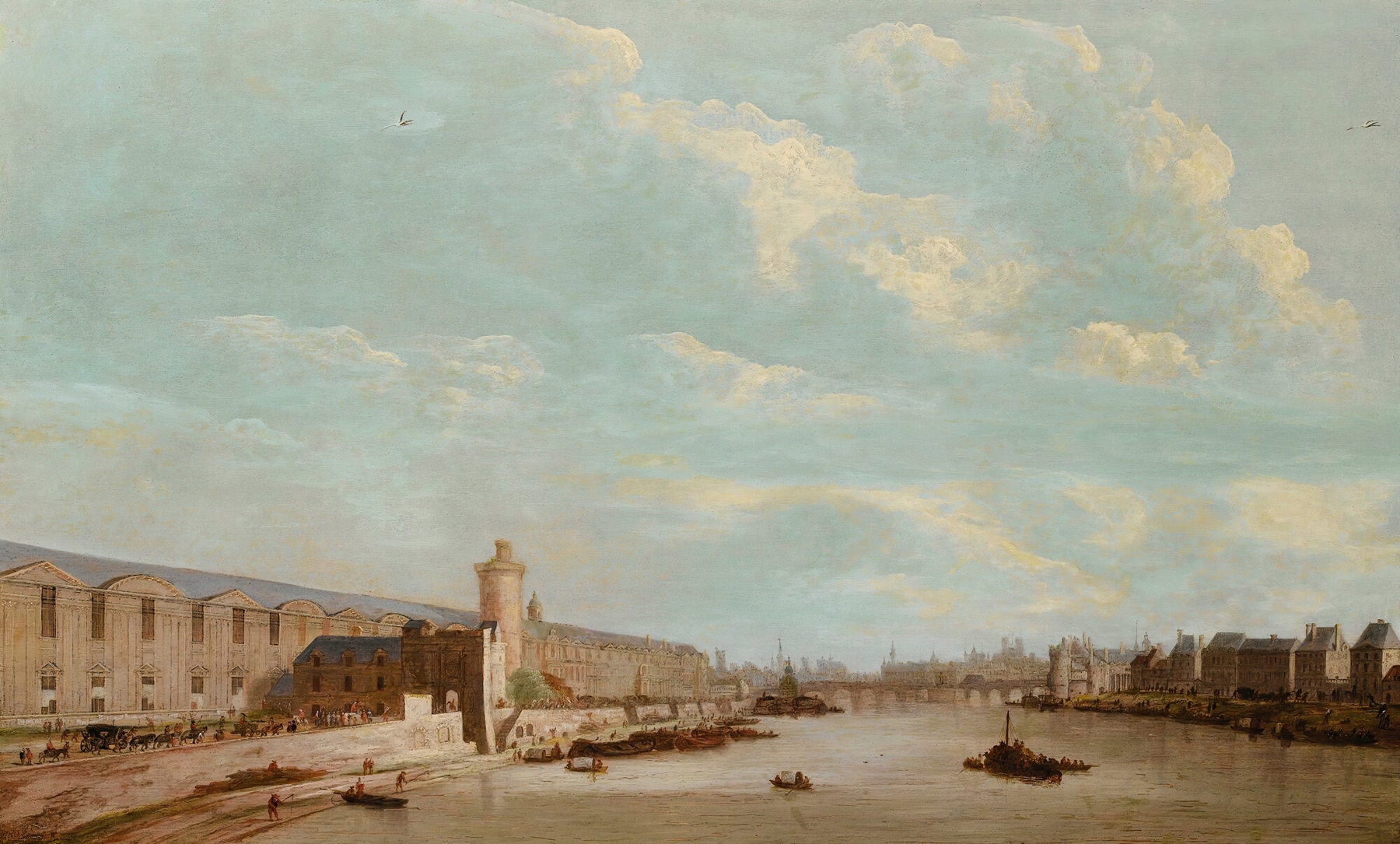
View of Paris from the Pont-royal with the Grande galerie du Louvre, the Pont-Neuf and the Nesle tower — History & Analysis
“To paint is to remember what time wants us to forget.” In the act of capturing fleeting moments, the artist conjures a world where presence is an illusion and the void of time becomes palpable. Look closely at the vibrant skyline; a soft haze envelops the city, lending an almost dreamlike quality. Focus on the flowing waters of the Seine, reflecting the delicate interplay of light and shadow. Notice how the brushstrokes create a rhythmic pattern along the bridges, guiding your eye across the canvas and inviting you to traverse the very streets of Paris.
The palette of blues and grays echoes the melancholic beauty of the moment, infusing the scene with an air of nostalgia. Yet beneath this calm surface lies a deeper tension. The grandeur of the Louvre looms majestically, a symbol of cultural heritage juxtaposed against the transient nature of life. The light-filled gallery contrasts with the darkened arches of the bridge, embodying the interplay of permanence and impermanence.
Each architectural element tells a story of resilience, echoing the void left by those who have walked these paths and are now but memories. Abraham de Verwer likely painted this work during a period of exploration and transformation in the art world, although the exact date remains a mystery. Living in the Netherlands, he was influenced by the rise of romanticized landscapes in the early 17th century, reflecting a burgeoning interest in the natural world and urban life. This artwork stands as a testament to that evolving narrative, encapsulating a moment in time that continues to resonate across the ages.