View of the Garden — History & Analysis
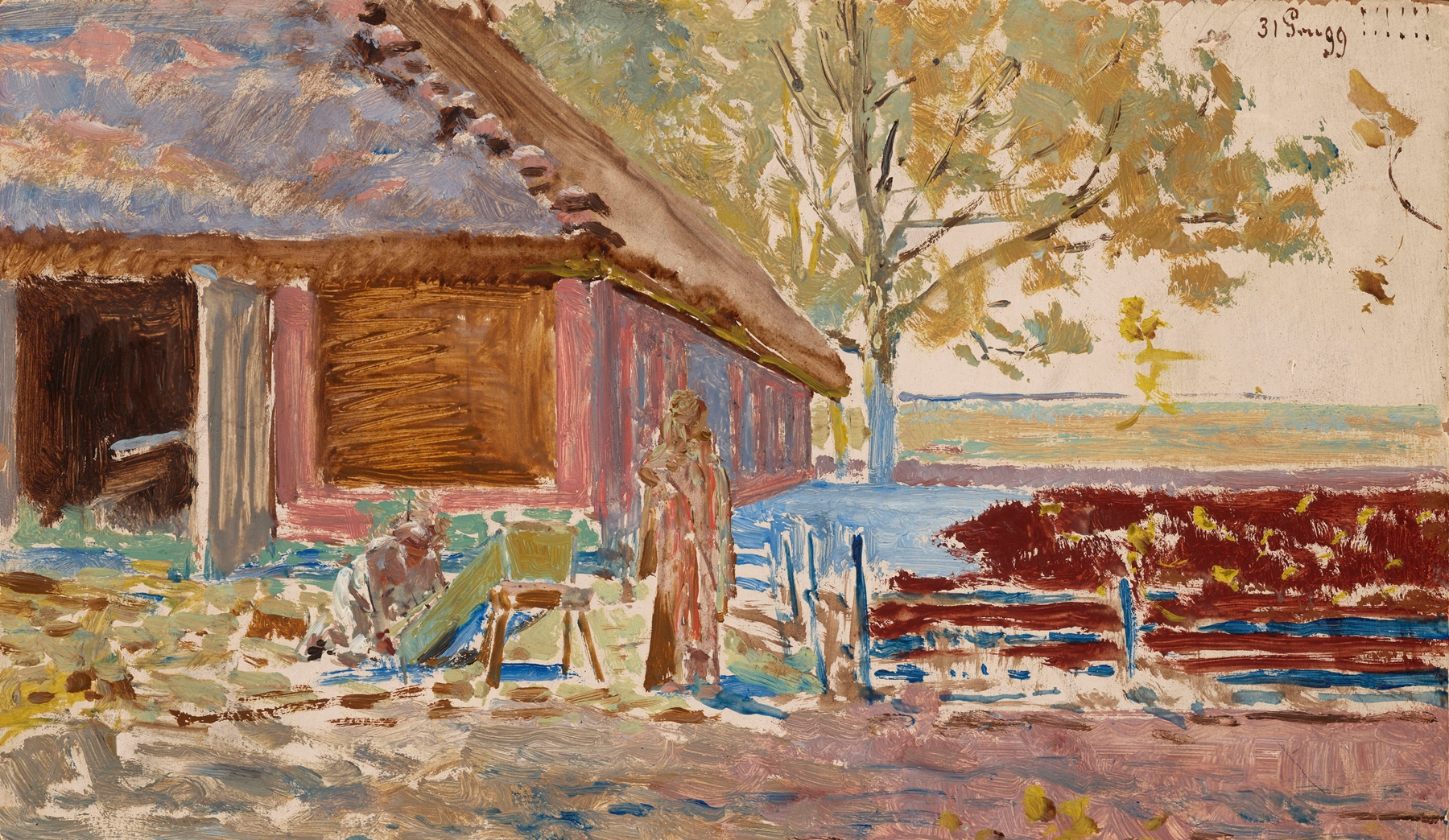
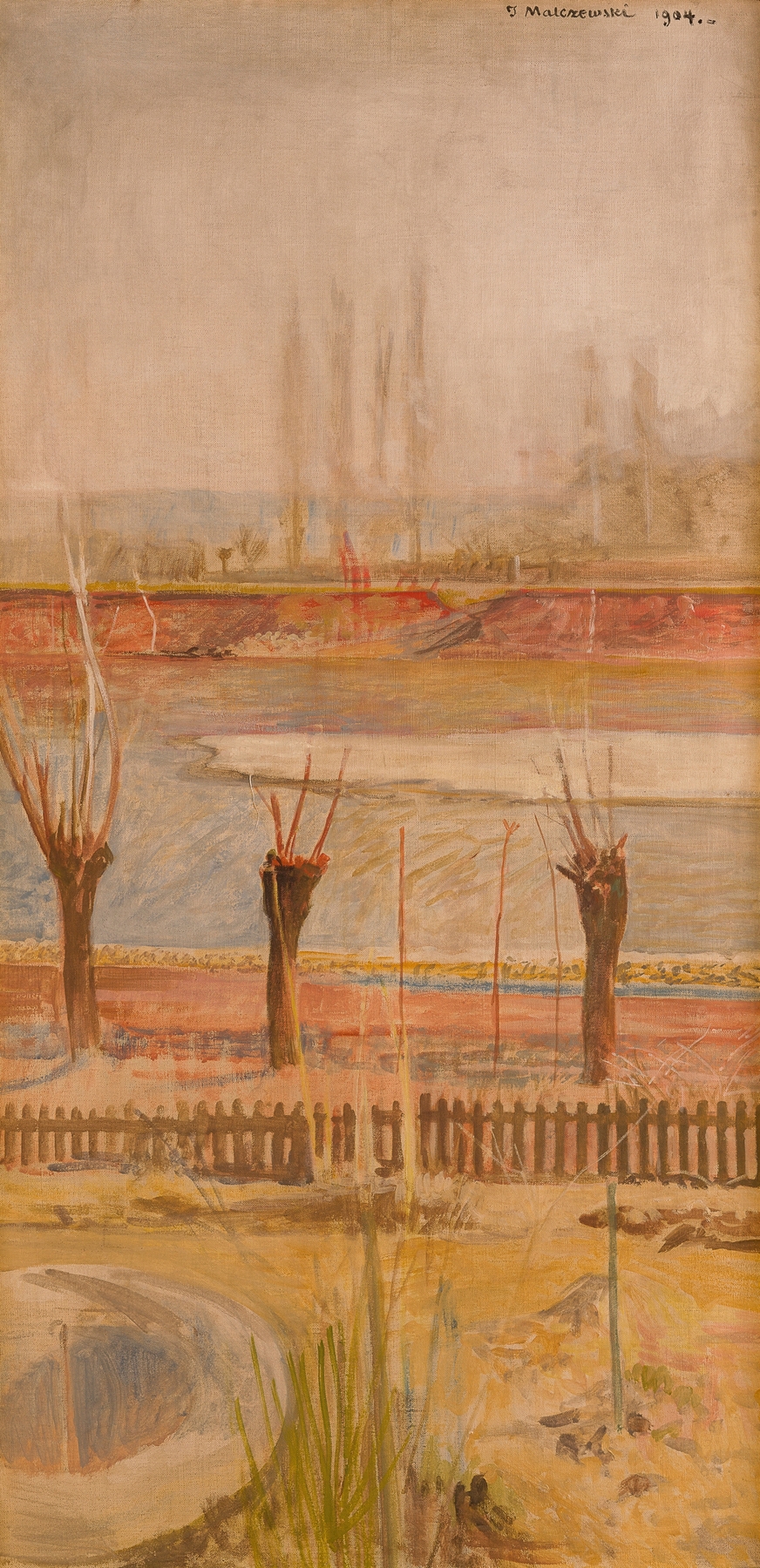
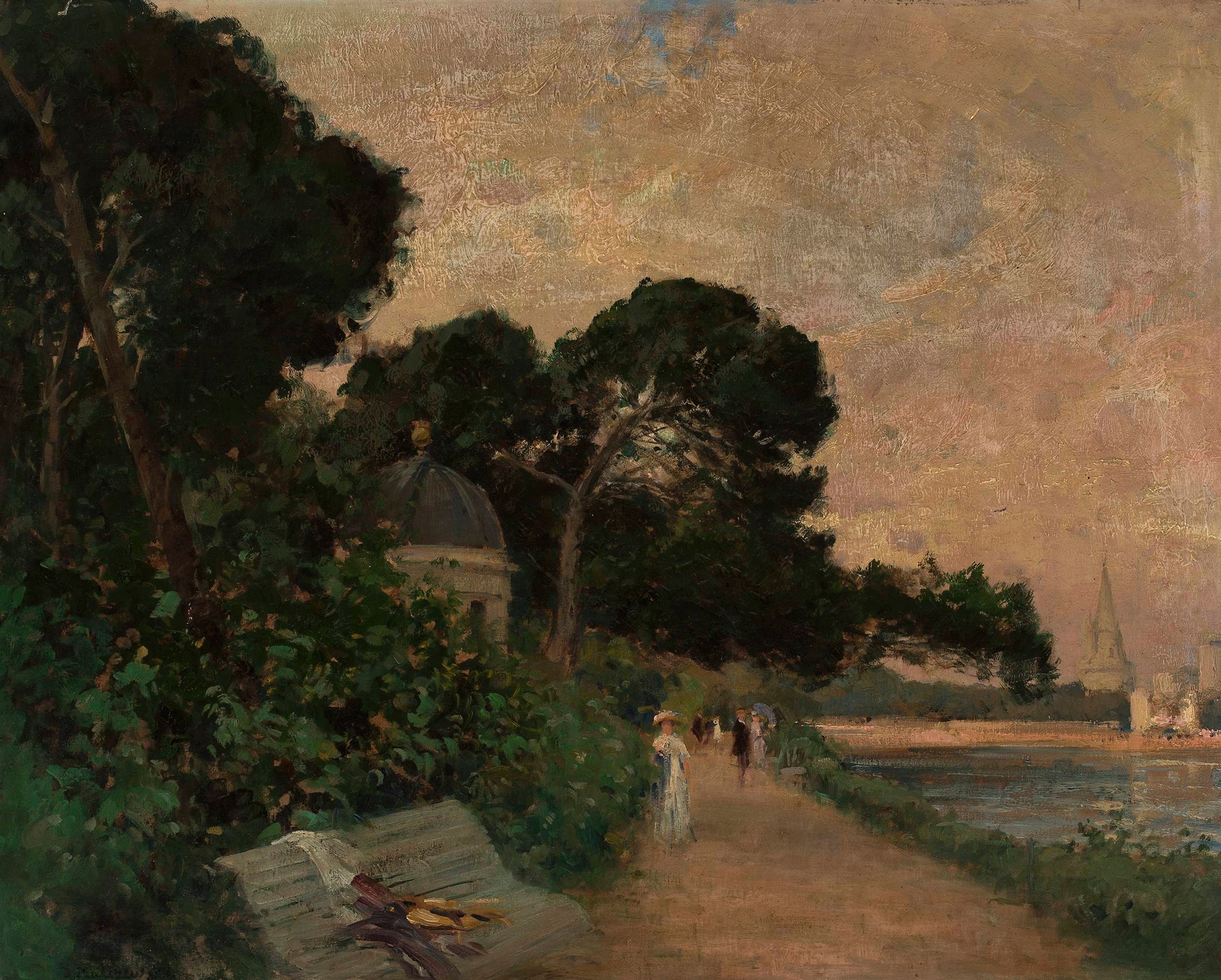
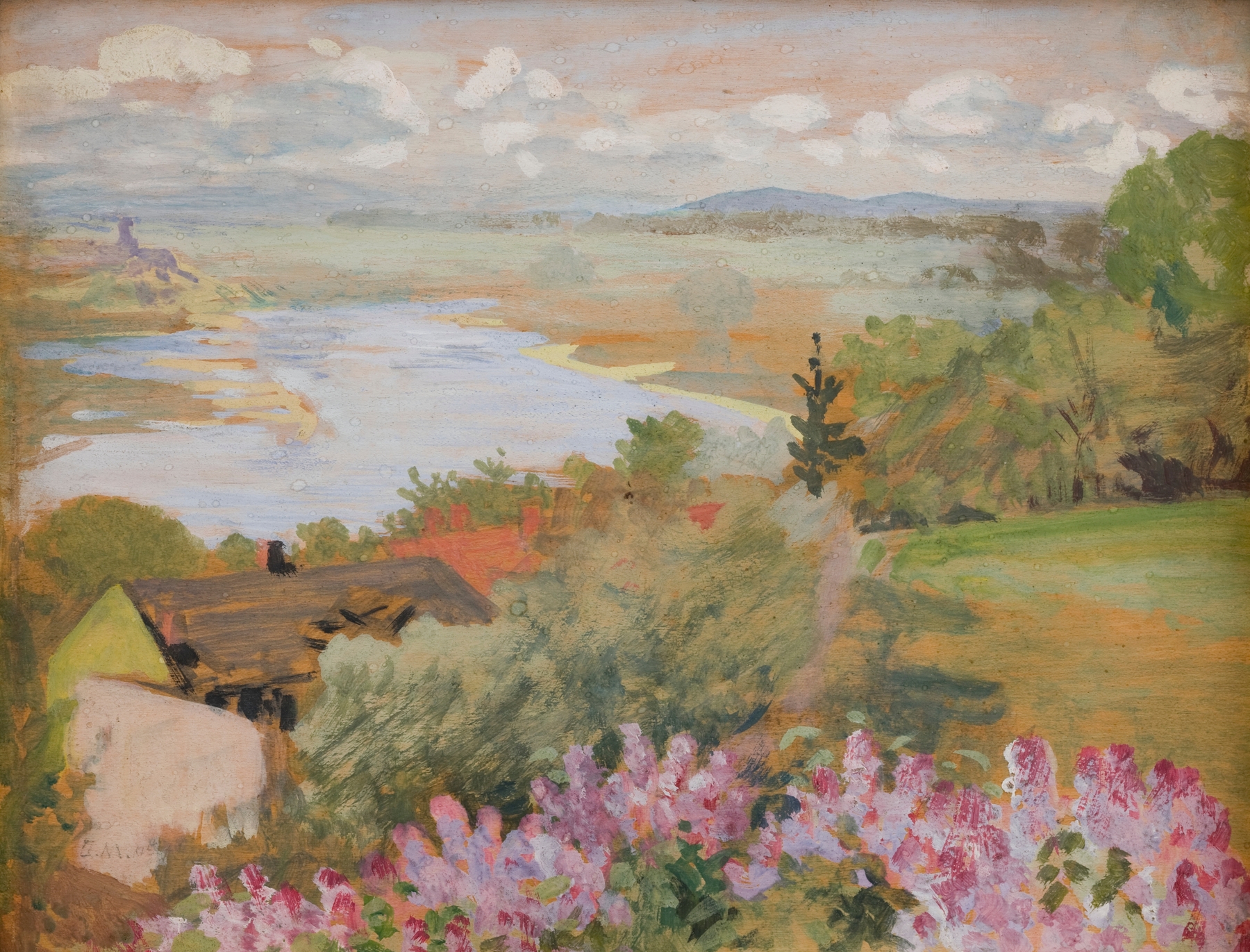
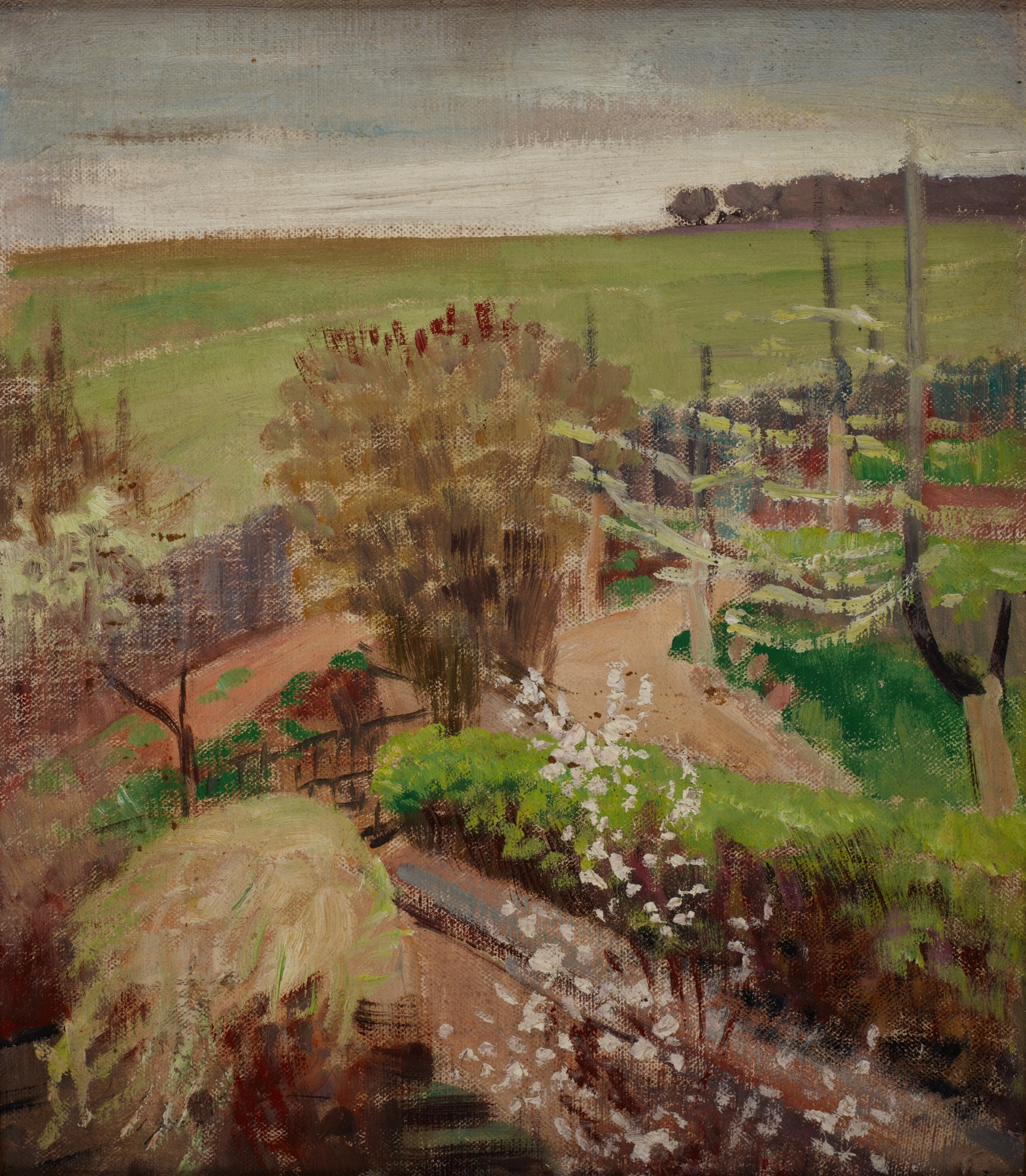
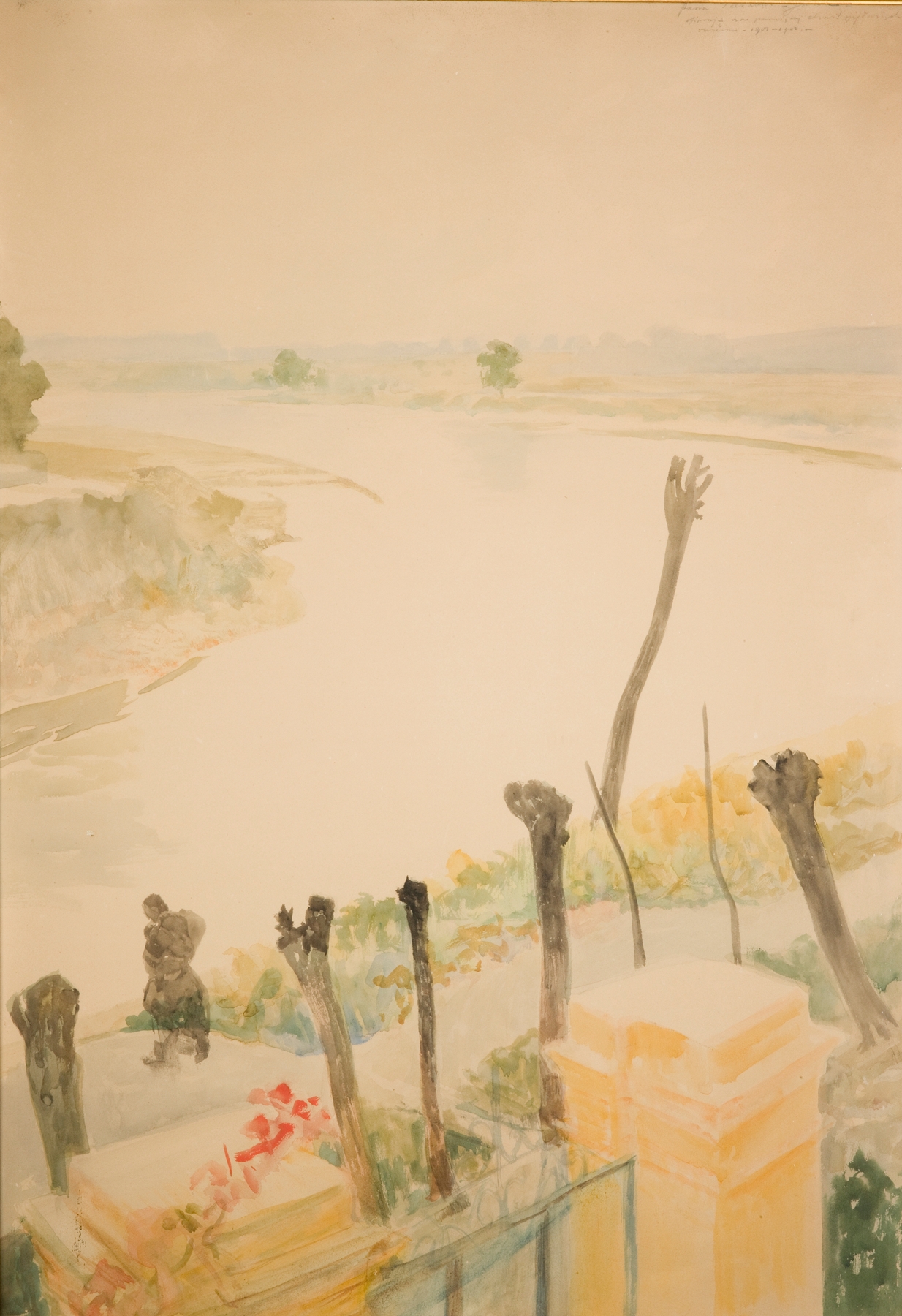
A soft morning light filters through the trees, casting intricate shadows upon the vibrant blooms of a garden alive with color. Figures wander the pathways, their gestures animated as they share whispers and laughter amidst a backdrop of tranquility. Yet beneath the surface, an electric tension hangs in the air, as the scent of change stirs within the leaves—an omen of the revolution to come. Look to the center of the canvas, where the dazzling array of flowers beckons with their rich reds, yellows, and blues.
Notice how each petal seems to pulse with life, contrasting sharply against the cool, muted greens of the garden's foliage. The composition draws you inward, leading your eye along winding paths that suggest both exploration and entrapment, while the meticulous brushwork invites you to ponder the meticulous balance of beauty and unrest. The figures, though seemingly engaged in leisurely pursuits, embody the duality of the moment—joy intertwined with impending upheaval. A closer inspection reveals subtle hints of discord: a clenched fist in a hidden pocket, a furtive glance exchanged, and the restless energy that courses just beneath their smiles.
These small details speak volumes about a society on the brink of transformation, where every joyous moment carries the weight of uncertainty. Created between 1900 and 1904, this work emerged during a time of profound change in Poland, as artists like Malczewski grappled with national identity amid political strife. Living in a period of artistic experimentation and nationalistic fervor, the artist infused View of the Garden with both beauty and a foreshadowing of the tumultuous social landscape that would soon erupt. This canvas not only reflects his artistry but also captures the spirit of a nation poised on the edge of revolution.