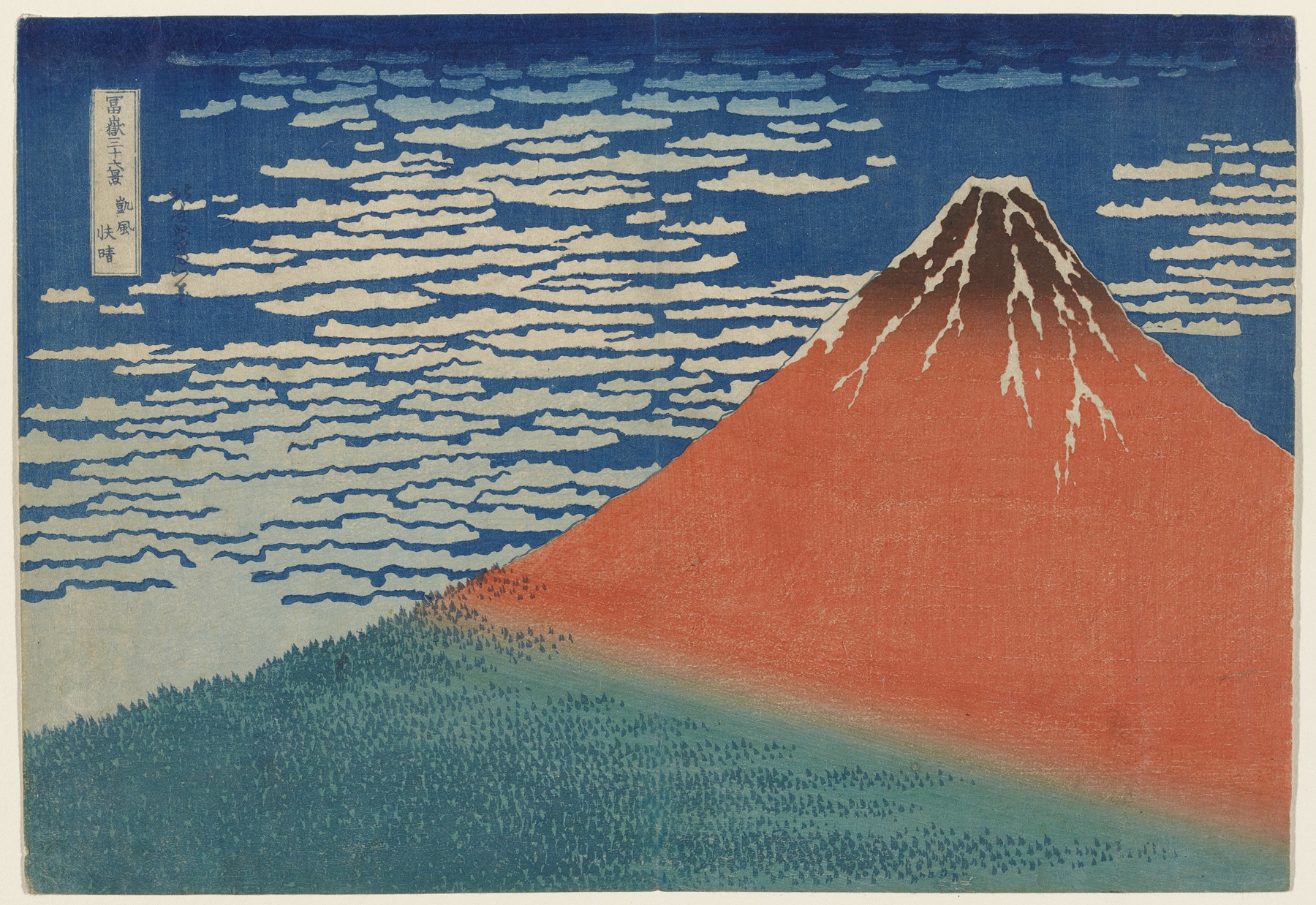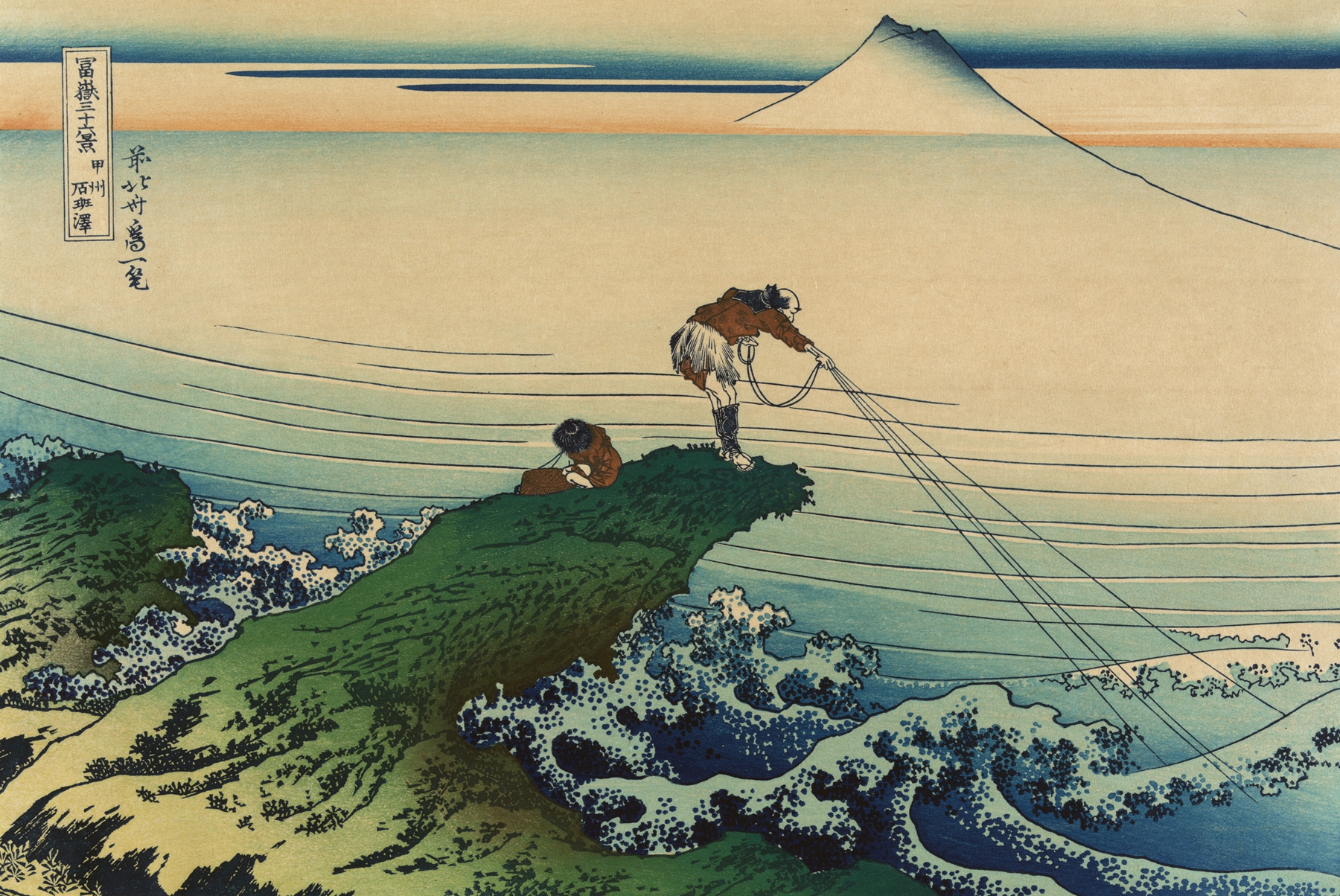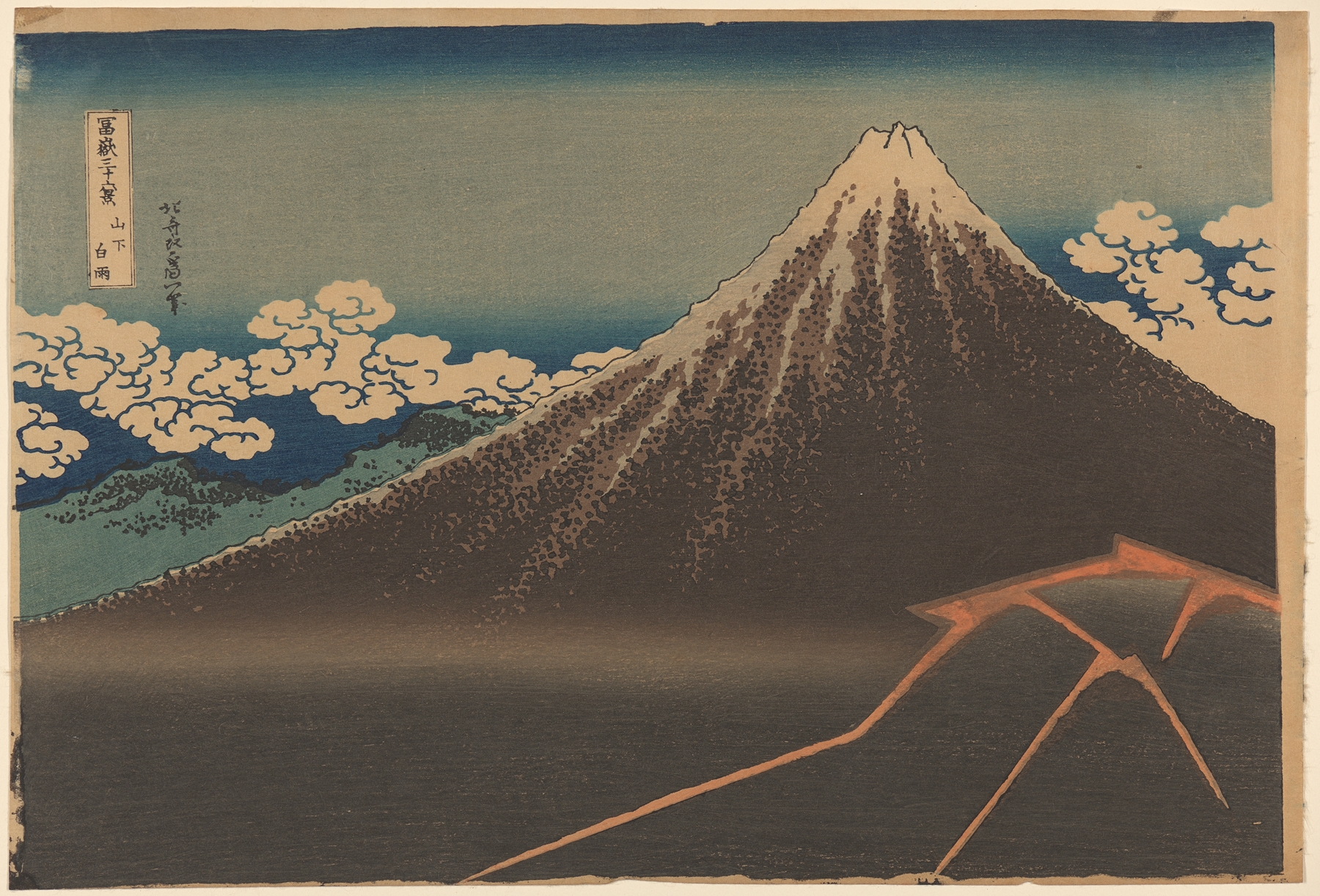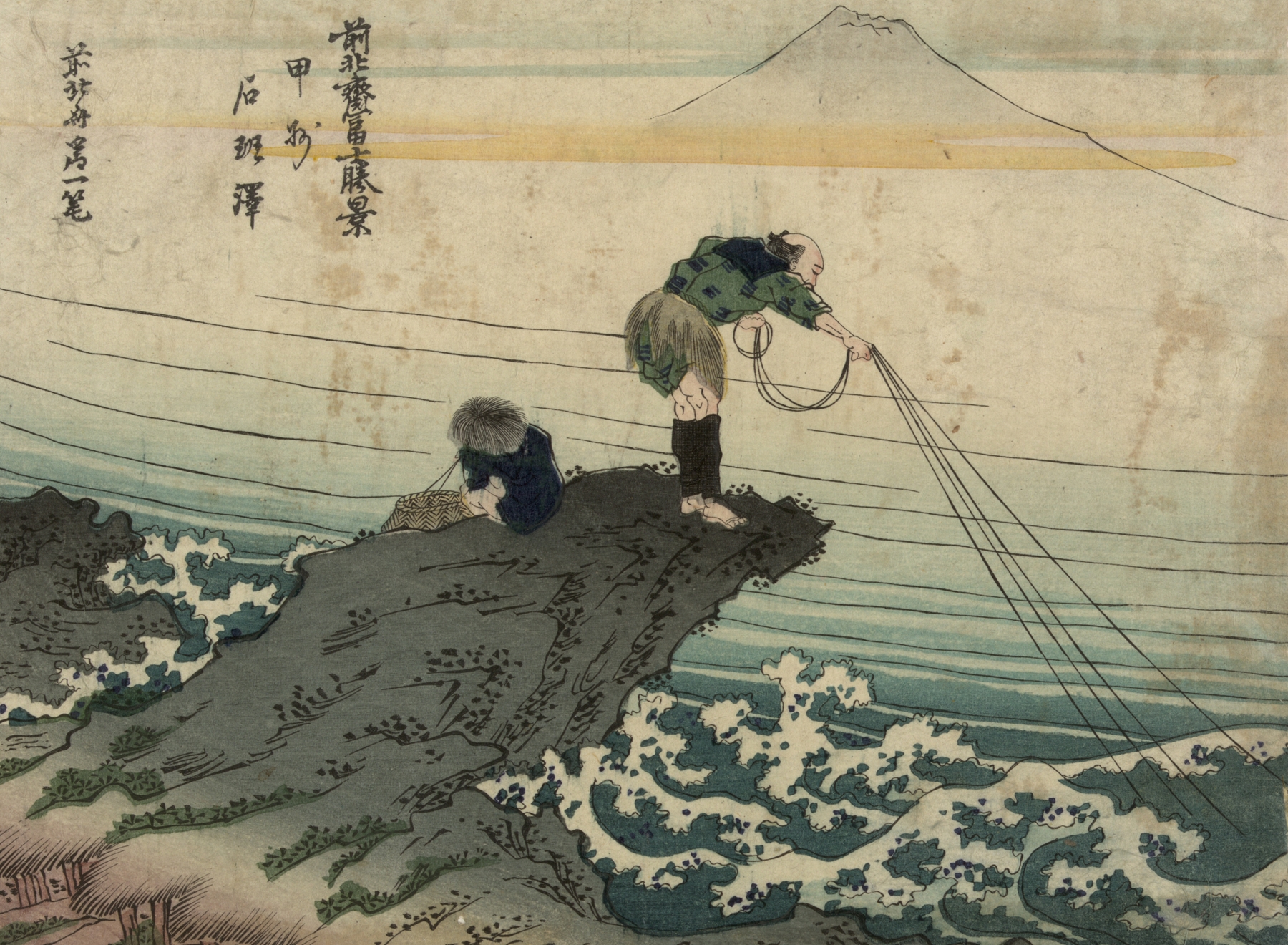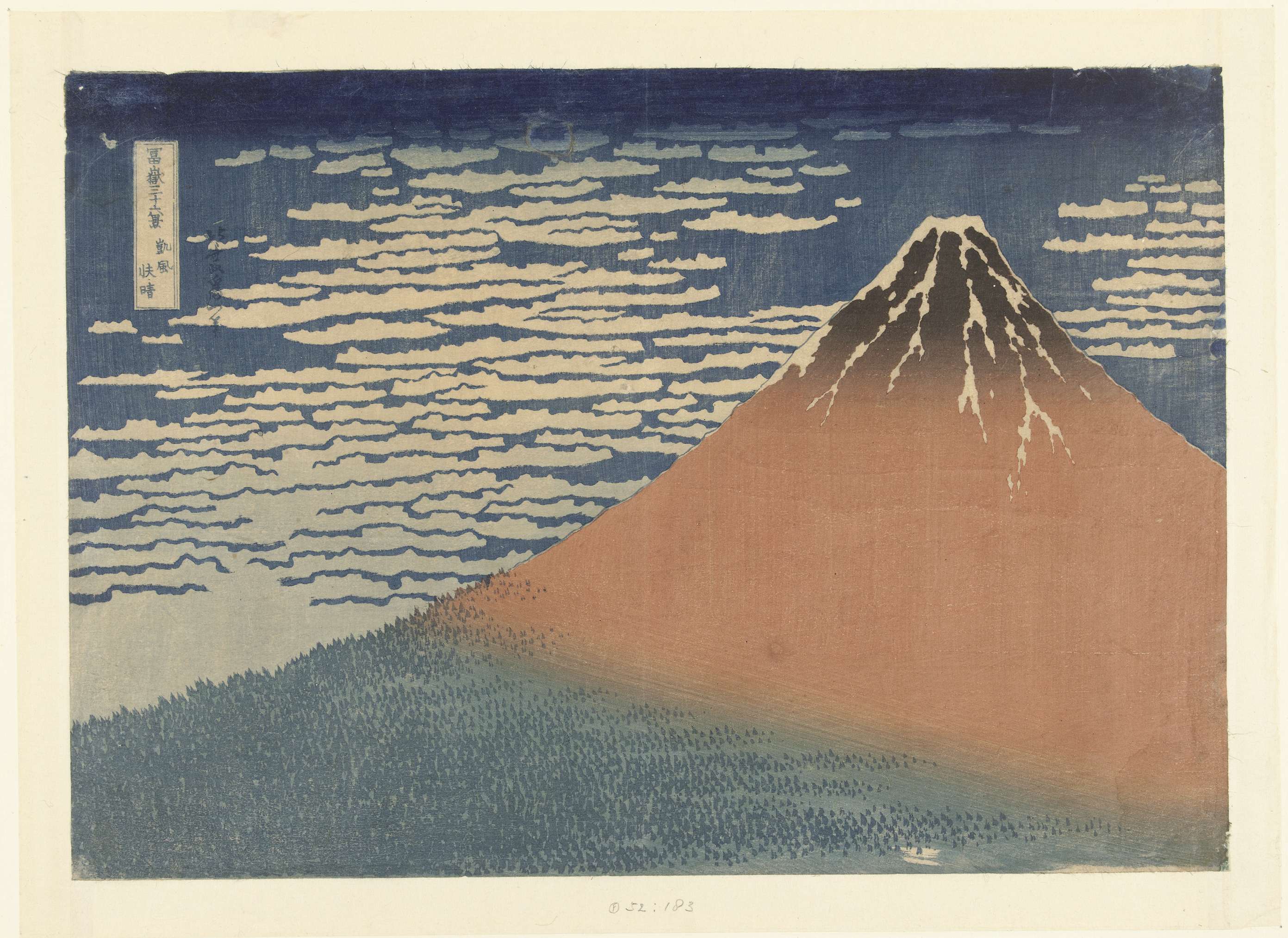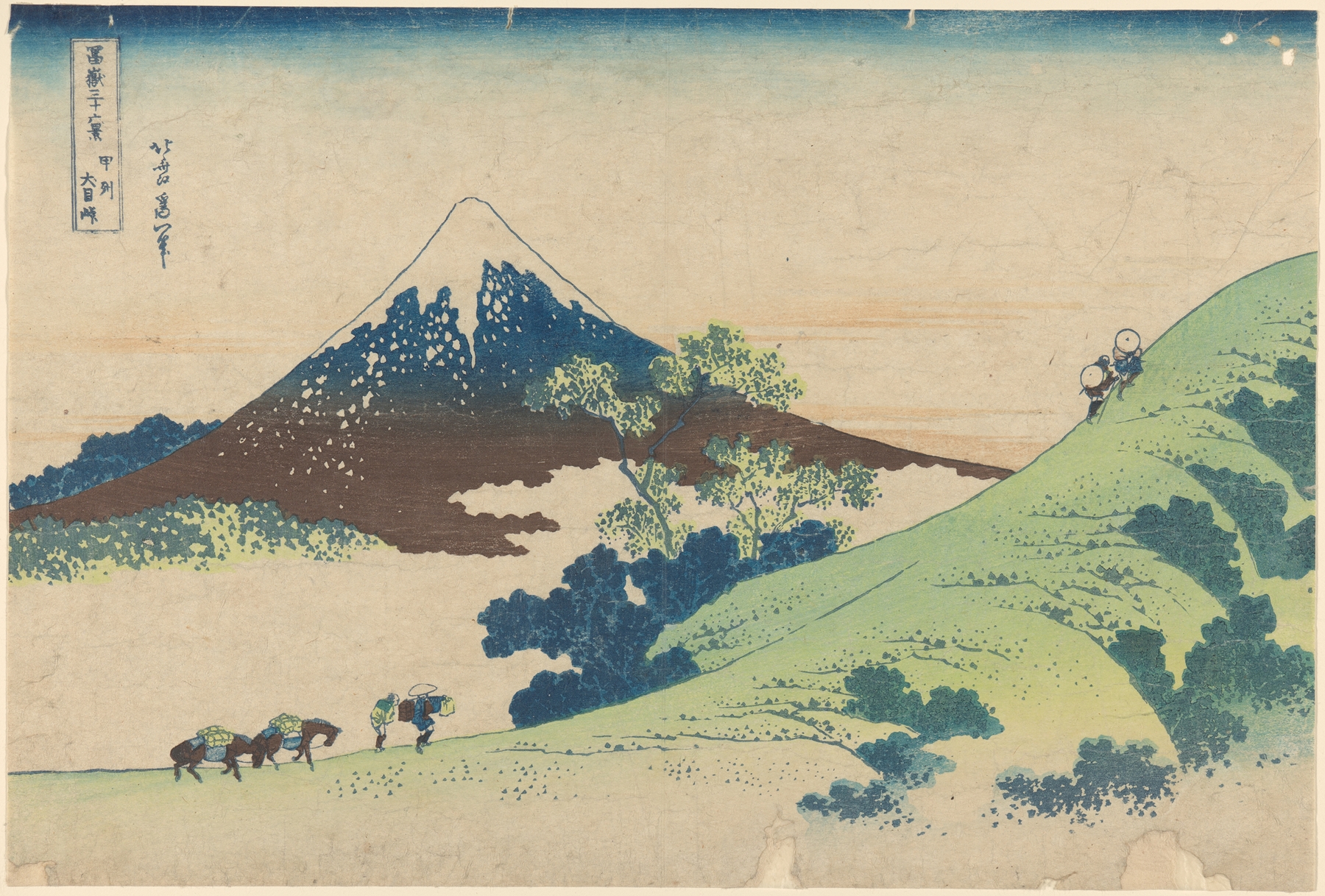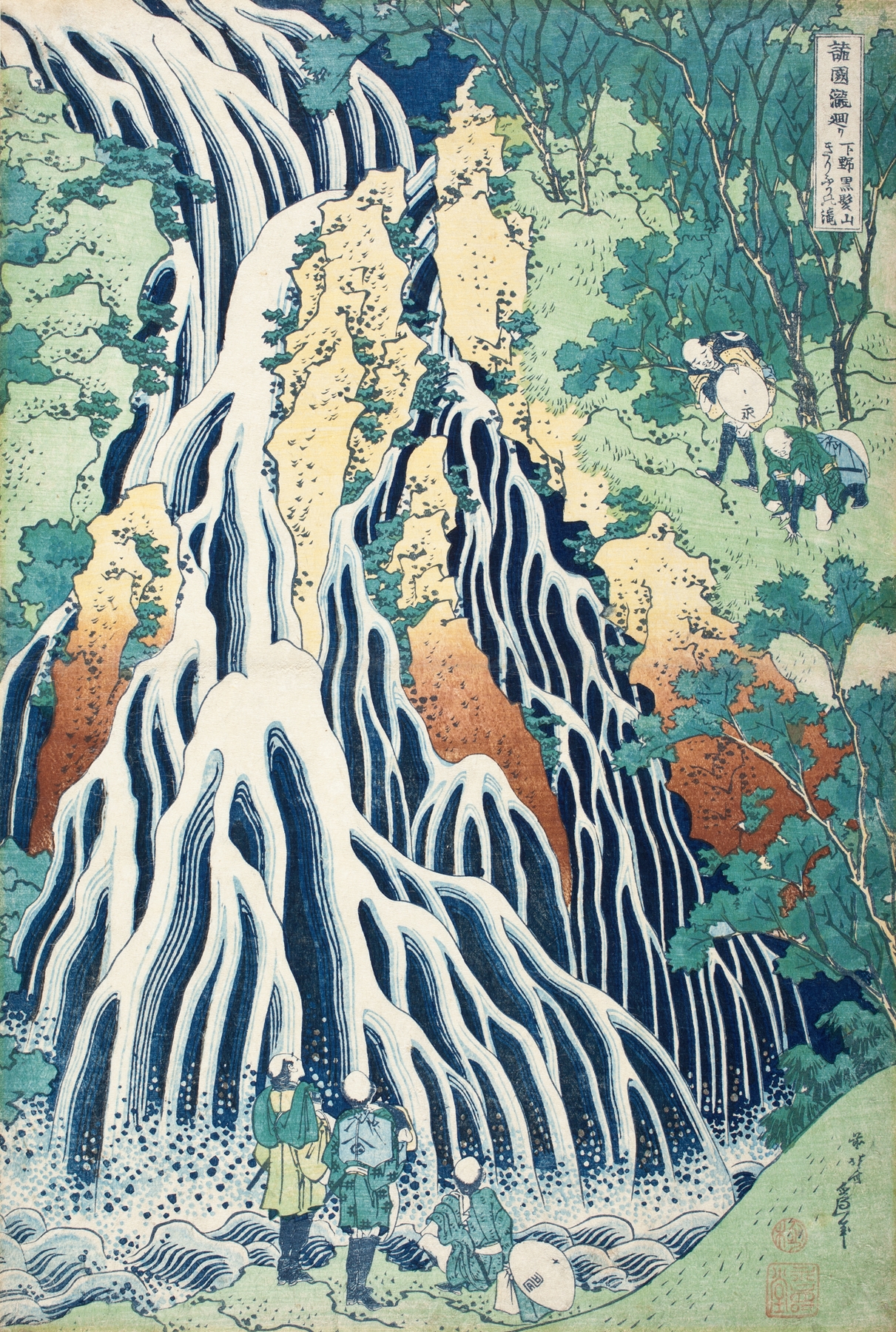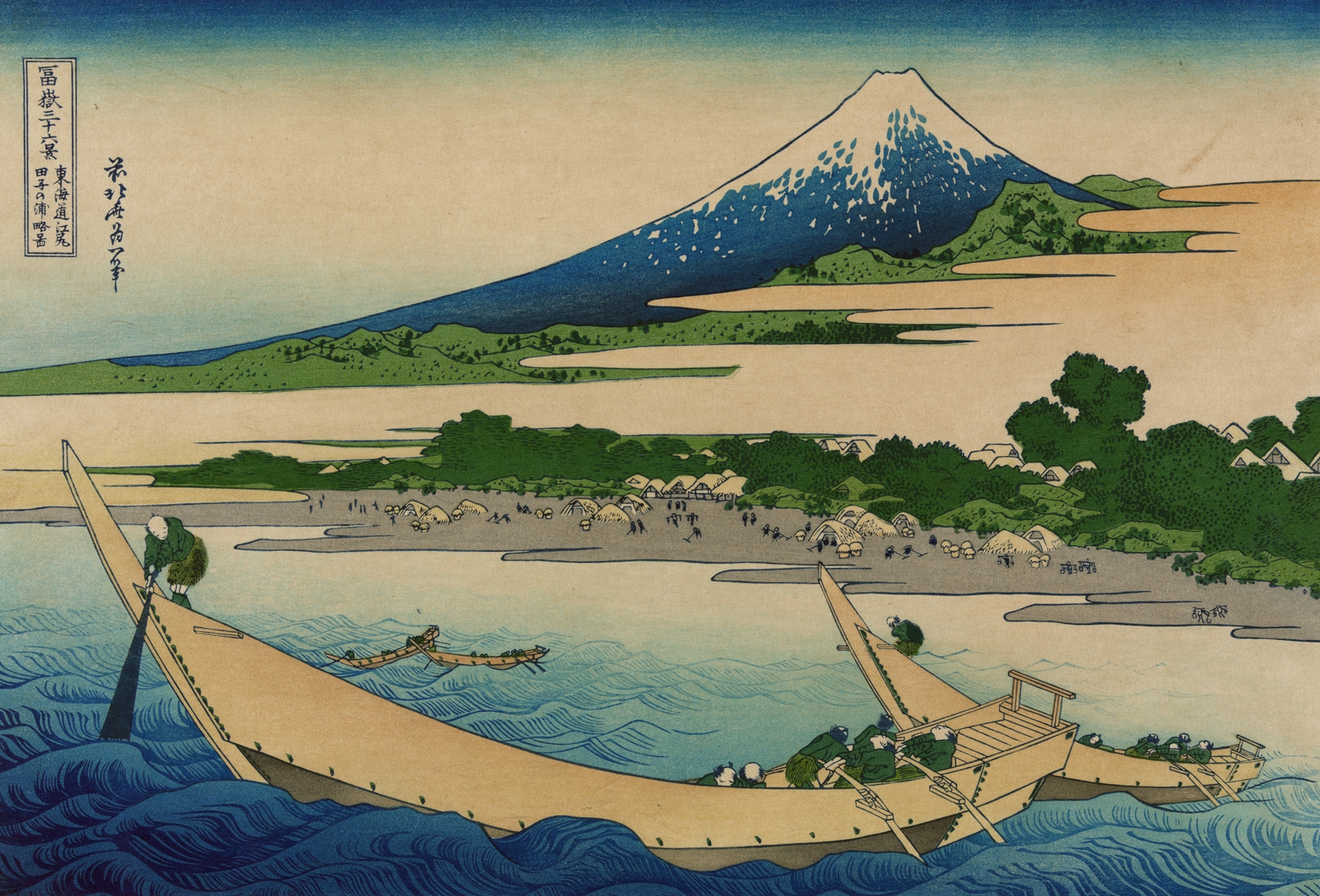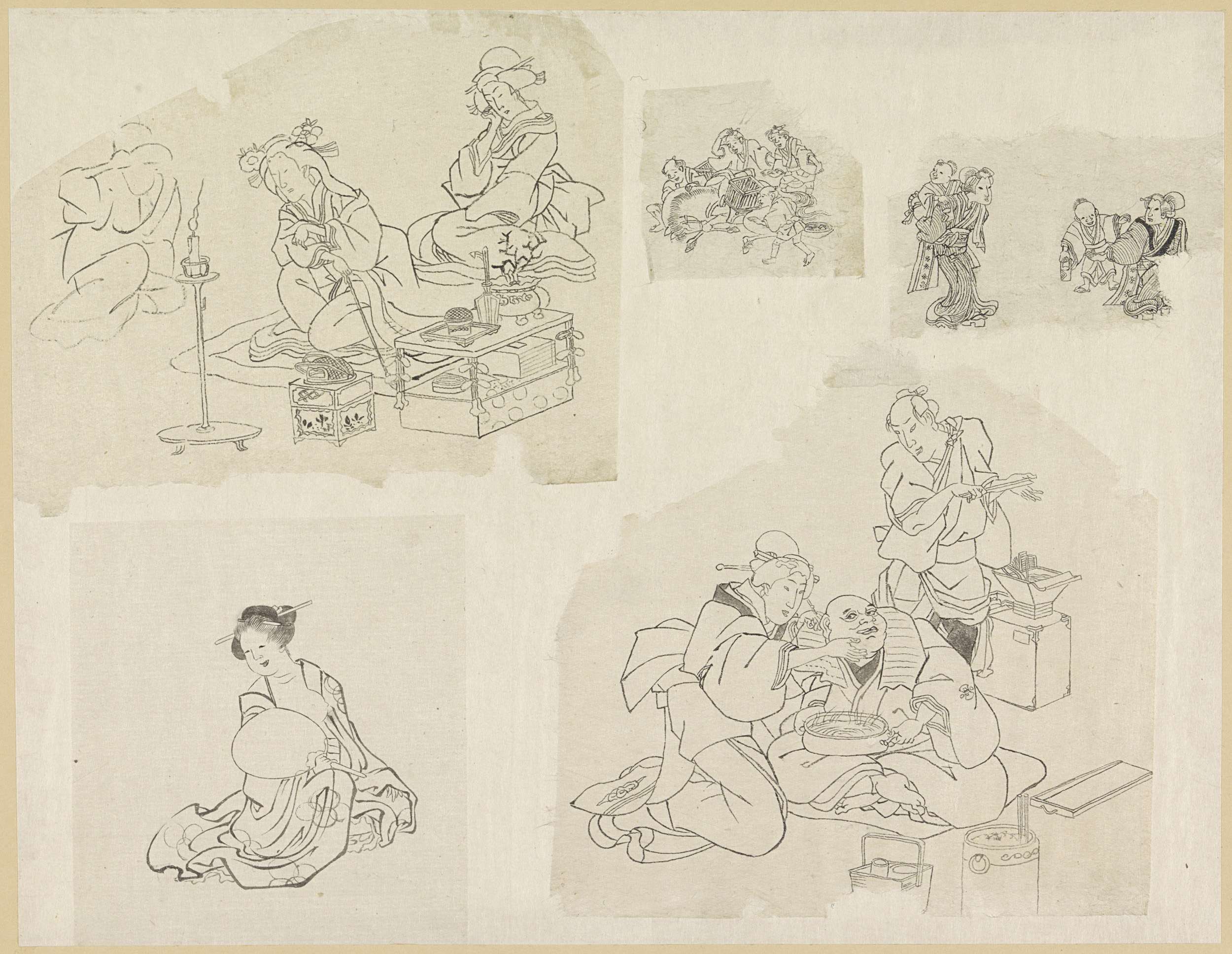
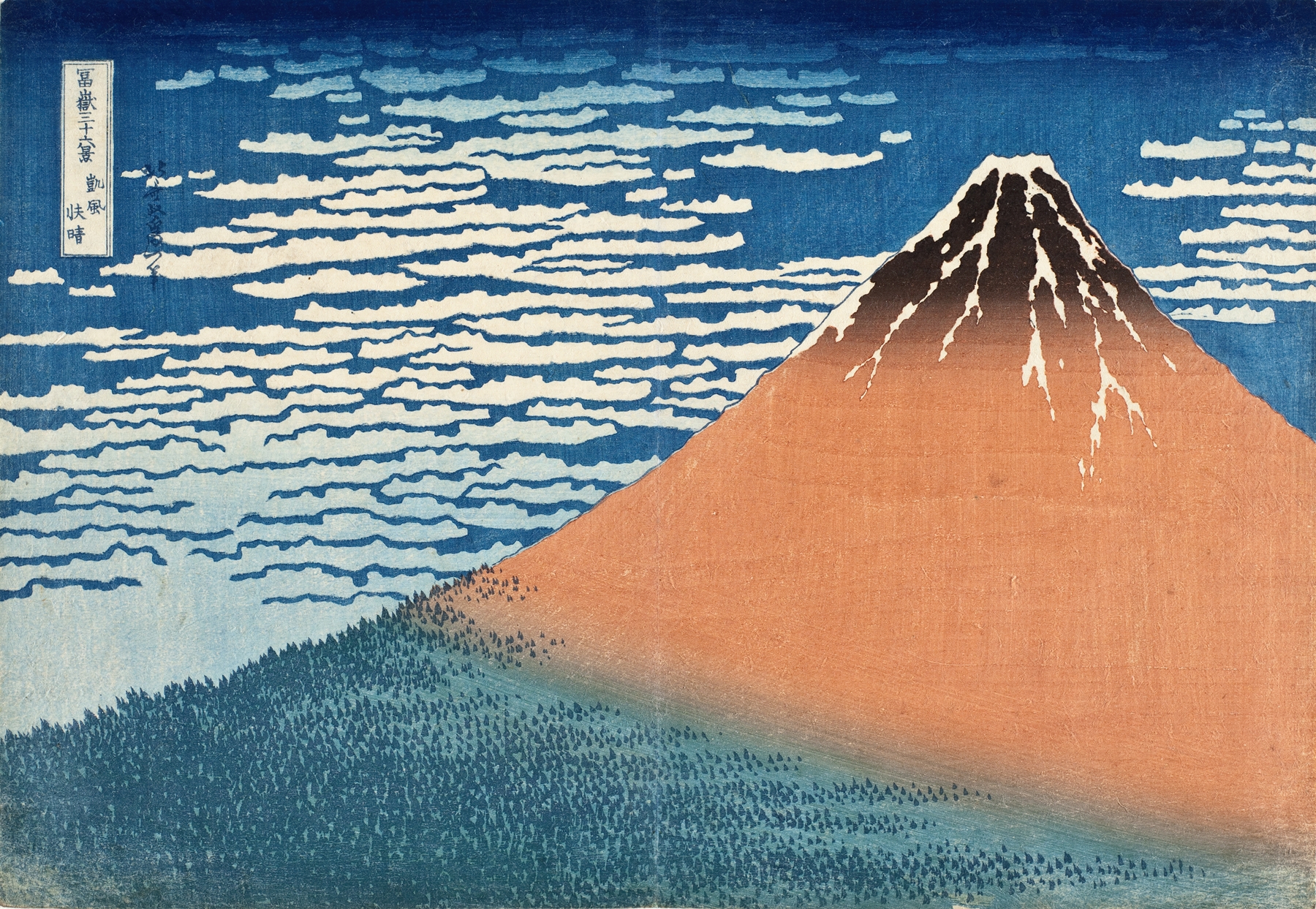
“Under the brush, chaos becomes grace.” In the hands of a master, the tumult of human experience finds equilibrium, revealing the delicate balance between emotion and form. Focus first on the central figures, where their serene expressions invite contemplation amidst the surrounding activity. The artist's distinctive use of line and color guides the eye from the vibrant robes of the characters to the intricate details of their postures and gestures. Notice how the compositions intertwine—each scene a distinct pulse in the rhythm of life, yet harmoniously connected through the gentle flow of Hokusai's ink. Dive deeper into the contrasts presented: the tension between stillness and movement, joy and melancholy. Each character represents a slice of existence, from the laughter of a child to the pensive gaze of an elder, imbued with layers of narrative waiting to be discovered. The contrasting patterns on their garments serve not only as decoration but as symbols—threads connecting their stories, a visual manifestation of their intertwined fates. Created between 1800 and 1900, this work emerged during a transformative period in Japan's art scene, as traditional ukiyo-e began to meld with Western influences. Hokusai, known for his relentless innovation, was exploring new themes, pushing boundaries while drawing upon Japan's rich cultural heritage. His ambition to capture the essence of everyday life resonates in this piece, a testament to his legacy as a bridge between the past and the future of art.