Vue de Triel sous la neige — History & Analysis
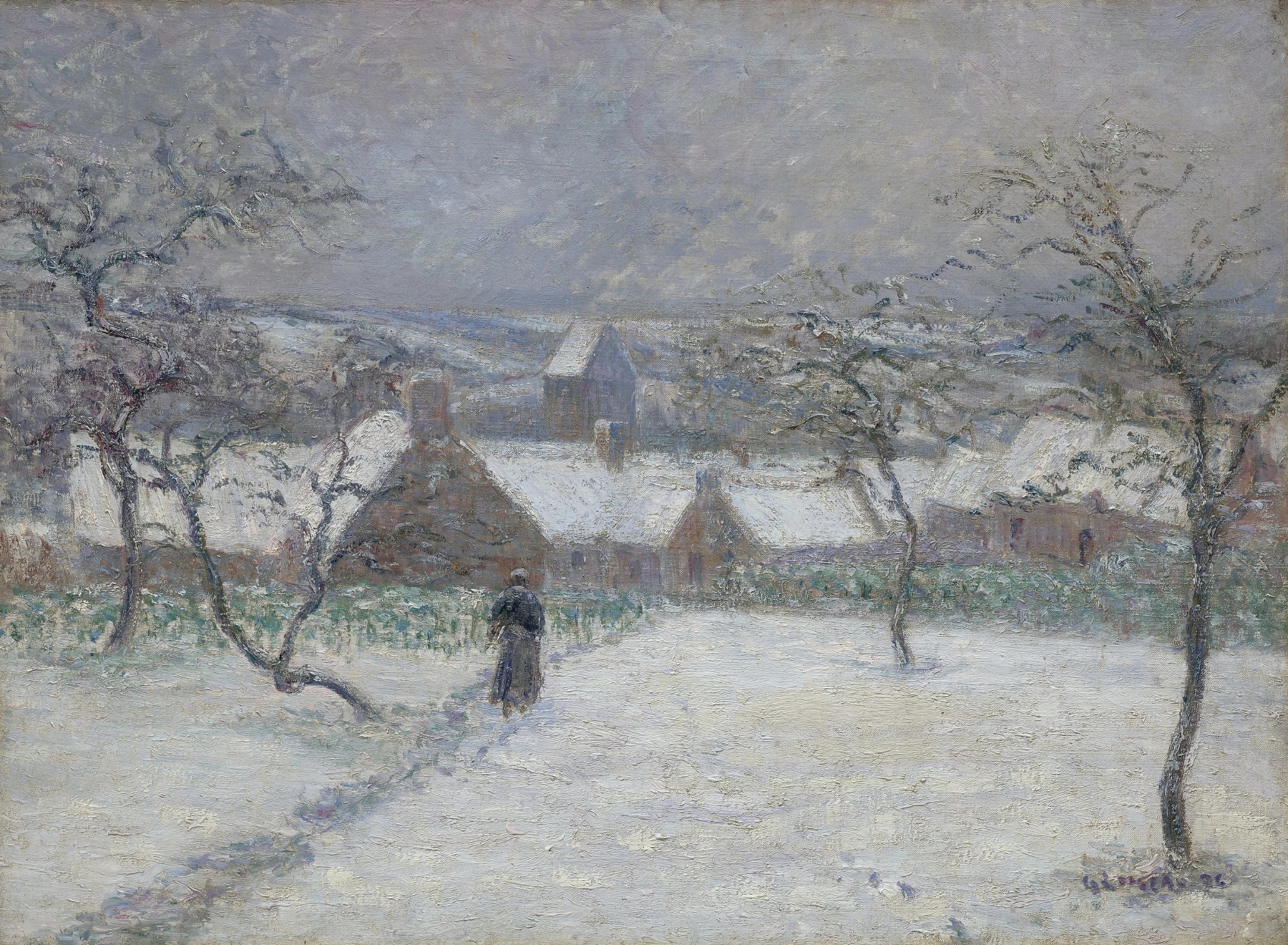
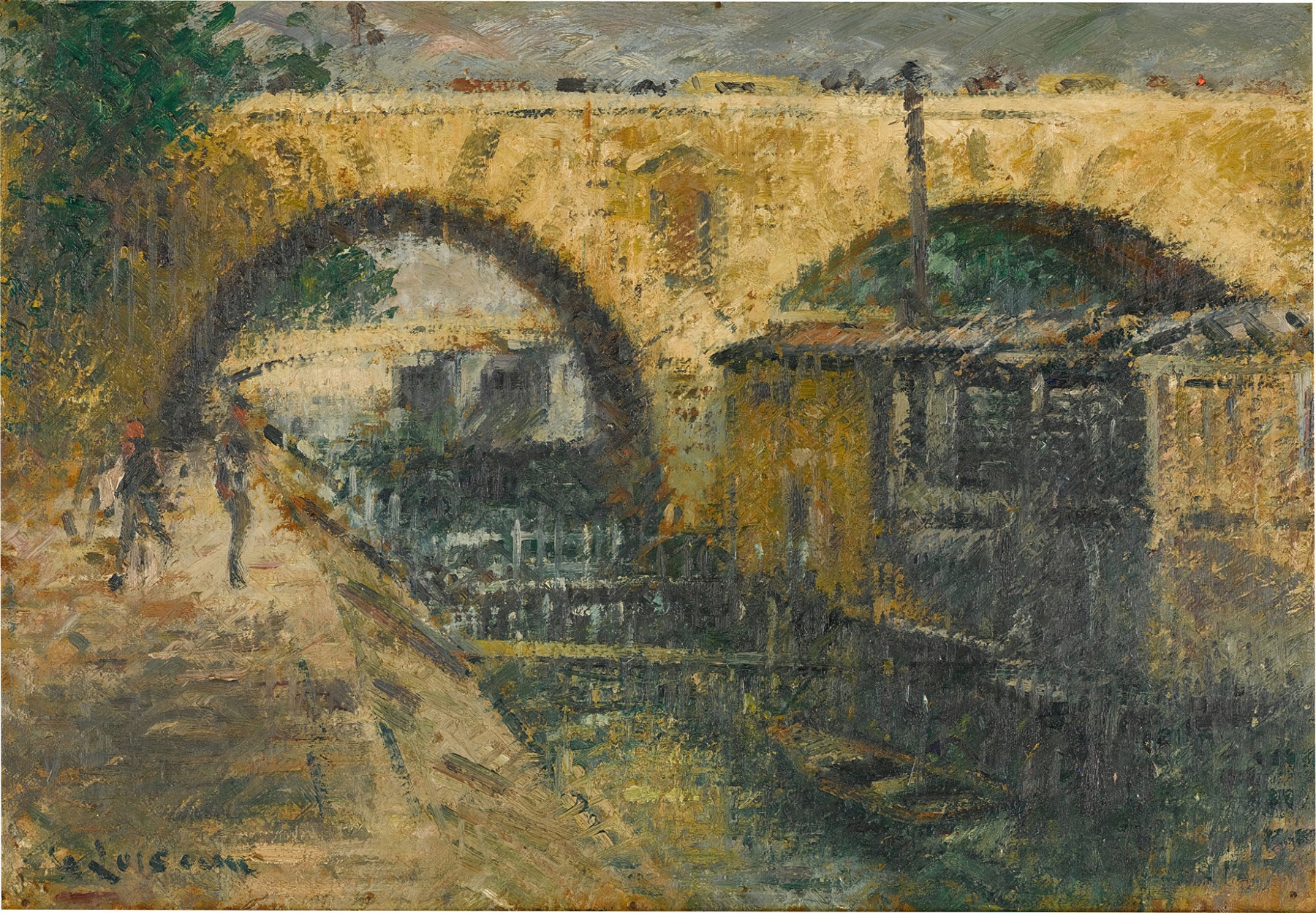
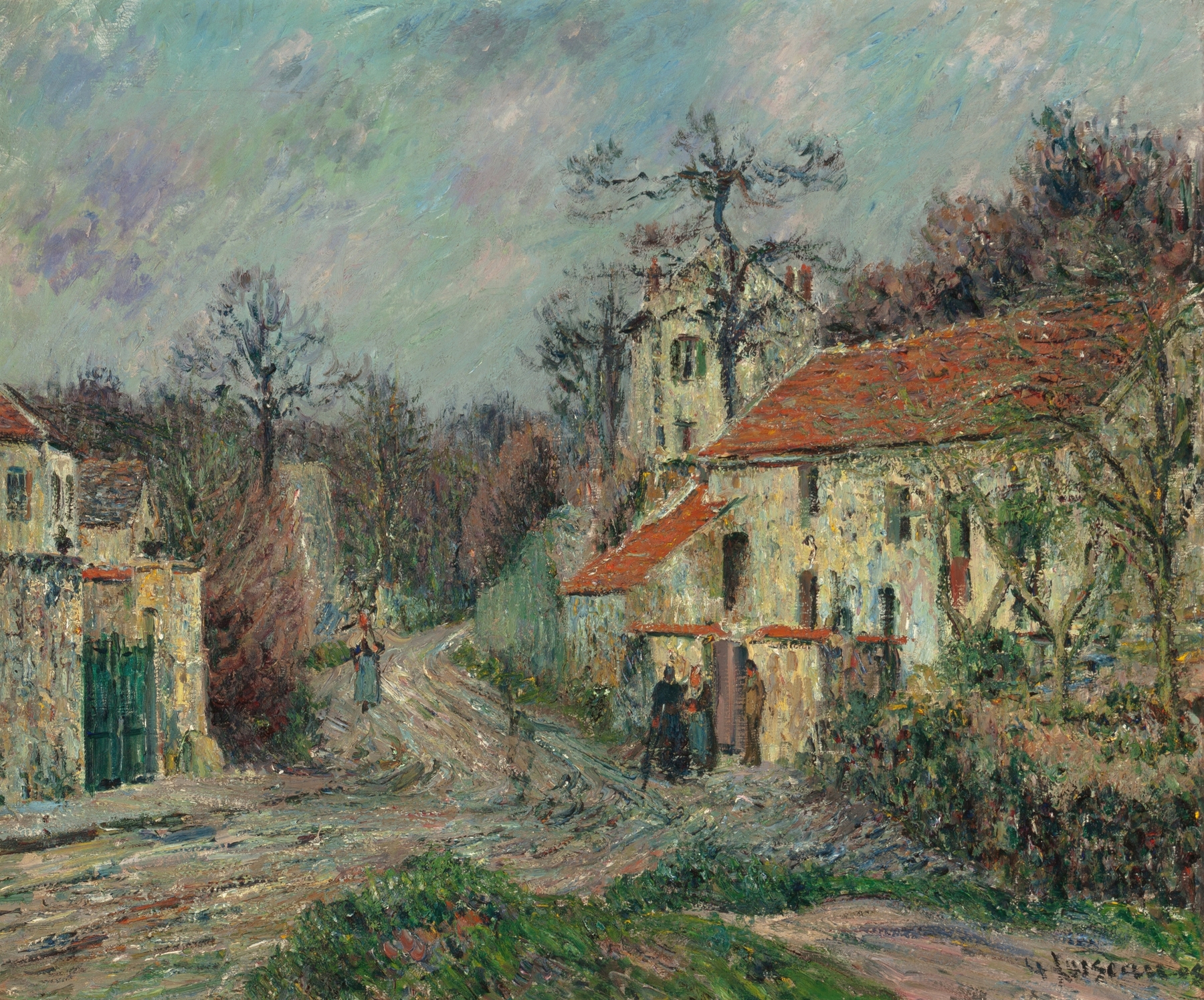
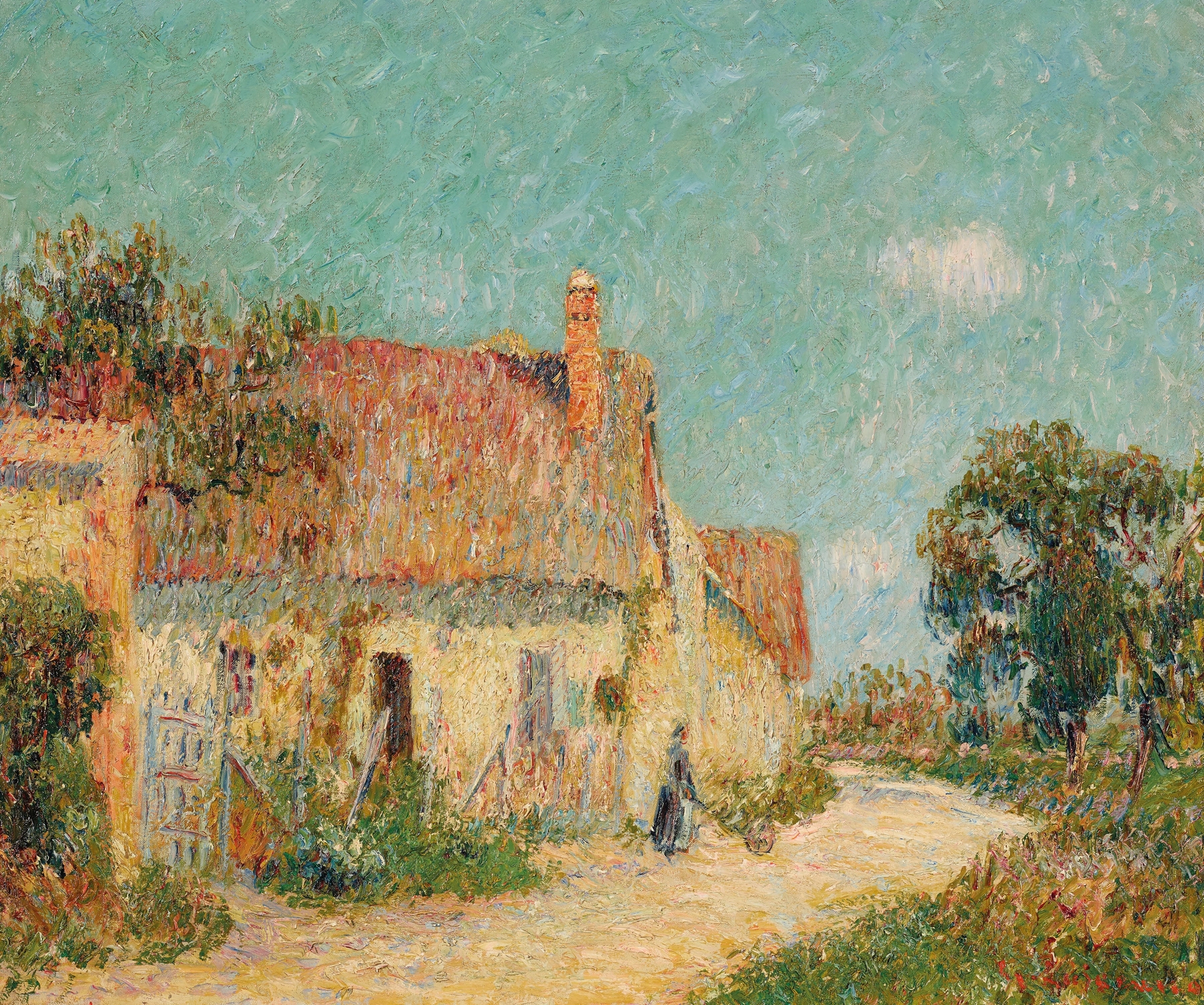
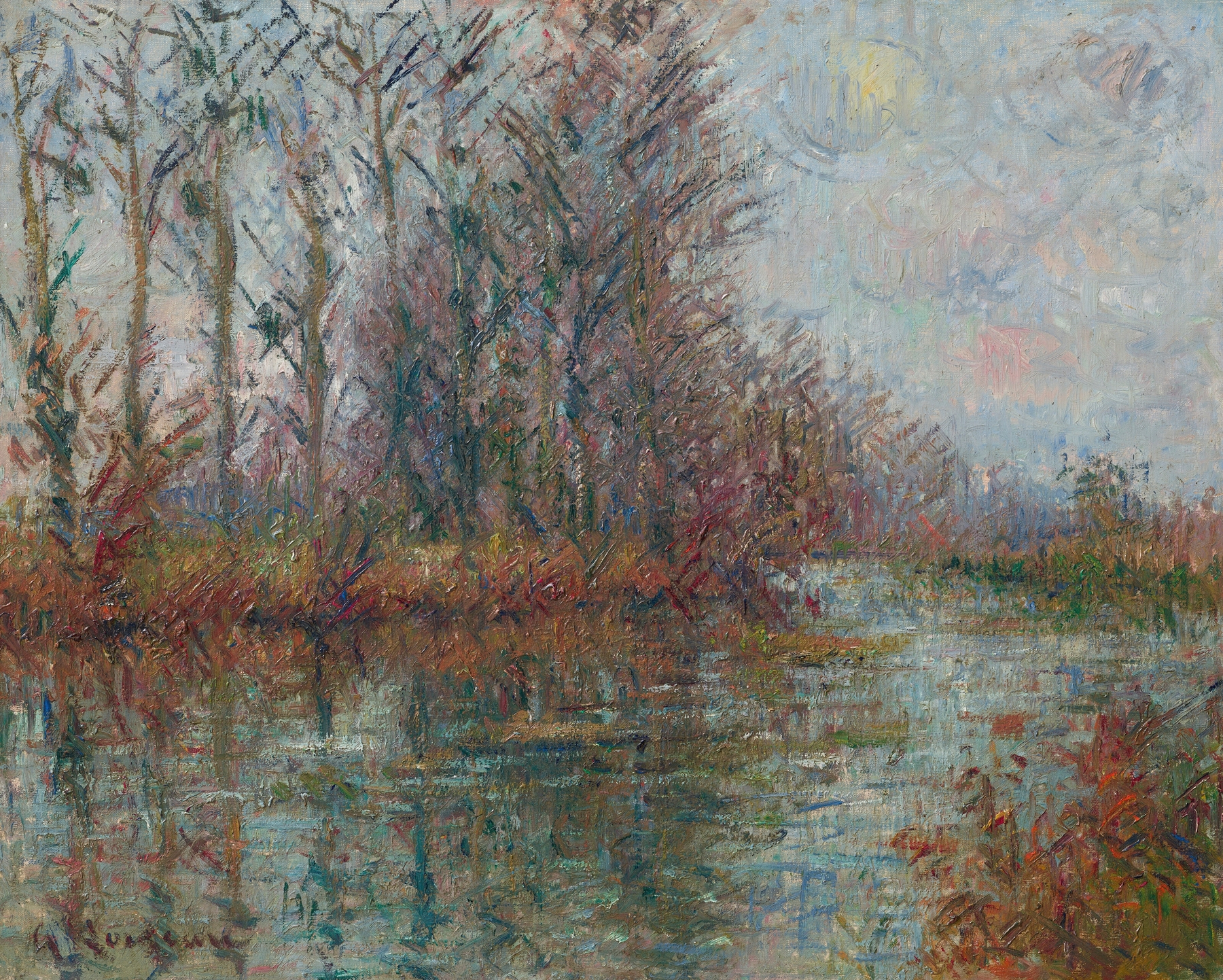
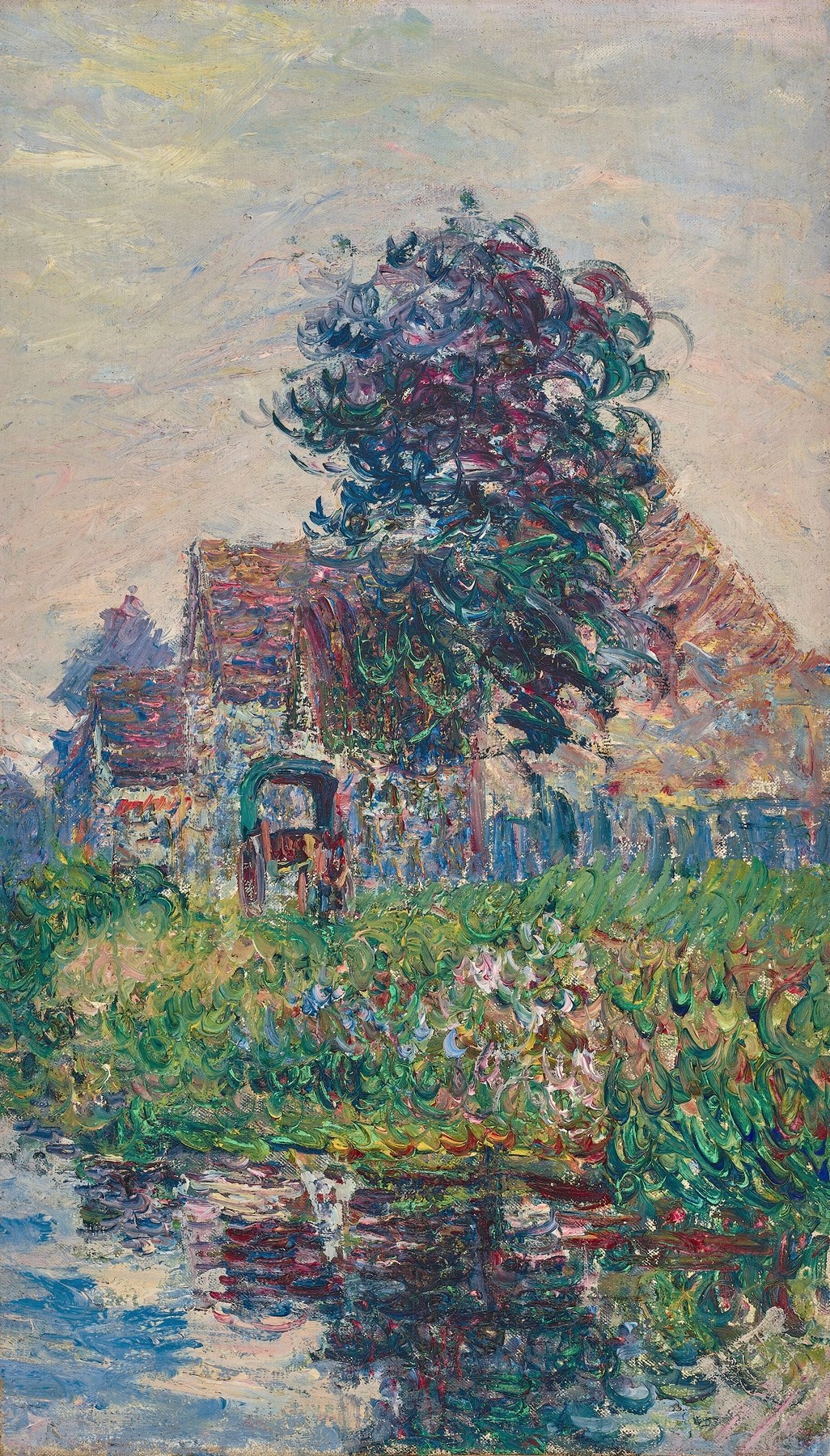
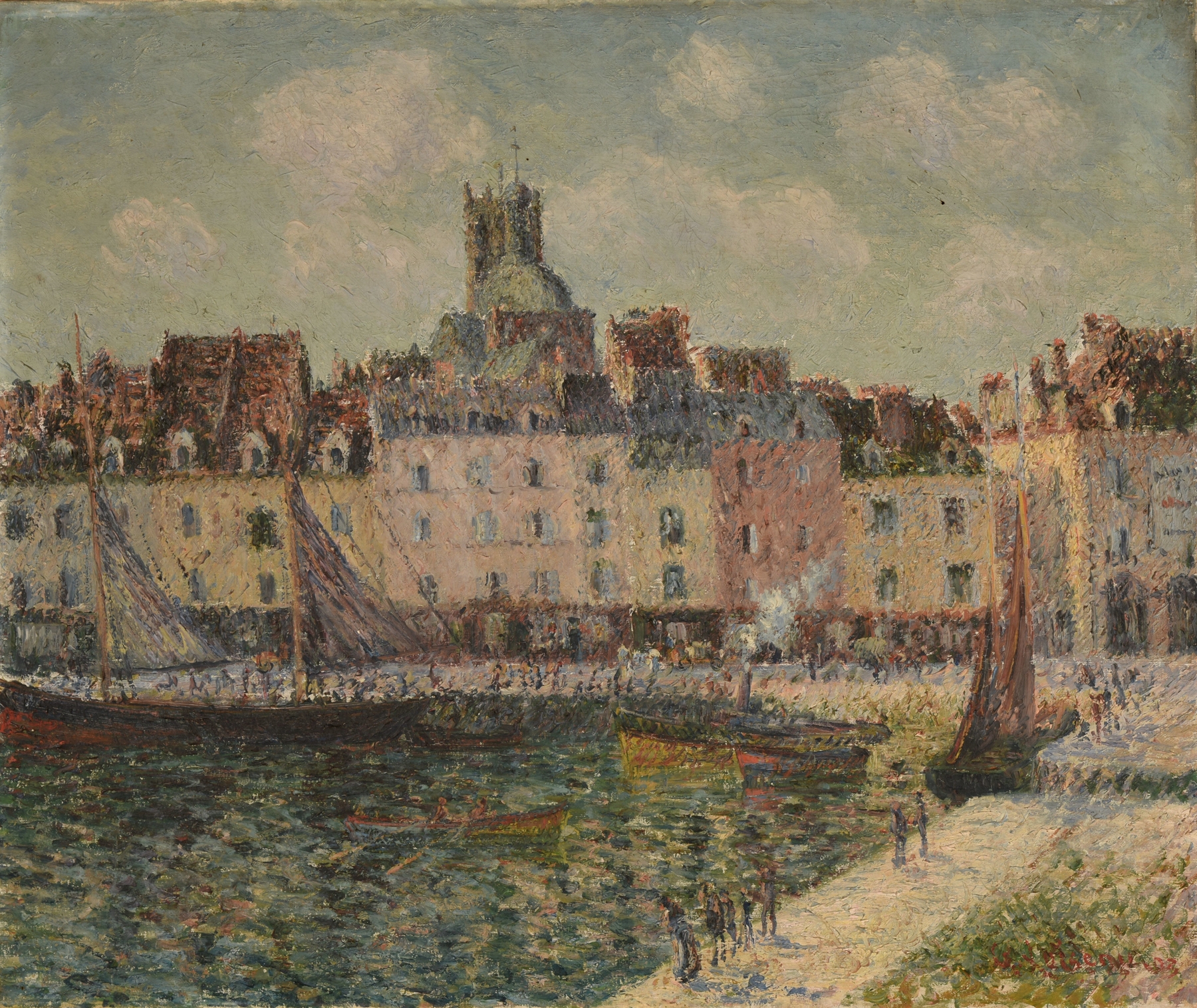
“Every brushstroke is a heartbeat remembered.” In the stillness of winter, one cannot help but yearn for the warmth of connection and memories that thaw the chill of solitude. Look to the left where the soft, powdery snow blankets the rooftops, casting a gentle glow over the quaint village. The delicate strokes of white and muted blues create a serene atmosphere, inviting the viewer into the snowy embrace of the landscape. Notice how the horizon line is softly blurred, as if the world is lost in a dream, while the dark branches of the trees stand in stark contrast, framing the scene and drawing the gaze inward to the heart of the village.
Finding tranquility amidst the cold, the artist captures a moment that speaks to the quiet beauty found in isolation. Each brushstroke reveals the tension between the harshness of winter and the cozy life within the homes, illustrating a profound longing for warmth and connection. This contrast of color and texture evokes a sense of nostalgia, as the viewer can’t help but reflect upon their own memories of winter’s embrace.
Gustave Loiseau painted Vue de Triel sous la neige in 1916, during a time when the world grappled with the shadows of conflict amid the Great War. Working from his studio in France, he sought solace in nature, turning to landscapes that conveyed serenity and hope. As the art world began to embrace new movements, Loiseau remained devoted to Impressionism, allowing the emotional weight of his brushwork to resonate deeply with the viewer.