Warships Passing in the Channel — History & Analysis
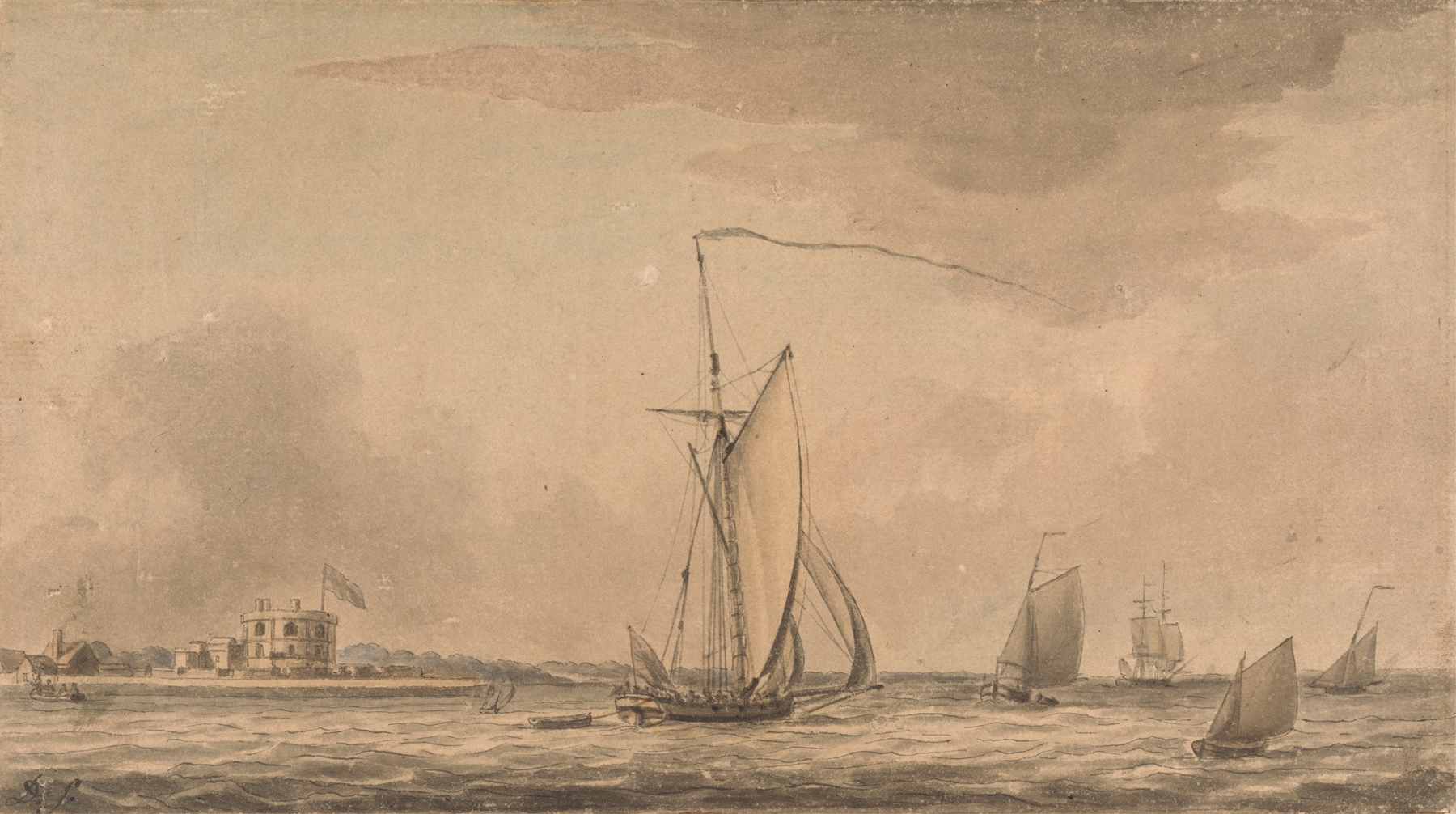
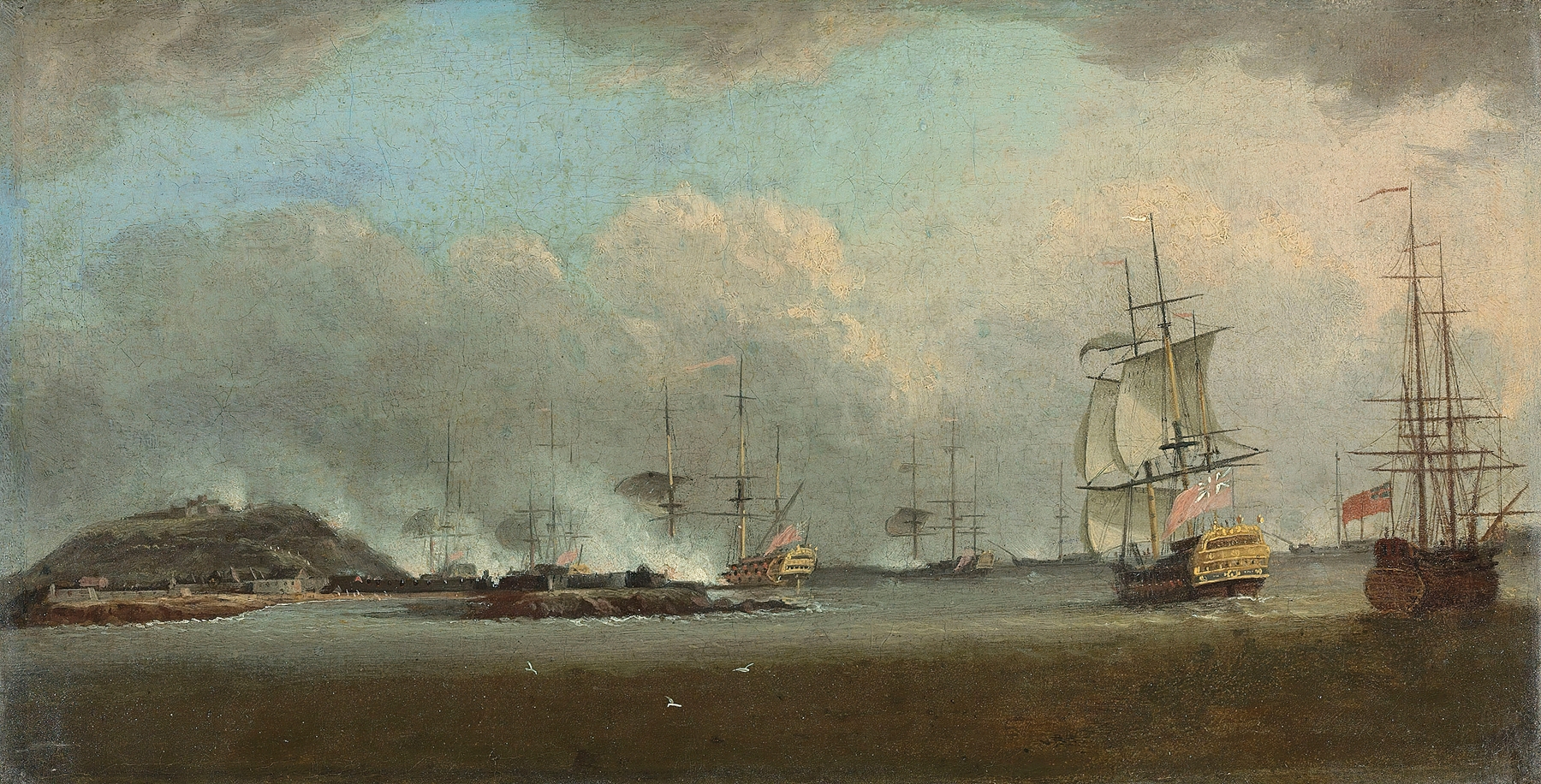
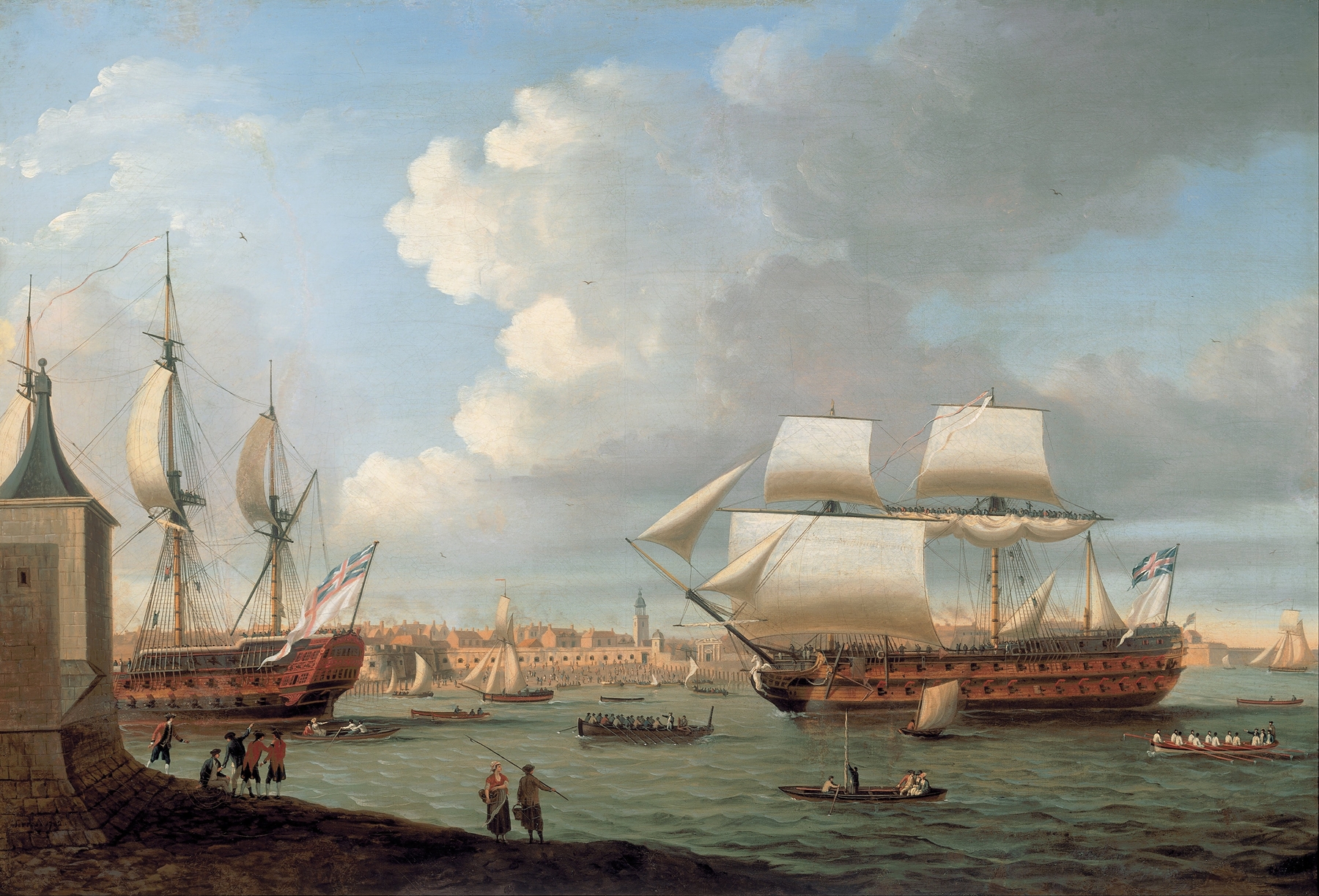
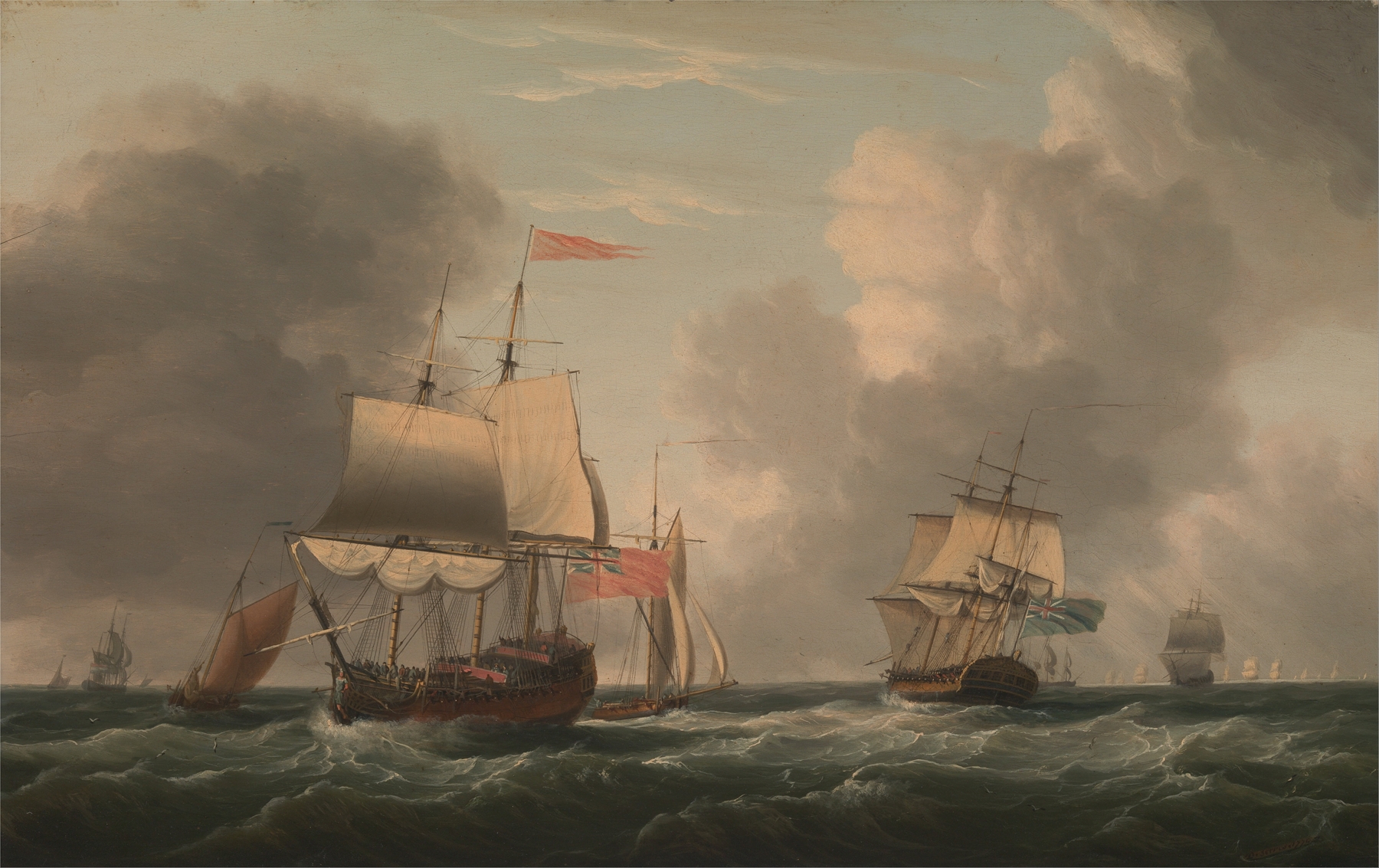
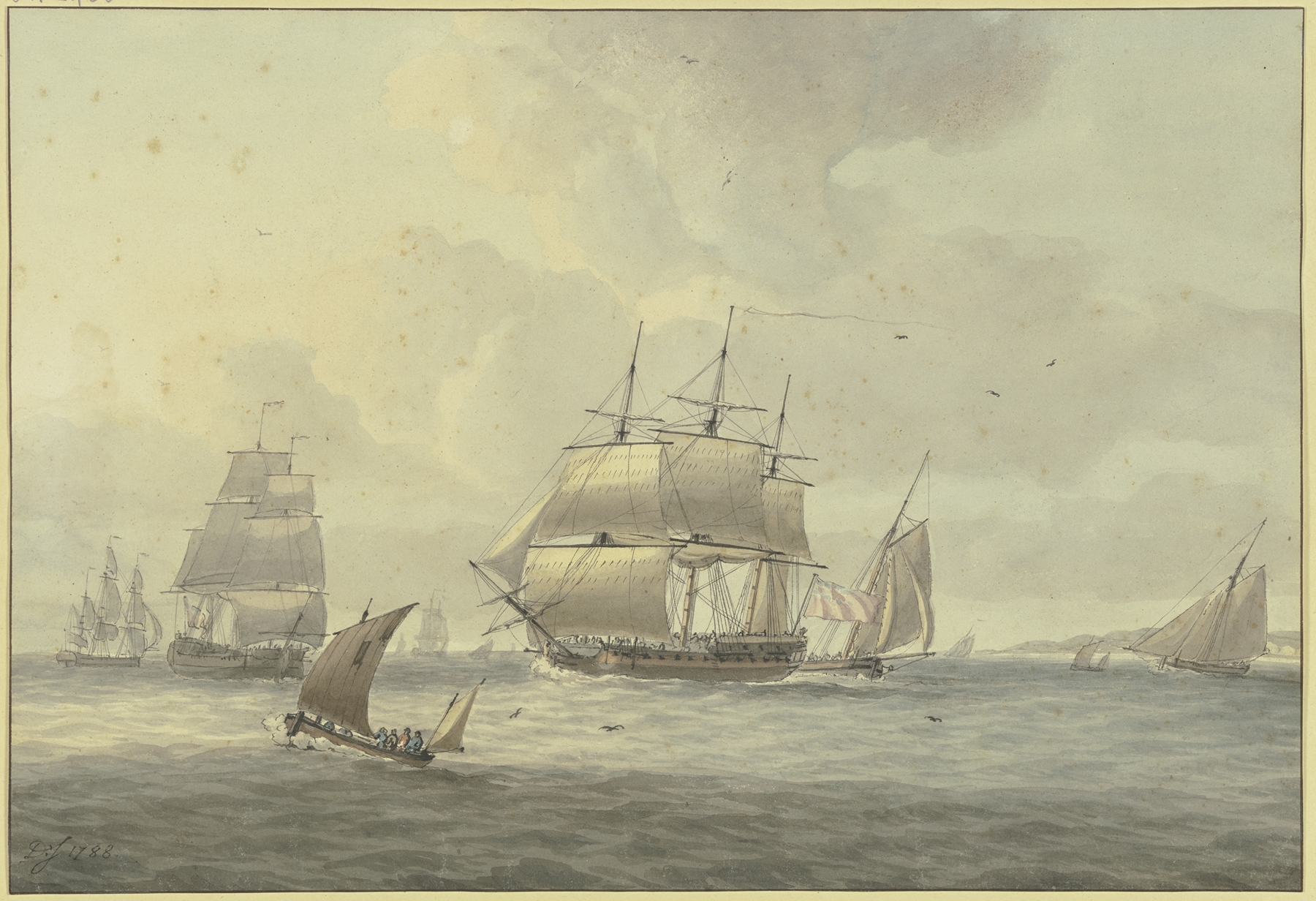
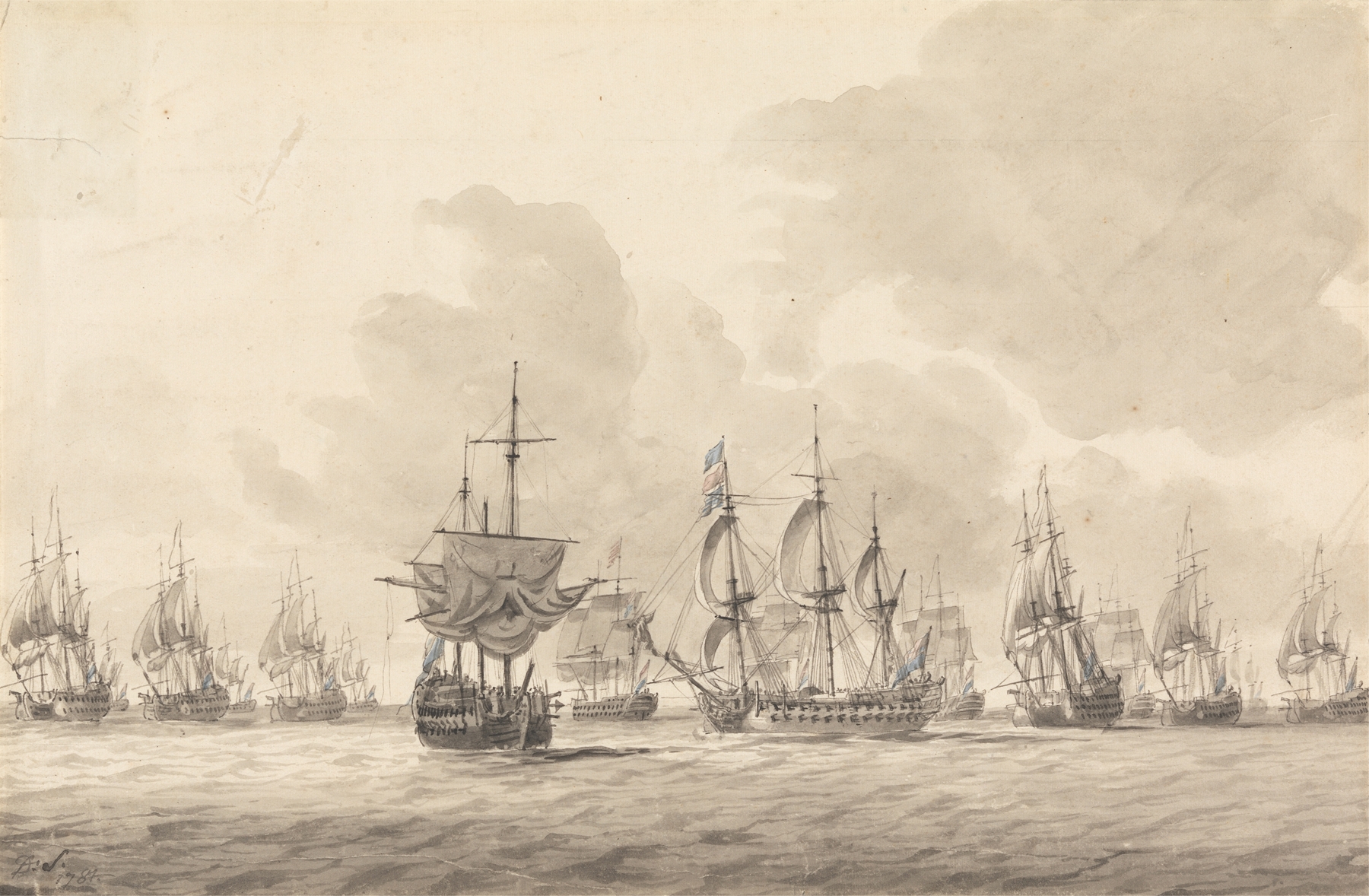
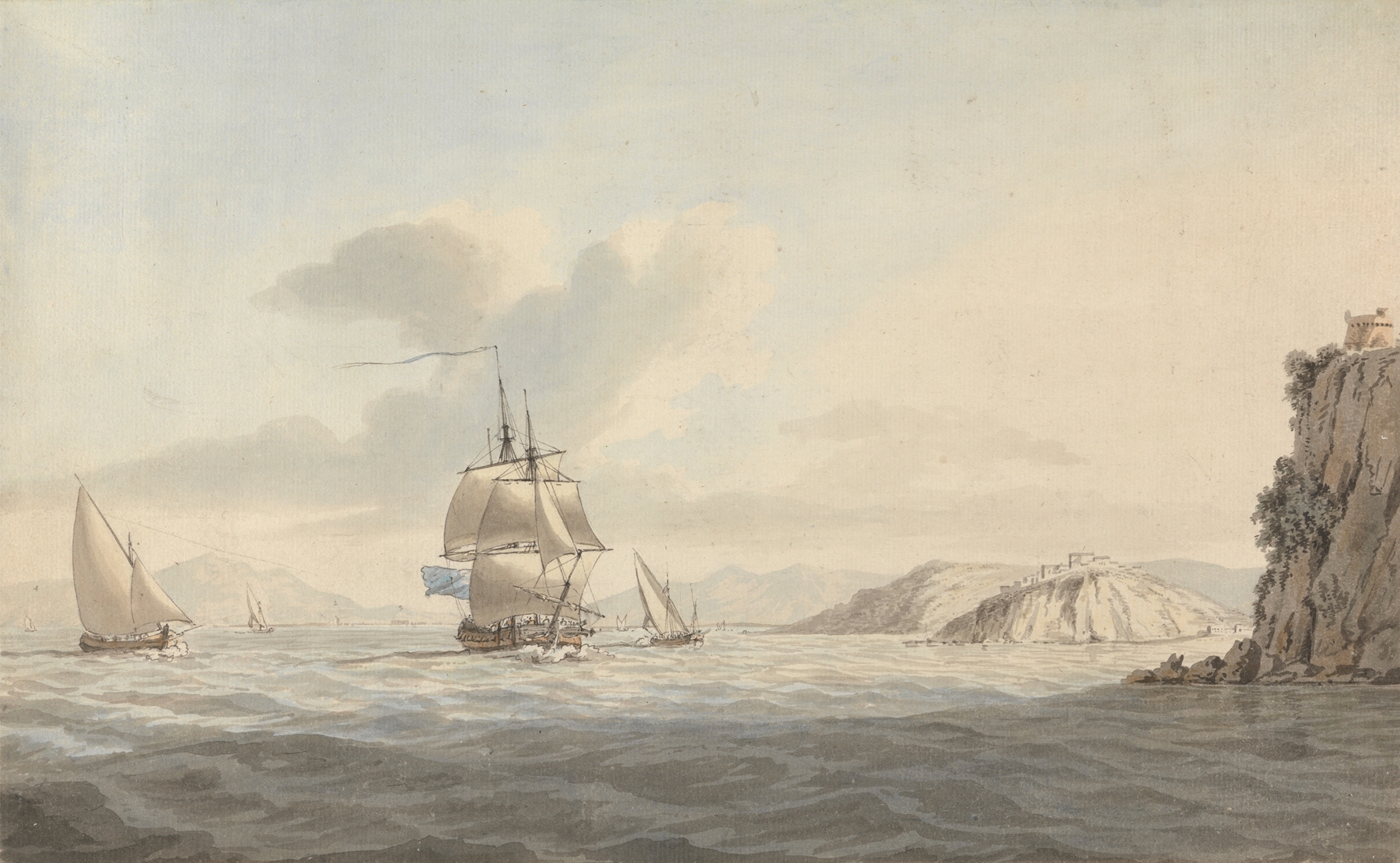
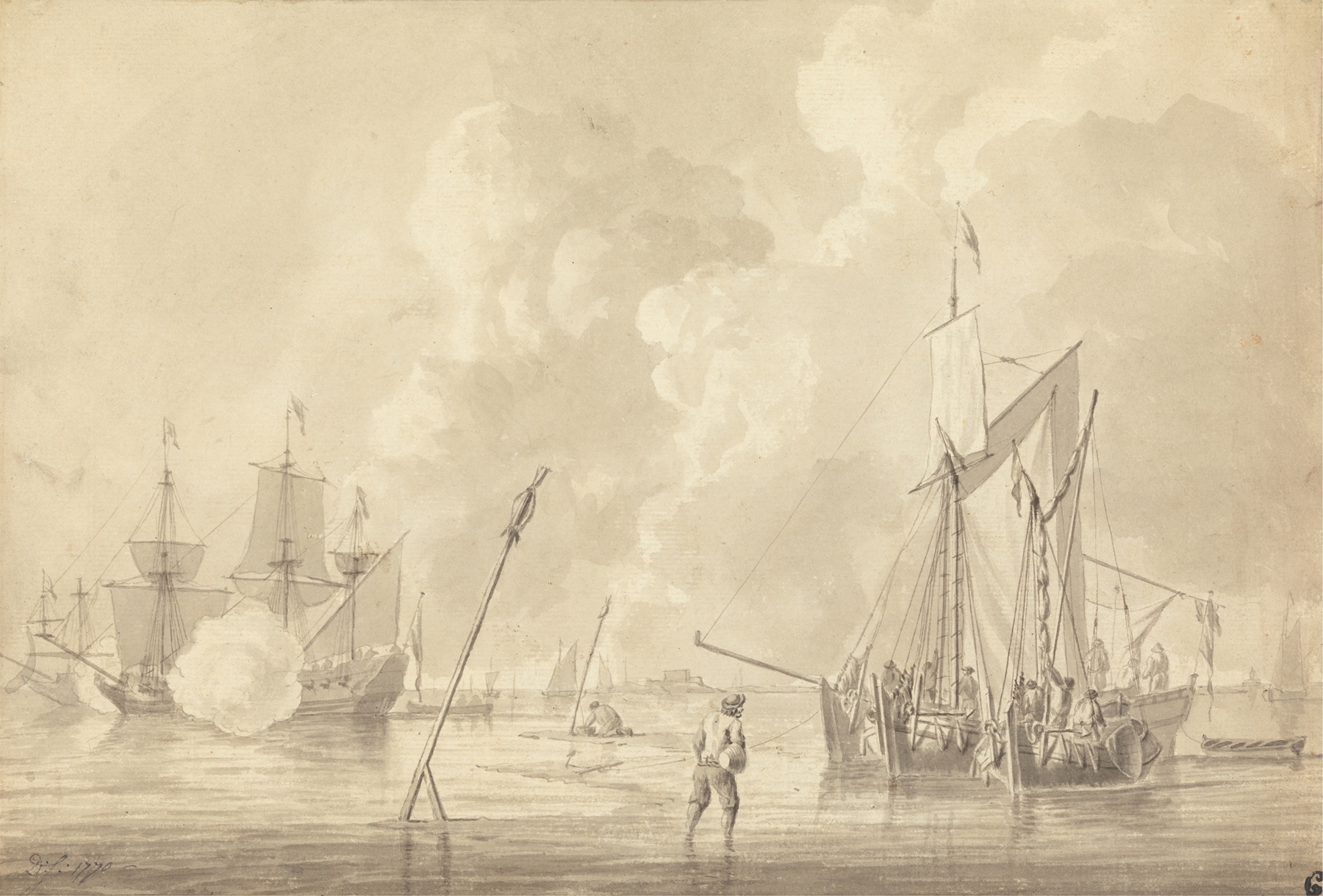
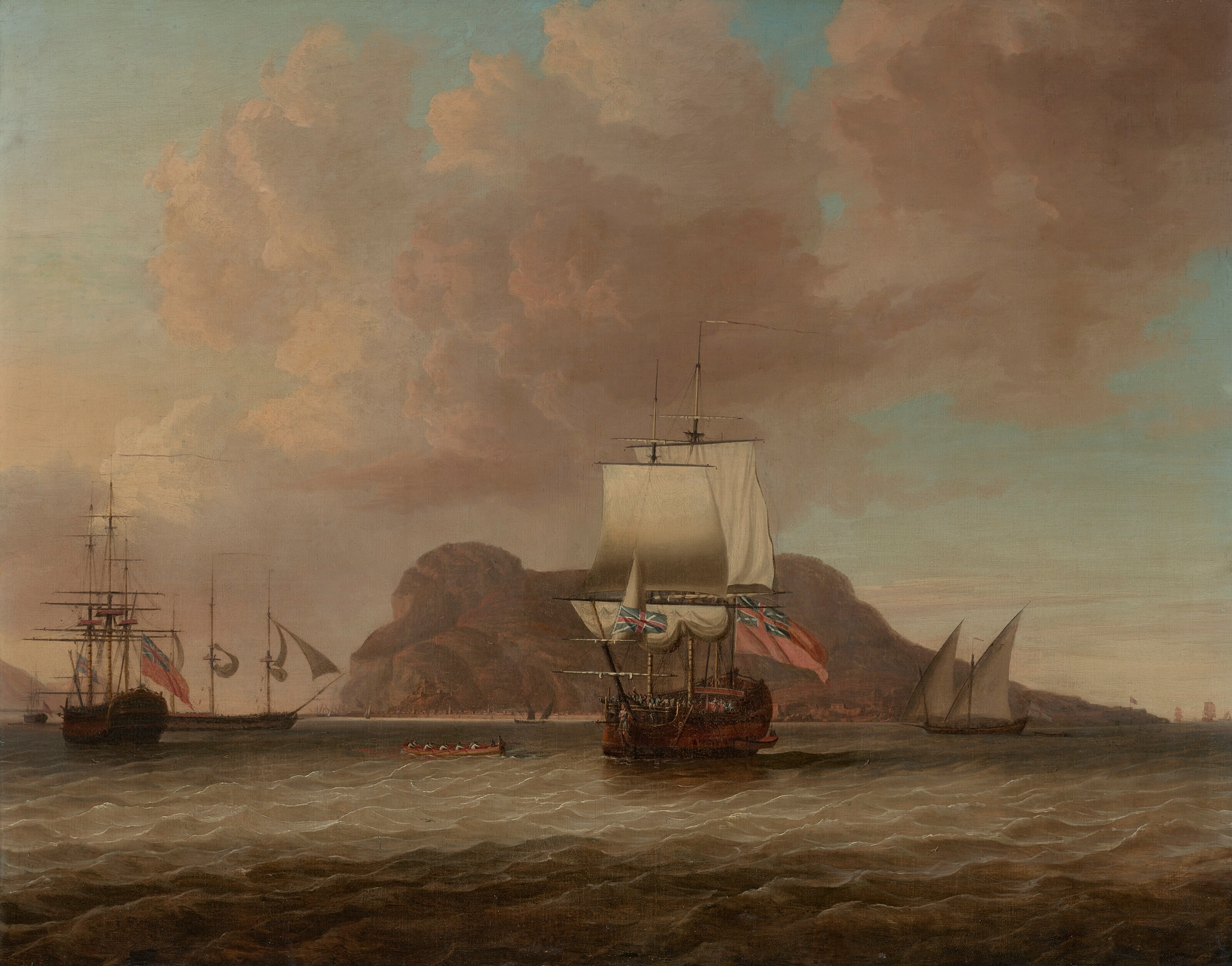
“Between color and silence, truth hides.” In the midst of a vast, lonely expanse, the subtle beauty of solitude emerges, echoing the hearts of those who gaze upon it. Look to the left, where muted blues of the sea meet the soft, shadowy silhouettes of distant warships. Notice how the gentle brushstrokes create an atmosphere of stillness, the delicate interplay of light and shadow lending a palpable weight to the scene. The restrained palette contributes to a sense of melancholy, inviting viewers to delve deeper into the distances that separate each vessel, both physically and emotionally.
The painting resonates with the tension of isolation amidst collective movement. The warships, so close yet so far, serve as metaphors for human connection, suggesting that even in shared endeavors, profound loneliness can linger. The horizon blurs where the sky meets the water, hinting at the fragility of boundaries and relationships, while the lack of human presence emphasizes the solitude experienced within the grandeur of the naval display.
Dominic Serres created this work during an era when maritime themes were burgeoning in popularity, reflecting the cultural context of naval power in the late 18th century. While specific details about the date remain ambiguous, it is known that he produced several works capturing the life at sea, influenced by his own experiences as a naval draughtsman. The world was witnessing the rise of maritime nations, yet the quiet lone ships in his paintings resonate with a profound sense of isolation that speaks to the human condition.