Warships Preparing to Sail from their Anchorage — History & Analysis
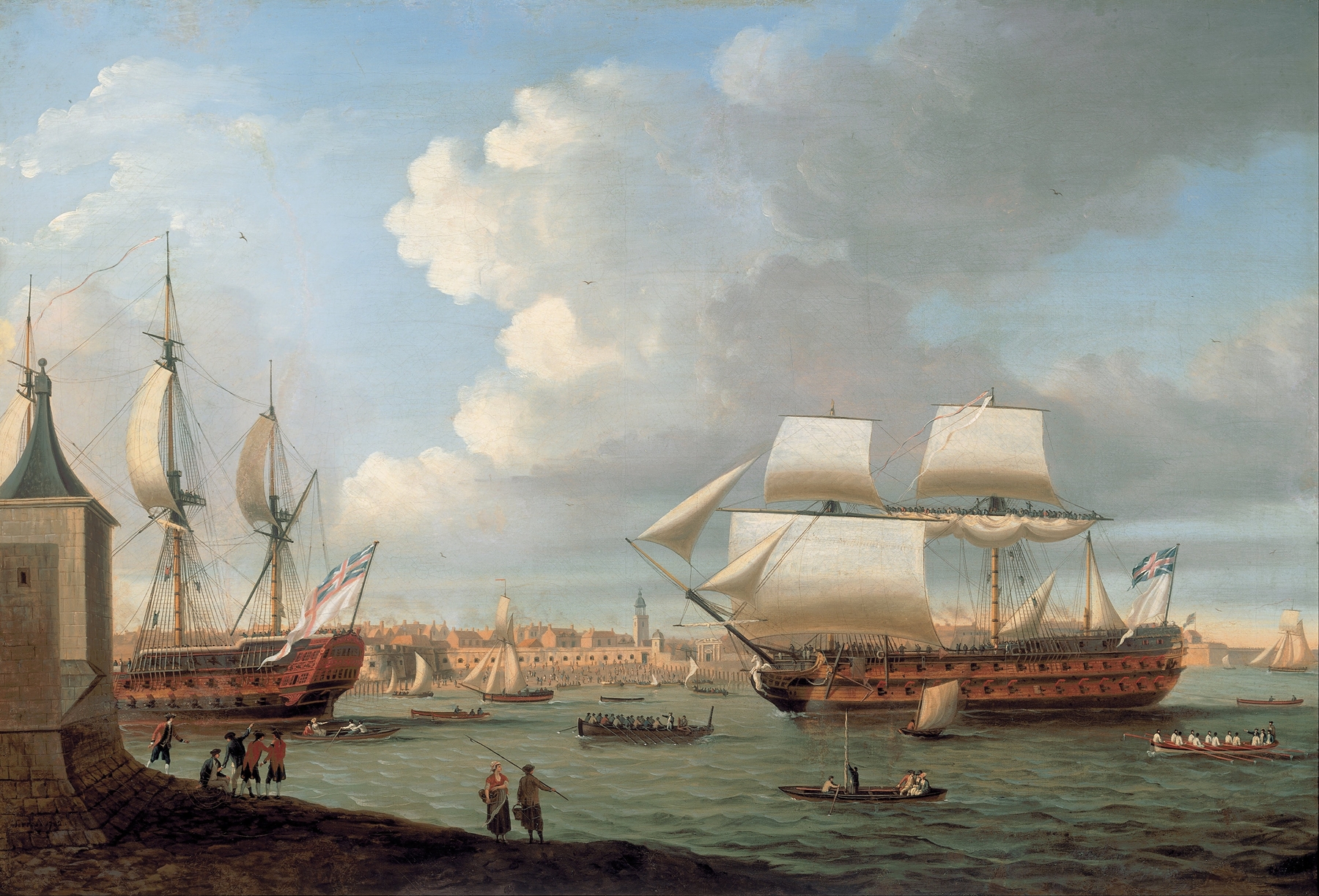
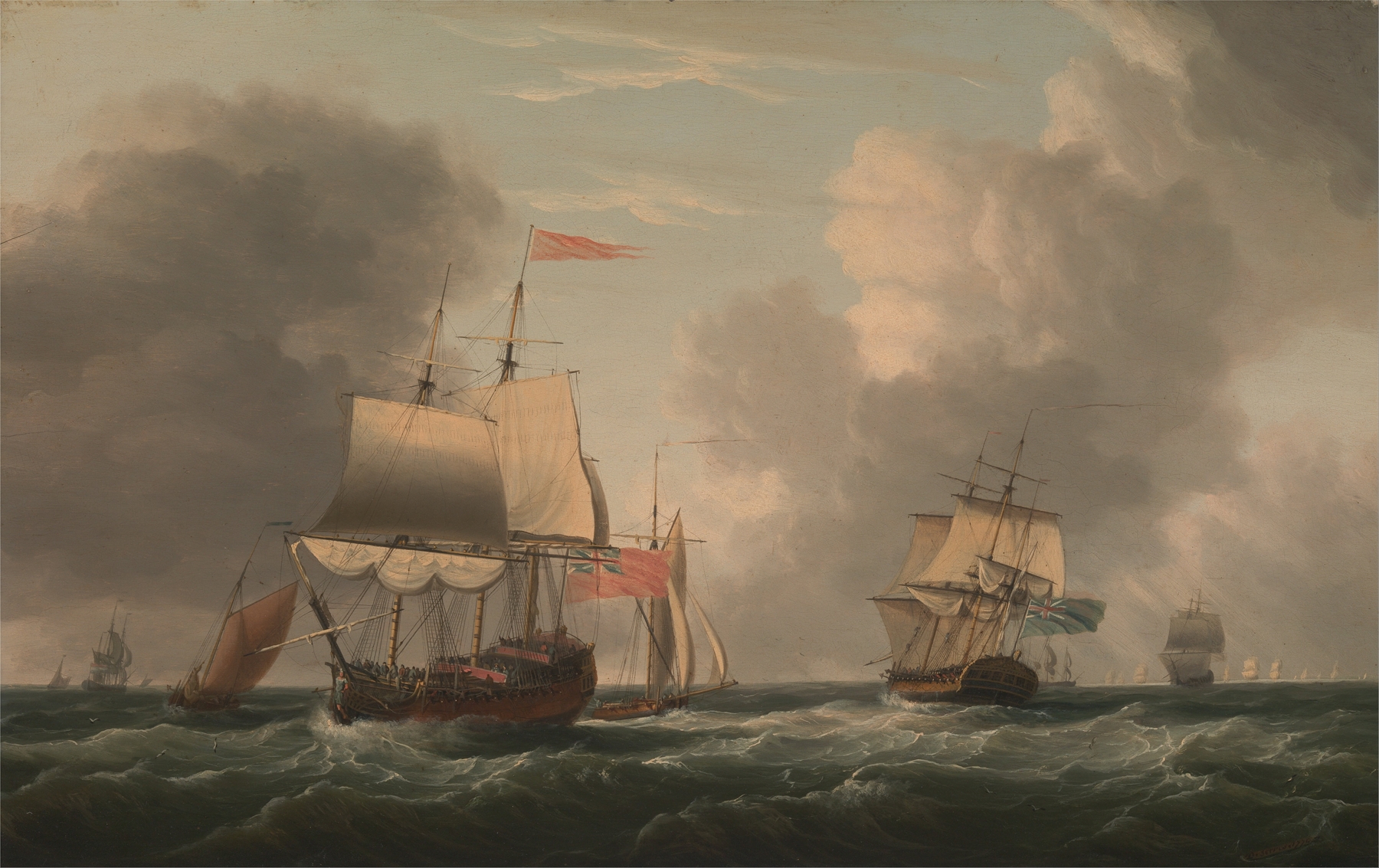
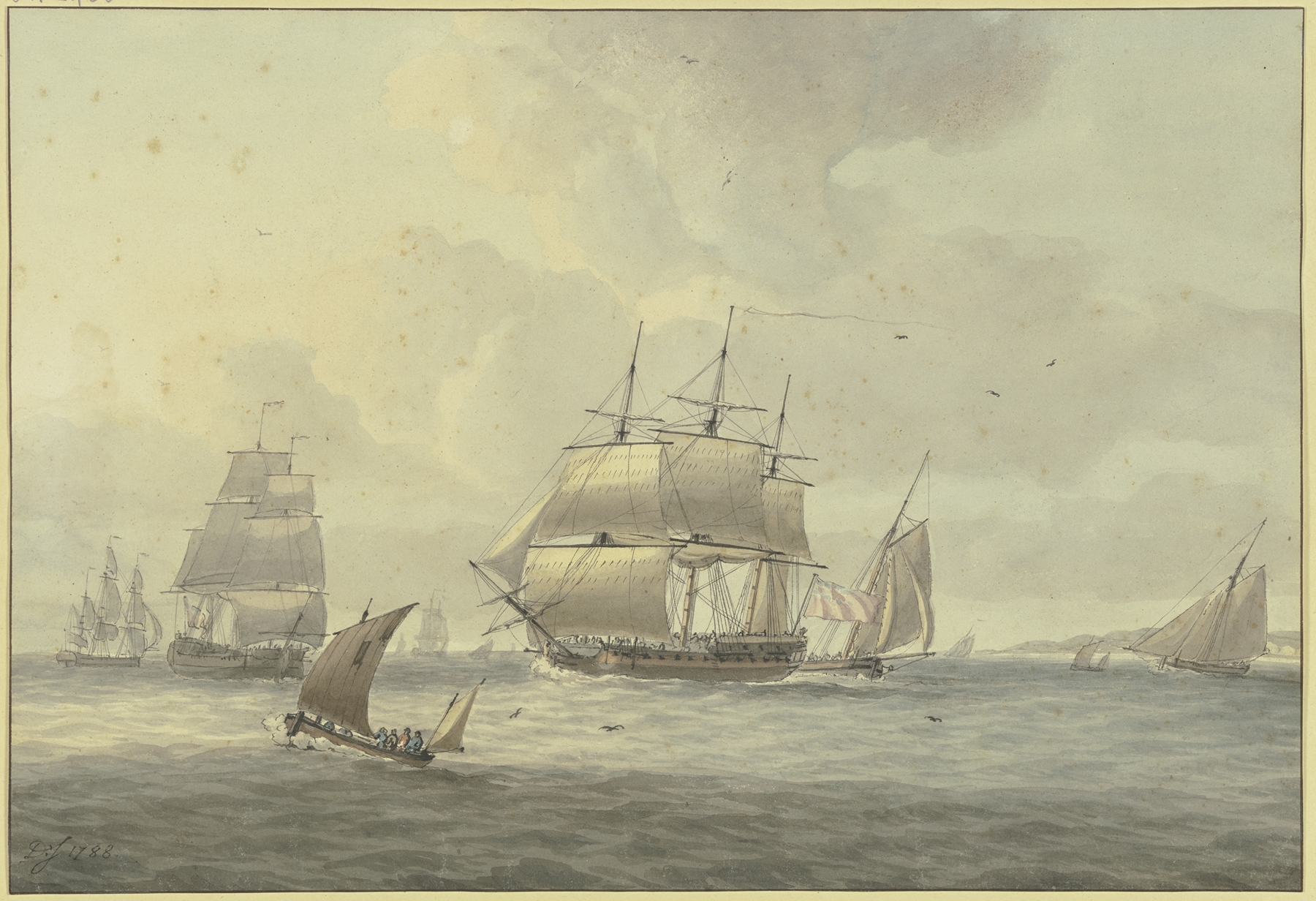
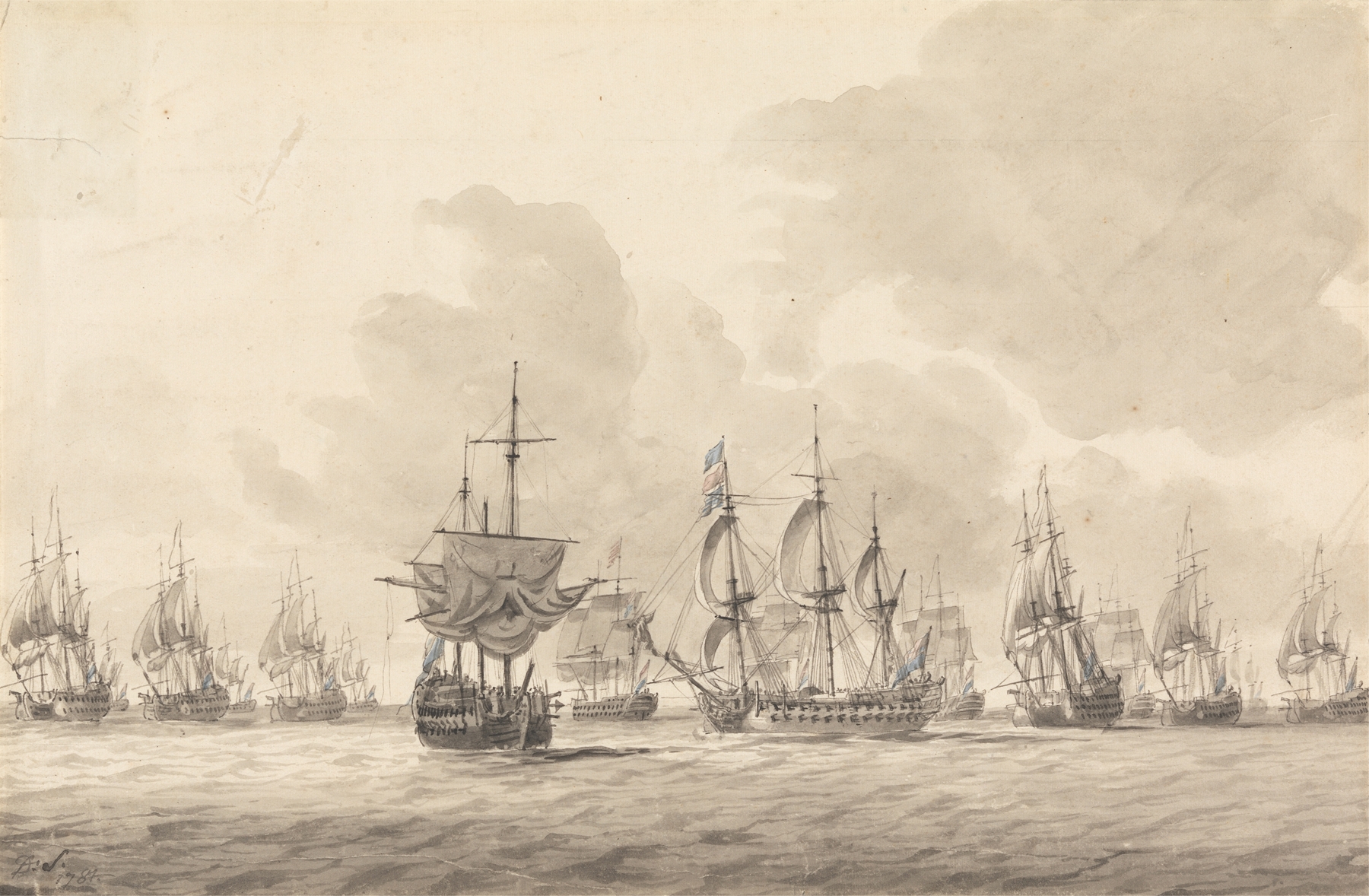
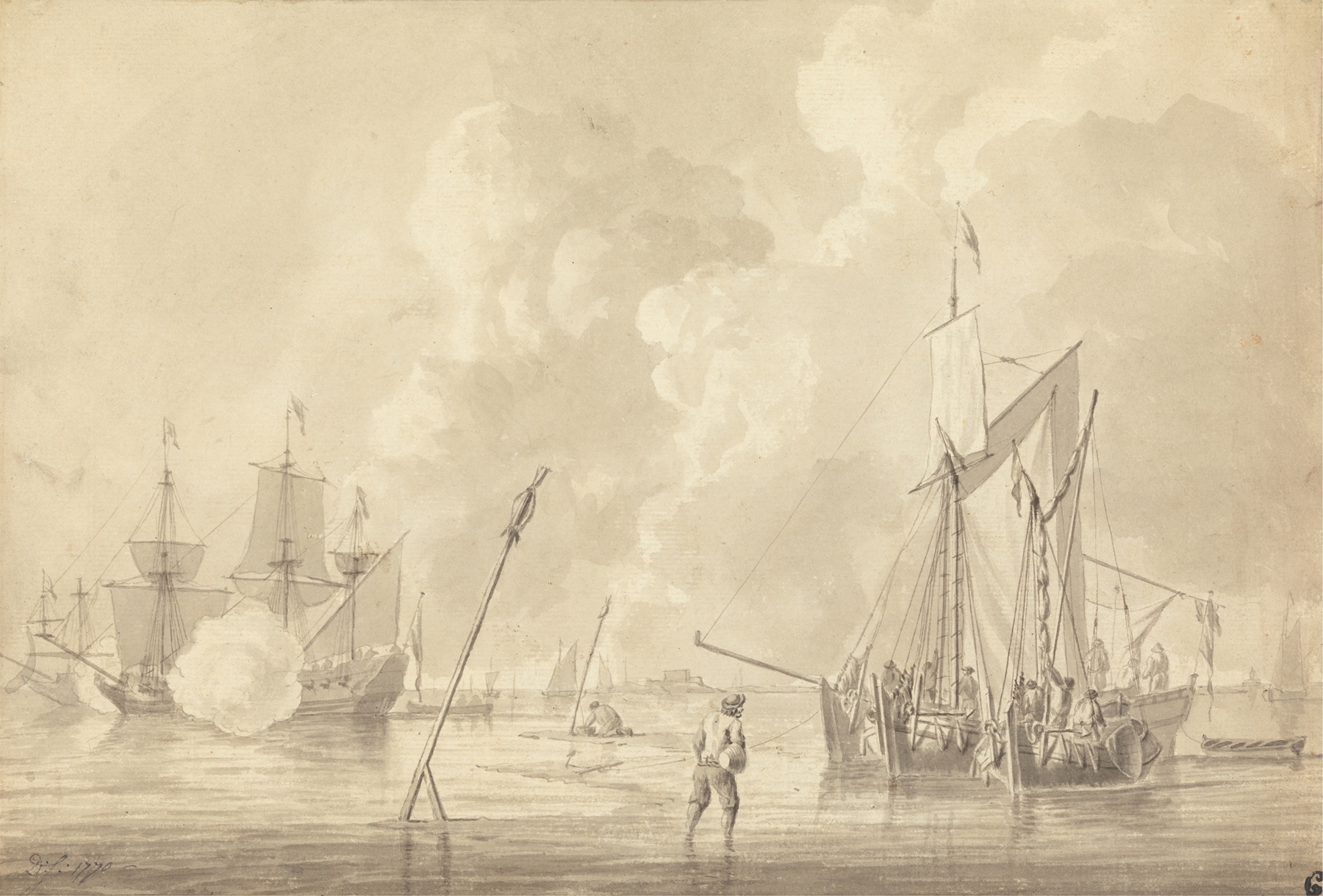
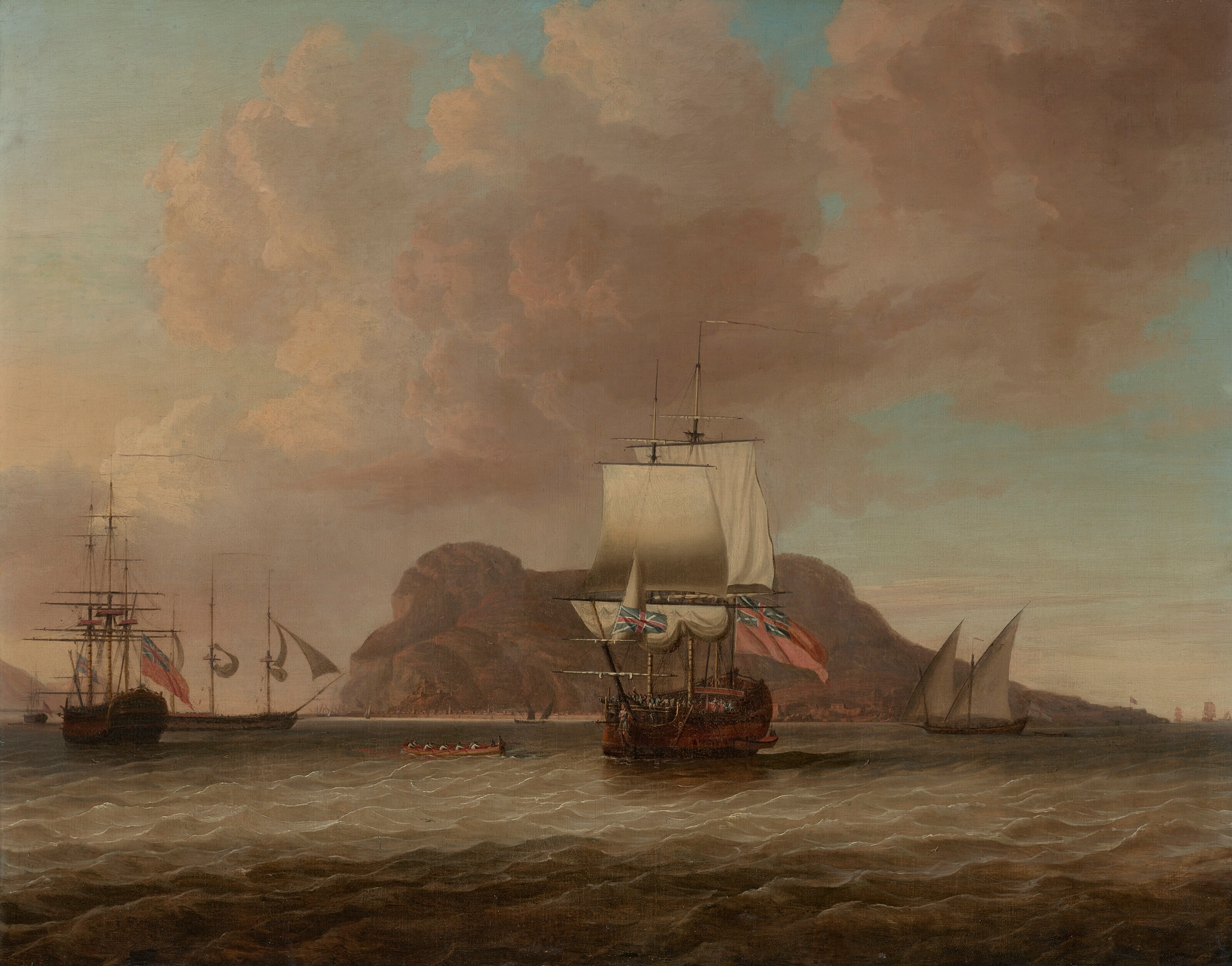
What secret hides in the quiet of the canvas? Underneath the stillness of the water, a tension simmers, promising the chaos that lies ahead. Look to the left at the grand warships, their sails furled yet brimming with potential energy, poised as if ready to slice through the water at any moment. Notice how the artist employs a muted palette of blues and grays, reflecting the somber weight of military duty, while hints of sunlight glimmer on the surface, casting an almost deceptive beauty over the scene.
The anchored ships, formidable yet dormant, create a striking contrast with the fluid dynamics of the ocean, drawing the viewer's eye toward the horizon where nature meets man-made might. Deeper insights emerge through the subtle interactions in the painting. The calm surface of the sea belies the violence that warships incarnate, creating a powerful dichotomy between peace and impending conflict. The gentle ripples of water, touched by the wind, whisper of disturbances to come, raising questions about the human cost of such power and display.
Each ship stands as a sentinel, hinting at stories of conflict, camaraderie, and loss that are yet to unfold, representing not only naval strength but the very fragility of peace. Dominic Serres painted this work in 1782, during a period of significant upheaval both personally and politically. Living in England, he was deeply engrossed in the naval battles of the time, reflecting the growing tensions of the American Revolutionary War. The artwork captures the essence of an era in which naval power was paramount, while Serres himself straddled the line between military documentation and artistic expression, leaving behind a poignant commentary on the nature of warfare.