Wasserfall-Alpe im Kapruner Thale — History & Analysis
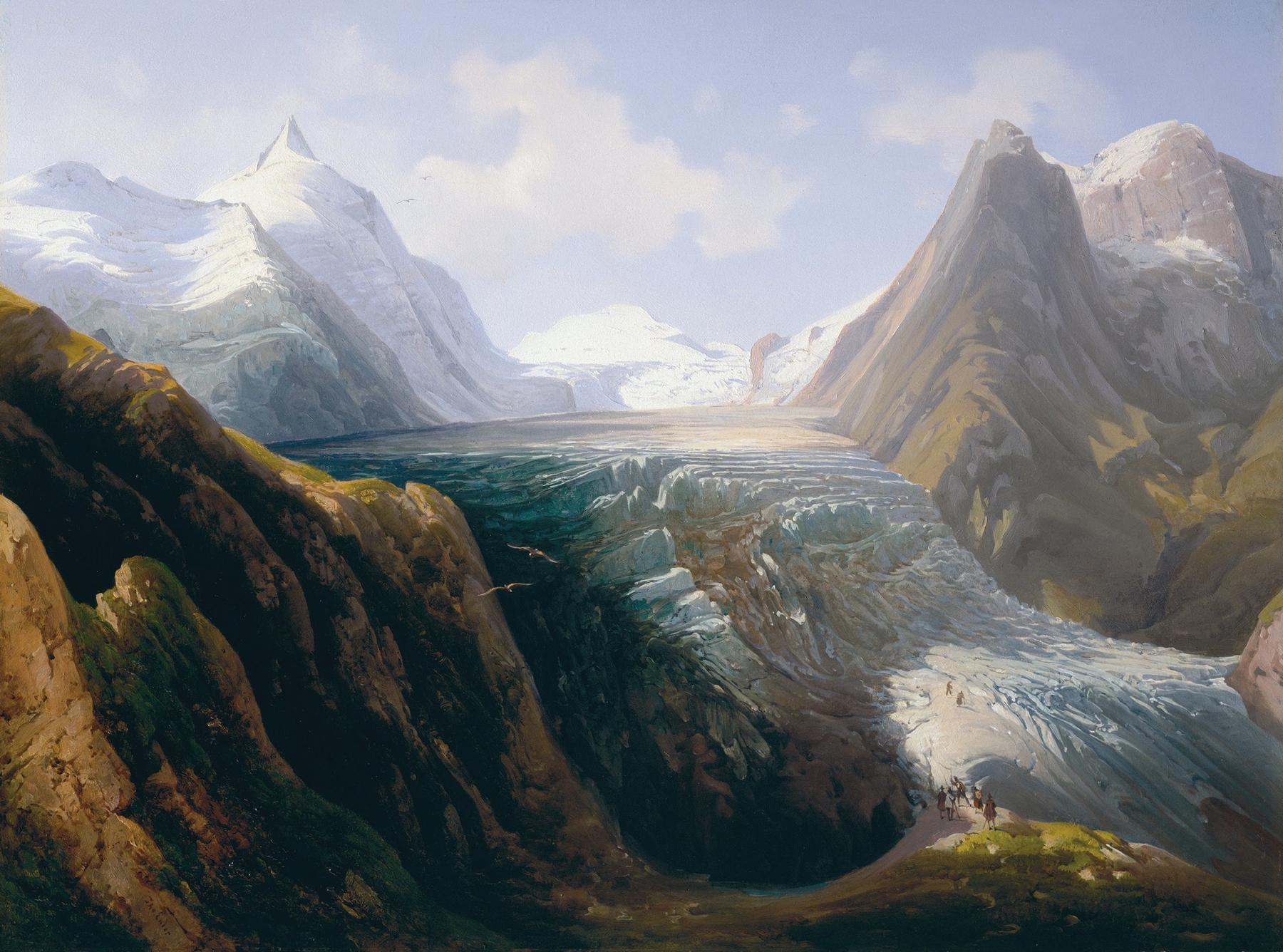
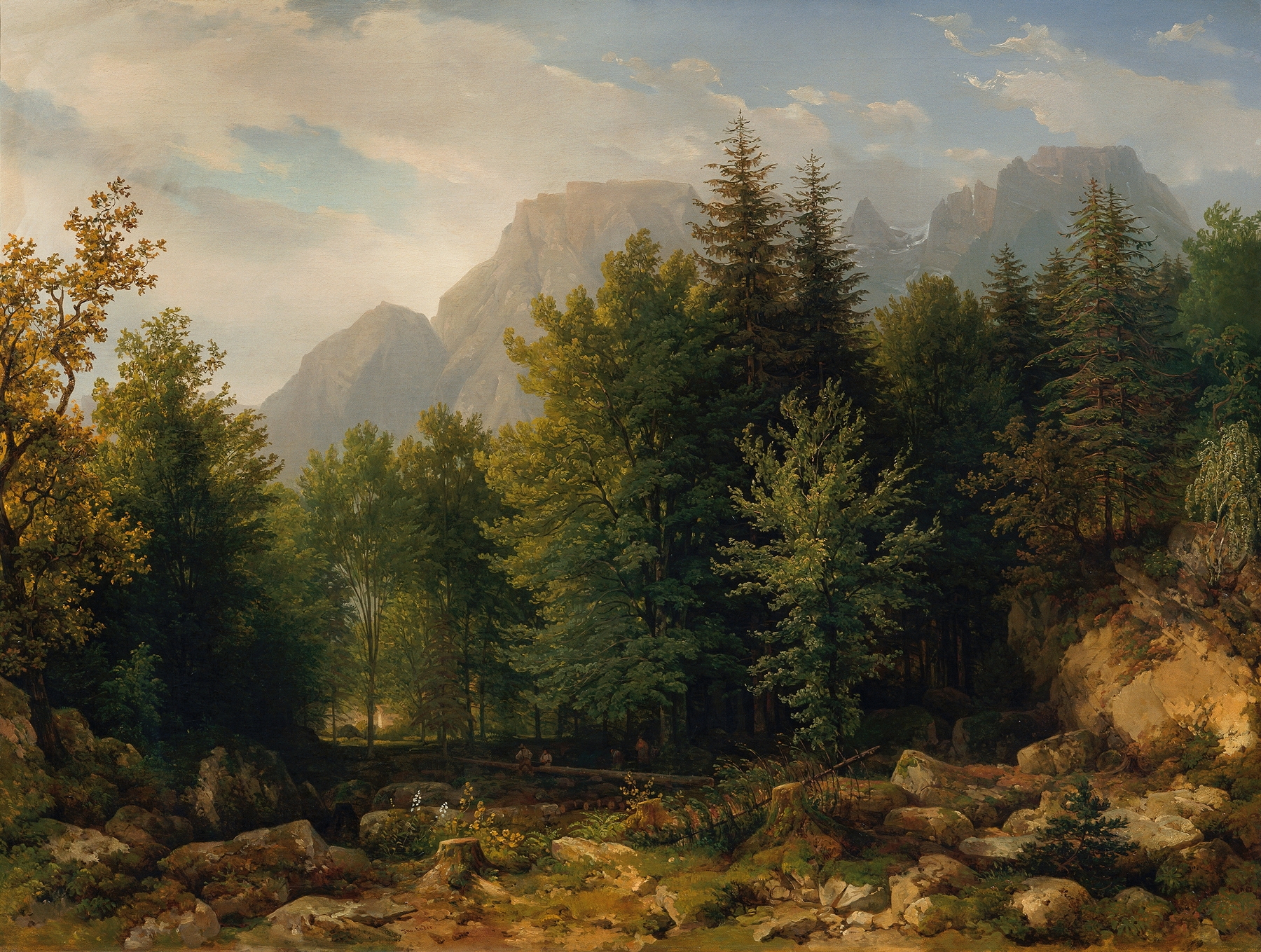
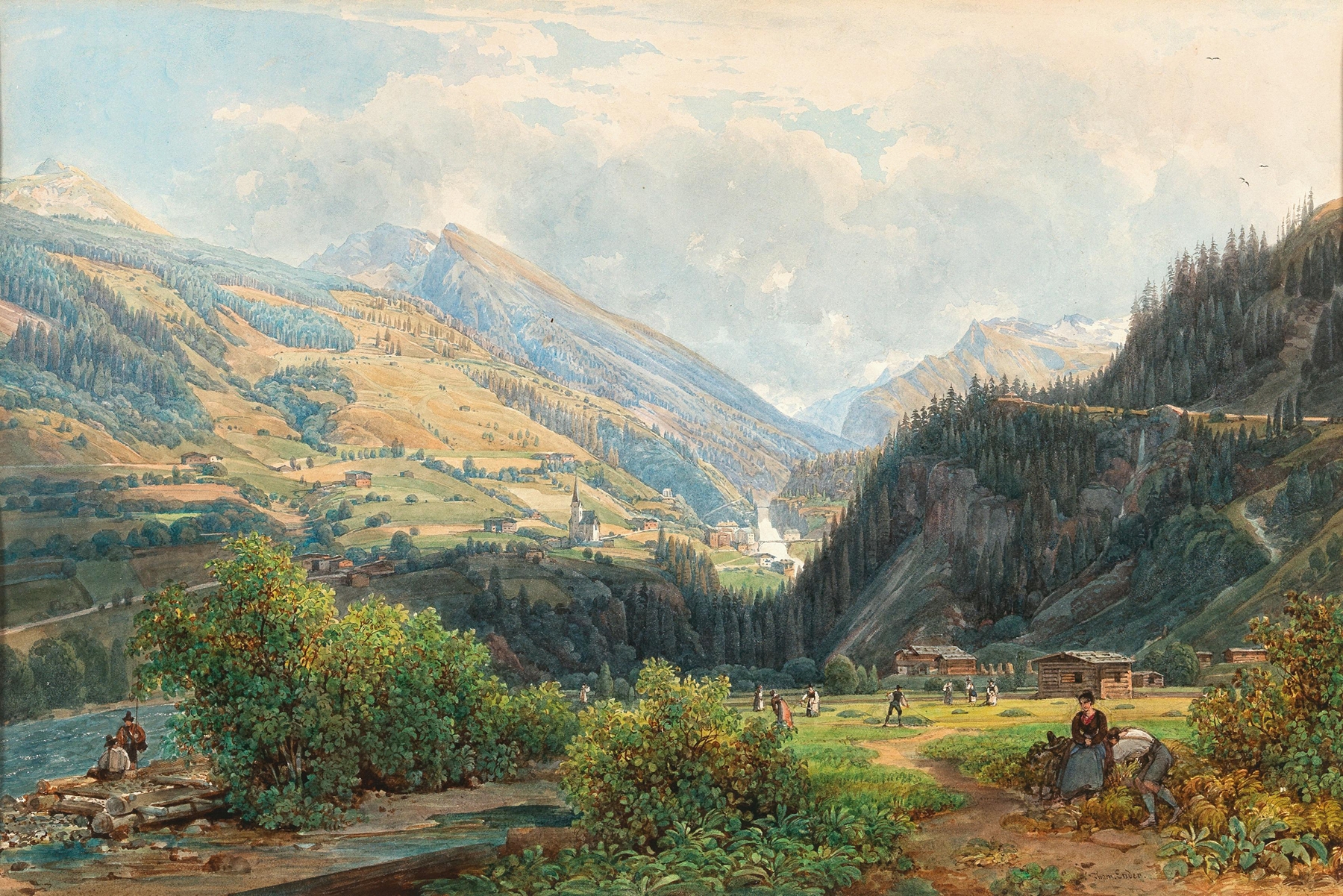
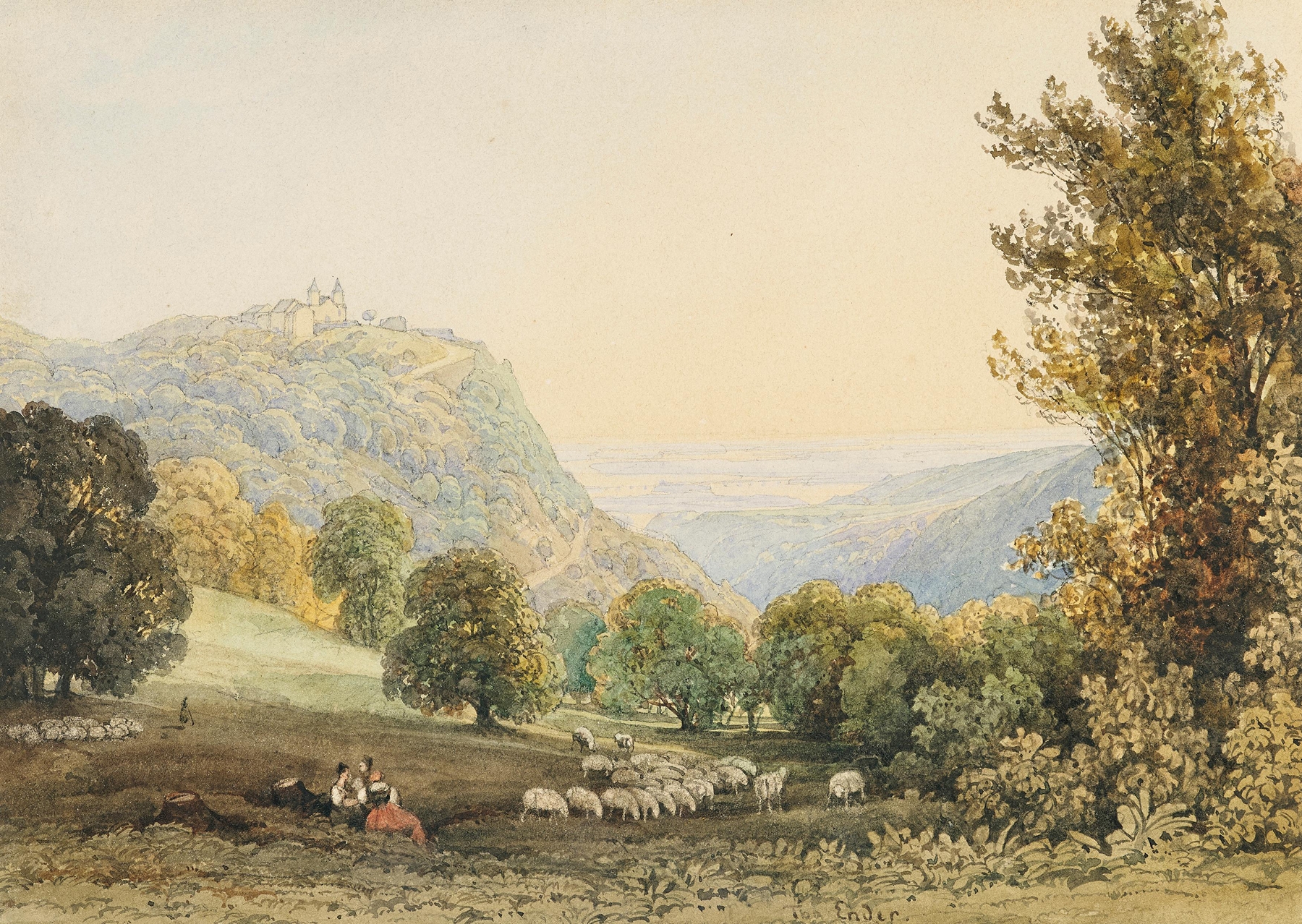
Can beauty exist without sorrow? In the majestic embrace of nature, there lies a delicate balance between the serene and the tumultuous, hinting at madness lurking just beneath the surface. Look to the foreground, where the swirling waters of the waterfall cascade down jagged rocks, their turbulent movement captured with a fervor that suggests both life and chaos. The light dances across the surface, glimmering like fleeting happiness, while the deep greens and browns of the surrounding landscape contrast sharply with the bright whites of the rushing water.
Notice how the shadows creep in, hinting at the darker undercurrents of emotion that lurk within this picturesque scene. As you trace the composition upward, the tranquil peaks loom in the background, their stoic presence suggesting a calm that might mask hidden turmoil. The juxtaposition of violent water against the immovable mountains reflects the tension between peace and madness, evoking a sense of both awe and melancholy. Each brushstroke resonates with the artist's struggle to convey nature's duality—a beauty that captivates yet hints at the madness of existence.
Thomas Ender created Wasserfall-Alpe im Kapruner Thale during a time when Romanticism was shifting toward more reflective and introspective themes in the mid-19th century. Living in Austria, he was immersed in the breathtaking landscapes that inspired his work, yet he faced the challenges of an evolving art world. This painting illustrates his mastery in capturing both the sublime beauty of nature and the emotional depth that accompanies it, marking a significant moment in his artistic journey.