West Philadela. starch works — History & Analysis
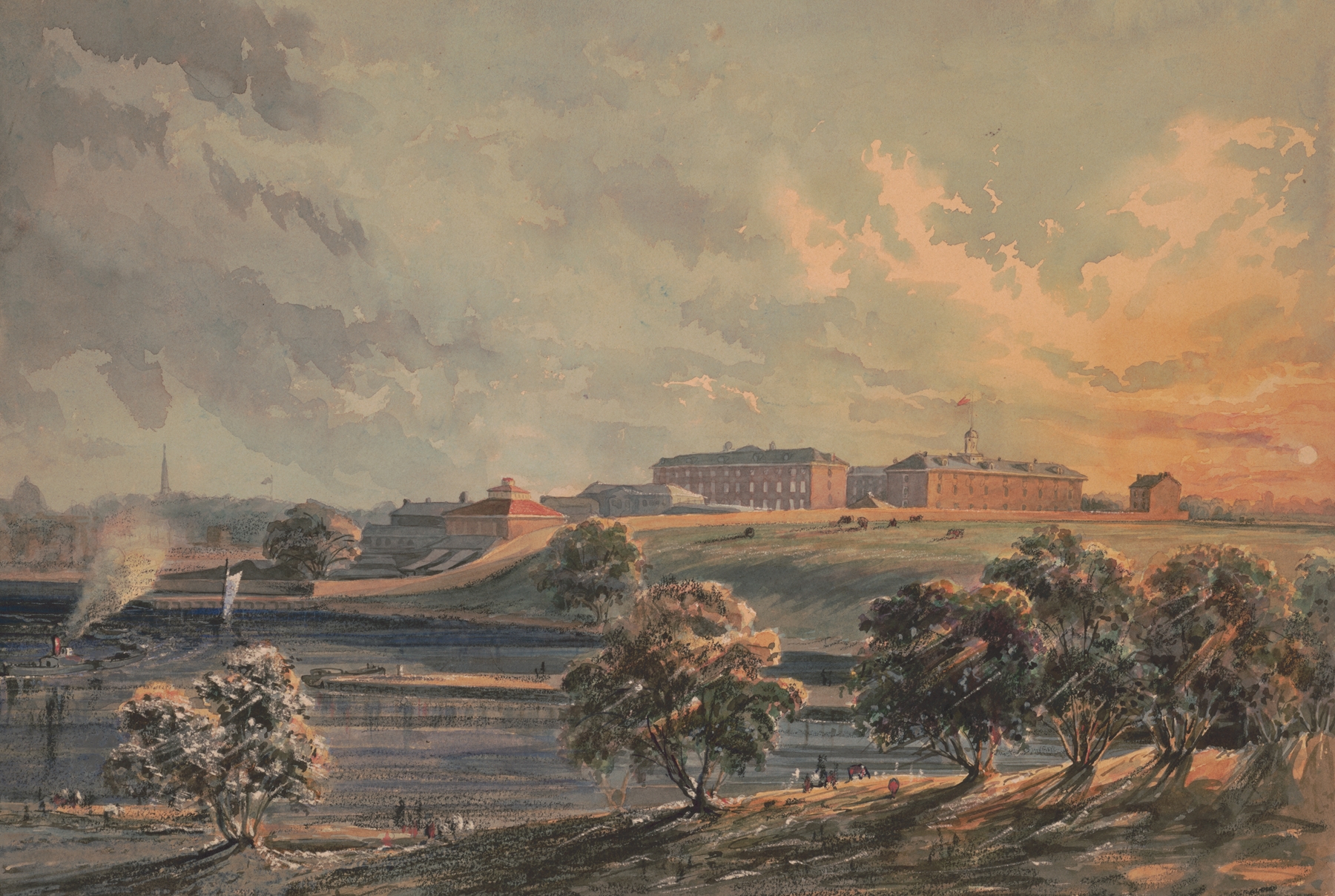
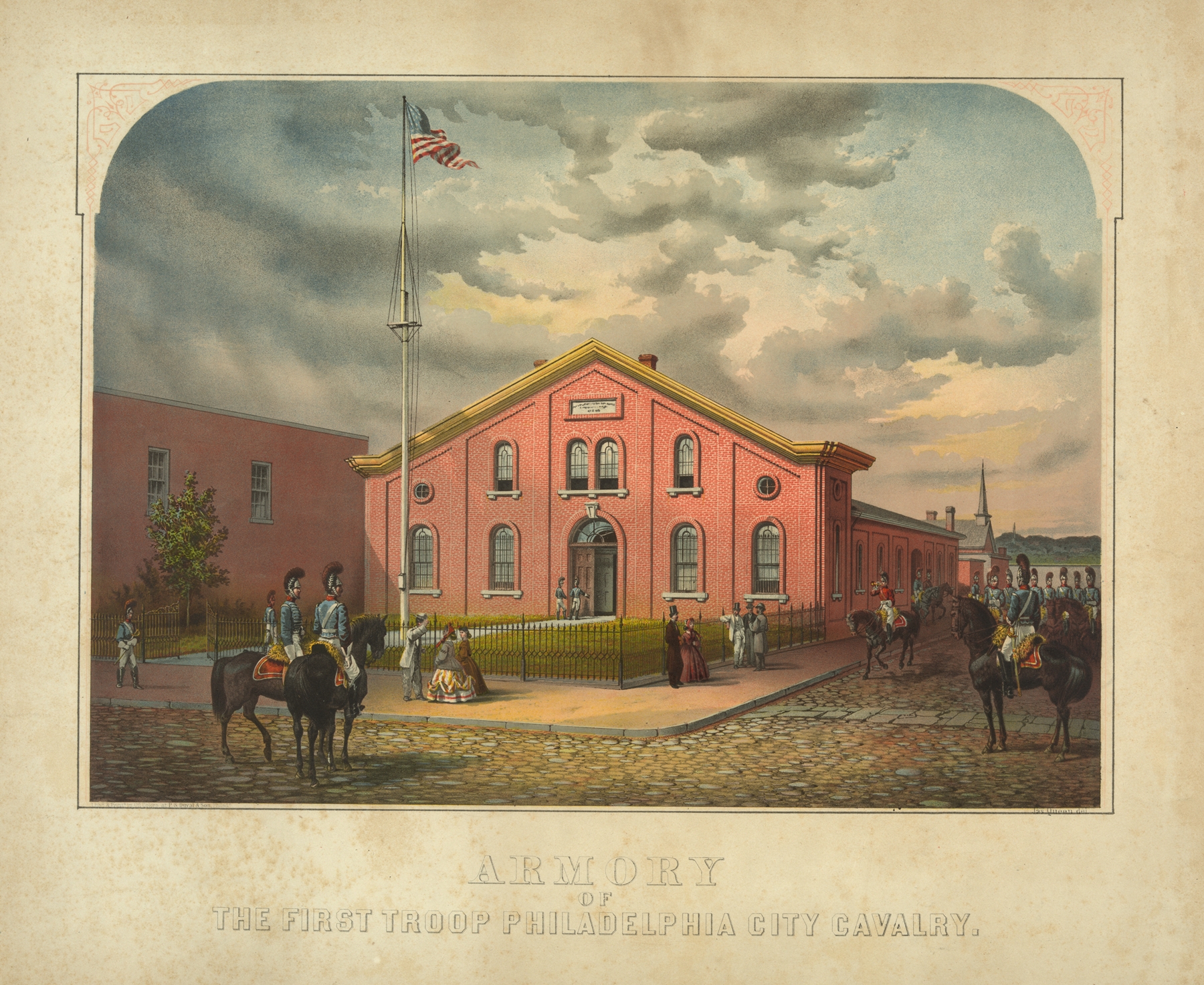
Could a single brushstroke hold eternity? In the layers of color and texture lies the pulse of progress and innovation that shaped a community. Look closely at the vibrant colors of the factory's façade. Focus on the intricate details of the brickwork that composes the structure, catching the light in hues of amber and ochre.
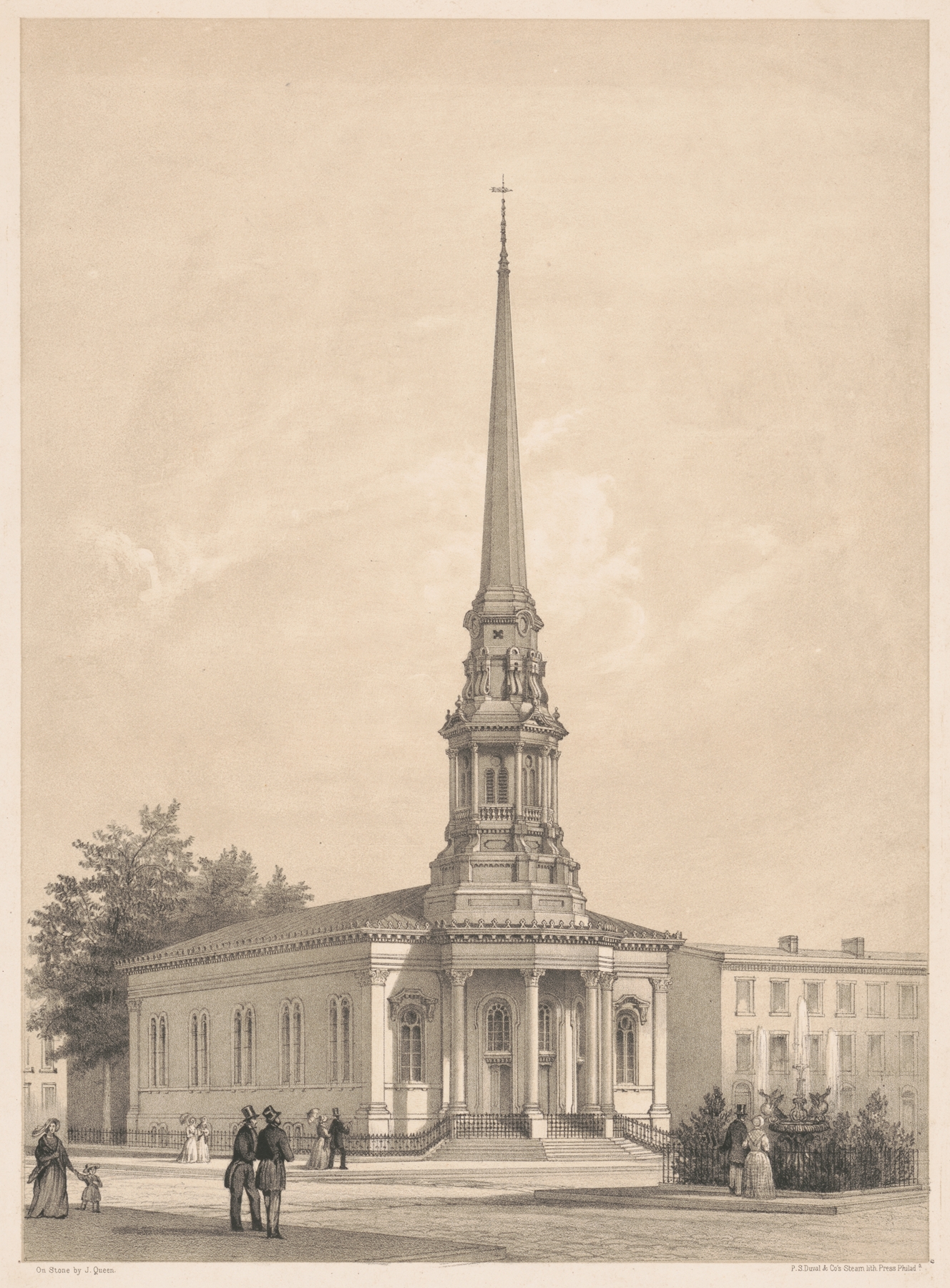
The composition draws the eye vertically, emphasizing the proud height of the building against the backdrop of a pale sky, which hints at new beginnings. The swirling clouds above seem to whisper of the industrial revolution, while the carefully rendered human figures at work inject life into the scene, their movements echoing the relentless rhythm of the machinery they serve. Underneath the surface, this painting captures not just the physical presence of the starch works but also the very essence of transformation. The juxtaposition of labor and industry unveils a narrative of progress, yet hints at the struggles of the workers within this burgeoning economy.
The figures, though industrious, are dwarfed by the monumental architecture, symbolizing the tension between human ambition and the overwhelming force of industrialization. During the years between 1850 and 1860, the artist found himself amidst the flourishing industrial landscape of America, particularly in Philadelphia, where factories began to shape both economy and society. In this era, the artistic movement was increasingly influenced by realism, focusing on ordinary subjects and everyday life. Queen's work reflects the burgeoning spirit of the age, grappling with the implications of innovation while capturing the essence of a community on the cusp of monumental change.