Weymouth Bay, Victory Day Celebrations — History & Analysis
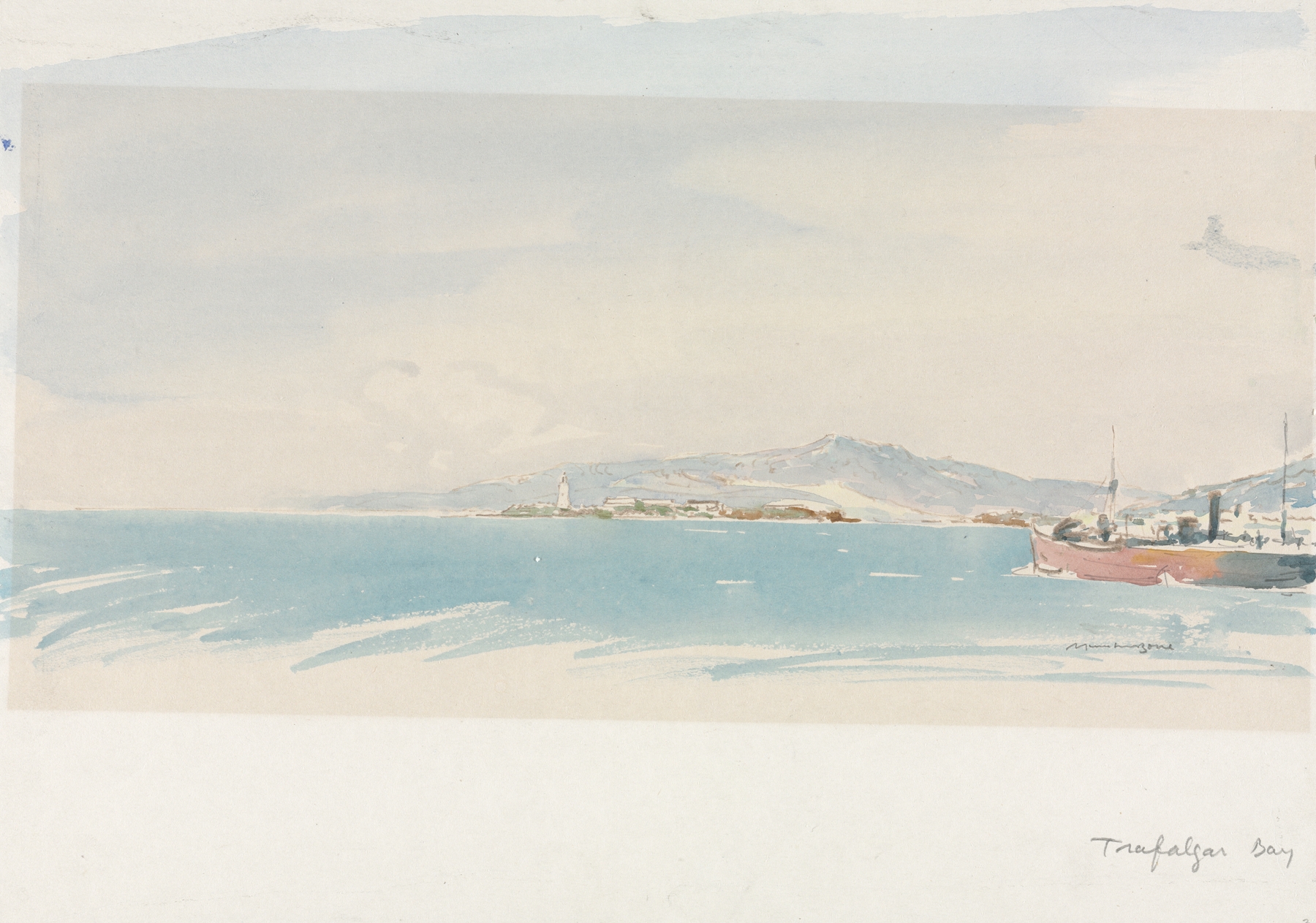
Can paint confess what words never could? In Weymouth Bay, Victory Day Celebrations, a serene coastal scene unfolds, capturing a moment steeped in collective jubilation yet tinged with quiet reflection. The idyllic beach setting, surrounded by gentle waves and a clear sky, speaks volumes about a world emerging from the shadows of conflict, inviting the viewer to contemplate the nuances of joy amidst reconciliation. Look to the left at the subtle figures gathered along the shoreline, their relaxed postures and gestures conveying a sense of camaraderie. The warm light bathes the scene in golden hues, highlighting the delicate interplay between shadows and illumination.
The careful composition leads the eye across the horizon where boats gracefully bob in the distance, hinting at a newfound freedom. Muirhead Bone’s meticulous brushwork and choice of soft pastels create an atmosphere of tranquility, prompting the viewer to linger in this moment of celebration. Yet, beneath the surface of this picturesque gathering lies a deeper tension. The juxtaposition of joyous figures against the vast, open sea evokes a sense of vulnerability; it’s a reminder of the struggles faced to achieve this peace. The distant silhouettes of boats symbolize both the journey ahead and the lingering scars of the past, suggesting that serenity often coexists with unspoken grief.
Each detail reflects a community on the brink of healing, where every smile carries the weight of shared histories. Created in 1946, shortly after World War II, this work emerged during a time of both celebration and contemplation. Muirhead Bone, a prominent British artist, was deeply affected by the war's aftermath, which influenced his portrayal of human emotion and resilience. In a period marked by recovery and rebuilding, this painting captures the essence of a nation embracing hope while reconciling the memories of loss.