Whitehall Chapel — History & Analysis
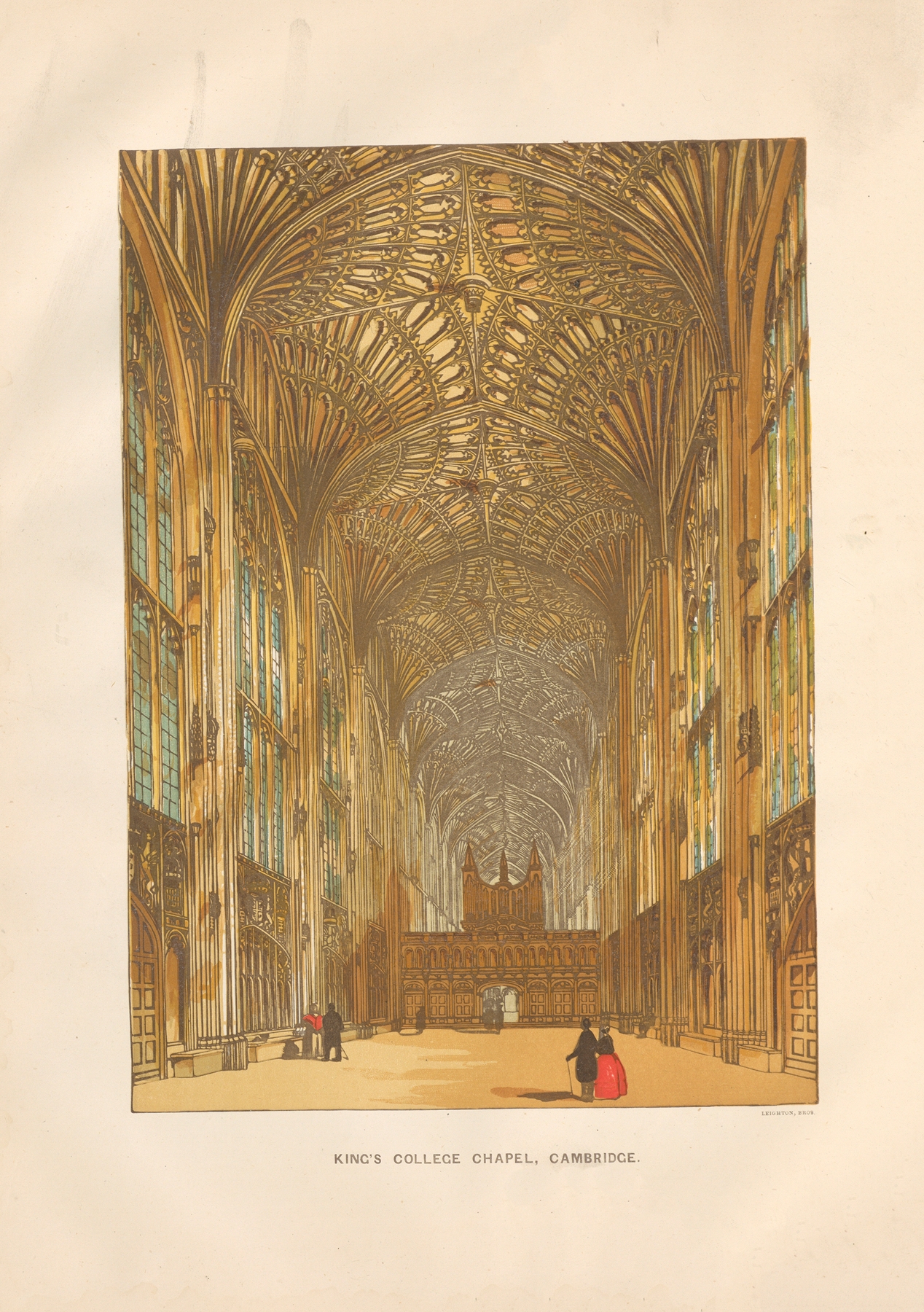
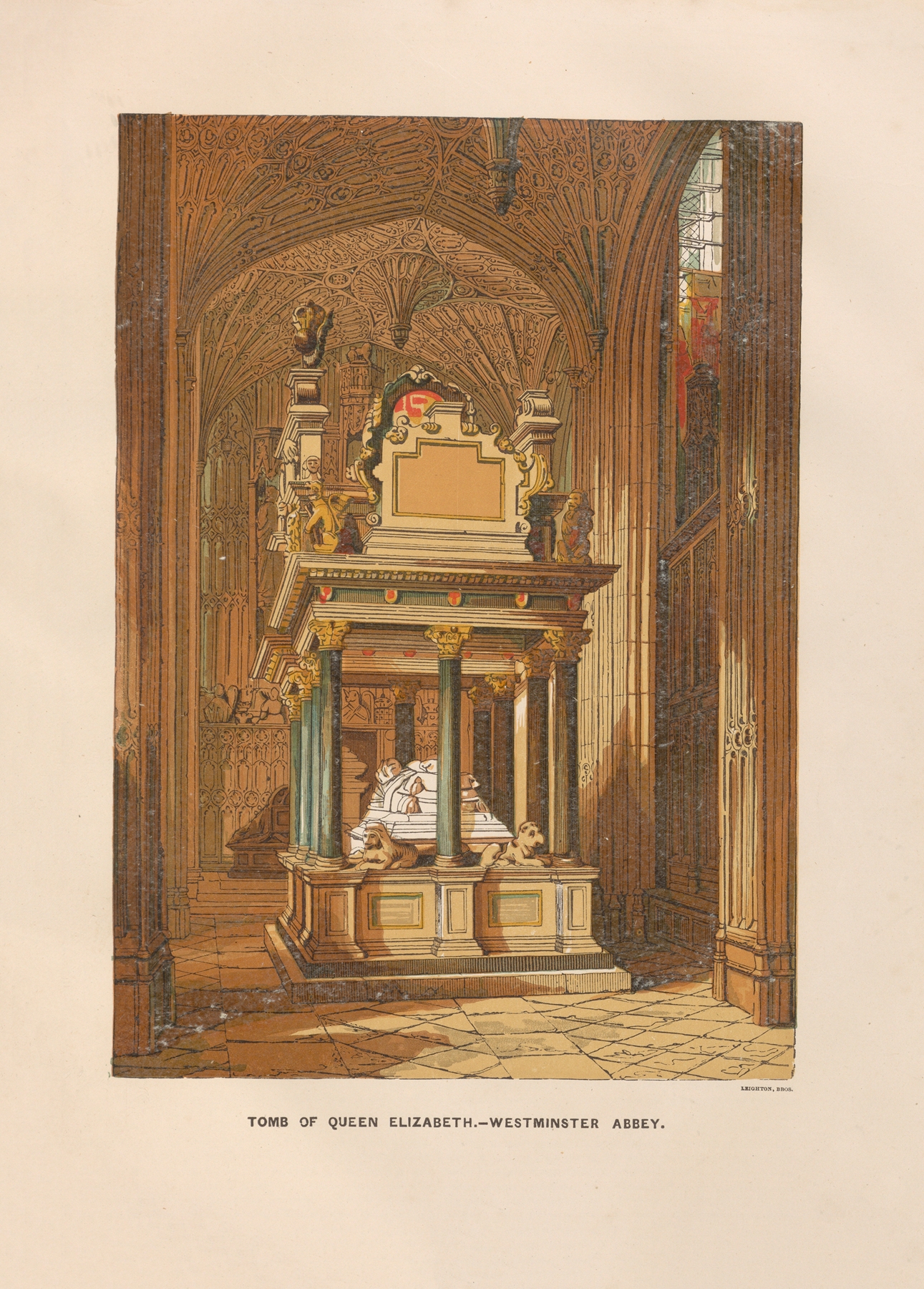
“Every silence here is a confession.” Within the quiet embrace of this chapel, whispers of truth linger in the air, urging the viewer to awaken to a deeper understanding of their own spirit. Look to the left at the soft interplay of light that filters through the stained glass windows, creating a kaleidoscope of color upon the stone floor. The deliberate architecture rises majestically, its simple yet powerful lines drawing the eye upward, inviting contemplation. Notice the muted tones that dominate the palette, each hue resonating with a sense of reverence, while shadows playfully dance across the space, hinting at the duality of light and darkness as they intertwine within this sacred setting.
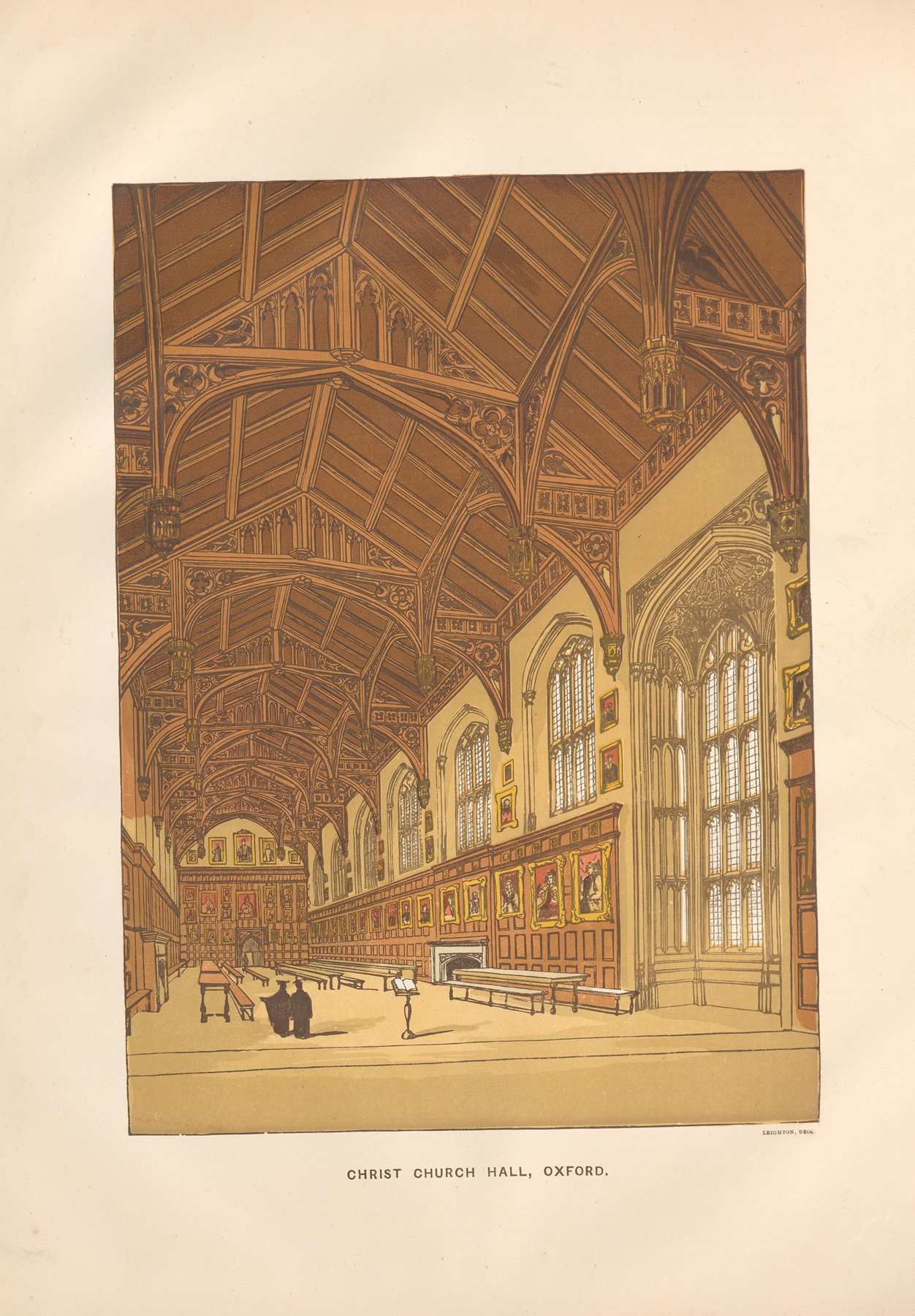
The artist captures the essence of stillness, evoking a profound emotional landscape. The stark contrast between the ornate details of the chapel and the simplicity of the wooden pews suggests a tension between grandeur and humility. Each element, from the intricate carvings to the carefully placed flicker of candlelight, speaks to the human experience—yearning, reflection, and the quest for solace. Here, the silence is not empty; it is charged with the weight of unspoken prayers and revelations waiting to be unearthed.
Charles Knight painted this scene in 1864 during a period marked by both personal and societal upheaval. Residing in England, he was deeply influenced by the Gothic Revival and its emphasis on spiritual revival through architecture. This work reflects Knight's exploration of sacred spaces, as he sought to encapsulate the essence of quiet contemplation amidst the turbulence of the world around him, providing a sanctuary for the soul.