Woman and Child before Walled Town with Tower — History & Analysis
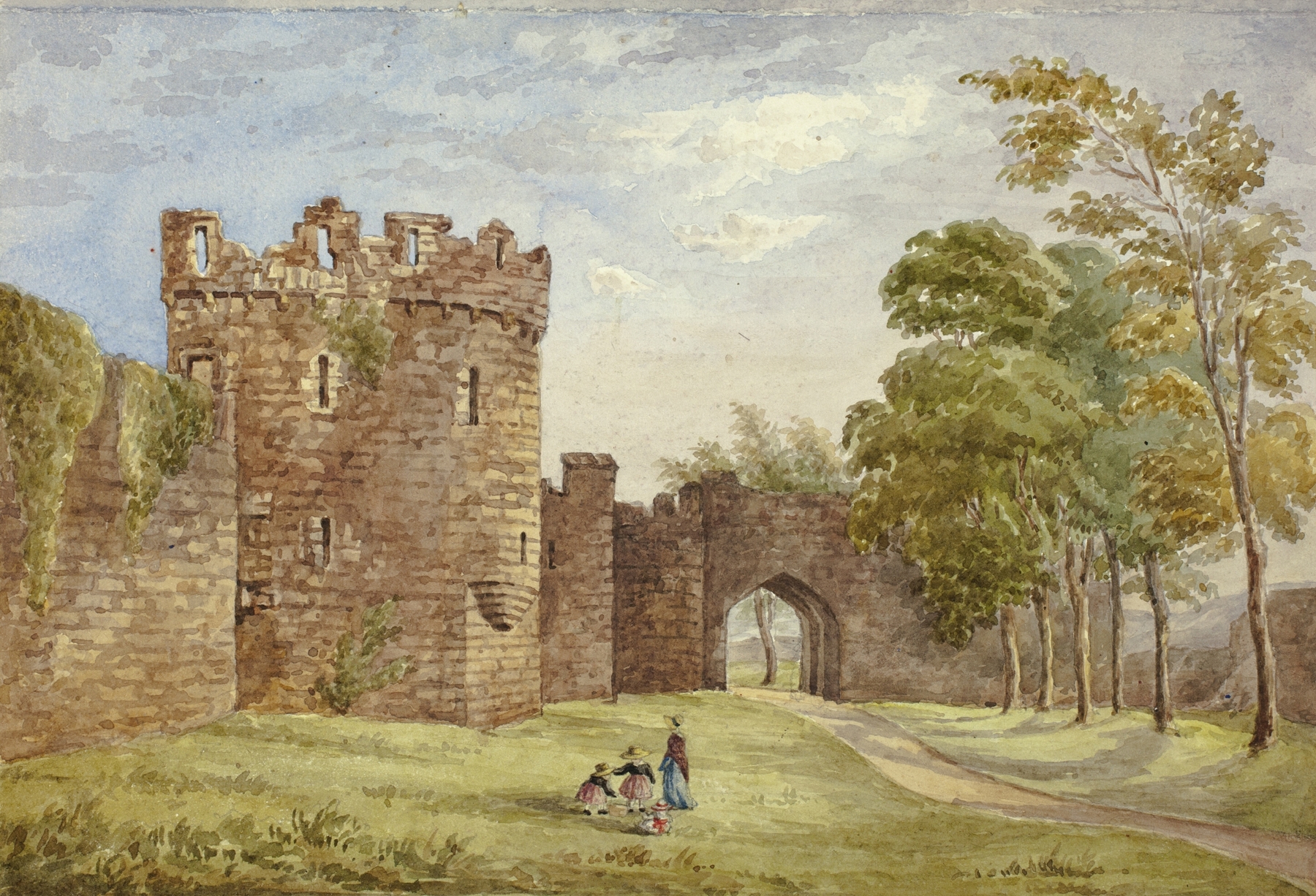
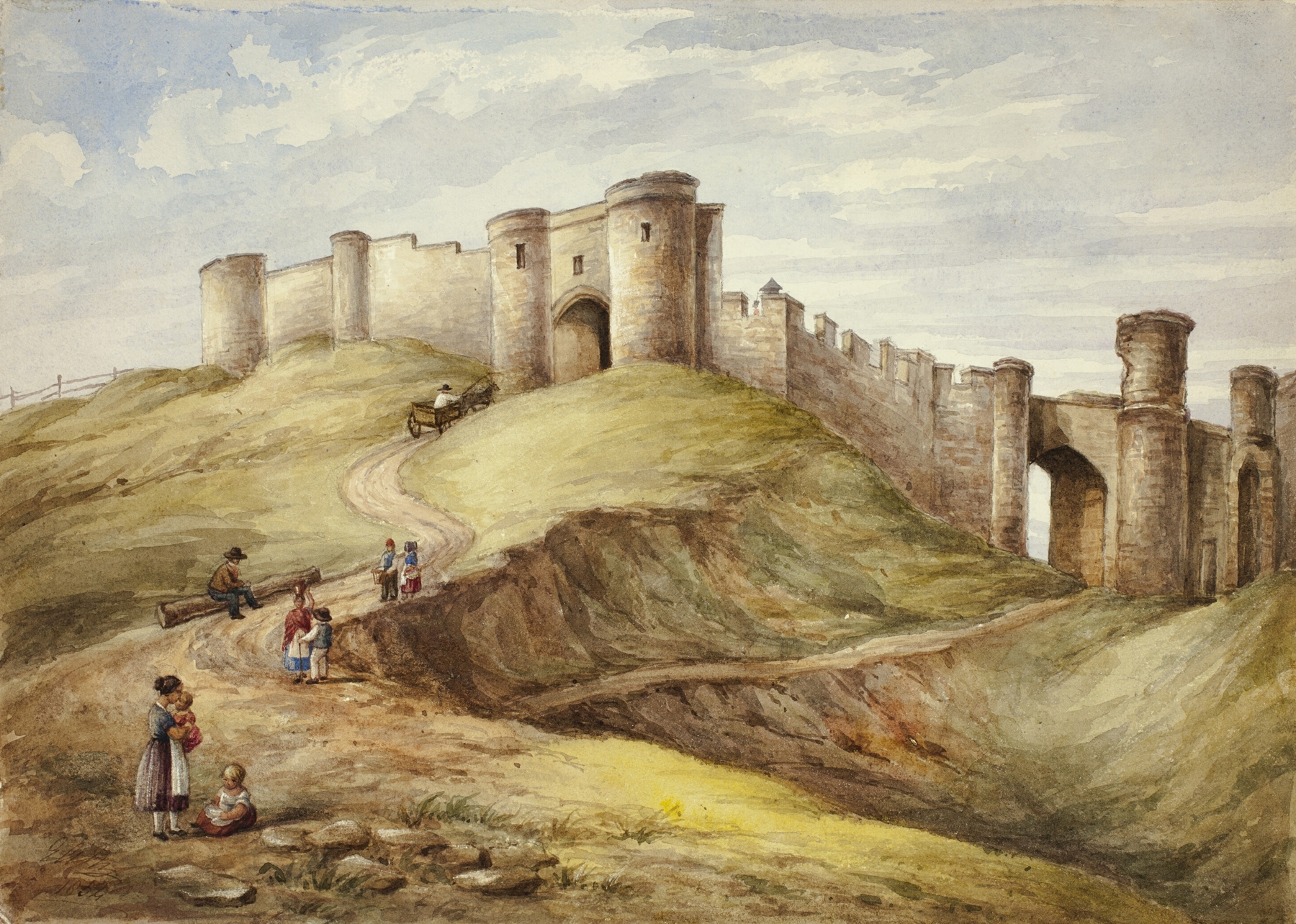
“Every brushstroke is a heartbeat remembered.” In this vibrant composition, the interplay between form and color captures the essence of ecstasy, inviting the viewer to dance within its layers. Focus initially on the bold colors that leap forth from the canvas. The figures of the woman and child are enveloped in a harmonious blend of blues, oranges, and yellows, evoking warmth and vitality. Look closely at the way the outlines of the figures blur and blend into the background, suggesting the seamless connection between them and their environment.
The walled town, with its tower looming majestically, frames the figures, grounding them while simultaneously elevating their significance through the use of contrasting shapes. The emotional tension in the artwork lies in the juxtaposition of intimacy and grandeur. The closeness between the woman and child exudes comfort and safety, while the imposing town behind them hints at the complexities of life beyond their tender moment. This duality invites contemplation on the intersection of personal joy and societal structures.
The vibrant colors serve not just as decoration but as emotional symbols; they pulse with the heat of life, celebrating both the mundane and the extraordinary. Elizabeth Murray painted this work during a period marked by her exploration of abstract forms and vibrant palettes, though the exact date remains unknown. In the late 20th century, she was part of a group of artists redefining abstraction, drawing inspiration from both the everyday and the mythical. This was a time of experimentation in the art world, where traditional boundaries were eagerly dismantled, and her approach contributed significantly to the evolution of contemporary painting.