Woodland Landscape — History & Analysis
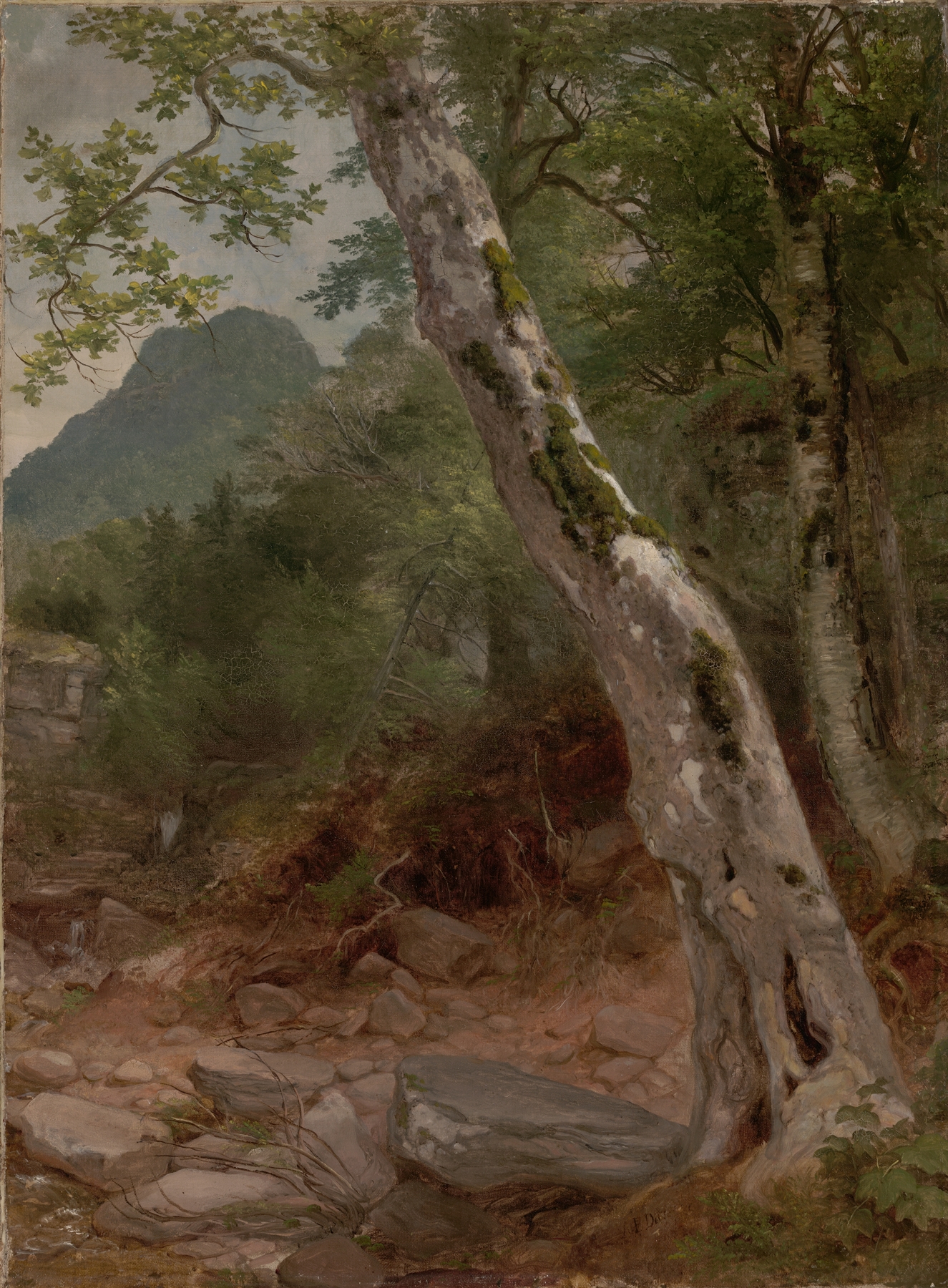
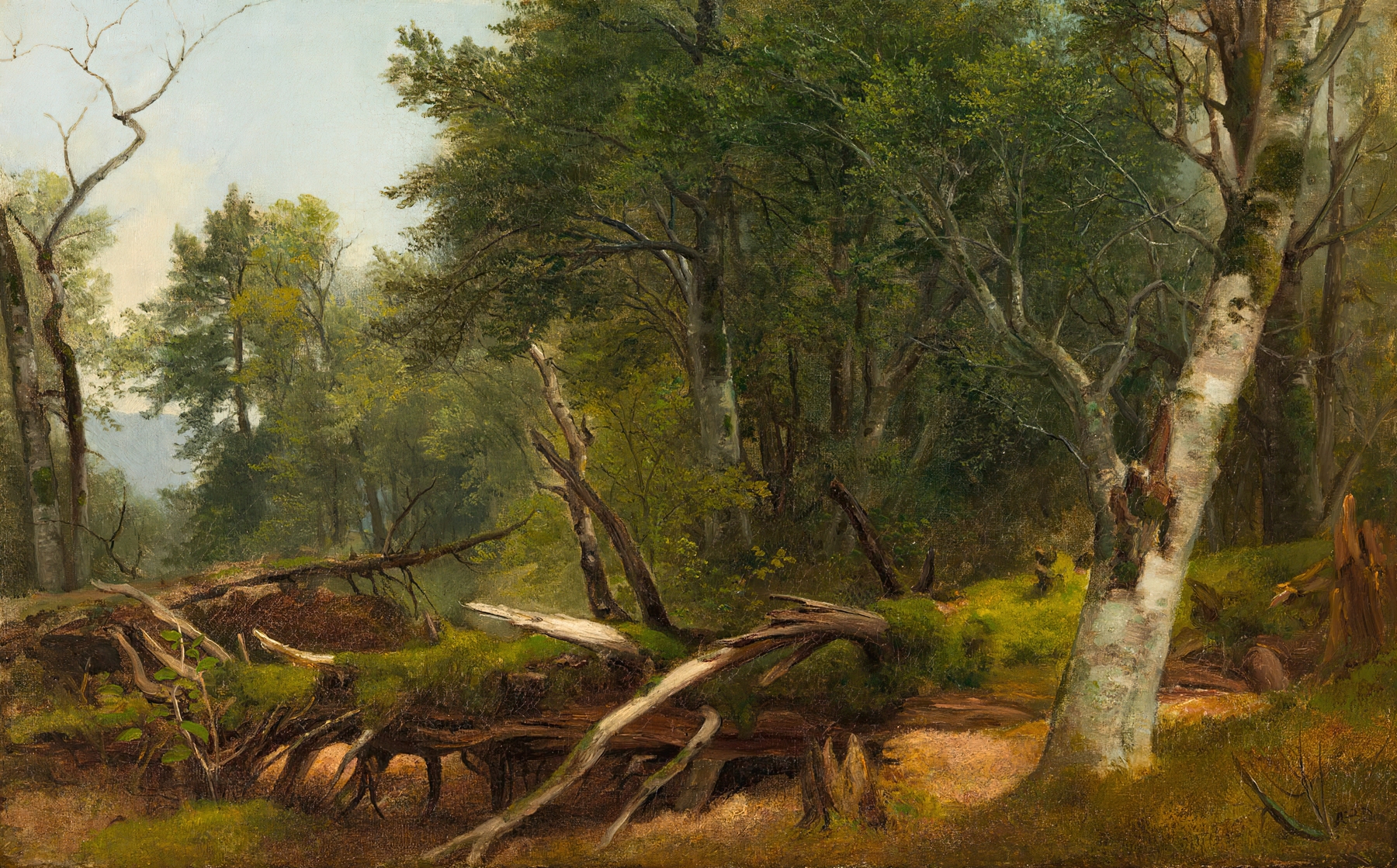
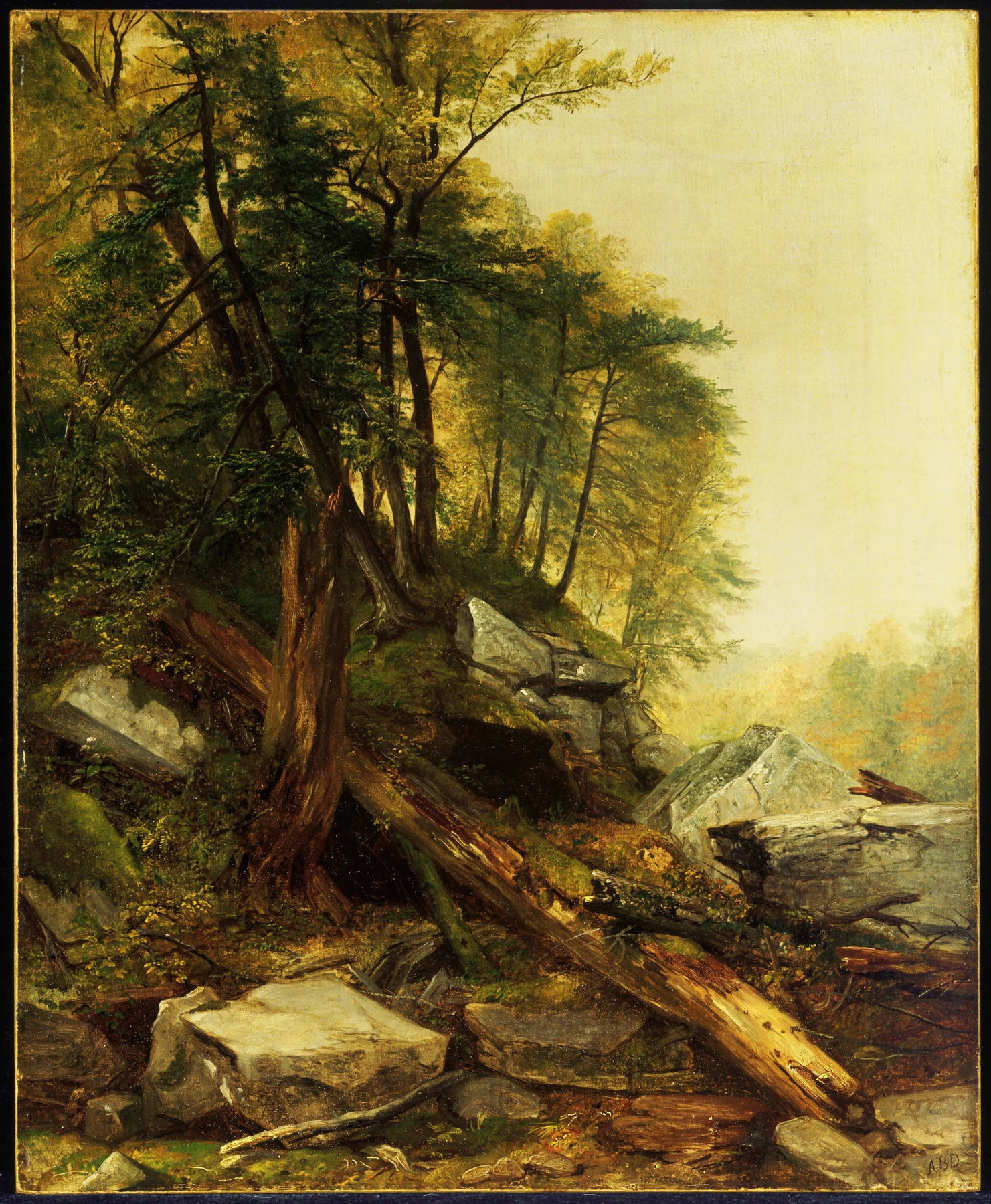
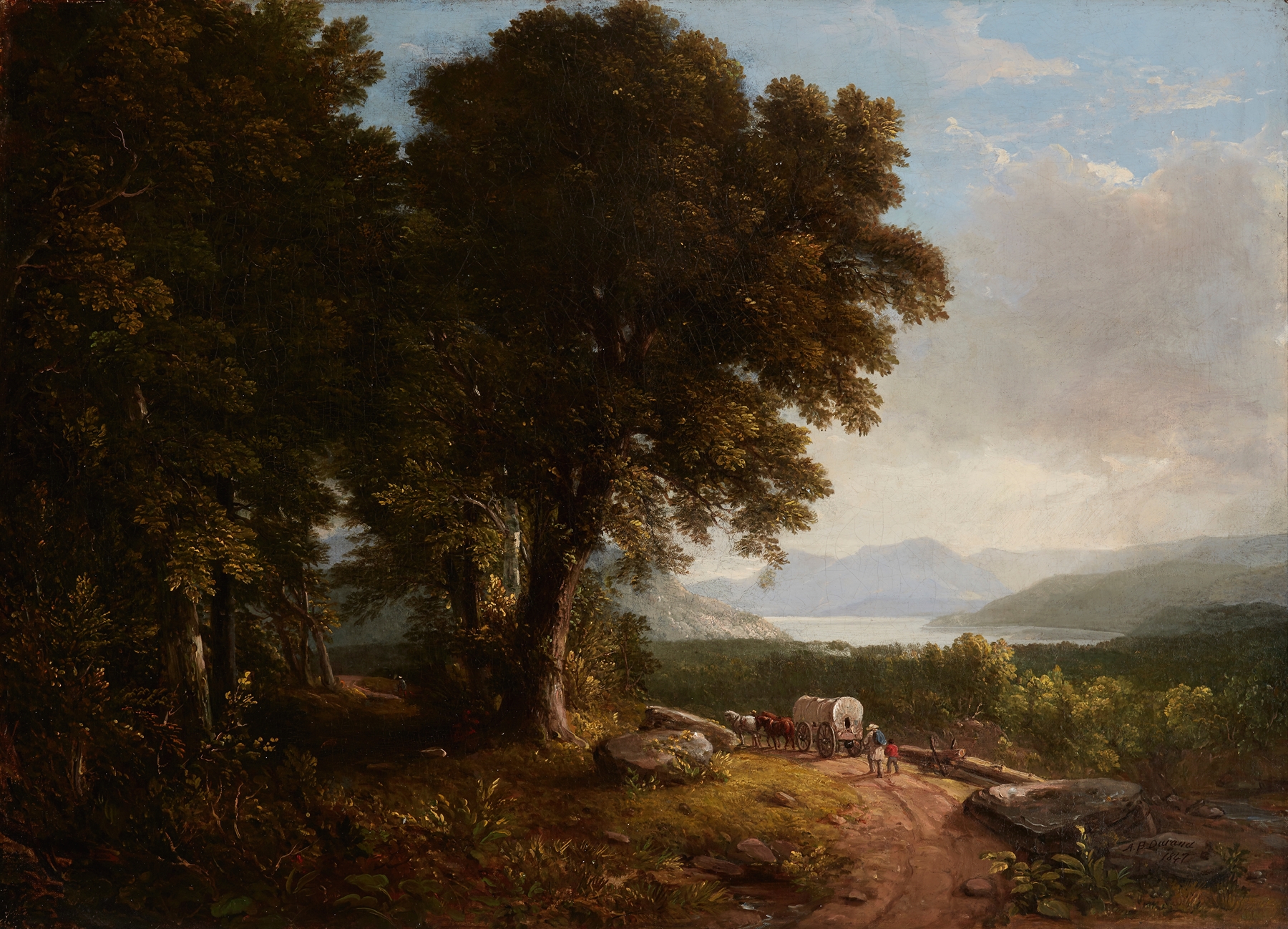
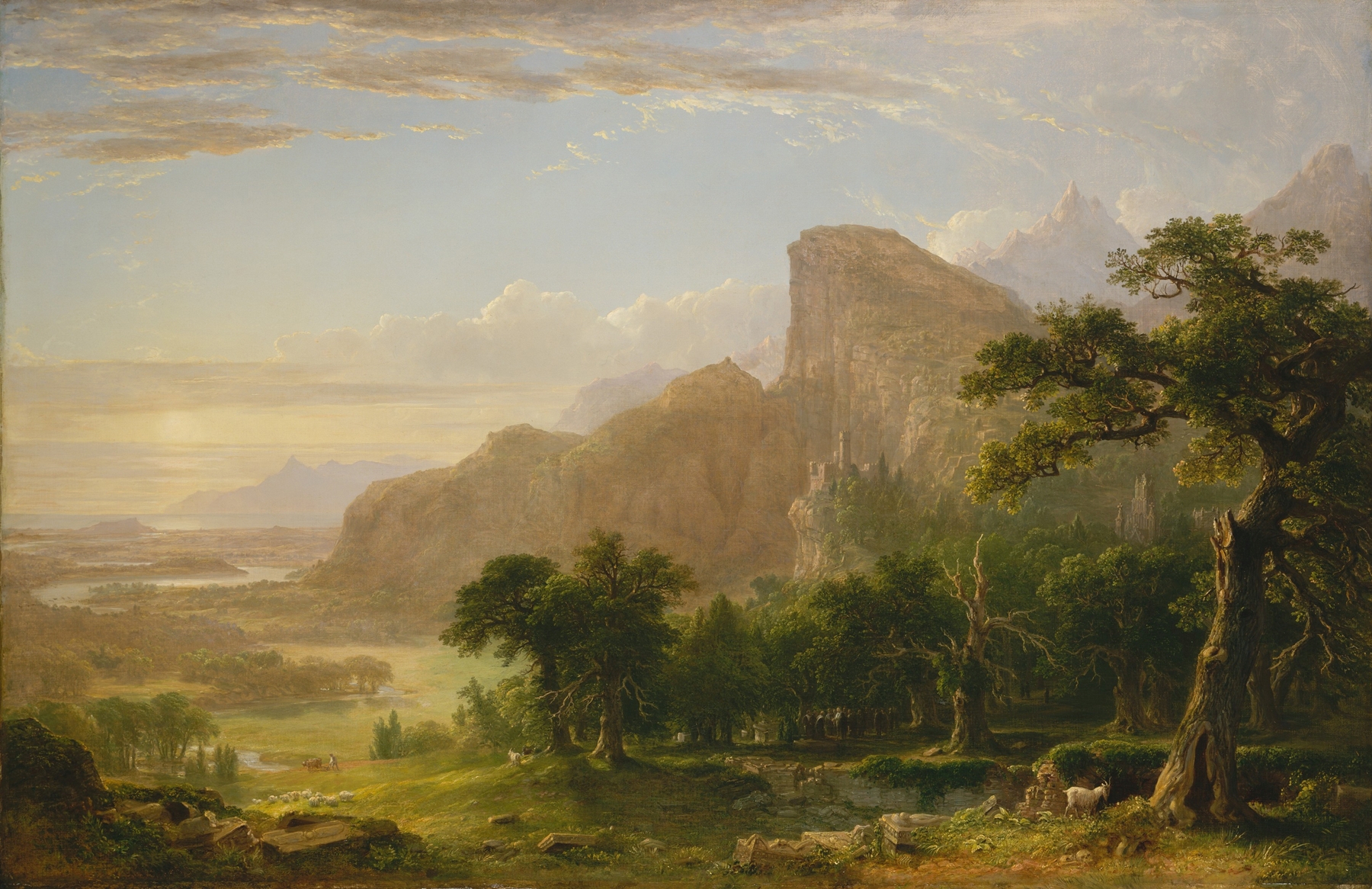
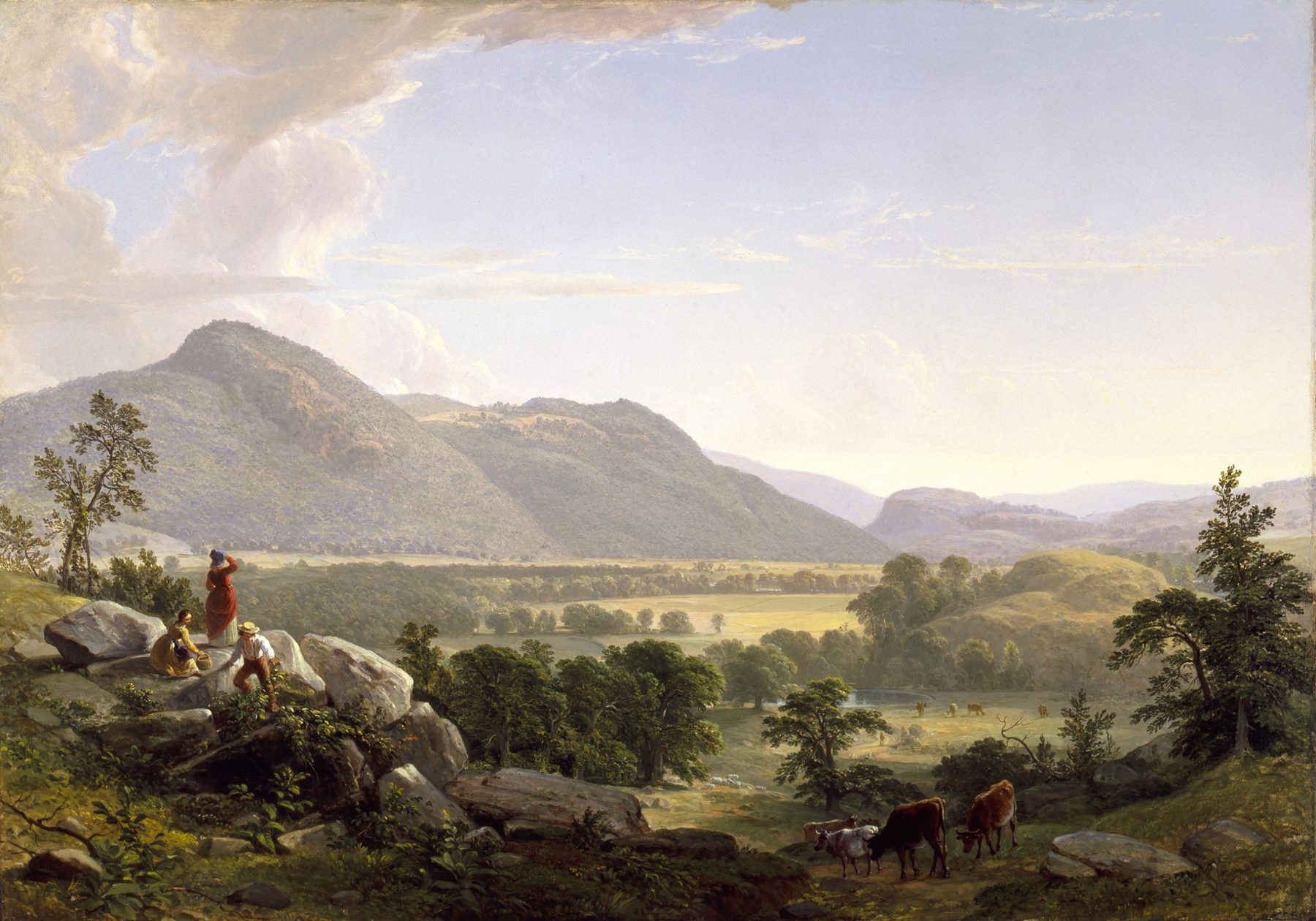
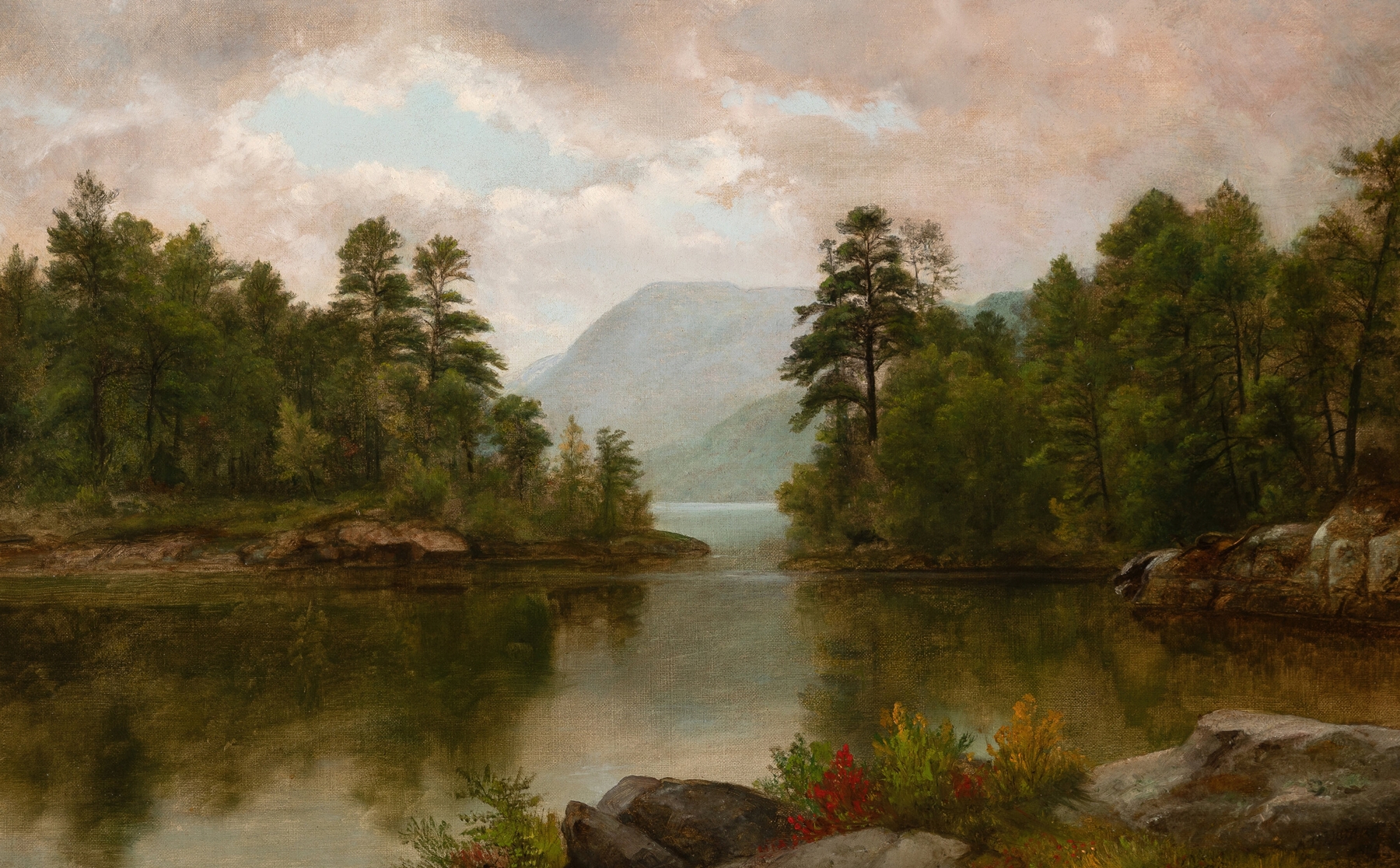
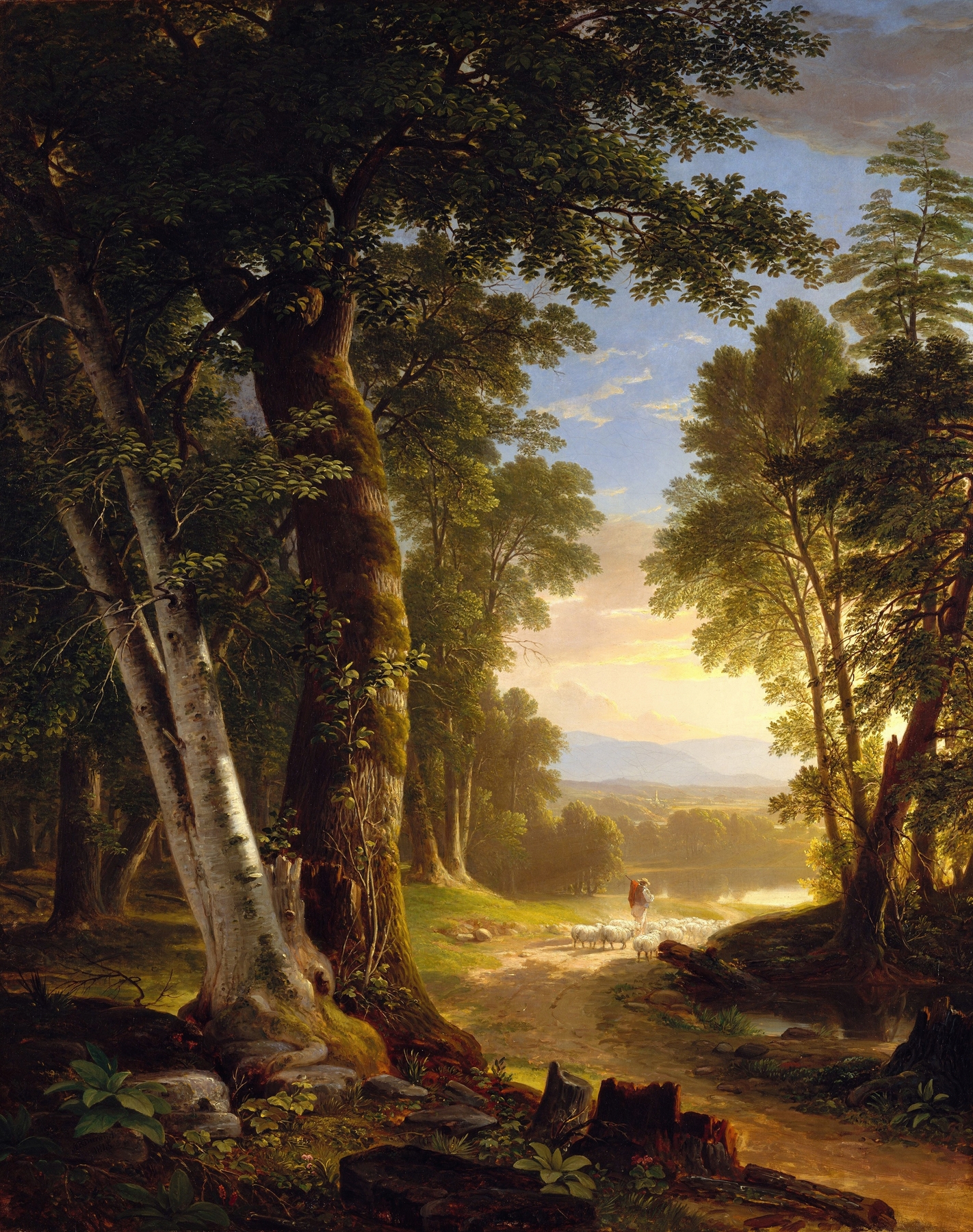
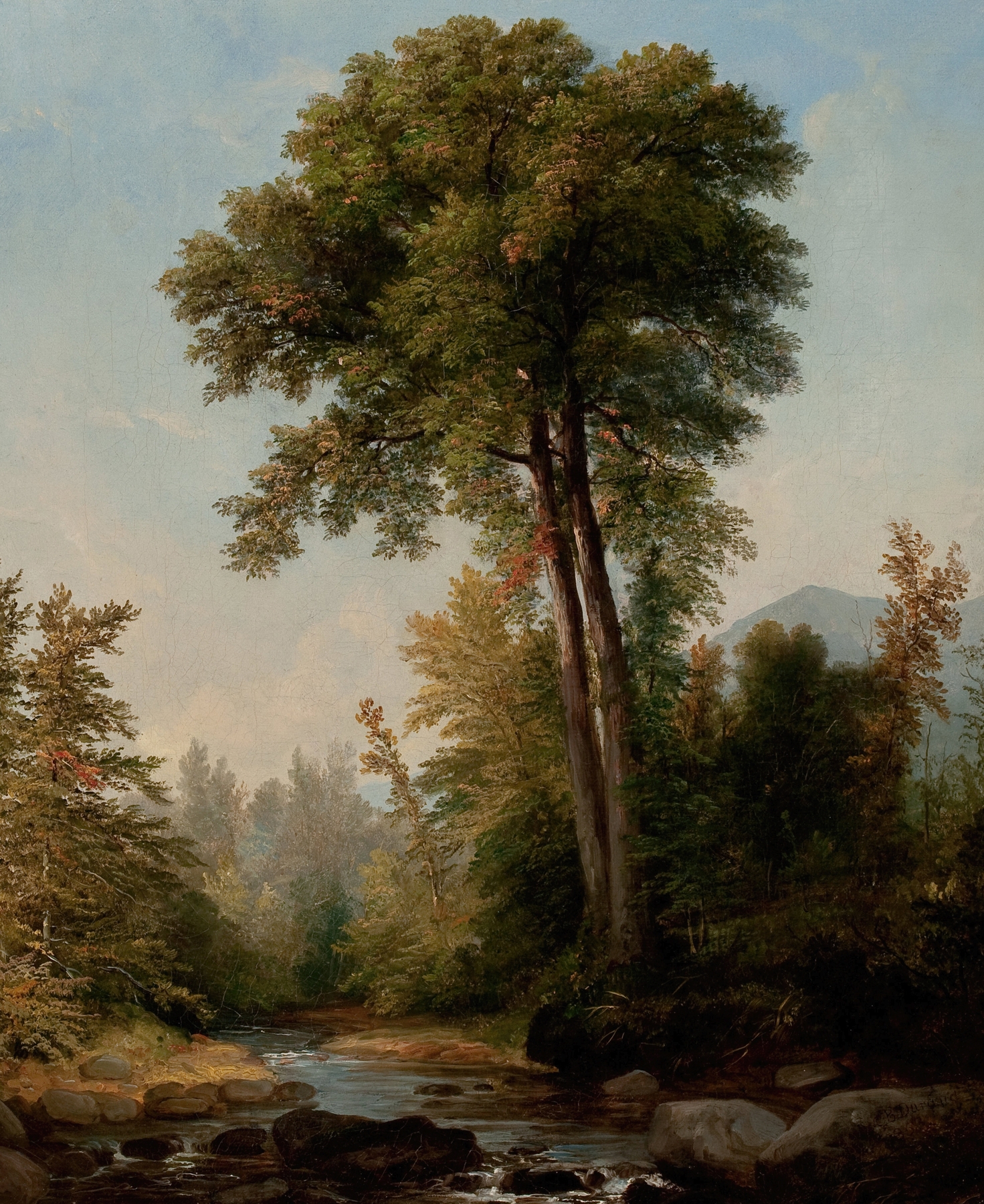
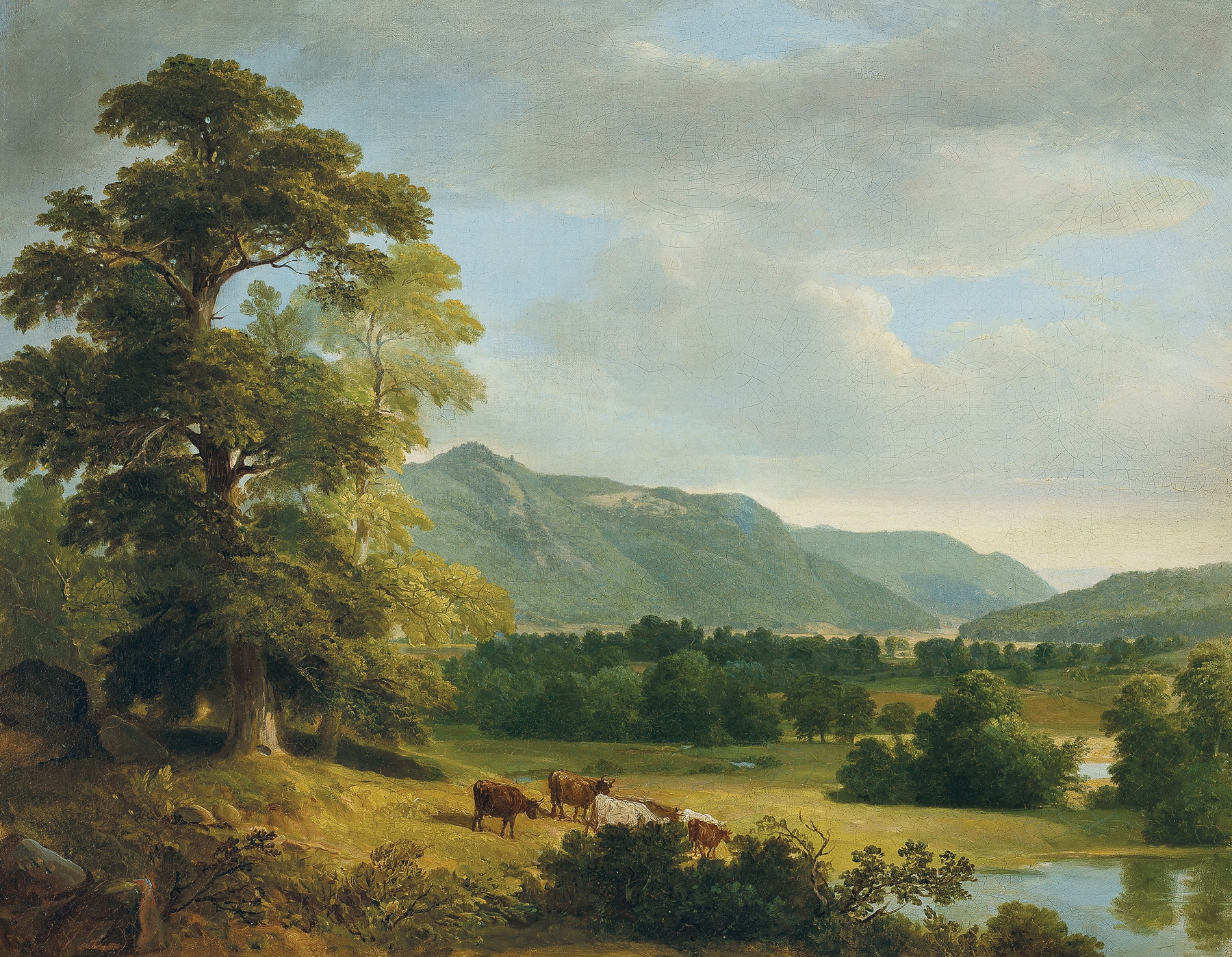
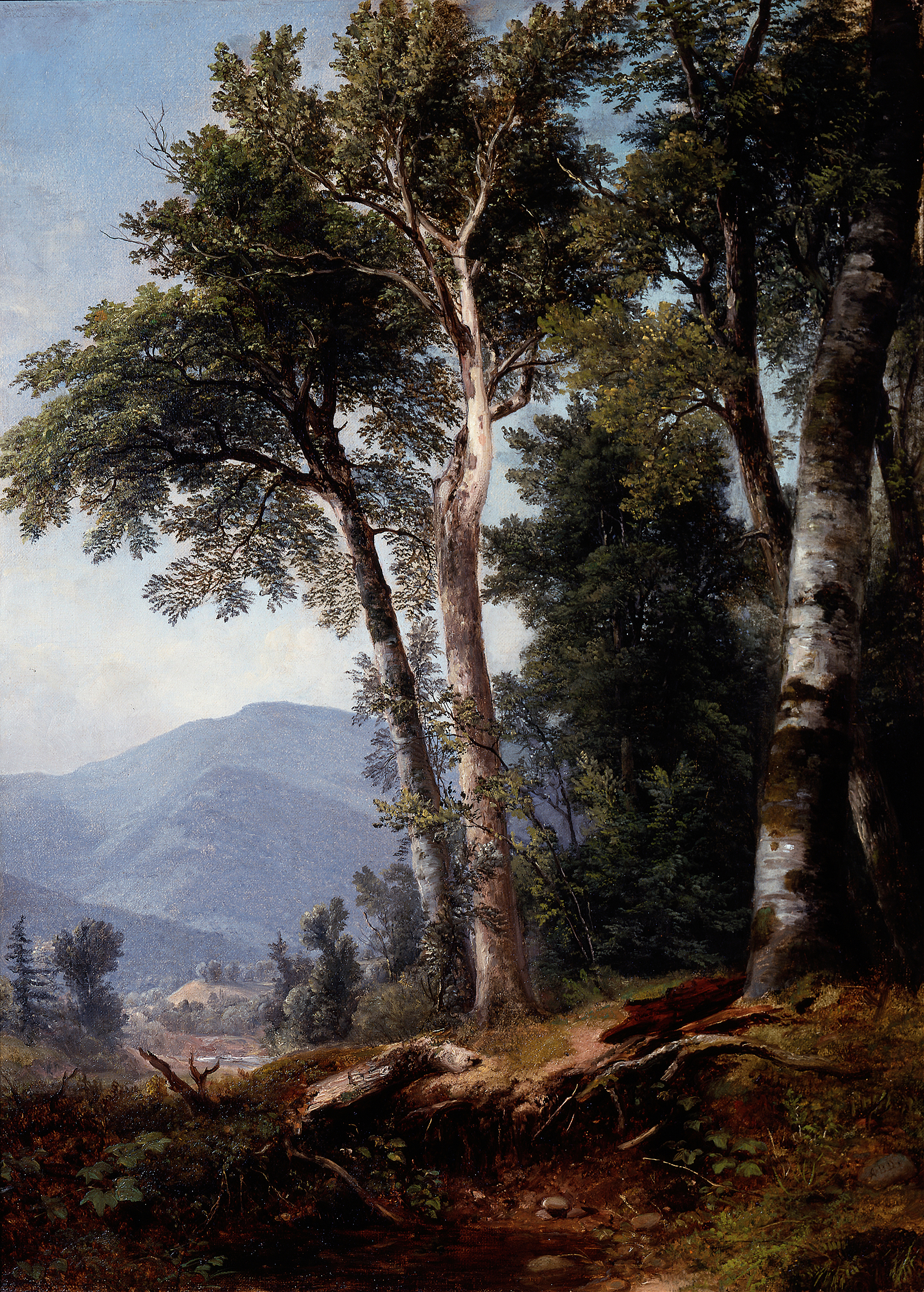
When did color learn to lie? In the delicate interplay of light and shadow, Woodland Landscape invites viewers to question the very nature of truth within art and nature alike. Focus first on the vibrant greens that spread across the canvas, like a lush carpet inviting you into the scene. Look closely at the dappled sunlight filtering through the trees, illuminating the intricate details of leaves and bark. The soft browns and muted golds create an earthy palette that grounds the composition, while the gentle curves of the hills beckon the eye deeper into the tranquil wilderness.
Notice how the subtle brushwork evokes a sense of serenity, as the landscape breathes with life, yet remains perfectly still. Within this idyllic setting lies a tension between reality and perception. The towering trees, though majestic, cast long shadows that hint at the mysteries lurking beneath the surface of the forest. The serene water, reflecting the sky’s azure hue, serves as a reminder of nature’s duality—beauty intertwined with solitude.
Here, one can sense the artist's yearning to capture not just a scene, but an essence, a truth that transcends mere representation. Durand painted Woodland Landscape around 1850, during a pivotal moment in American art history when the Hudson River School was gaining recognition. He sought to celebrate the American wilderness, as expanding urbanization threatened its very existence. This work emerged during a time when artists strived to portray the sublime beauty of nature, aiming to inspire a collective appreciation for the untamed lands that defined their nation.