Yalta (Spring) — History & Analysis
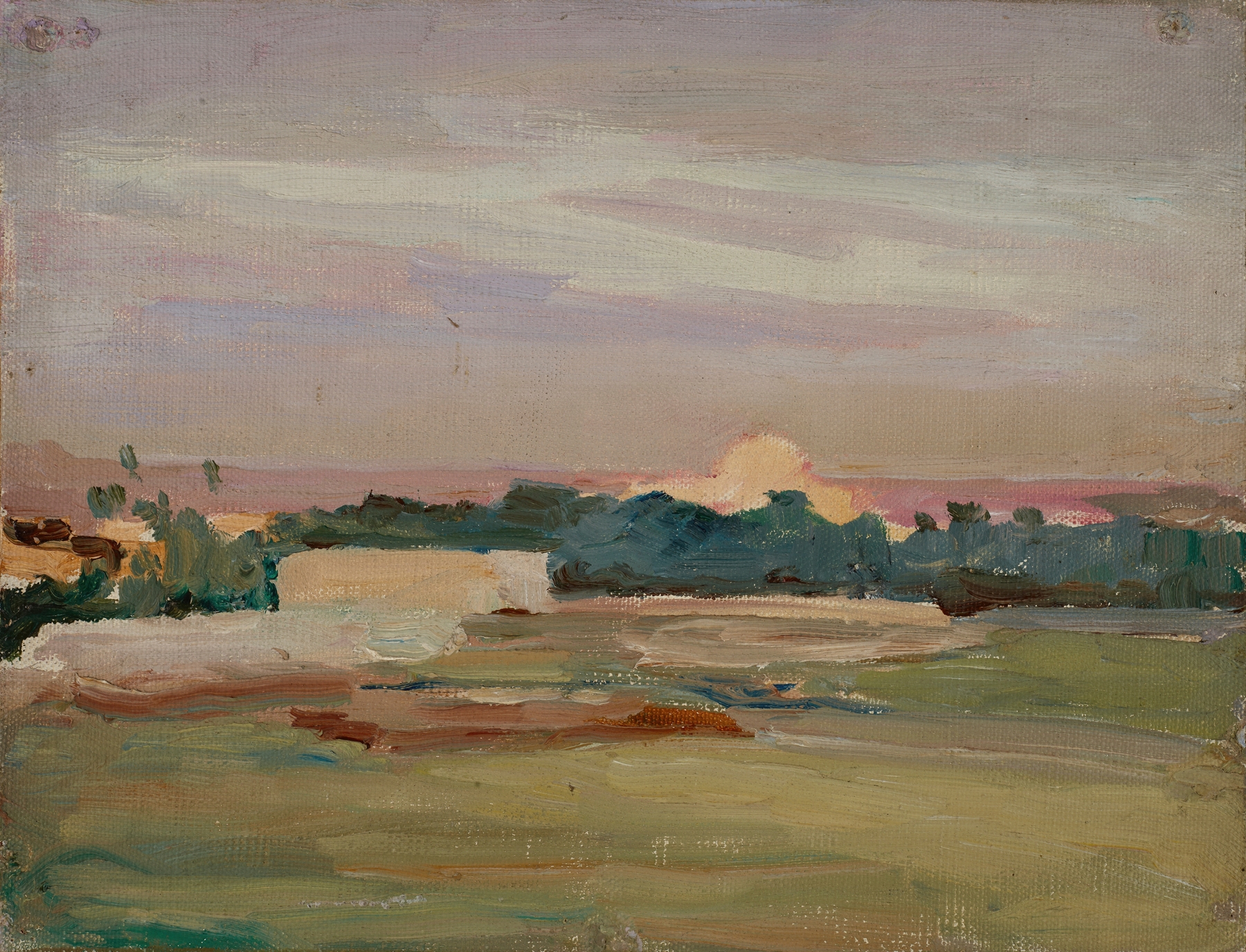
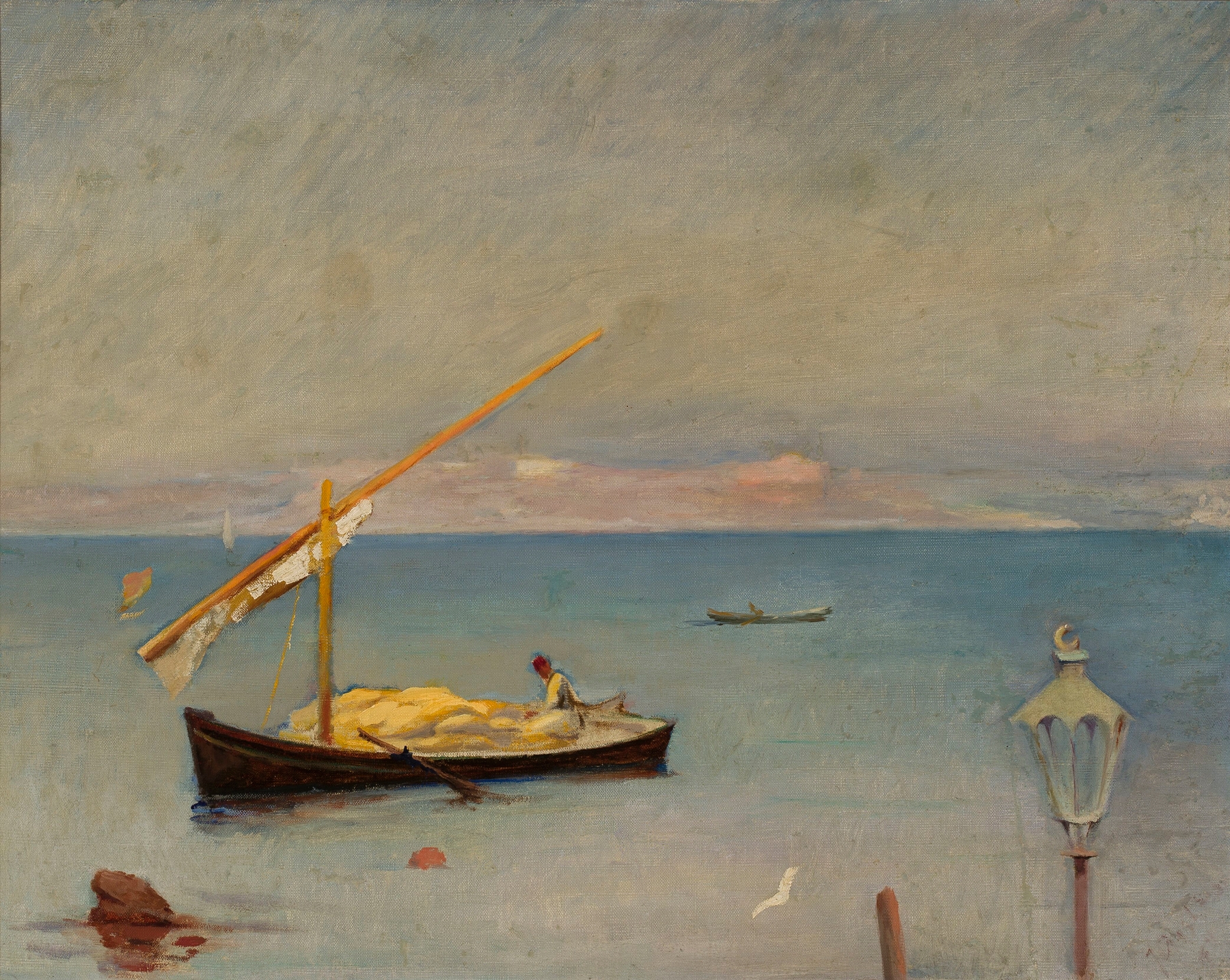
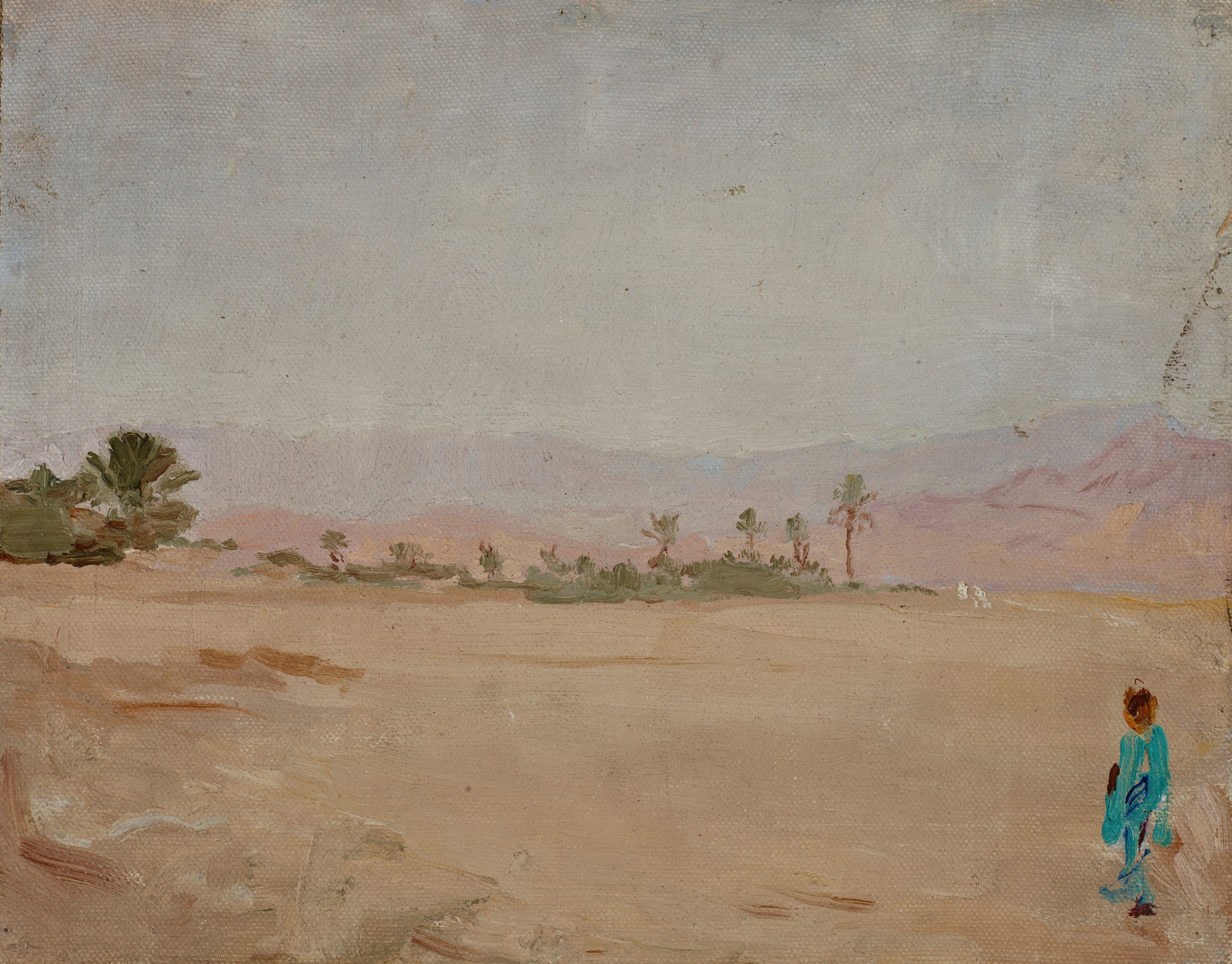
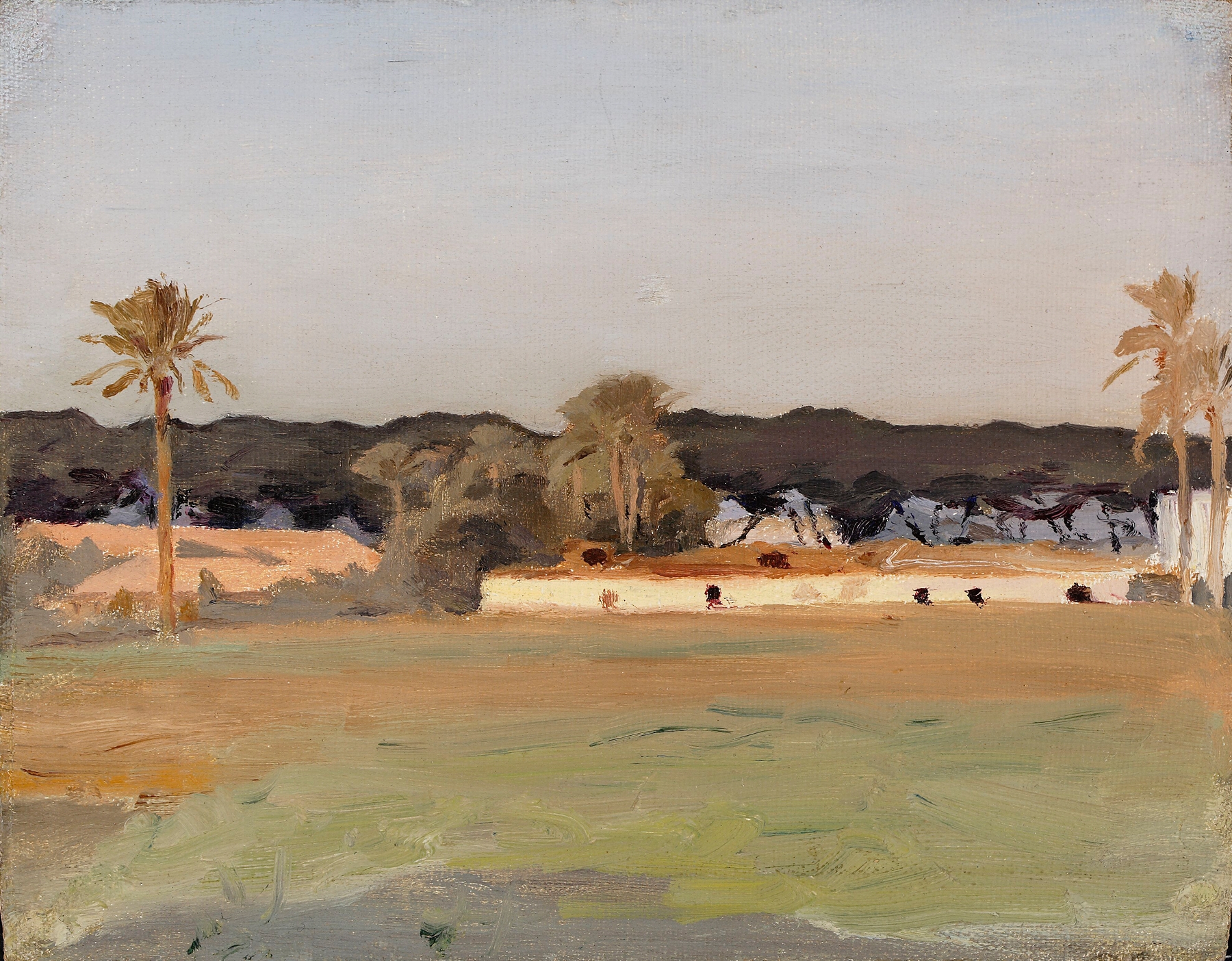
Could a single brushstroke hold eternity? In Yalta (Spring), Jan Ciągliński captures the essence of balance, weaving together nature and emotion in a vivid tapestry of color and light. Focus on the horizon, where the serene blues of the sea meet the delicate greens of the landscape. Notice how the soft brushwork creates a sense of gentle movement, as if the waves are whispering secrets to the shore.
The sky, a mélange of warm pastels, bathes the scene in a soft glow, drawing your eye to the central figure—a solitary tree standing resilient against the backdrop. This composition invites you to linger, to feel the harmony that resides in every color and line. Delve deeper into the painting's contrasts: the boldness of the tree against the fluidity of the water, the interplay between light and shadow that suggests a balance between tranquility and unrest. The tree, flourishing yet solitary, symbolizes strength amidst vulnerability, while the gentle ripples of the water mirror life's fleeting moments.
Each detail, from the delicate brushstrokes to the vibrant palette, resonates with the emotional tension of spring—renewal and the promise of new beginnings. Created in 1906, this piece emerged during a period of personal and artistic transition for Ciągliński. Living in Paris, he navigated the evolving art scene marked by Impressionism and the rise of modern techniques. As he grappled with his identity as an artist, Yalta (Spring) became a testament to his journey, encapsulating the delicate balance between tradition and innovation.