Yarmouth Beach — History & Analysis
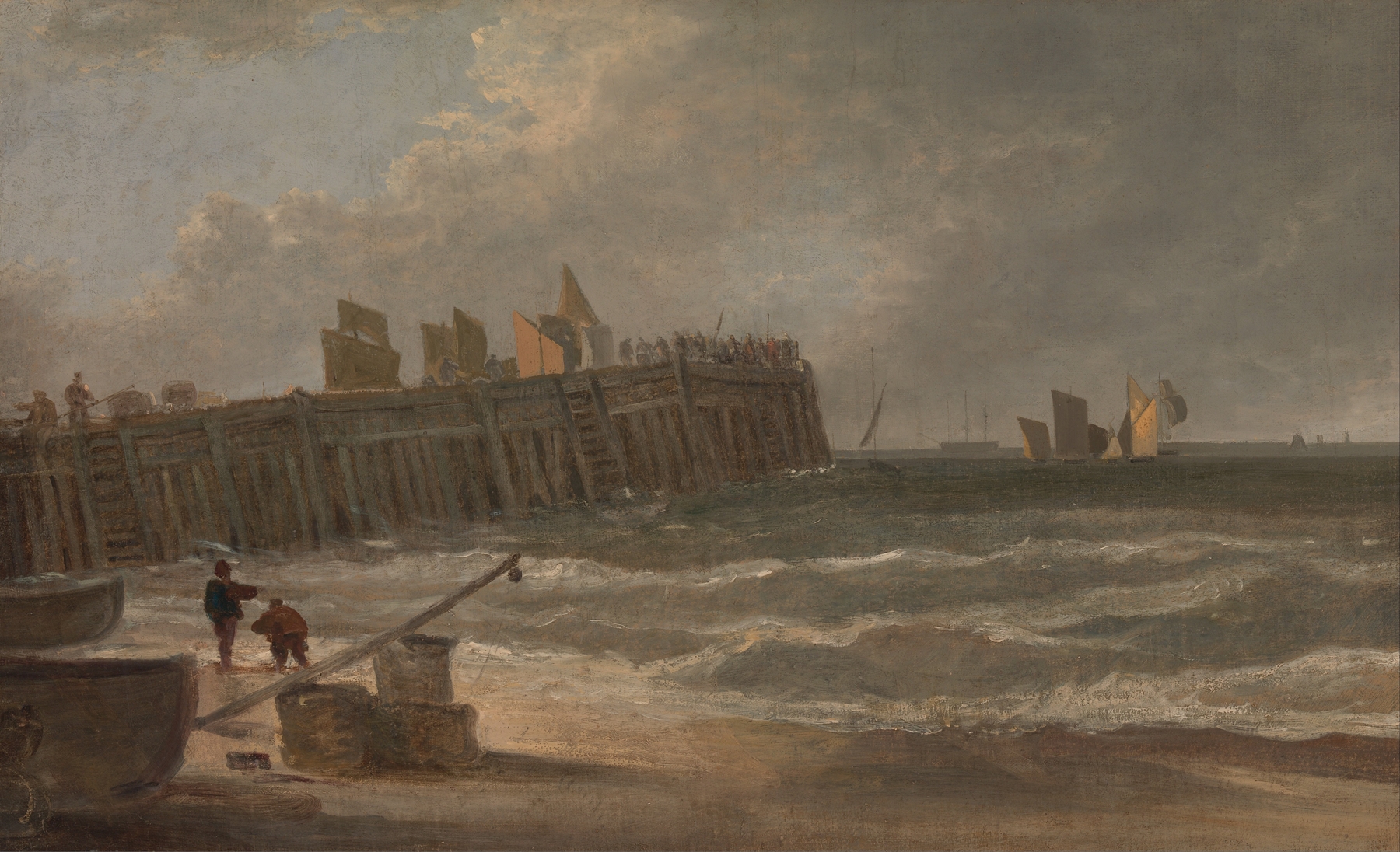
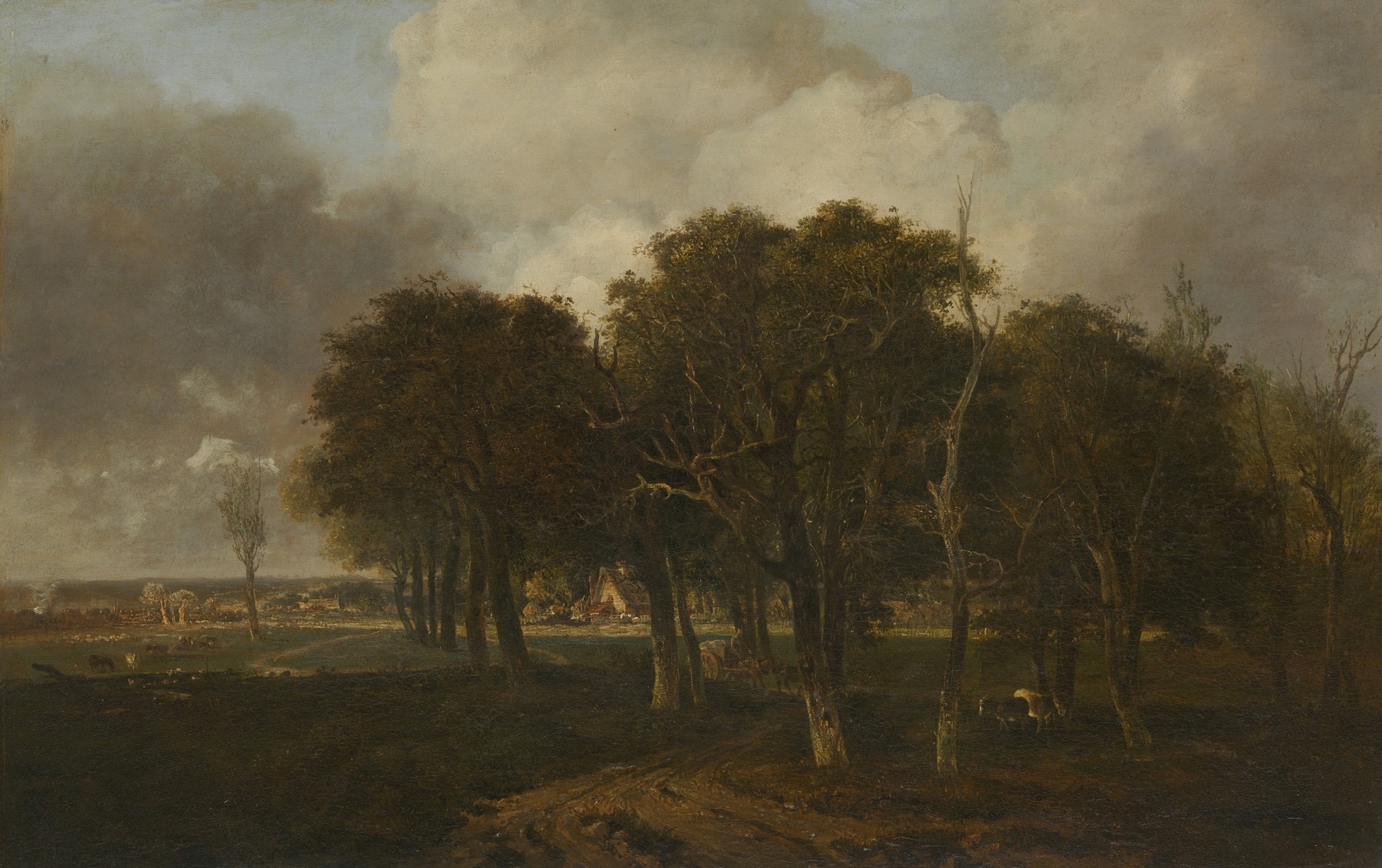
“Sometimes beauty is just pain, disguised in gold.” In John Crome's unresolved interplay of light and shadow, the allure of illusion becomes palpable, beckoning us to explore deeper. Look to the center of Yarmouth Beach, where the undulating waves glisten with a delicate touch of sunlight. The horizon, painted in soft pastels, leads the eye toward the distant shore, creating a sense of serenity that contrasts with the swirling skies above. The meticulous brushwork captures the textures of sand and sea, inviting the viewer to feel the cool breeze and listen to the whispers of the tide.
Yet, beneath this serene facade lies a tension that speaks volumes. The golden light appears almost too perfect, hinting at an ephemeral moment that might soon shatter. Shadows loom at the edges of the canvas, suggesting the lurking struggles of nature, the fragility of beauty, and the inevitable passage of time. The interplay of color not only defines the landscape but also evokes a sense of longing, a reminder that every idyllic scene harbors its moments of despair.
Crome painted this piece during a period of personal and artistic evolution, likely in the early 19th century. As one of the founding members of the Norwich School, he sought to elevate landscape painting in Britain, capturing the beauty of the local environment amidst societal changes. His work reflects a burgeoning Romantic sensibility, where nature’s splendor often masks deeper emotional truths.