
New Wisteria Leaves (Fuji no Uraba), Illustration to Chapter 33 of the Tale of Genji (Genji monogatari) — História e Análise
Na delicada interação entre natureza e emoção, as suaves folhas de glicínia em New Wisteria Leaves despertam um profundo senso de inocência perdida e beleza entrelaçada com melancolia. Observe os padrões intrincados que dançam na superfície, um borrão hipnotizante de verdes suaves e dourados delicados. Note como as vinhas de glicínia, carinhosamente retratadas, se torcem e se movem graciosamente, evocando tanto crescimento quanto nostalgia. As cores suavemente cintilantes não são meramente ornamentais; elas envolvem o espectador em um abraço nostálgico, realçando a elegante quietude da composição.
A meticulosa pincelada revela a mão habilidosa do artista, enquanto as texturas em camadas convidam você a permanecer mais tempo, explorando as profundezas de cada folha. Esta obra de arte captura momentos efêmeros, encapsulando a essência da natureza transitória da beleza. As folhas simbolizam inocência e renovação, mas sua apresentação delicada sugere vulnerabilidade — um lembrete de que a beleza muitas vezes carrega o peso de histórias não contadas. Em sua descida graciosa, os pétalas espalhados evocam pensamentos de anseio e a impermanência da vida, criando uma tensão emocional que ressoa profundamente dentro do espectador. Durante o período Muromachi, Tosa Mitsunobu foi uma figura fundamental na evolução da pintura japonesa.
Trabalhando em Quioto entre 1509 e 1510, ele foi influenciado pela apreciação cultural da beleza sutil e pela conexão entre a humanidade e a natureza. Sua arte não apenas reflete a estética de seu tempo, mas também marca um capítulo significativo na narrativa da arte japonesa, onde o delicado equilíbrio entre simplicidade e profundidade emocional começou a florescer.
Mais obras de Tosa Mitsunobu
Ver tudo →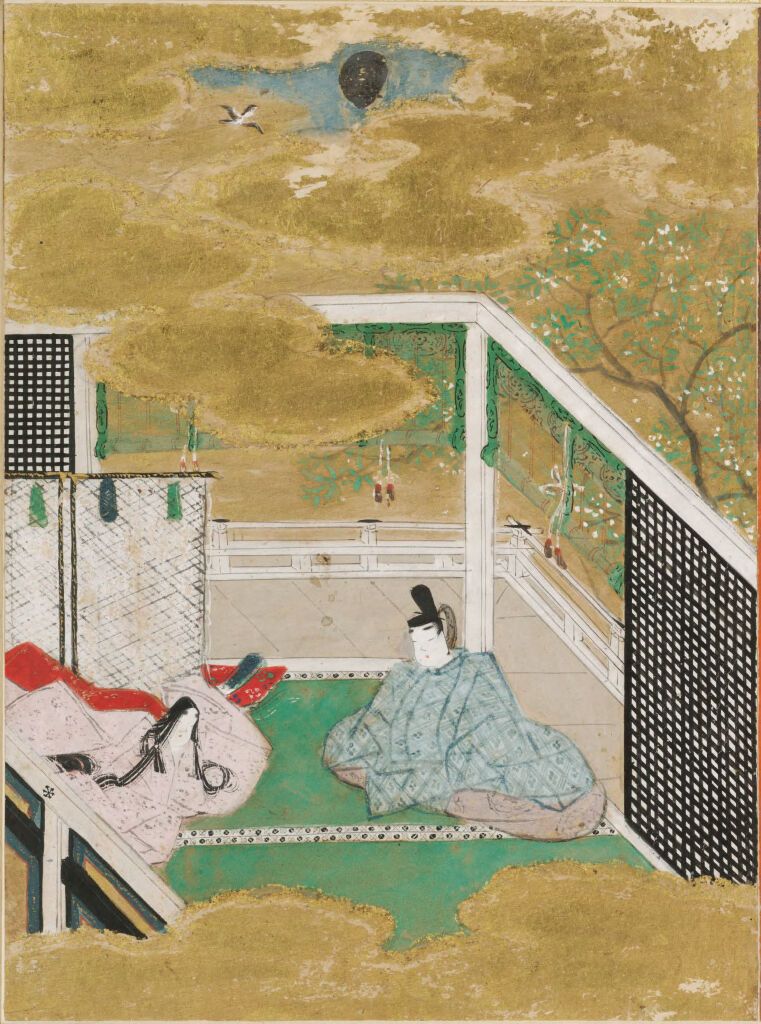
Falling Flowers (Hanachirusato), Illustration to Chapter 11 of the Tale of Genji (Genji monogatari)
Tosa Mitsunobu
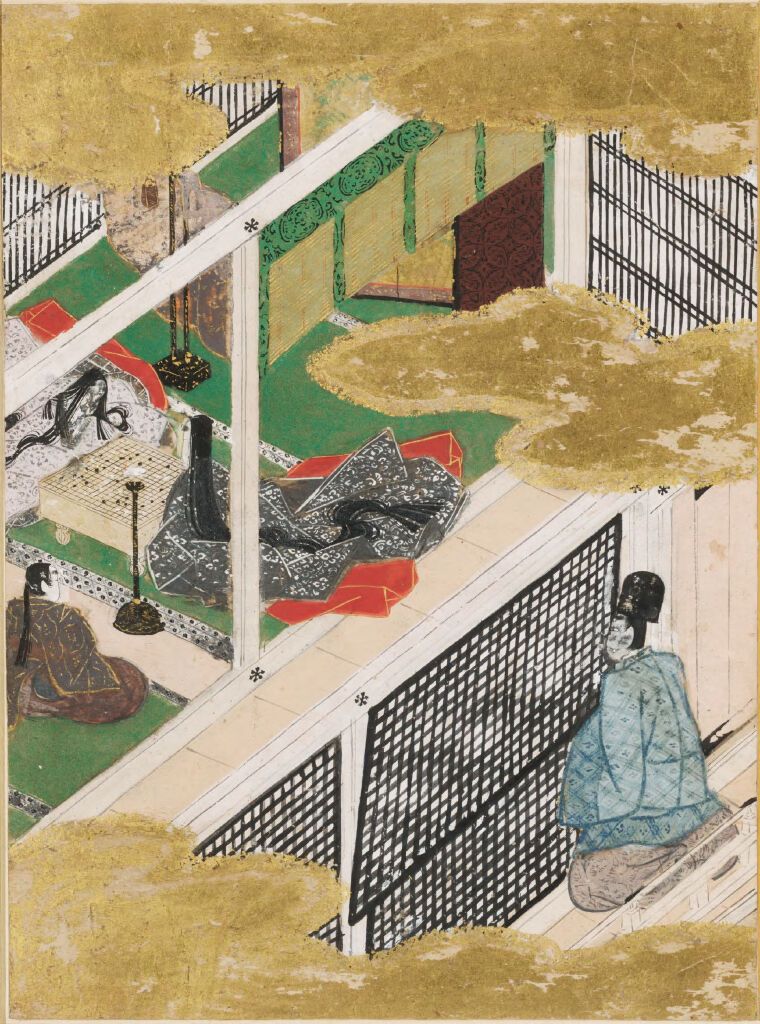
The Cicada Shell (Utsusemi), Illustration to Chapter 3 of the Tale of Genji (Genji monogatari)
Tosa Mitsunobu
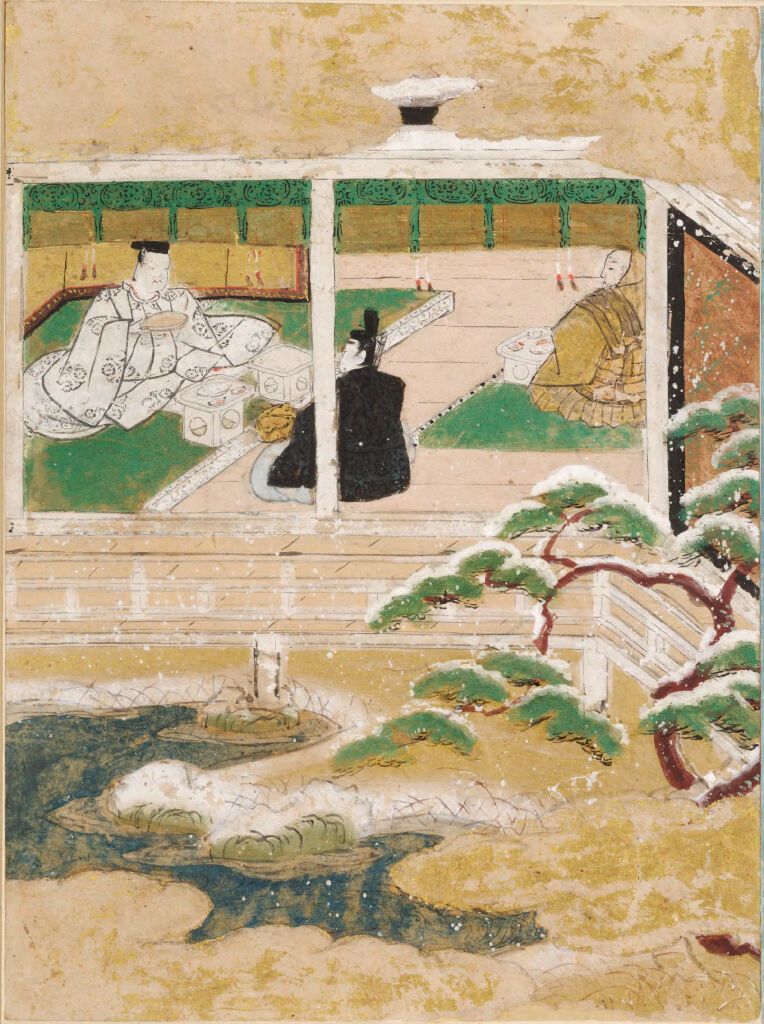
The Seer (Maboroshi), Illustration to Chapter 41 of the Tale of Genji (Genji monogatari)
Tosa Mitsunobu
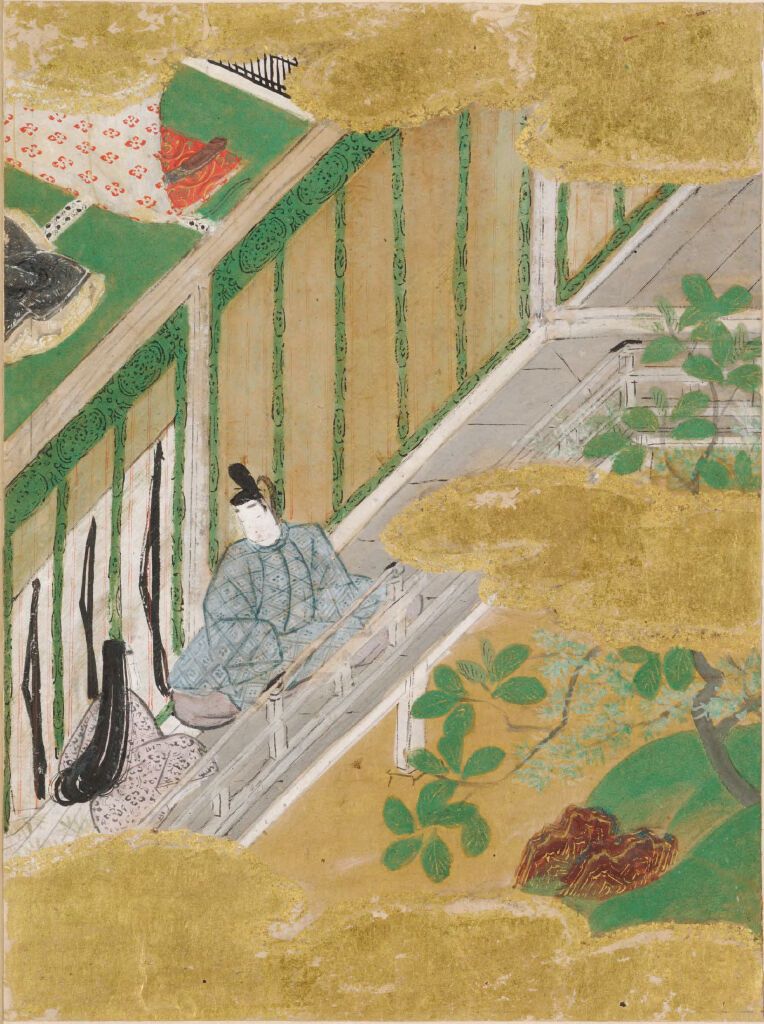
The Oak Tree (Kashiwagi), Illustration to Chapter 36 of the Tale of Genji (Genji monogatari)
Tosa Mitsunobu
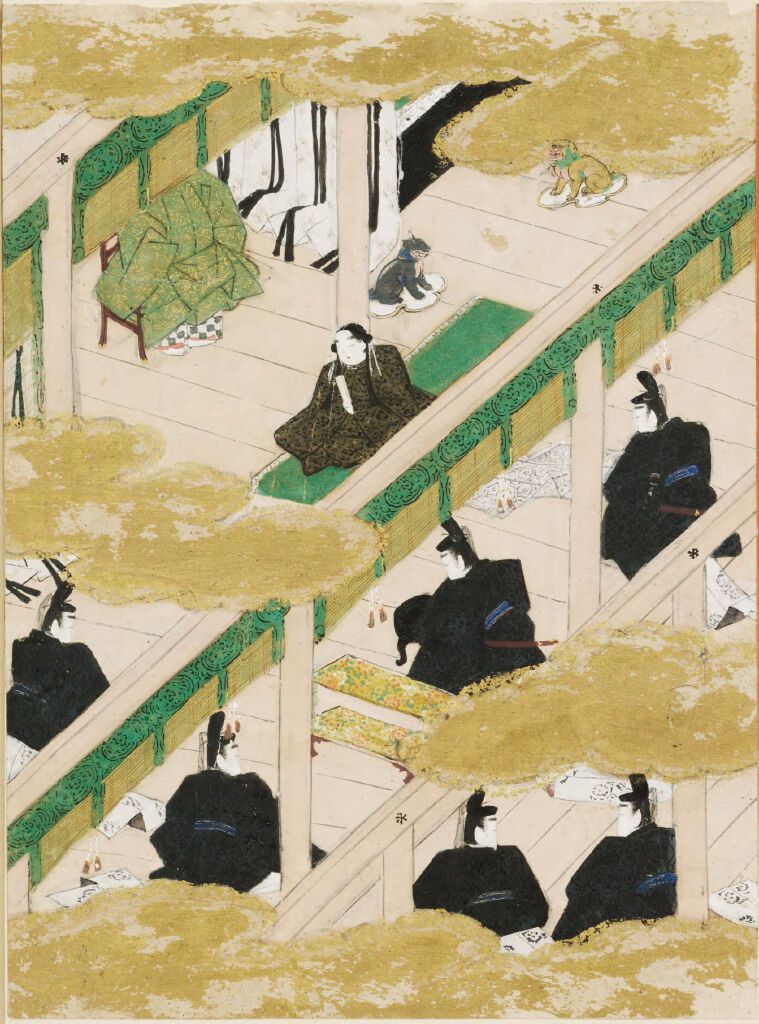
The Paulownia Pavilion (Kiritsubo), Illustration to Chapter 1 of the Tale of Genji (Genji monogatari)
Tosa Mitsunobu
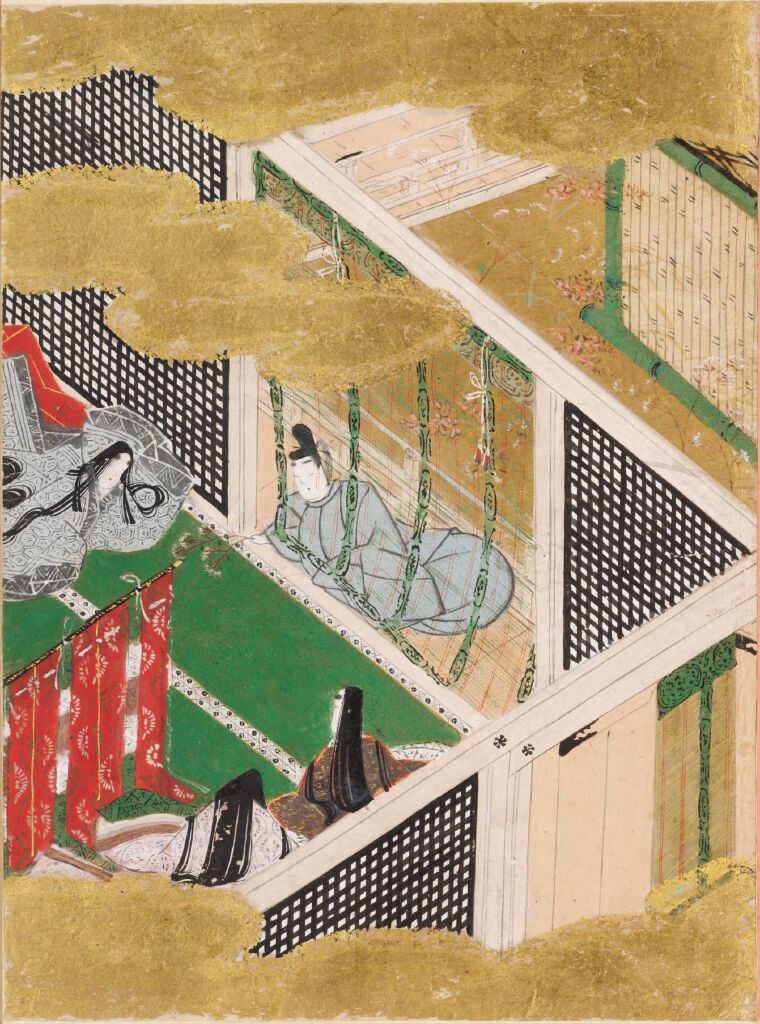
Thoroughwort Flowers (Fujibakama), Illustration to Chapter 30 of the Tale of Genji (Genji monogatari)
Tosa Mitsunobu

Under the Cherry Blossoms (Hana no En), Illustration to Chapter 8 of the Tale of Genji (Genji monogatari)
Tosa Mitsunobu

The Pilgrimage to Sumiyoshi (Miotsukushi), Illustration to Chapter 14 of the Tale of Genji (Genji monogatari)
Tosa Mitsunobu
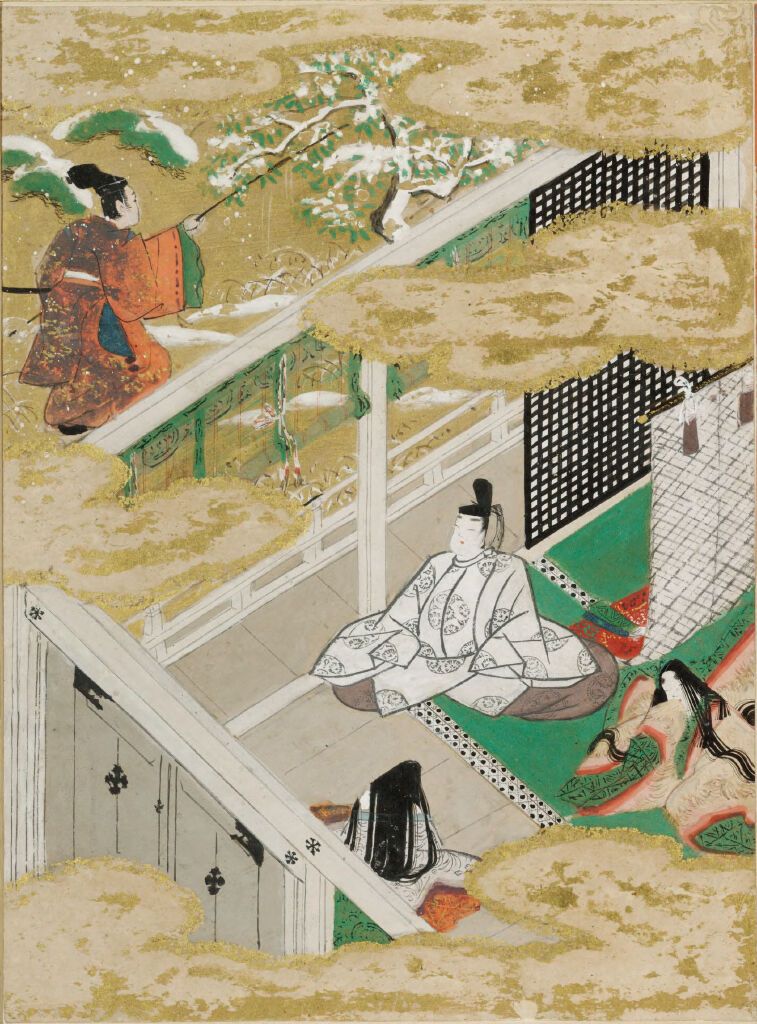
The Safflower (Suetsumuhana), Illustration to Chapter 6 of the Tale of Genji (Genji monogatari)
Tosa Mitsunobu
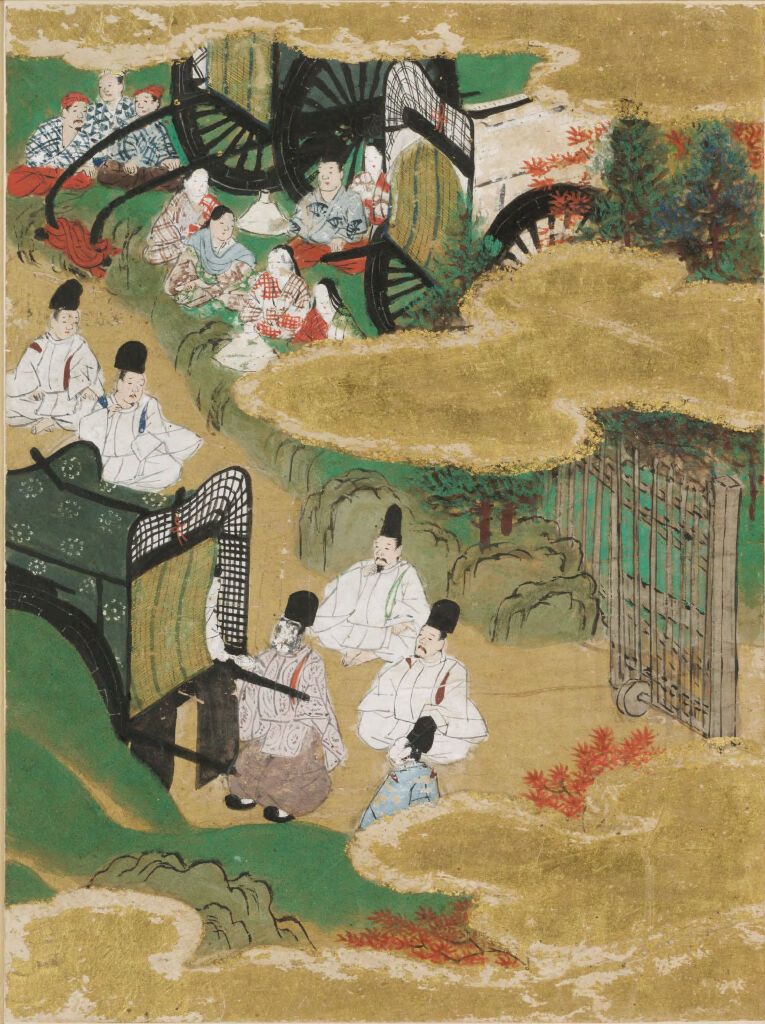
At the Pass (Sekiya), Illustration to Chapter 16 of the Tale of Genji (Genji monogatari)
Tosa Mitsunobu
Mais arte de Ilustração
Ver tudo →Falling Flowers (Hanachirusato), Illustration to Chapter 11 of the Tale of Genji (Genji monogatari)
Tosa Mitsunobu
The Cicada Shell (Utsusemi), Illustration to Chapter 3 of the Tale of Genji (Genji monogatari)
Tosa Mitsunobu
The Seer (Maboroshi), Illustration to Chapter 41 of the Tale of Genji (Genji monogatari)
Tosa Mitsunobu
The Oak Tree (Kashiwagi), Illustration to Chapter 36 of the Tale of Genji (Genji monogatari)
Tosa Mitsunobu
The Paulownia Pavilion (Kiritsubo), Illustration to Chapter 1 of the Tale of Genji (Genji monogatari)
Tosa Mitsunobu
Thoroughwort Flowers (Fujibakama), Illustration to Chapter 30 of the Tale of Genji (Genji monogatari)
Tosa Mitsunobu