The Eastern Cottage (Azumaya), Illustration to Chapter 50 of the Tale of Genji (Genji monogatari) — History & Analysis
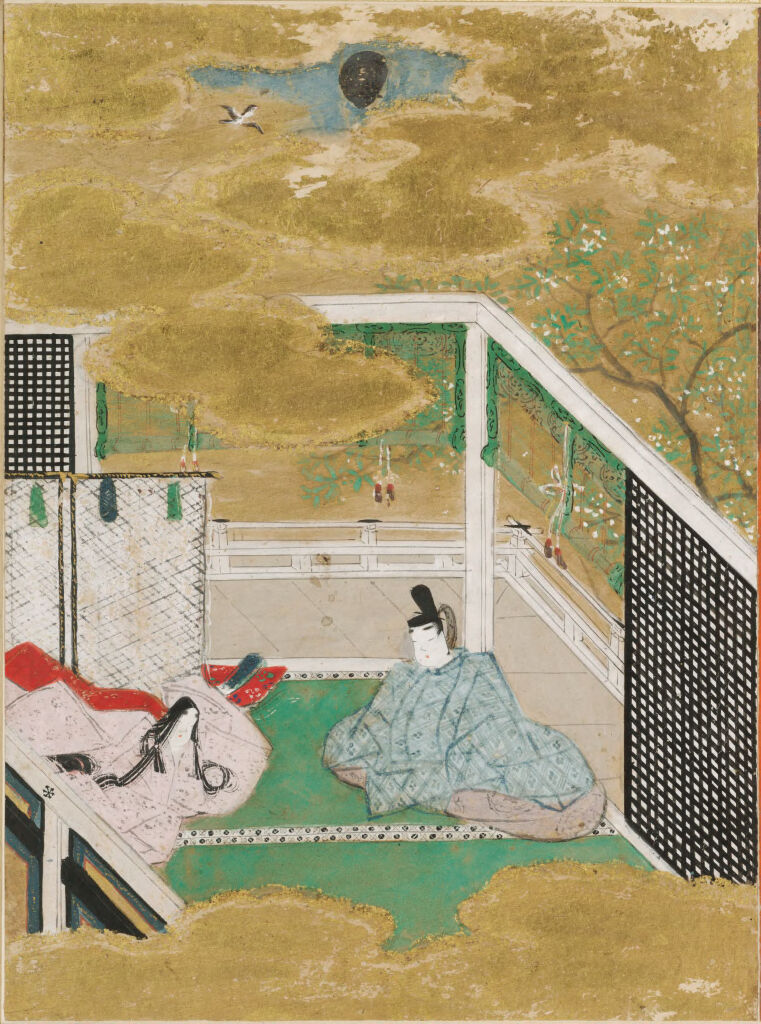
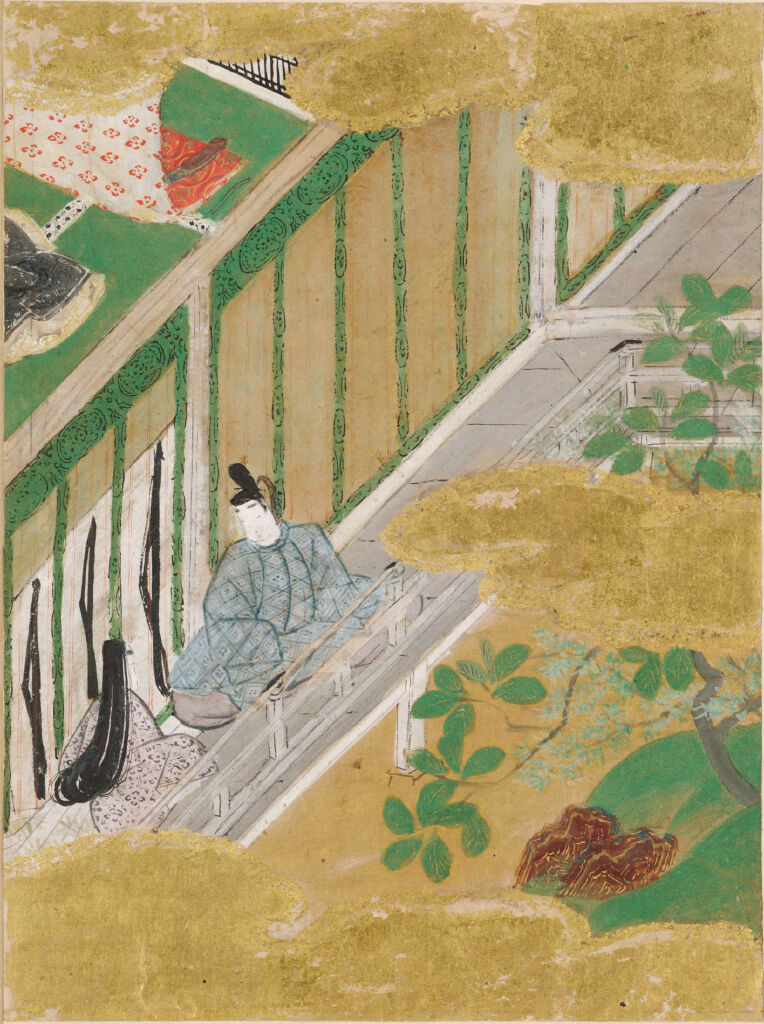
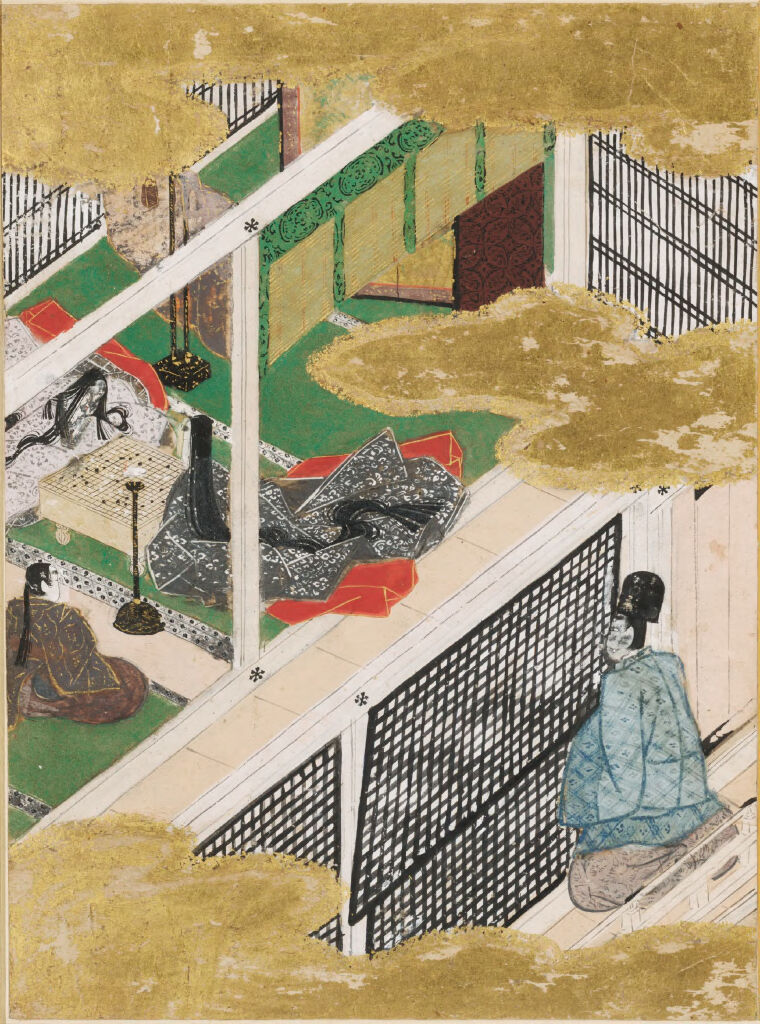
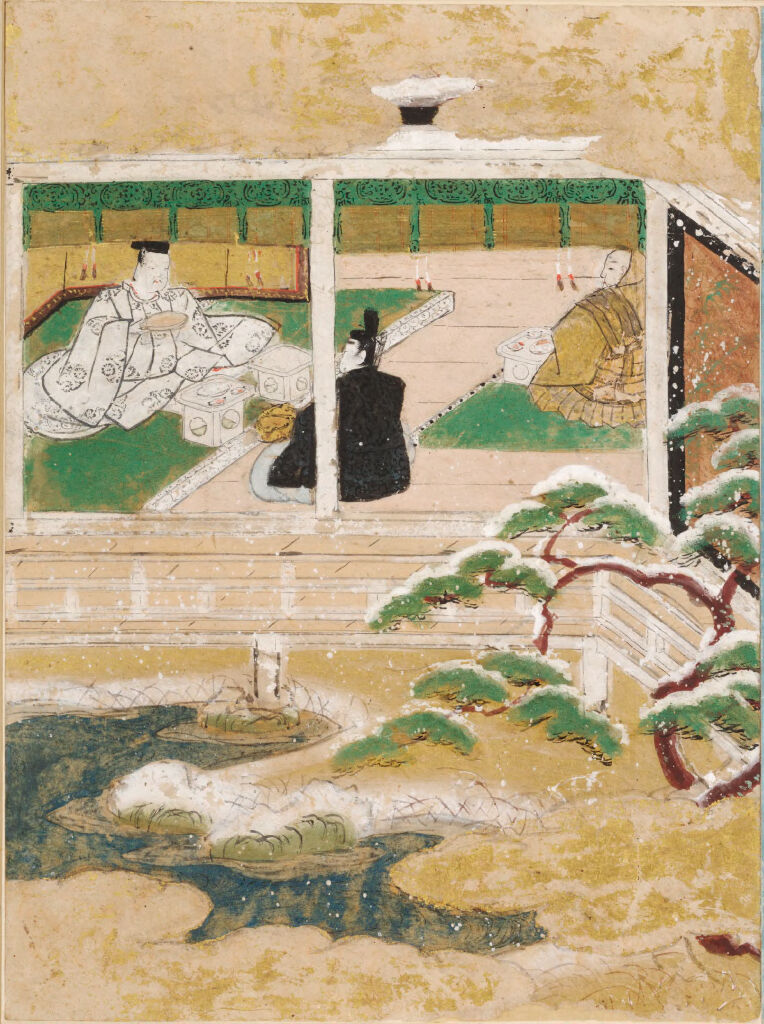
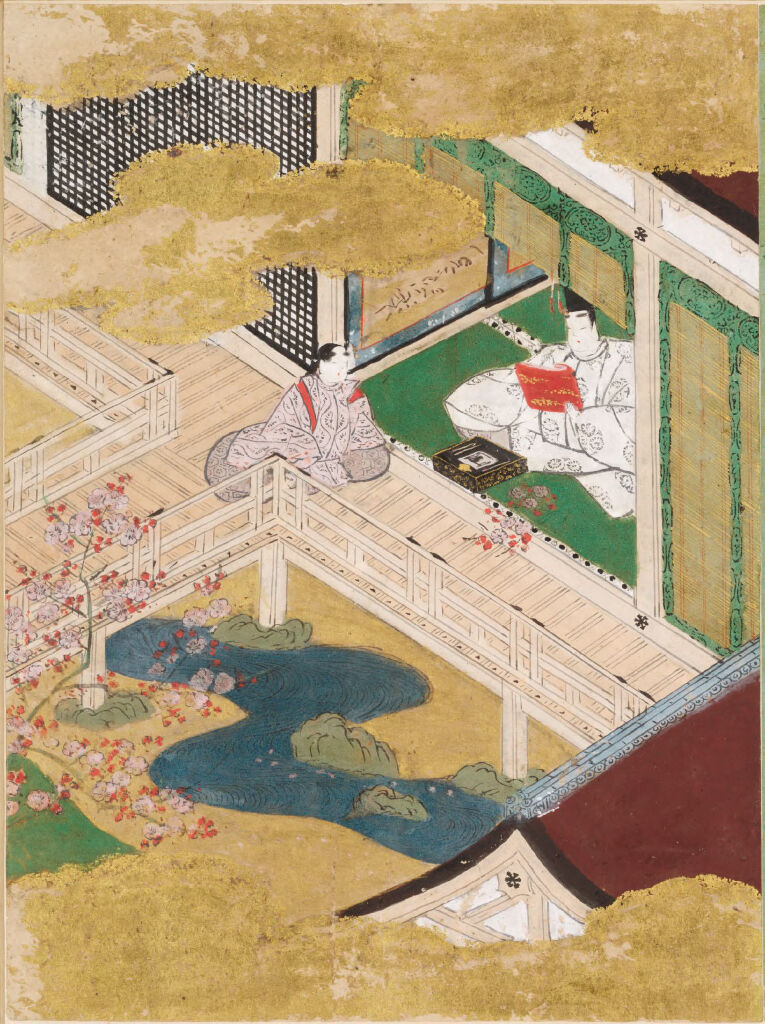
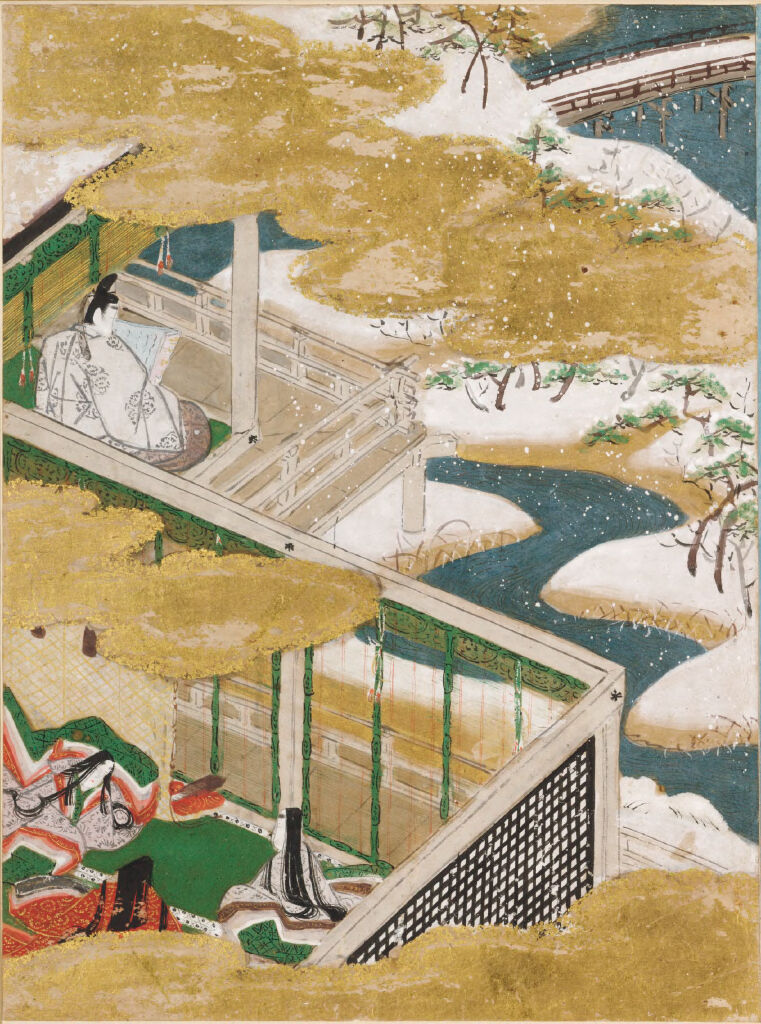
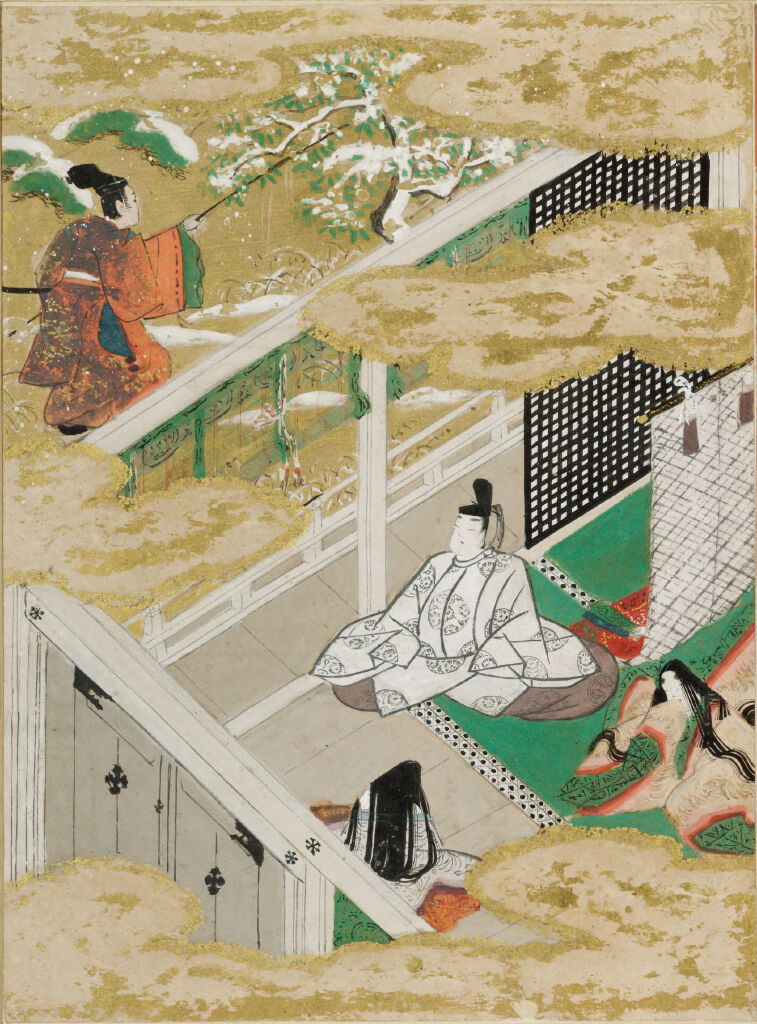
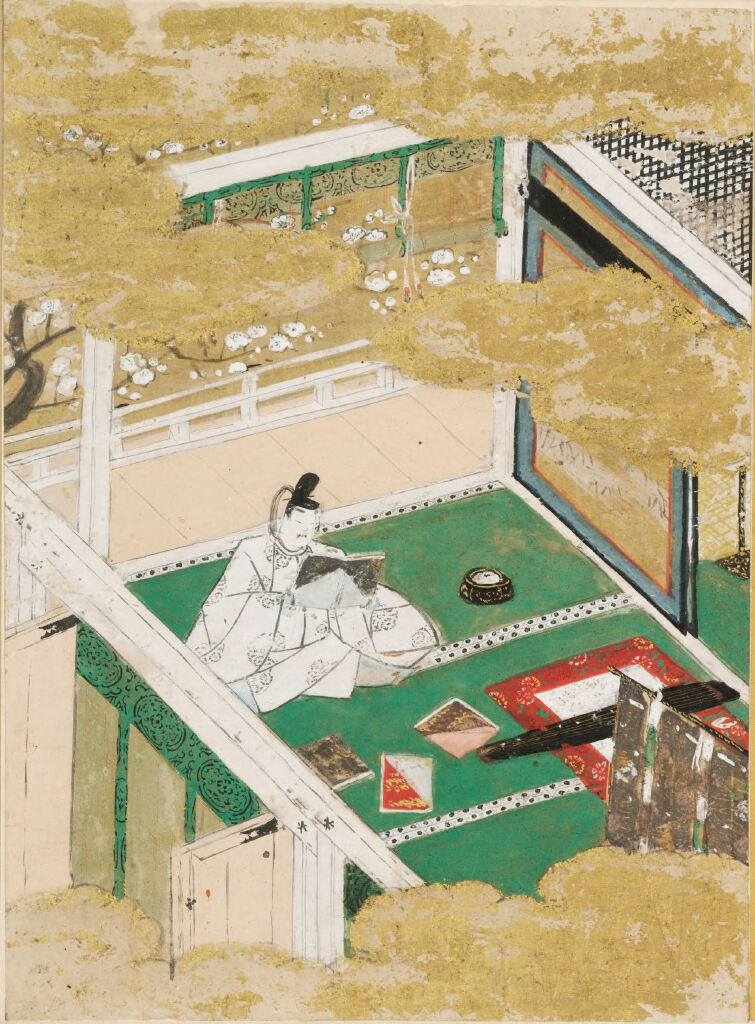
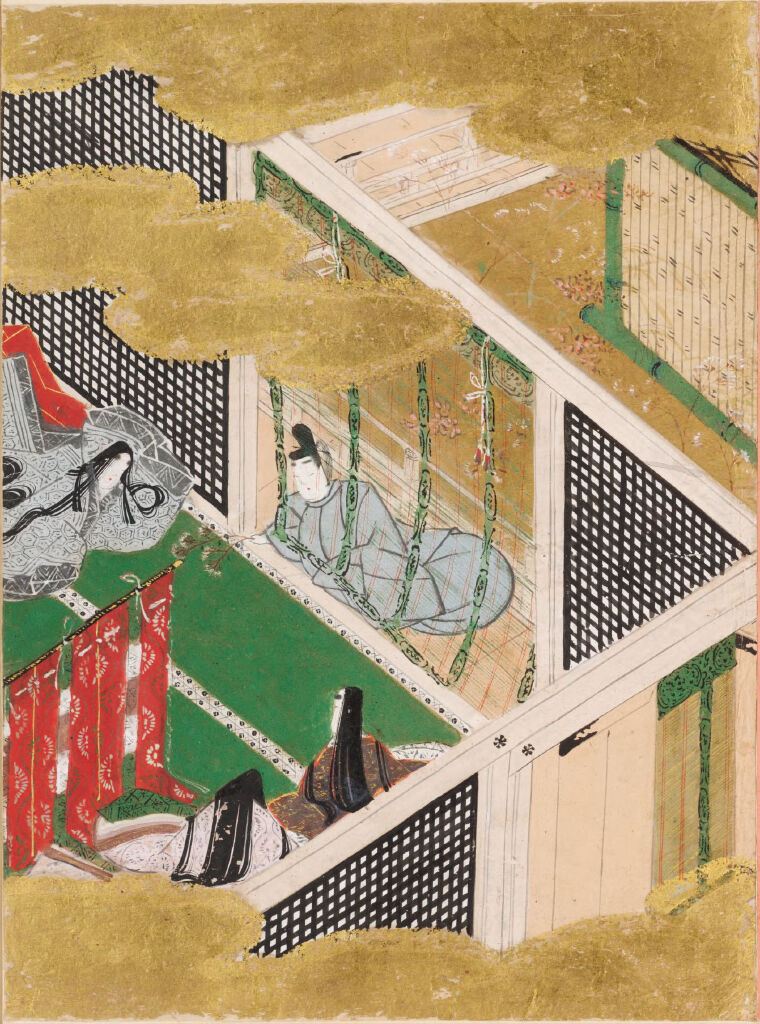
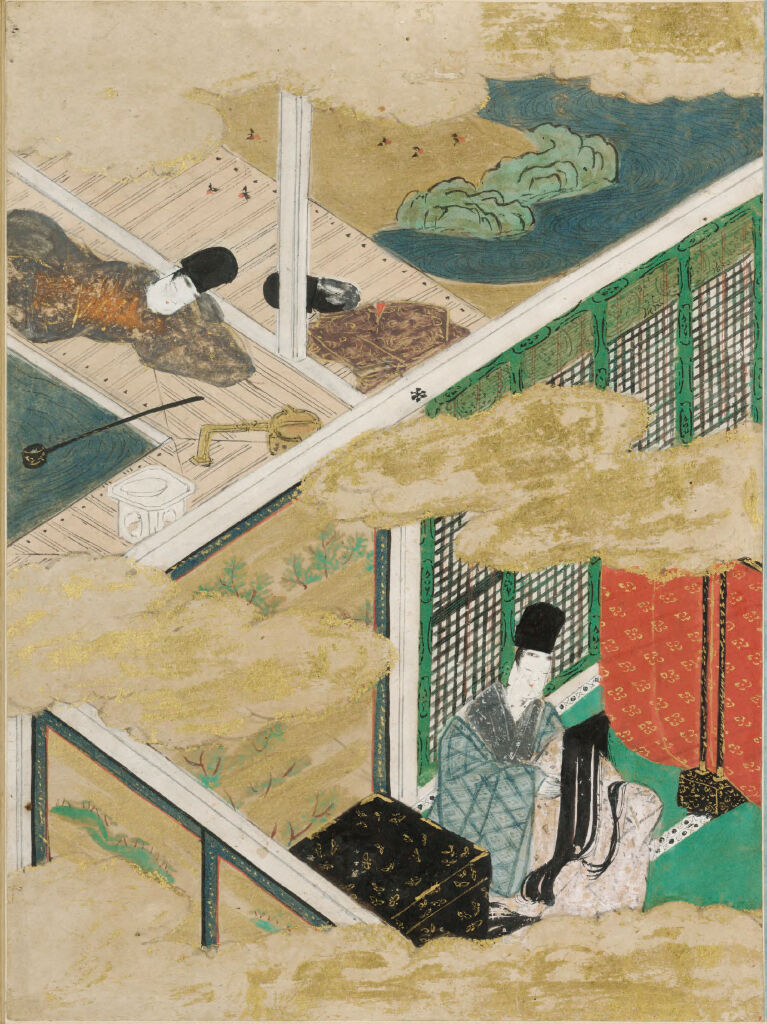
Could a single brushstroke hold eternity? In The Eastern Cottage, Tosa Mitsunobu masterfully captures the essence of nostalgia, inviting viewers into a moment steeped in memory and longing. Look closely at the serene landscape—a tranquil cottage nestled amidst graceful willow trees. The delicate lines of the structure lead your gaze to the soft waves of the water below, where subtle reflections shimmer like whispered secrets.
Notice how the muted palette, infused with gentle greens and warm earth tones, evokes a sense of harmony and peace, each brushstroke meticulously placed to create a natural rhythm that draws the eye across the composition. This illustration reveals deeper layers of meaning, reflecting transience and the passage of time. The ethereal quality of the clouds hovering above suggests an impermanence, while the cottage itself stands as a testament to the enduring spirit of nature and human experience. The juxtaposition of the ephemeral sky and the solid dwelling underscores a tension between longing for the past and the inevitability of change.
Tosa Mitsunobu created this piece during the Muromachi period, around 1509-1510, a time marked by a flourishing of the arts in Japan. The era was defined by a blend of Chinese influences and the emergence of unique Japanese aesthetics. Mitsunobu, a prominent figure in the Tosa school, was dedicated to reviving traditional Japanese painting, using this work to bridge literary narrative and visual art, all while reflecting the cultural sensibilities of his time.