
The Picture Contest (Eawase), Illustration to Chapter 17 of the Tale of Genji (Genji monogatari) — História e Análise
Quem escuta quando a arte fala de silêncio? Nessa quietude reside um profundo anseio, uma dor por conexão que transcende o tempo e o espaço. Olhe para a esquerda, onde figuras elegantes emergem de uma delicada interação de cores suaves e detalhes intrincados. Note como a suavidade de suas vestes contrasta com o fundo texturizado, atraindo seu olhar para o núcleo emocional da cena. A sutileza em suas expressões sugere uma narrativa em desenvolvimento, enquanto as pinceladas evocam um momento efêmero capturado em uma moldura — uma competição silenciosa de mérito artístico em meio à beleza serena da natureza. A composição revela um contraste entre a vivacidade dos participantes e o tranquilo pano de fundo das flores de cerejeira, simbolizando a natureza fugaz dos esforços e emoções humanas.
Cada figura, composta, mas contemplativa, reflete um anseio por validação e reconhecimento, enquanto os tons suaves criam uma atmosfera rica em palavras não ditas. Essa interação de silêncio e expressão encapsula um comentário mais amplo sobre a busca pela beleza e a elusividade da realização. Tosa Mitsunobu, ativo durante o período Muromachi, pintou O Concurso de Pintura por volta de 1509-1510, uma época marcada pelo florescimento das artes no Japão. Como uma figura proeminente na cena artística da corte, ele buscou fundir a estética japonesa tradicional com as influências da época, posicionando sua obra dentro do contexto de uma identidade cultural em evolução.
Esta pintura serve como um testemunho dos diálogos artísticos do período, refletindo tanto aspirações pessoais quanto coletivas em um reino imerso em poesia e elegância.
Mais obras de Tosa Mitsunobu
Ver tudo →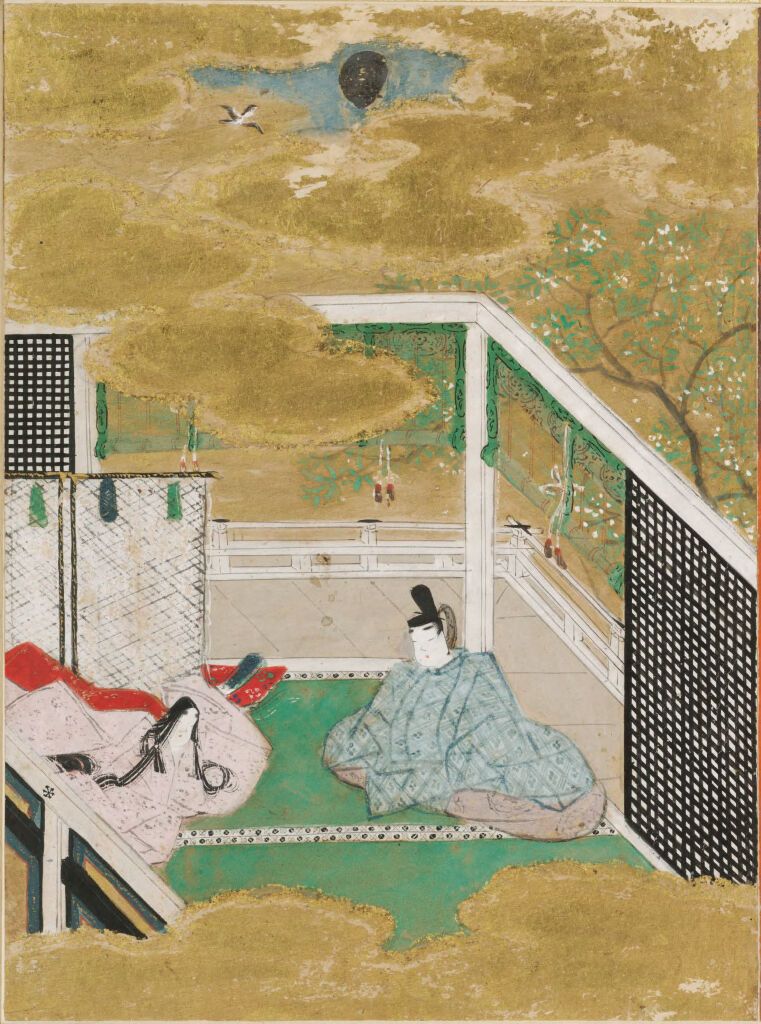
Falling Flowers (Hanachirusato), Illustration to Chapter 11 of the Tale of Genji (Genji monogatari)
Tosa Mitsunobu
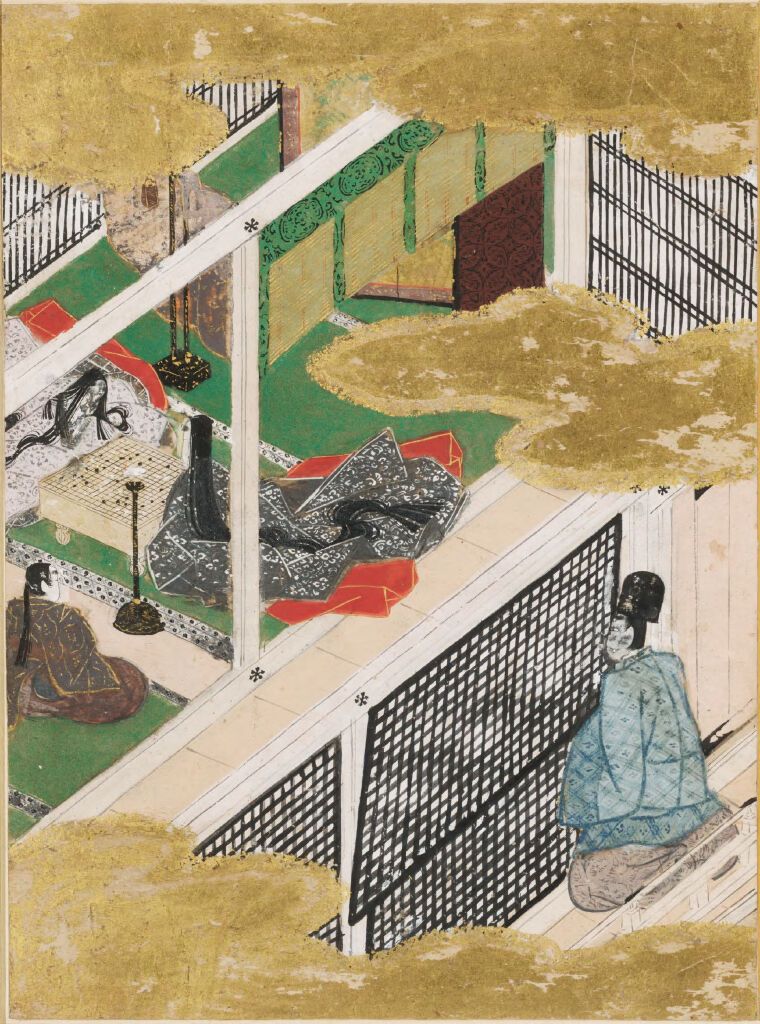
The Cicada Shell (Utsusemi), Illustration to Chapter 3 of the Tale of Genji (Genji monogatari)
Tosa Mitsunobu
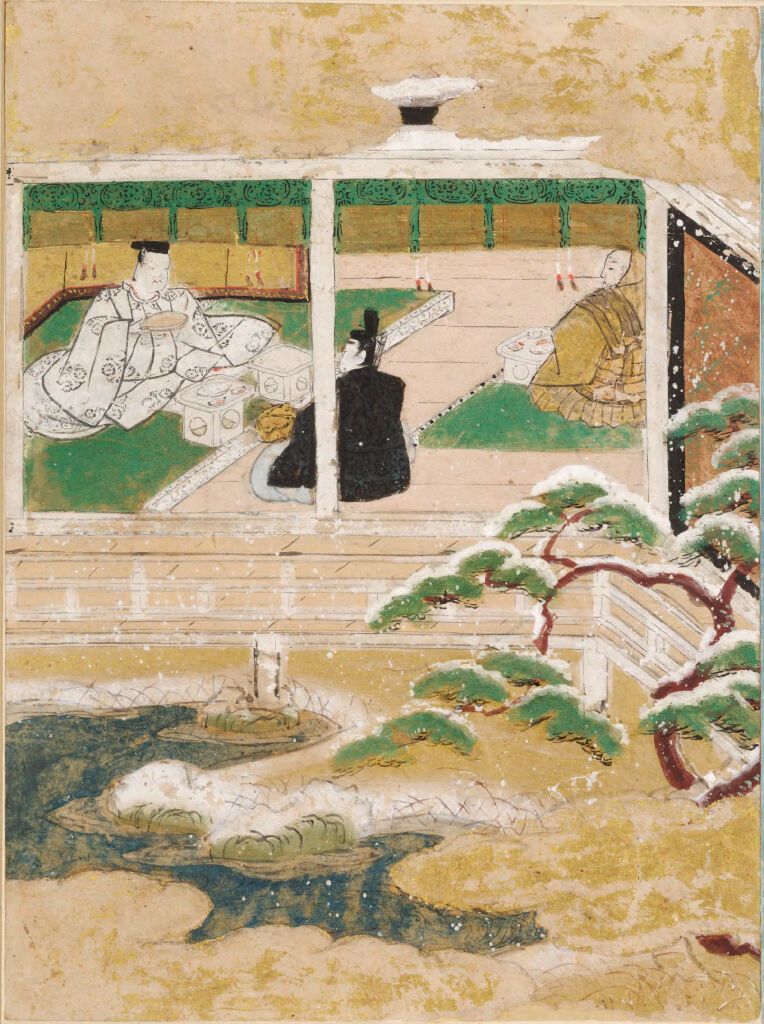
The Seer (Maboroshi), Illustration to Chapter 41 of the Tale of Genji (Genji monogatari)
Tosa Mitsunobu
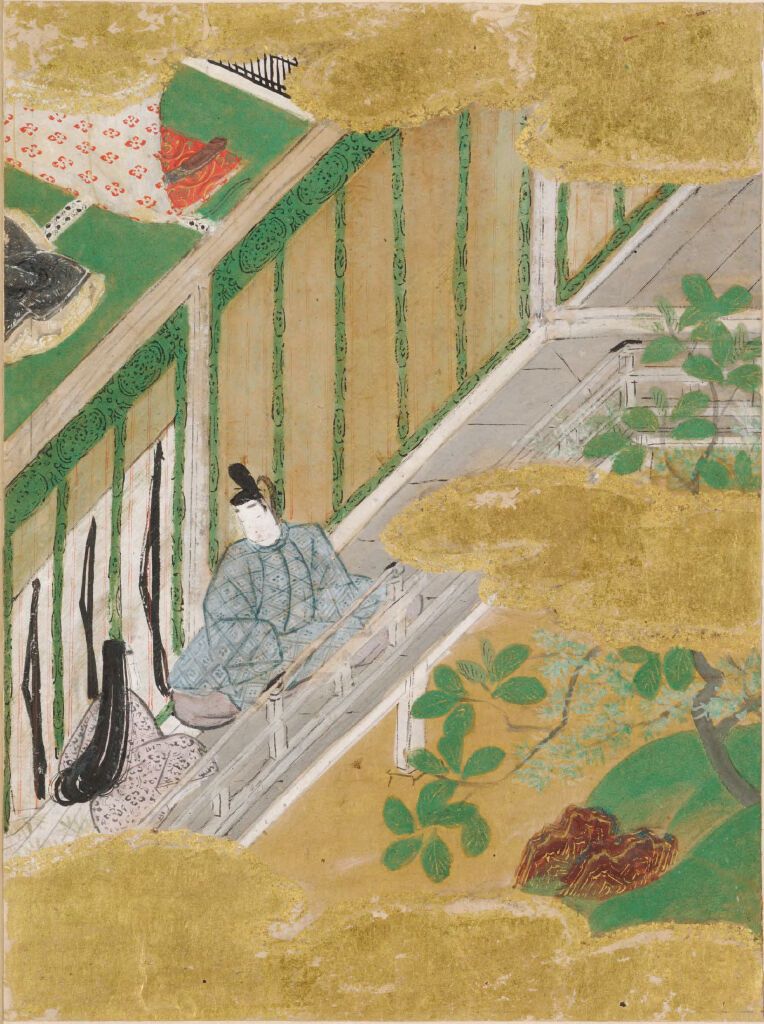
The Oak Tree (Kashiwagi), Illustration to Chapter 36 of the Tale of Genji (Genji monogatari)
Tosa Mitsunobu
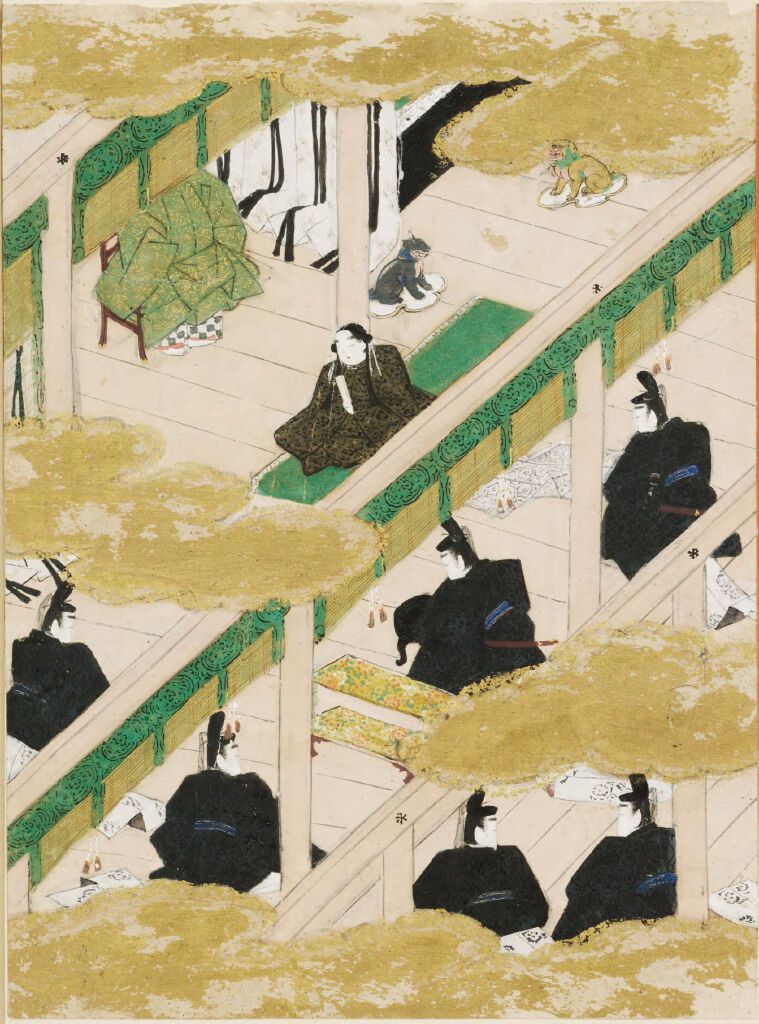
The Paulownia Pavilion (Kiritsubo), Illustration to Chapter 1 of the Tale of Genji (Genji monogatari)
Tosa Mitsunobu
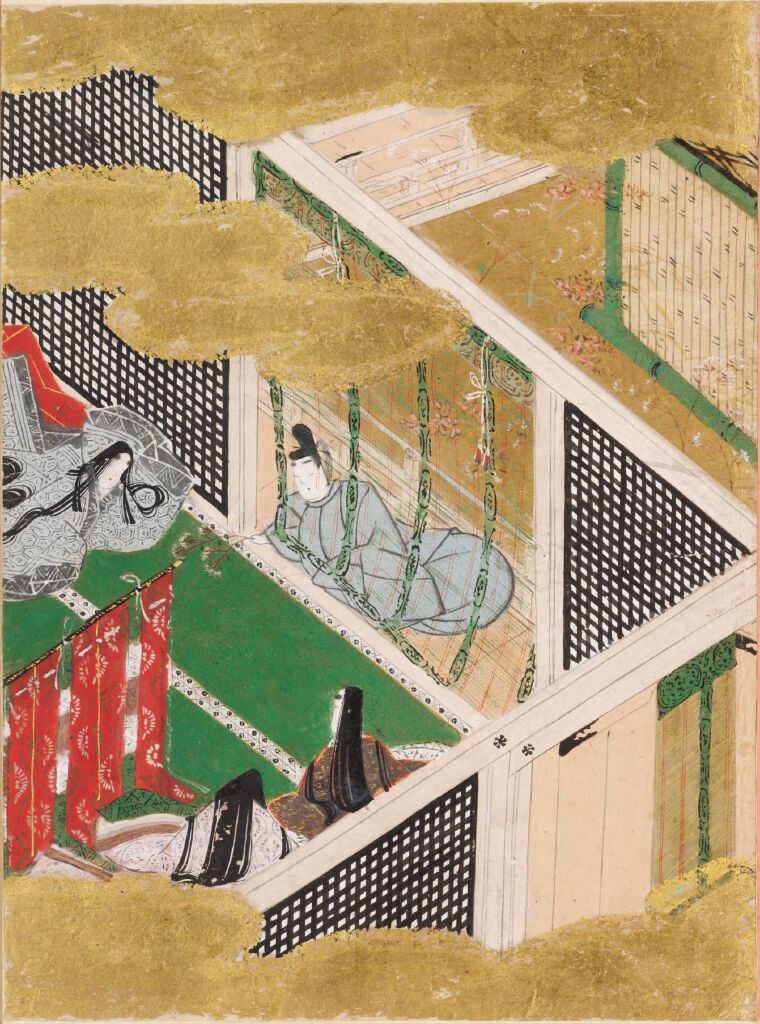
Thoroughwort Flowers (Fujibakama), Illustration to Chapter 30 of the Tale of Genji (Genji monogatari)
Tosa Mitsunobu

Under the Cherry Blossoms (Hana no En), Illustration to Chapter 8 of the Tale of Genji (Genji monogatari)
Tosa Mitsunobu

The Pilgrimage to Sumiyoshi (Miotsukushi), Illustration to Chapter 14 of the Tale of Genji (Genji monogatari)
Tosa Mitsunobu
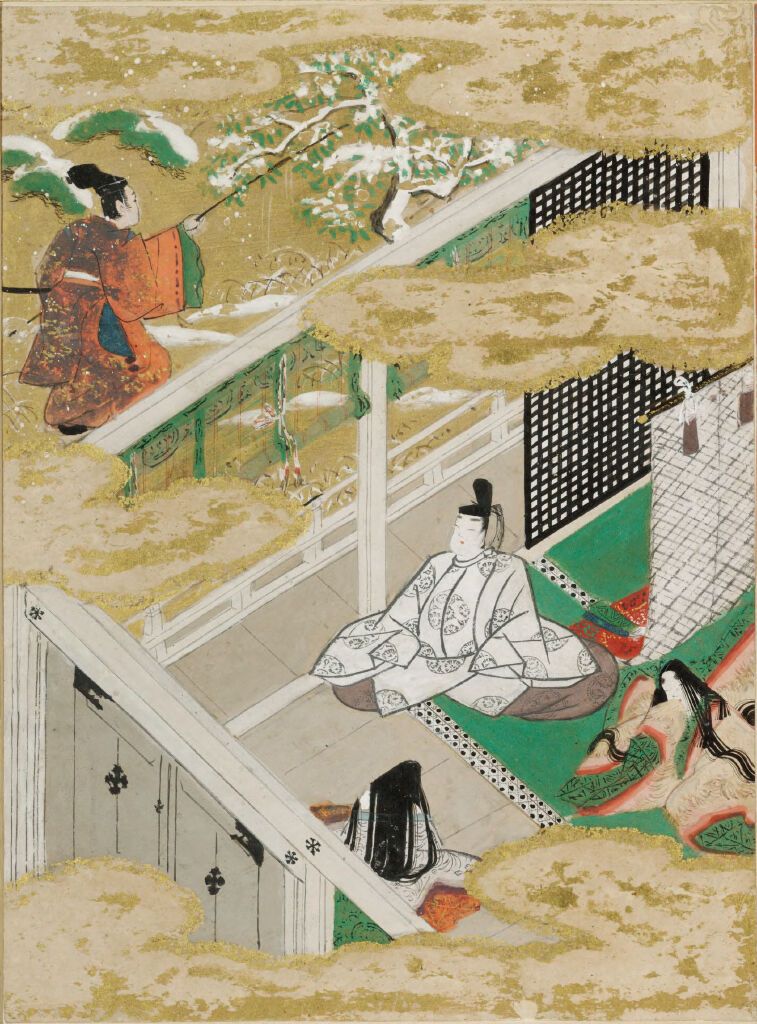
The Safflower (Suetsumuhana), Illustration to Chapter 6 of the Tale of Genji (Genji monogatari)
Tosa Mitsunobu
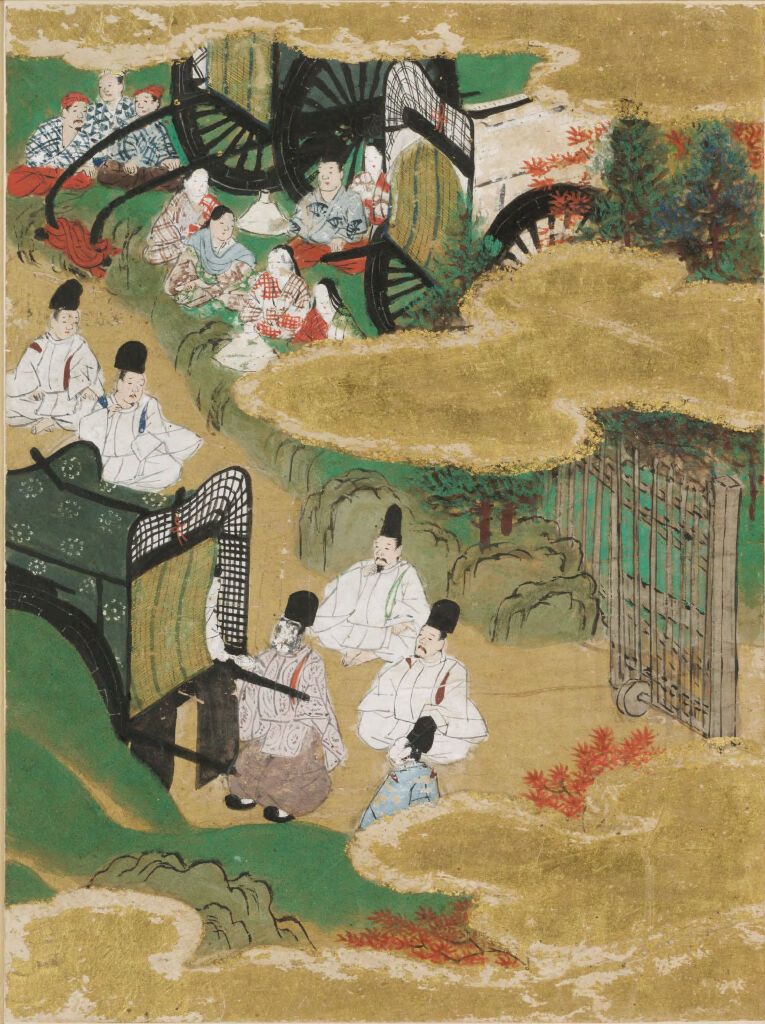
At the Pass (Sekiya), Illustration to Chapter 16 of the Tale of Genji (Genji monogatari)
Tosa Mitsunobu
Mais arte de Ilustração
Ver tudo →Falling Flowers (Hanachirusato), Illustration to Chapter 11 of the Tale of Genji (Genji monogatari)
Tosa Mitsunobu
The Cicada Shell (Utsusemi), Illustration to Chapter 3 of the Tale of Genji (Genji monogatari)
Tosa Mitsunobu
The Seer (Maboroshi), Illustration to Chapter 41 of the Tale of Genji (Genji monogatari)
Tosa Mitsunobu
The Oak Tree (Kashiwagi), Illustration to Chapter 36 of the Tale of Genji (Genji monogatari)
Tosa Mitsunobu
The Paulownia Pavilion (Kiritsubo), Illustration to Chapter 1 of the Tale of Genji (Genji monogatari)
Tosa Mitsunobu
Thoroughwort Flowers (Fujibakama), Illustration to Chapter 30 of the Tale of Genji (Genji monogatari)
Tosa Mitsunobu