
The Twilight Beauty (Yūgao), Illustration to Chapter 4 of the Tale of Genji (Genji monogatari) — História e Análise
Na delicada interação de matizes e formas, o coração da experiência humana encontra sua voz. Esta peça, imersa na elegância do período Muromachi, convida o espectador a percorrer os corredores silenciosos da emoção e da fé. Observe de perto a figura central, vestida em suaves e fluidas vestes que ecoam as curvas gentis da natureza. Note como as cores se misturam perfeitamente, com verdes suaves e tons terrosos quentes exalando uma sensação de serenidade.
A luz cai suavemente sobre os detalhes de sua vestimenta, criando um brilho sutil que captura o olhar do espectador. Elementos circundantes, como a flora etérea e o fundo meticulosamente elaborado, realçam a qualidade onírica da cena, amplificando a quietude e a introspecção inerentes ao momento. Em meio à beleza, surge uma tensão pungente — a justaposição da delicada vulnerabilidade e da profunda força. O olhar da figura, tanto distante quanto introspectivo, convida à contemplação da fé interior em contraste com o mundo exterior.
Elementos como as delicadas flores simbolizam a beleza efêmera e a passagem do tempo, lembrando-nos silenciosamente da impermanência da vida. Esta harmonia de detalhes encapsula a profundidade emocional do anseio, revelando camadas de significado sob a superfície. Criada entre 1509 e 1510, esta obra surgiu durante um período transformador para a arte japonesa, onde a estética tradicional se entrelaçava com as influências emergentes do Ocidente. Tosa Mitsunobu, conhecido por suas ilustrações requintadas da literatura clássica, encontrou nesta peça uma oportunidade de conectar o presente com o passado, canalizando a essência do Genji monogatari enquanto navegava pelas complexidades de seu próprio tempo.
Mais obras de Tosa Mitsunobu
Ver tudo →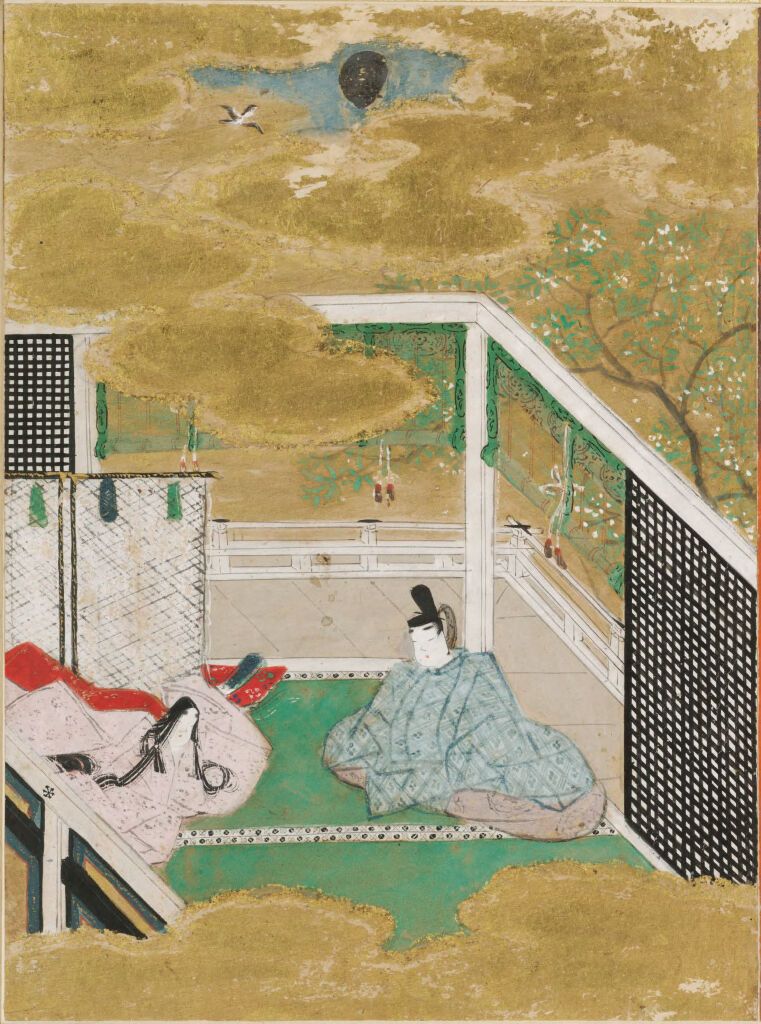
Falling Flowers (Hanachirusato), Illustration to Chapter 11 of the Tale of Genji (Genji monogatari)
Tosa Mitsunobu
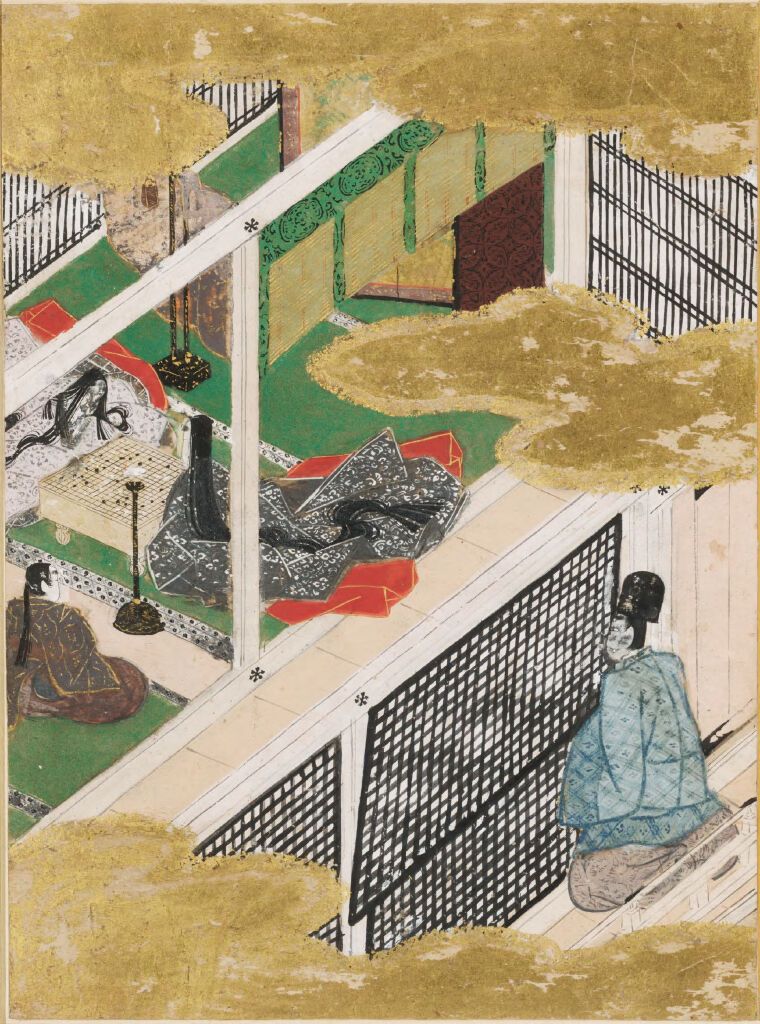
The Cicada Shell (Utsusemi), Illustration to Chapter 3 of the Tale of Genji (Genji monogatari)
Tosa Mitsunobu
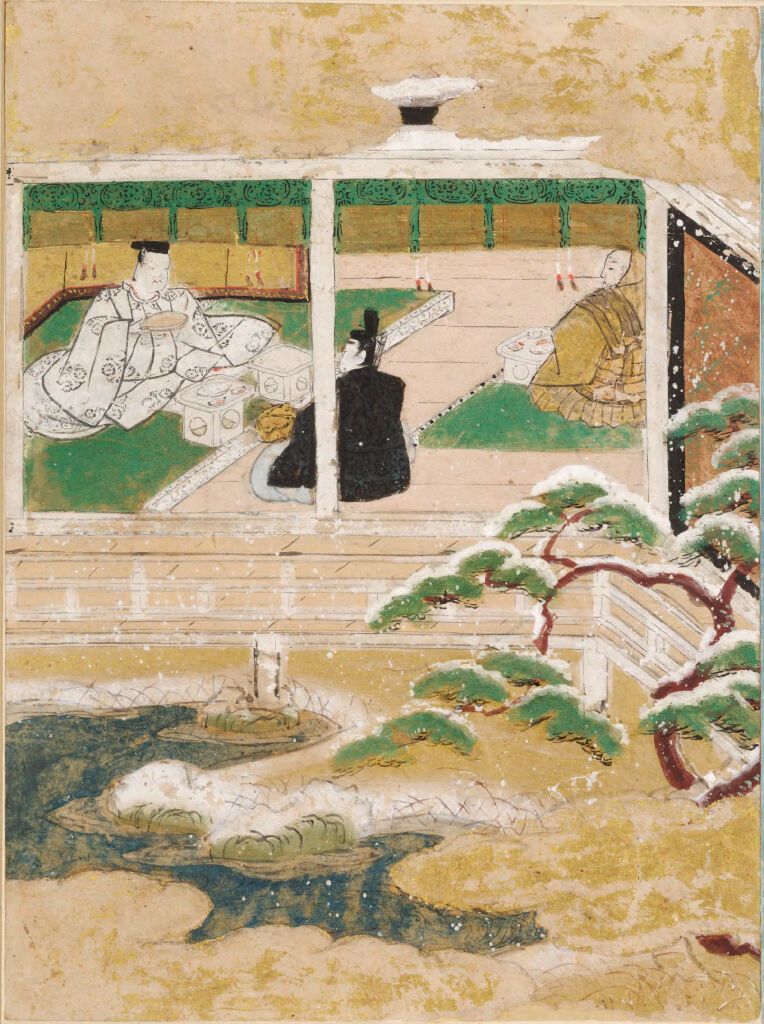
The Seer (Maboroshi), Illustration to Chapter 41 of the Tale of Genji (Genji monogatari)
Tosa Mitsunobu
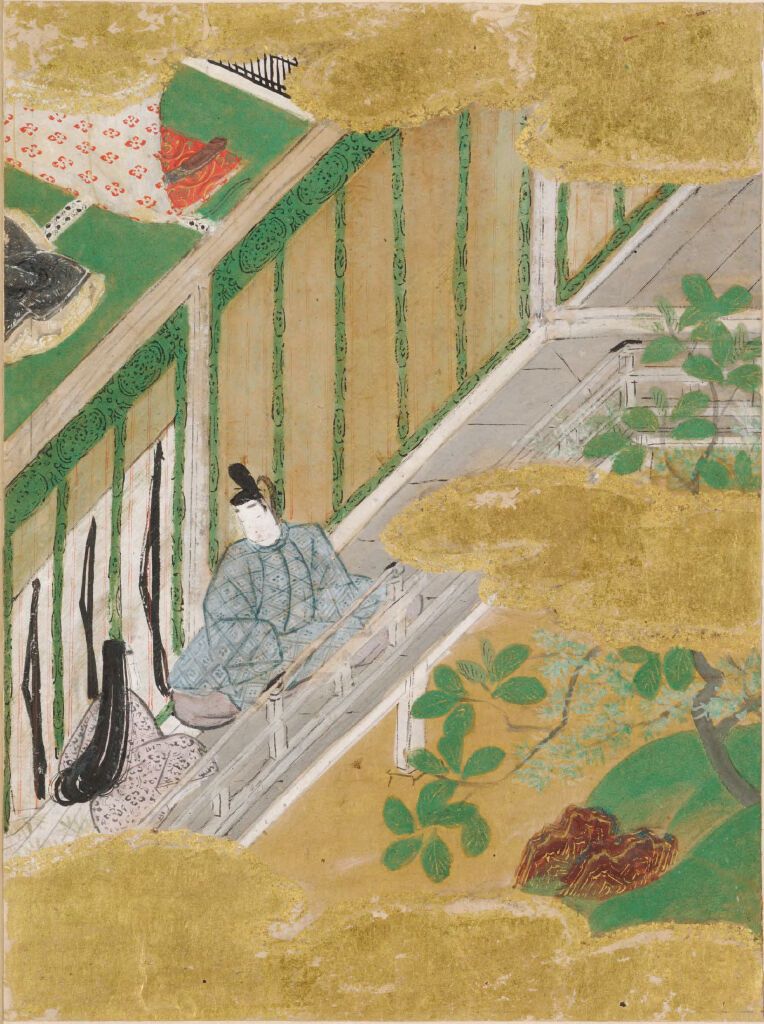
The Oak Tree (Kashiwagi), Illustration to Chapter 36 of the Tale of Genji (Genji monogatari)
Tosa Mitsunobu
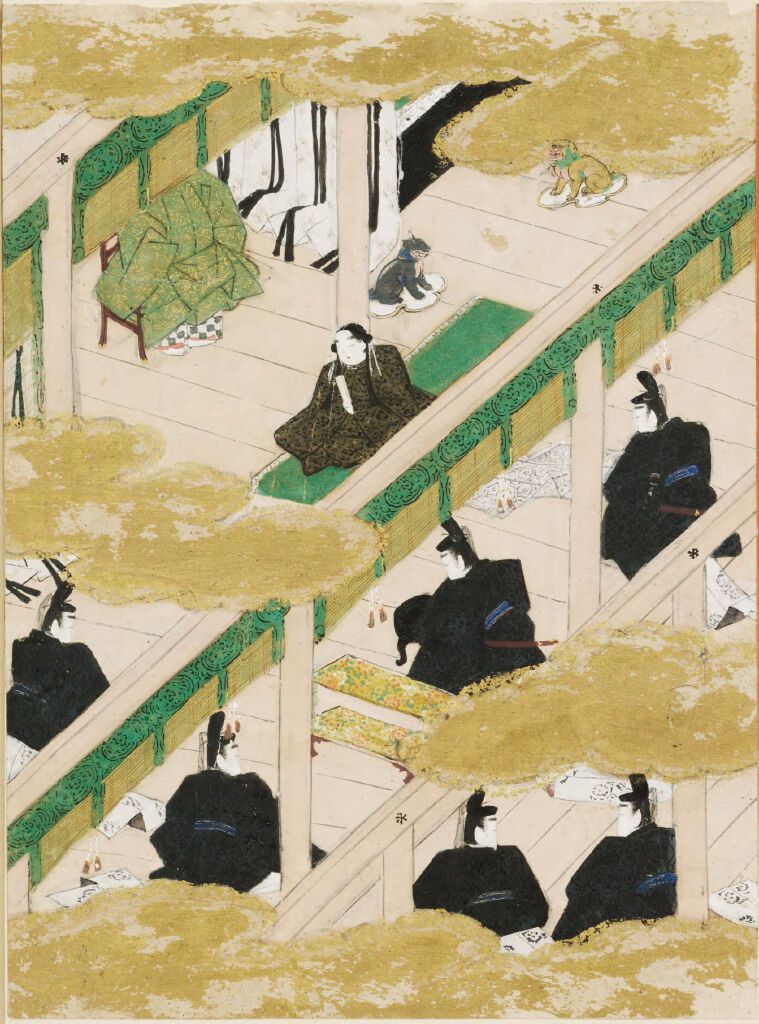
The Paulownia Pavilion (Kiritsubo), Illustration to Chapter 1 of the Tale of Genji (Genji monogatari)
Tosa Mitsunobu
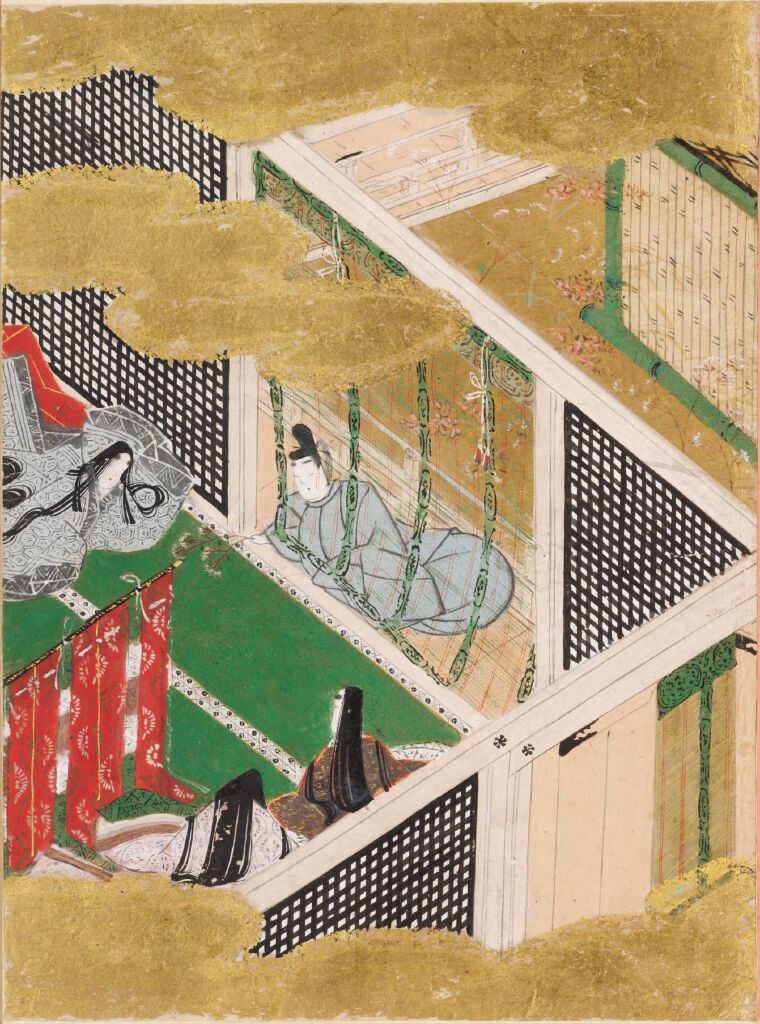
Thoroughwort Flowers (Fujibakama), Illustration to Chapter 30 of the Tale of Genji (Genji monogatari)
Tosa Mitsunobu

Under the Cherry Blossoms (Hana no En), Illustration to Chapter 8 of the Tale of Genji (Genji monogatari)
Tosa Mitsunobu

The Pilgrimage to Sumiyoshi (Miotsukushi), Illustration to Chapter 14 of the Tale of Genji (Genji monogatari)
Tosa Mitsunobu
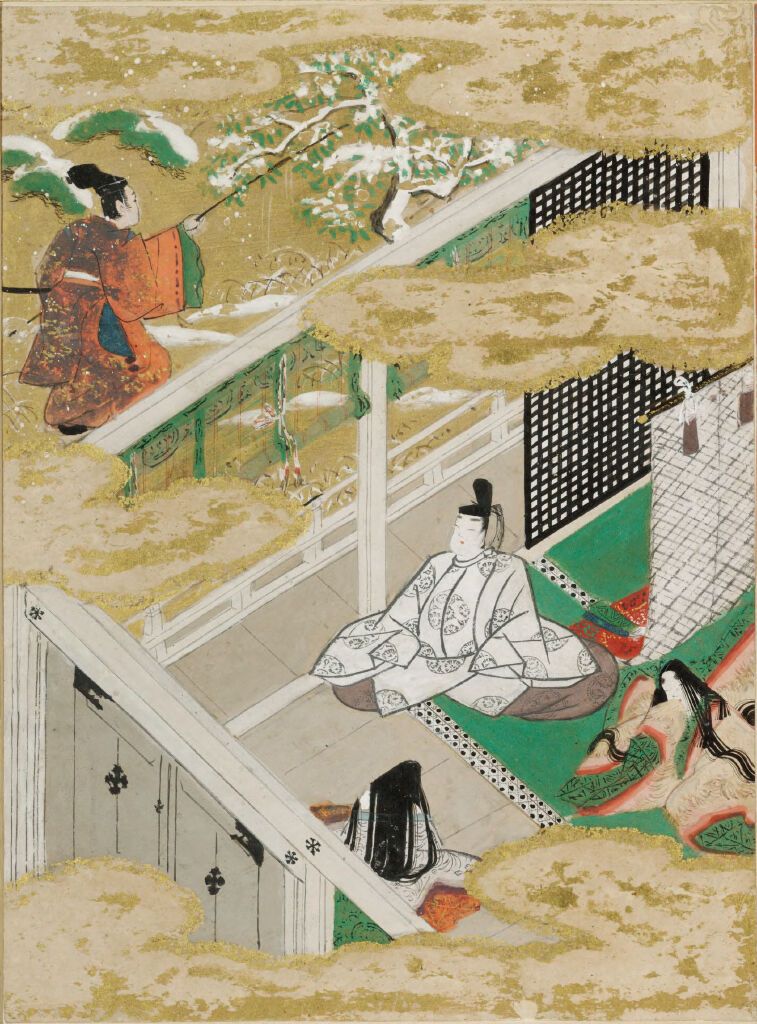
The Safflower (Suetsumuhana), Illustration to Chapter 6 of the Tale of Genji (Genji monogatari)
Tosa Mitsunobu
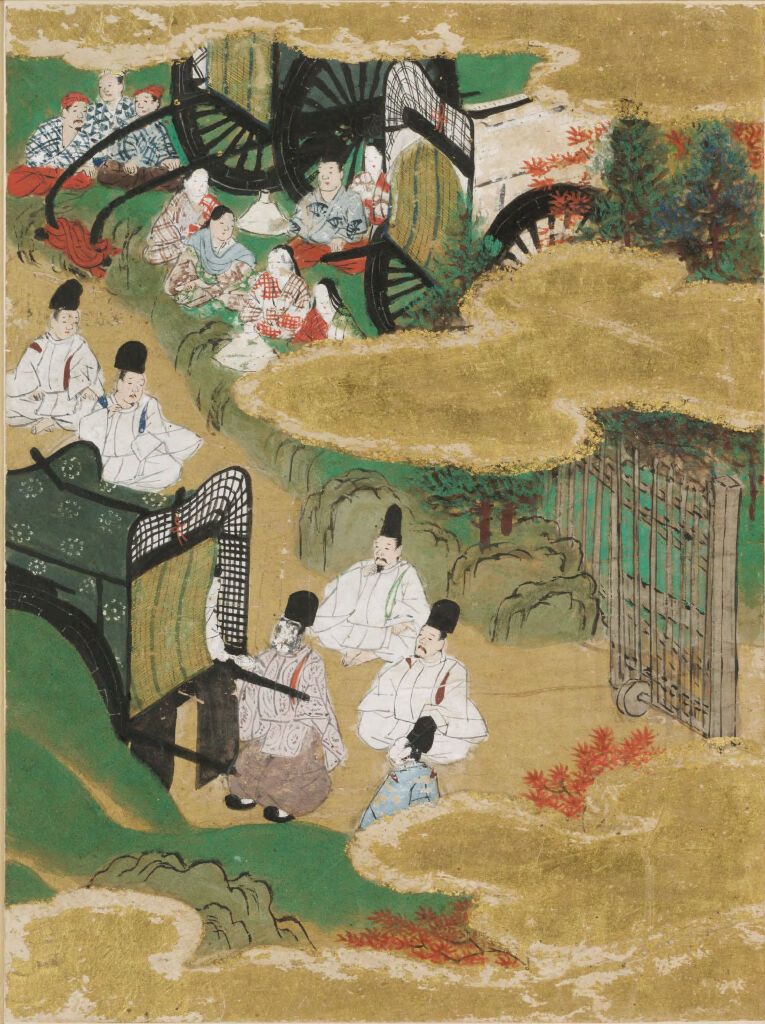
At the Pass (Sekiya), Illustration to Chapter 16 of the Tale of Genji (Genji monogatari)
Tosa Mitsunobu
Mais arte de Ilustração
Ver tudo →Falling Flowers (Hanachirusato), Illustration to Chapter 11 of the Tale of Genji (Genji monogatari)
Tosa Mitsunobu
The Cicada Shell (Utsusemi), Illustration to Chapter 3 of the Tale of Genji (Genji monogatari)
Tosa Mitsunobu
The Seer (Maboroshi), Illustration to Chapter 41 of the Tale of Genji (Genji monogatari)
Tosa Mitsunobu
The Oak Tree (Kashiwagi), Illustration to Chapter 36 of the Tale of Genji (Genji monogatari)
Tosa Mitsunobu
The Paulownia Pavilion (Kiritsubo), Illustration to Chapter 1 of the Tale of Genji (Genji monogatari)
Tosa Mitsunobu
Thoroughwort Flowers (Fujibakama), Illustration to Chapter 30 of the Tale of Genji (Genji monogatari)
Tosa Mitsunobu