
Writing Practice (Tenarai), Illustration to Chapter 53 of the Tale of Genji (Genji monogatari) — História e Análise
O pintor sabia que este momento sobreviveria a ele? Em Writing Practice (Tenarai), um ato efêmero capturado no papel ecoa através dos séculos, convidando-nos a refletir sobre a essência da memória e da arte. Concentre-se na figura sentada graciosamente, com o pincel de tinta posicionado delicadamente acima de uma folha de pergaminho. A suave paleta de verdes e marrons suaves envolve a cena, criando uma atmosfera íntima.
Note como a luz suave ilumina sua expressão pensativa, projetando sombras suaves que dançam sobre seu requintado quimono, rico em padrões intrincados. Cada pincelada é deliberada, refletindo não apenas habilidade, mas também o peso do momento—o coração de um artista no ato de criação. Aprofunde-se no significado velado desta obra.
A técnica do pincel simboliza a beleza transitória da vida, uma vez que o ato de escrever da mulher serve como uma metáfora tanto para a comunicação quanto para o isolamento. Seu olhar concentrado contrasta fortemente com o mundo exterior, sugerindo um diálogo interno que permanece inaudível, sobrepondo à obra um sentido de anseio. Além disso, os motivos decorativos em sua vestimenta insinuam a impermanência da natureza, um lembrete de que cada palavra escrita, assim como cada momento, é efêmera.
Tosa Mitsunobu criou esta ilustração durante o período Muromachi, especificamente por volta de 1509-1510, uma época rica na interação entre a estética japonesa tradicional e as correntes culturais emergentes. Imerso em um mundo que reverenciava a literatura e as artes, ele buscou capturar as nuances da experiência humana, enquanto incorporava a elegante graça da corte Heian retratada em O Conto de Genji.
Mais obras de Tosa Mitsunobu
Ver tudo →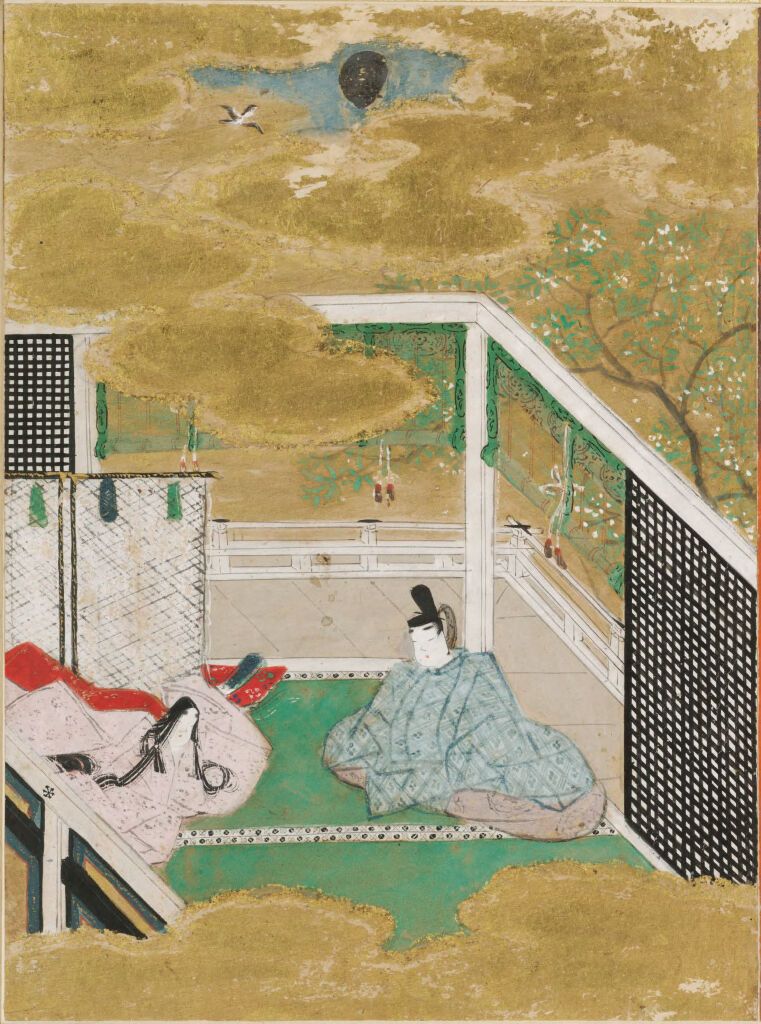
Falling Flowers (Hanachirusato), Illustration to Chapter 11 of the Tale of Genji (Genji monogatari)
Tosa Mitsunobu
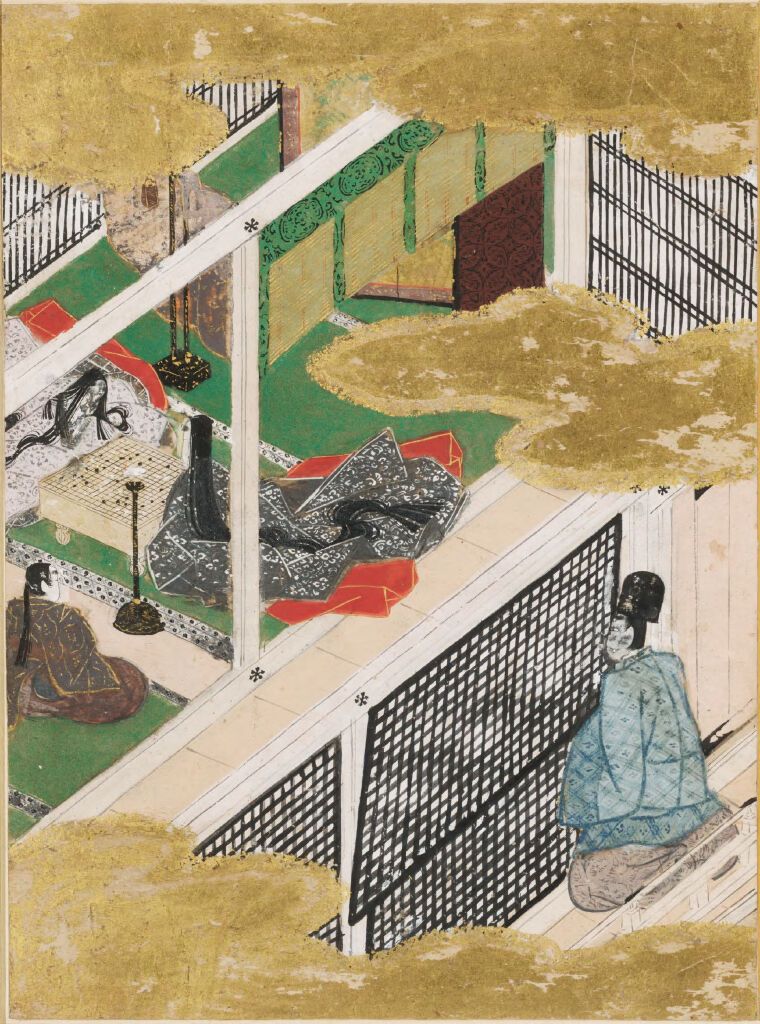
The Cicada Shell (Utsusemi), Illustration to Chapter 3 of the Tale of Genji (Genji monogatari)
Tosa Mitsunobu
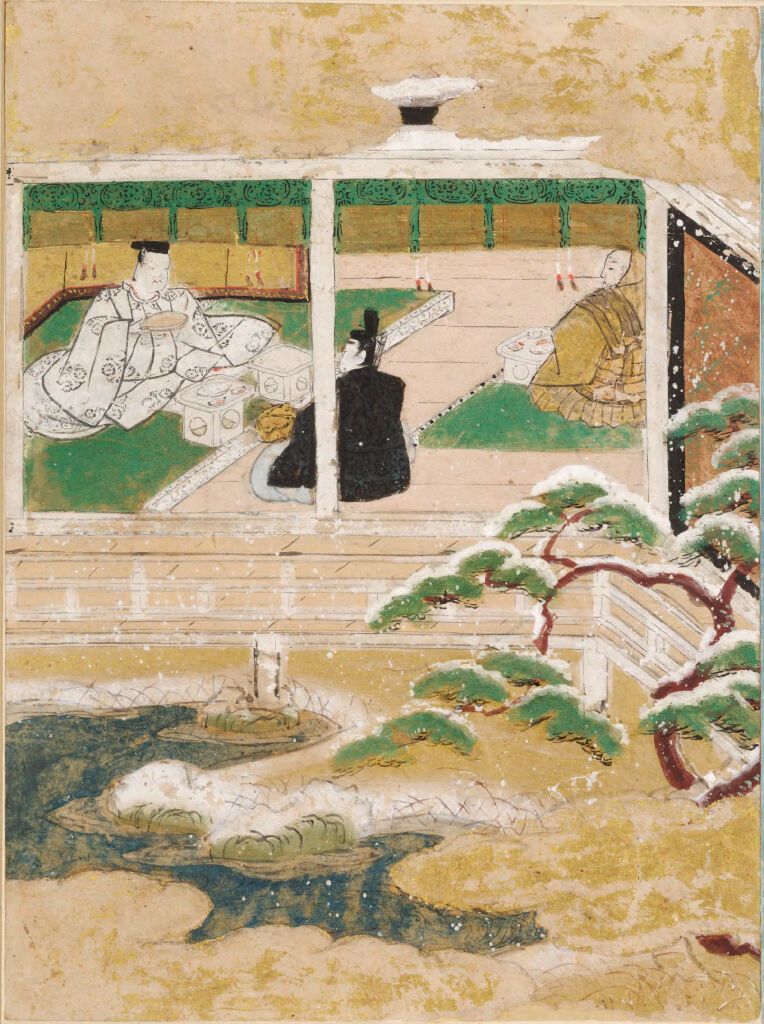
The Seer (Maboroshi), Illustration to Chapter 41 of the Tale of Genji (Genji monogatari)
Tosa Mitsunobu
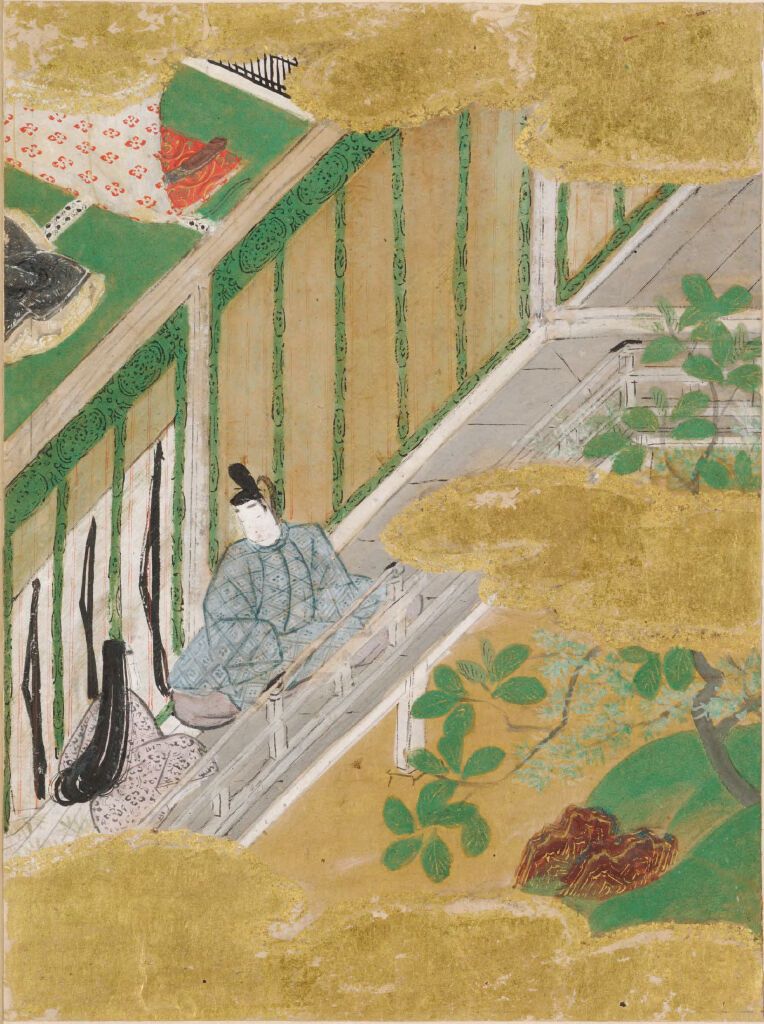
The Oak Tree (Kashiwagi), Illustration to Chapter 36 of the Tale of Genji (Genji monogatari)
Tosa Mitsunobu
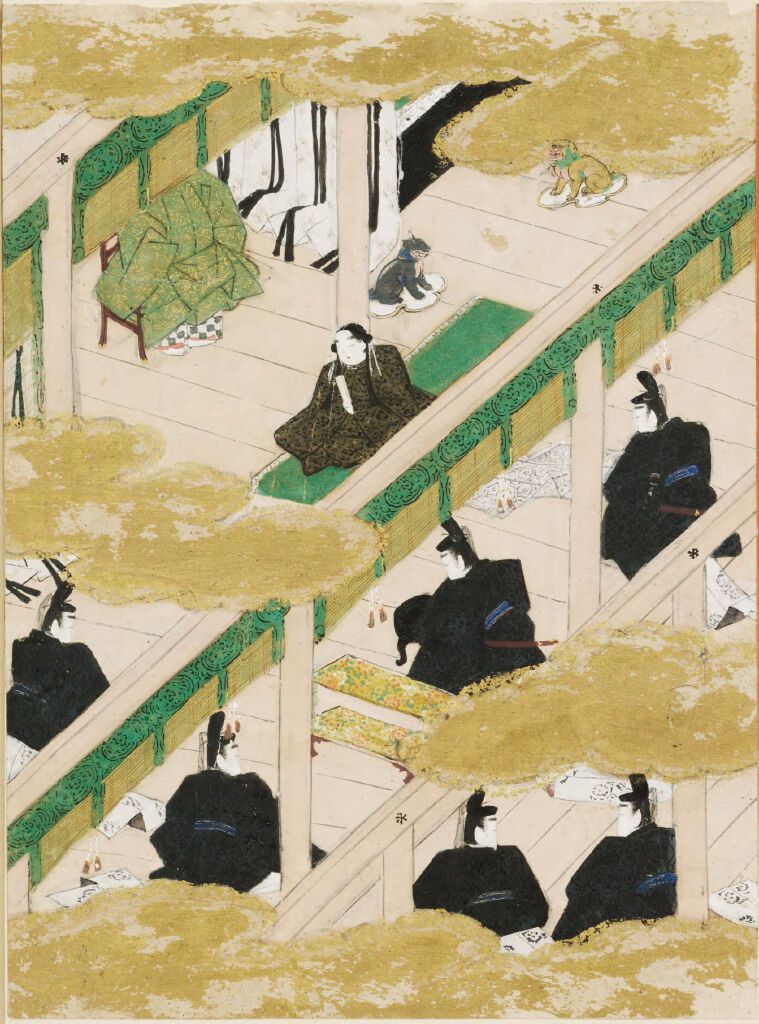
The Paulownia Pavilion (Kiritsubo), Illustration to Chapter 1 of the Tale of Genji (Genji monogatari)
Tosa Mitsunobu
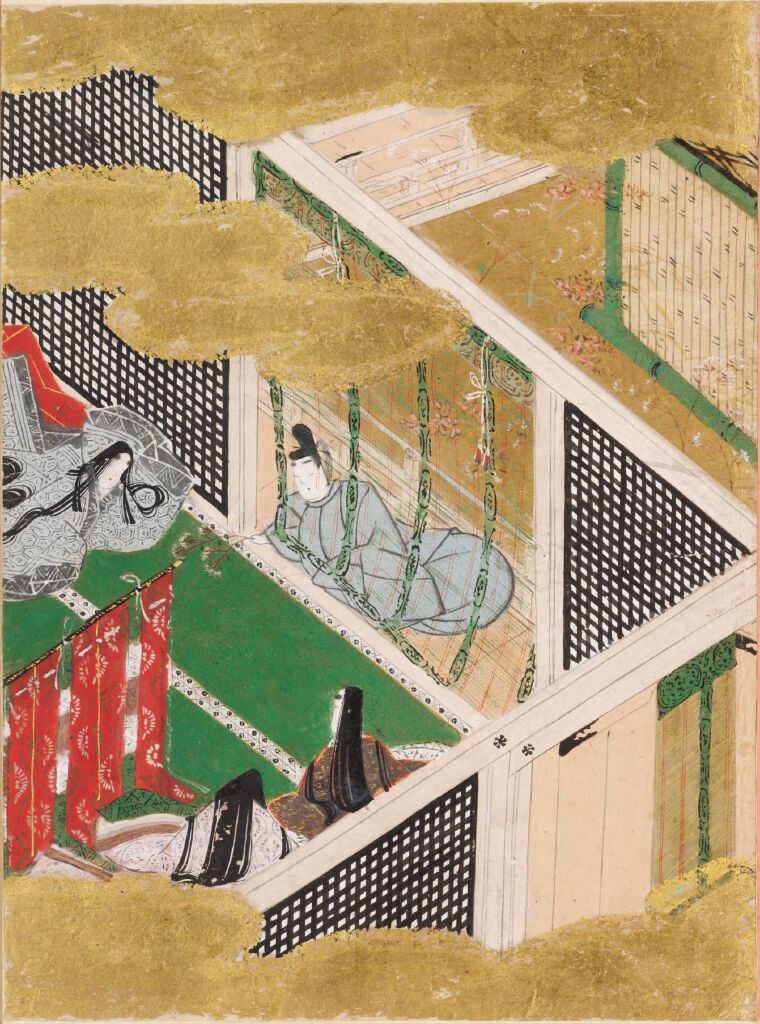
Thoroughwort Flowers (Fujibakama), Illustration to Chapter 30 of the Tale of Genji (Genji monogatari)
Tosa Mitsunobu

Under the Cherry Blossoms (Hana no En), Illustration to Chapter 8 of the Tale of Genji (Genji monogatari)
Tosa Mitsunobu

The Pilgrimage to Sumiyoshi (Miotsukushi), Illustration to Chapter 14 of the Tale of Genji (Genji monogatari)
Tosa Mitsunobu
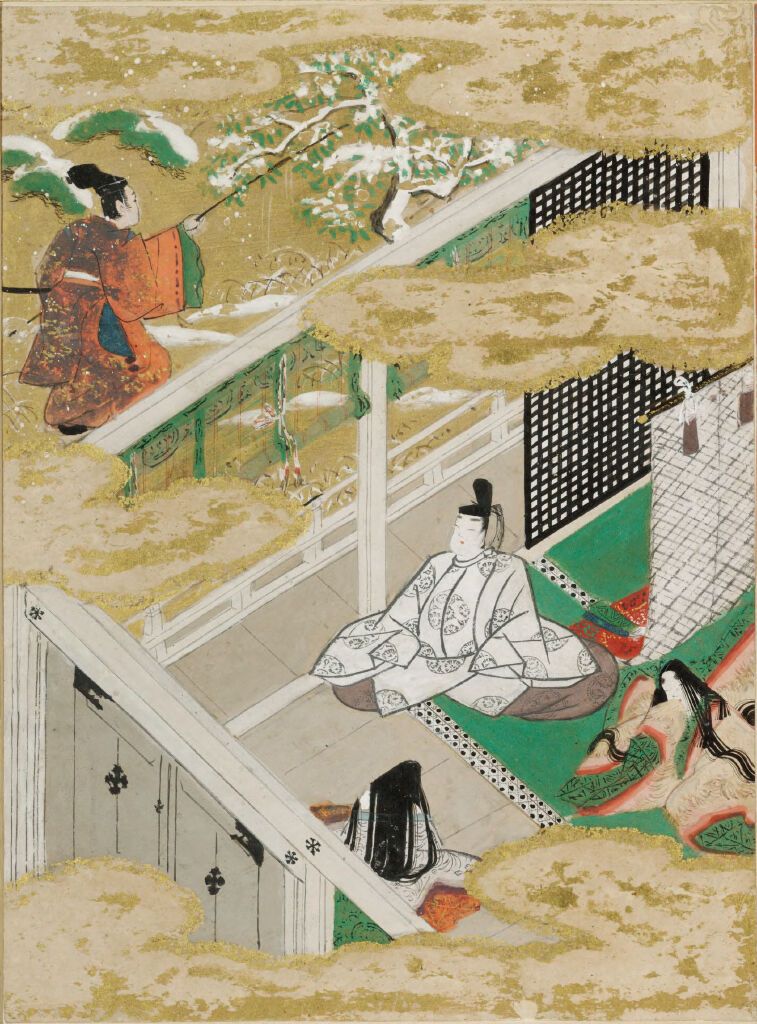
The Safflower (Suetsumuhana), Illustration to Chapter 6 of the Tale of Genji (Genji monogatari)
Tosa Mitsunobu
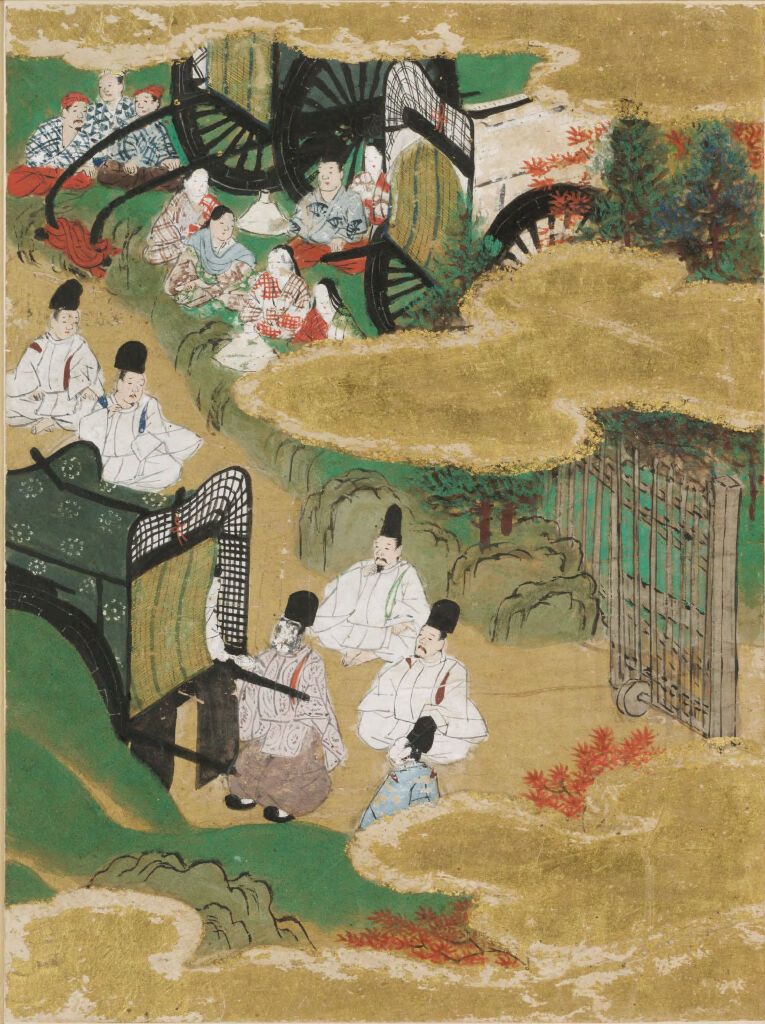
At the Pass (Sekiya), Illustration to Chapter 16 of the Tale of Genji (Genji monogatari)
Tosa Mitsunobu
Mais arte de Ilustração
Ver tudo →Falling Flowers (Hanachirusato), Illustration to Chapter 11 of the Tale of Genji (Genji monogatari)
Tosa Mitsunobu
The Cicada Shell (Utsusemi), Illustration to Chapter 3 of the Tale of Genji (Genji monogatari)
Tosa Mitsunobu
The Seer (Maboroshi), Illustration to Chapter 41 of the Tale of Genji (Genji monogatari)
Tosa Mitsunobu
The Oak Tree (Kashiwagi), Illustration to Chapter 36 of the Tale of Genji (Genji monogatari)
Tosa Mitsunobu
The Paulownia Pavilion (Kiritsubo), Illustration to Chapter 1 of the Tale of Genji (Genji monogatari)
Tosa Mitsunobu
Thoroughwort Flowers (Fujibakama), Illustration to Chapter 30 of the Tale of Genji (Genji monogatari)
Tosa Mitsunobu