Writing Practice (Tenarai), Illustration to Chapter 53 of the Tale of Genji (Genji monogatari) — History & Analysis
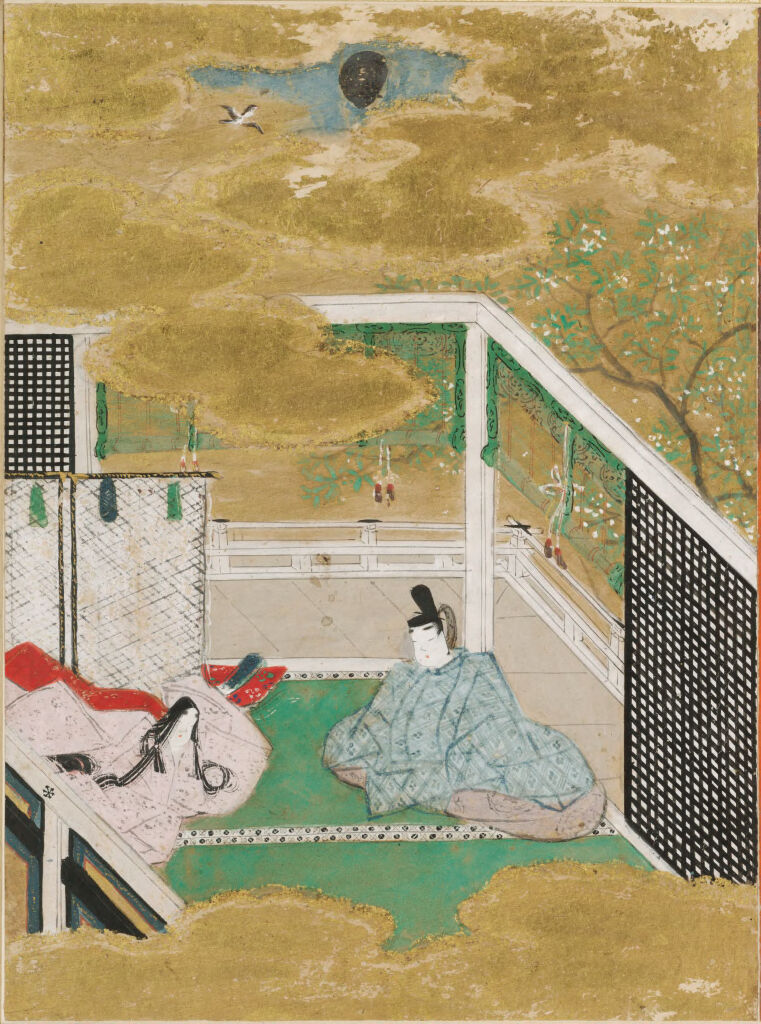
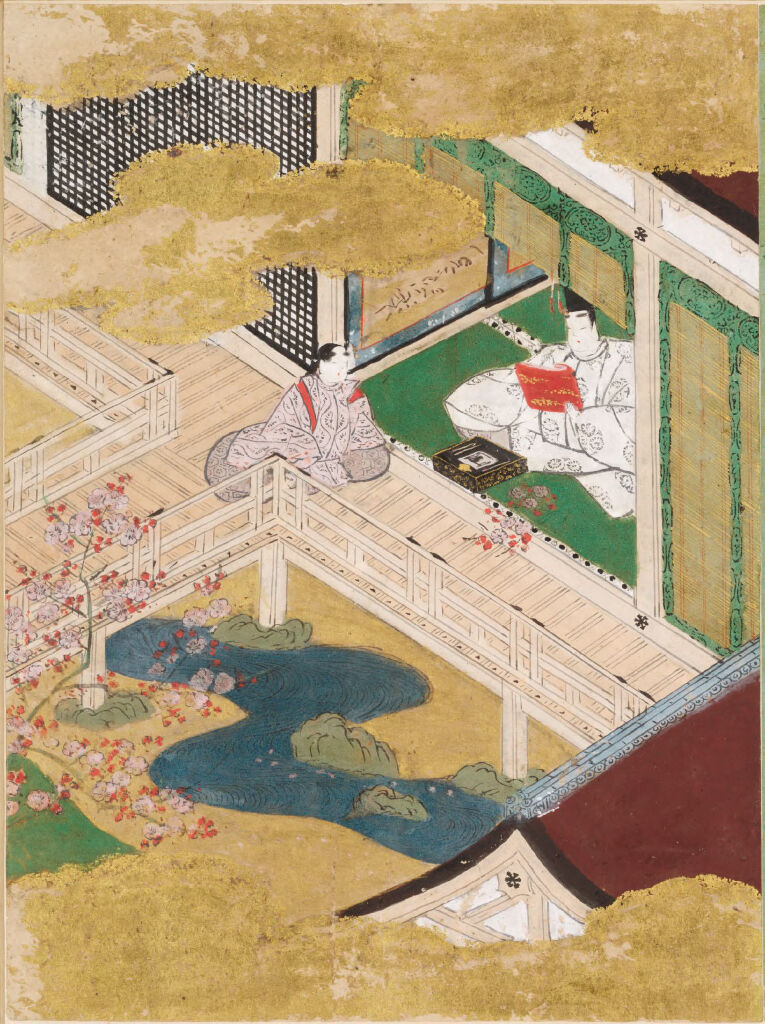
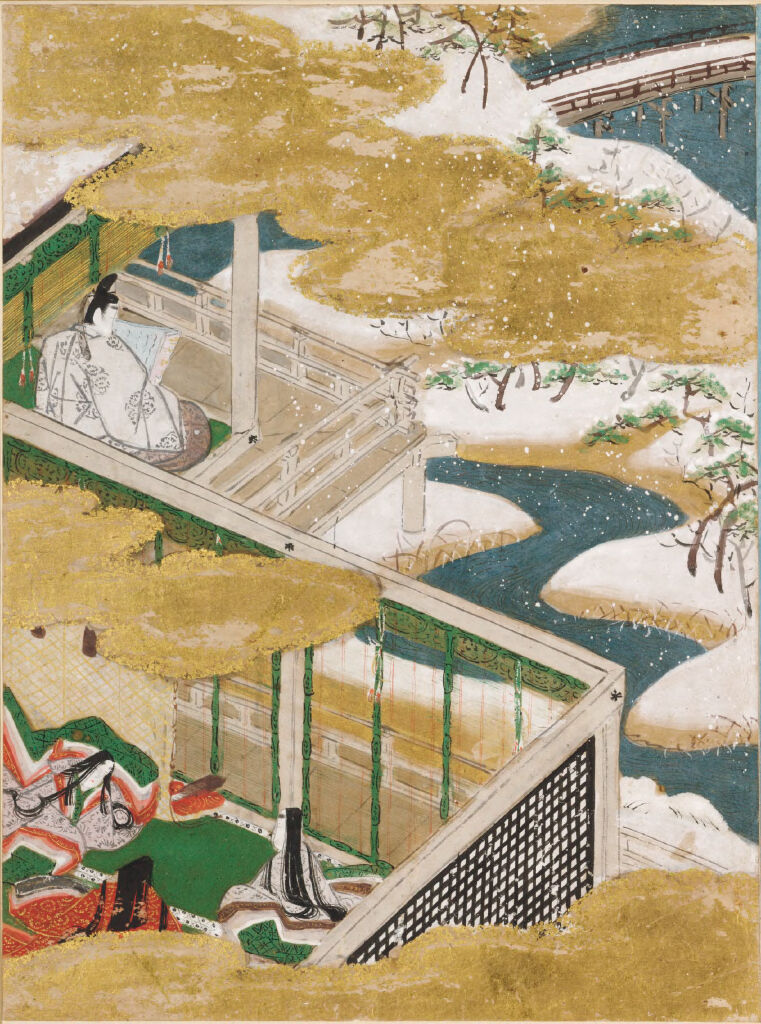
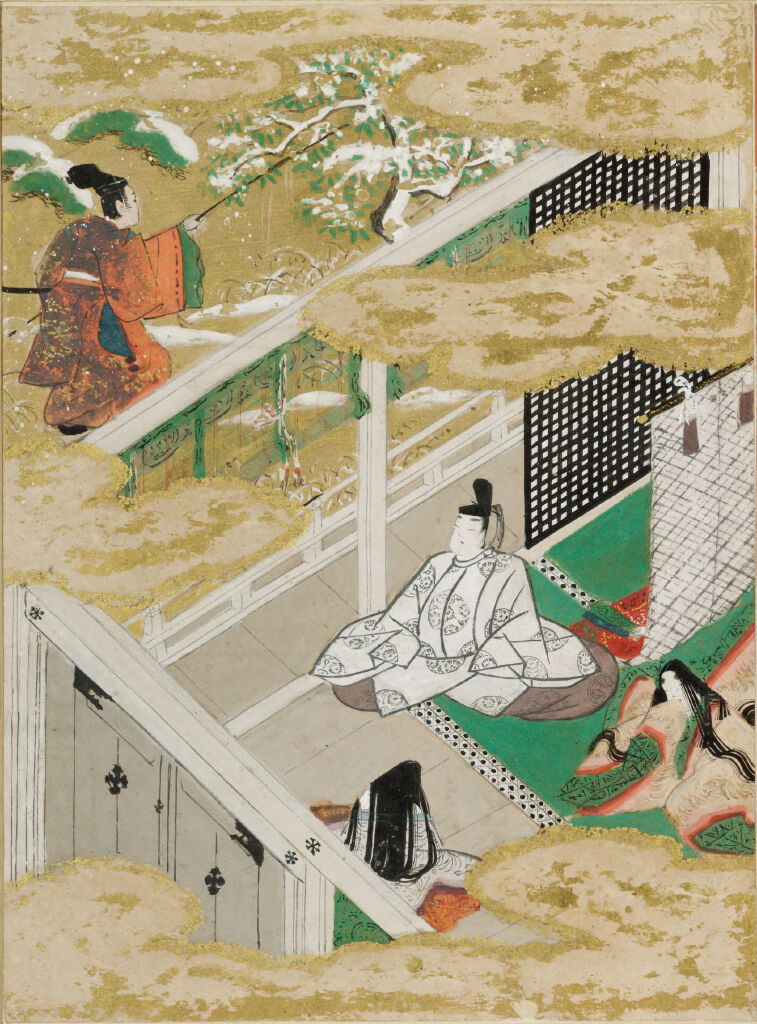
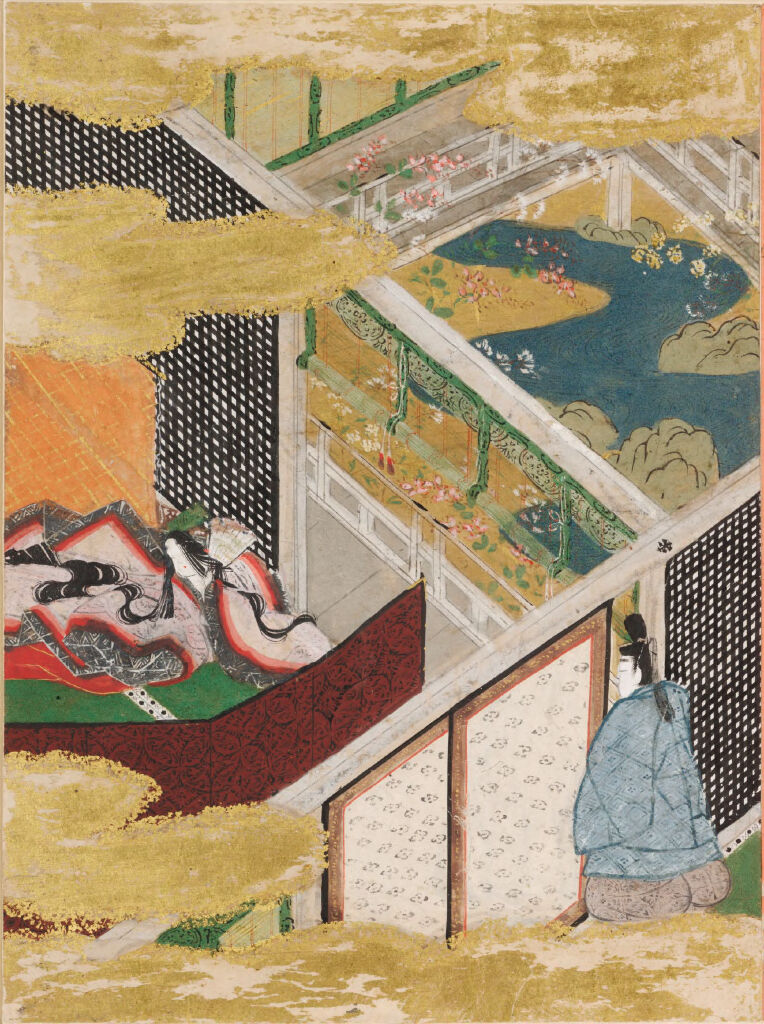
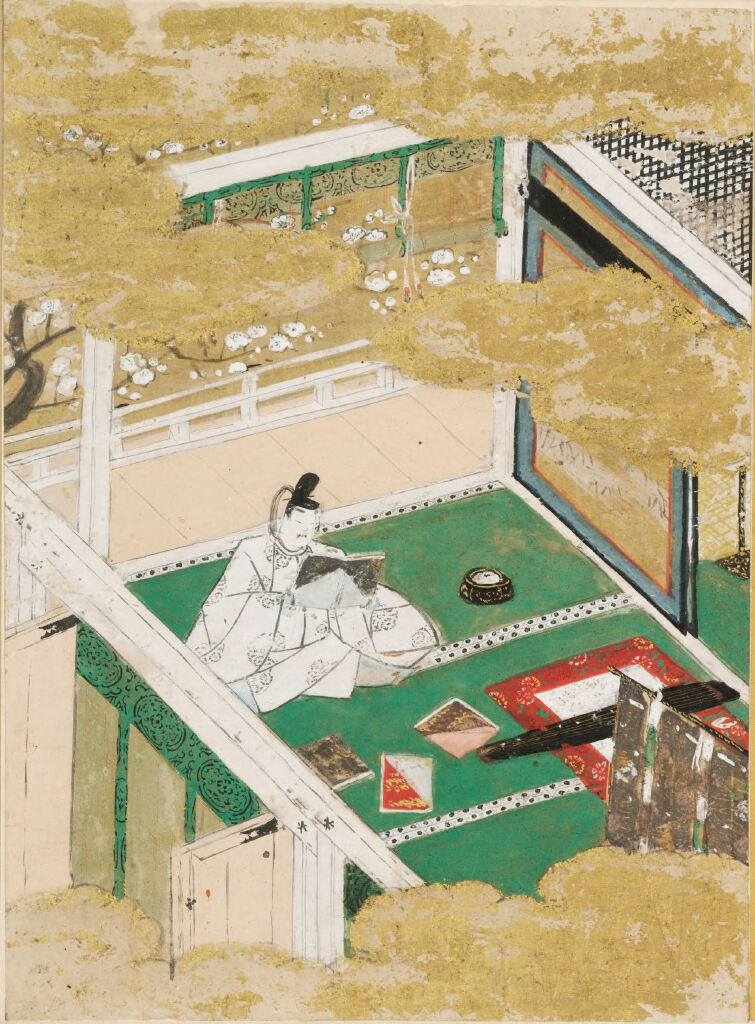
Did the painter know this moment would outlive them? In Writing Practice (Tenarai), a fleeting act captured on paper echoes through centuries, inviting us to ponder the essence of memory and artistry. Focus on the figure seated gracefully, ink brush poised delicately above a sheet of parchment. The soft palette of muted greens and browns envelops the scene, creating an intimate atmosphere.
Notice how the gentle light illuminates her thoughtful expression, casting soft shadows that dance across her exquisite kimono, rich with intricate patterns. Each stroke is deliberate, reflecting not just skill but also the weight of the moment—an artist's heart in the act of creation. Delve deeper into the veiled significance of this work. The brushwork symbolizes the transient beauty of life, as the lady's act of writing serves as a metaphor for both communication and isolation.
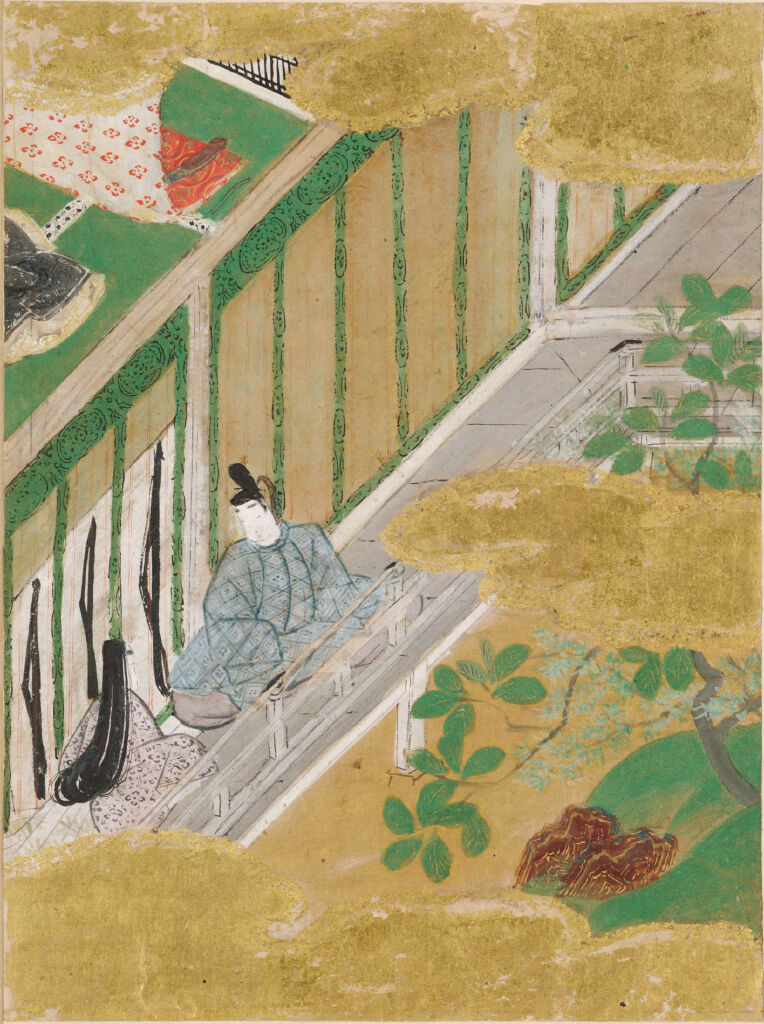
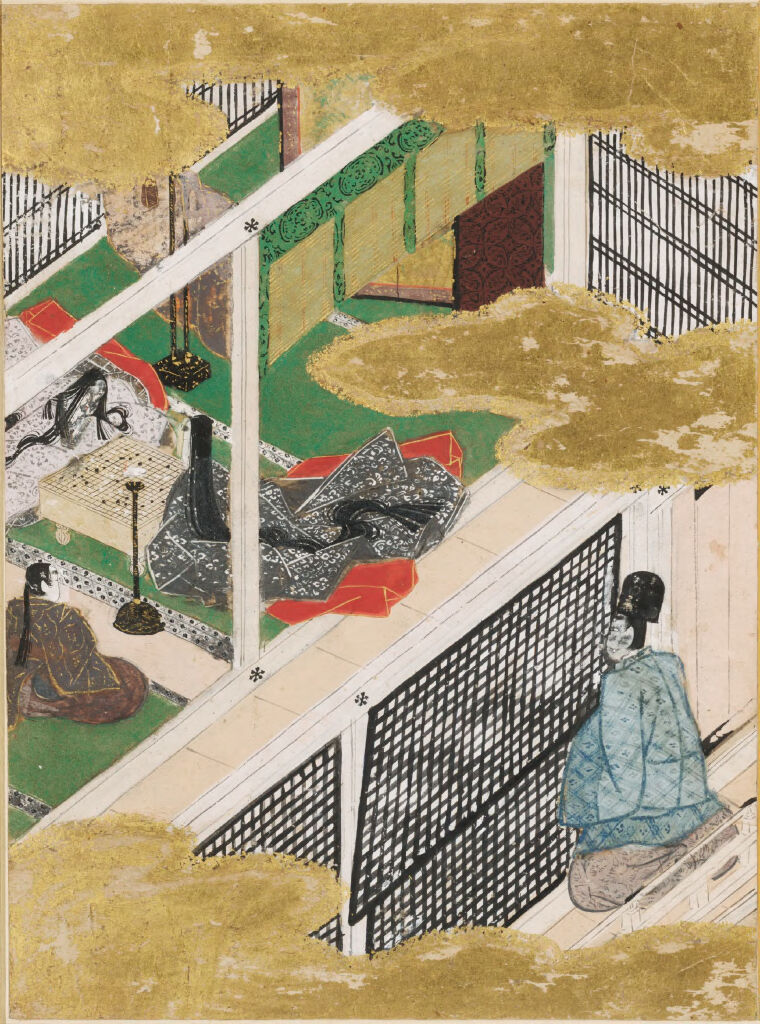
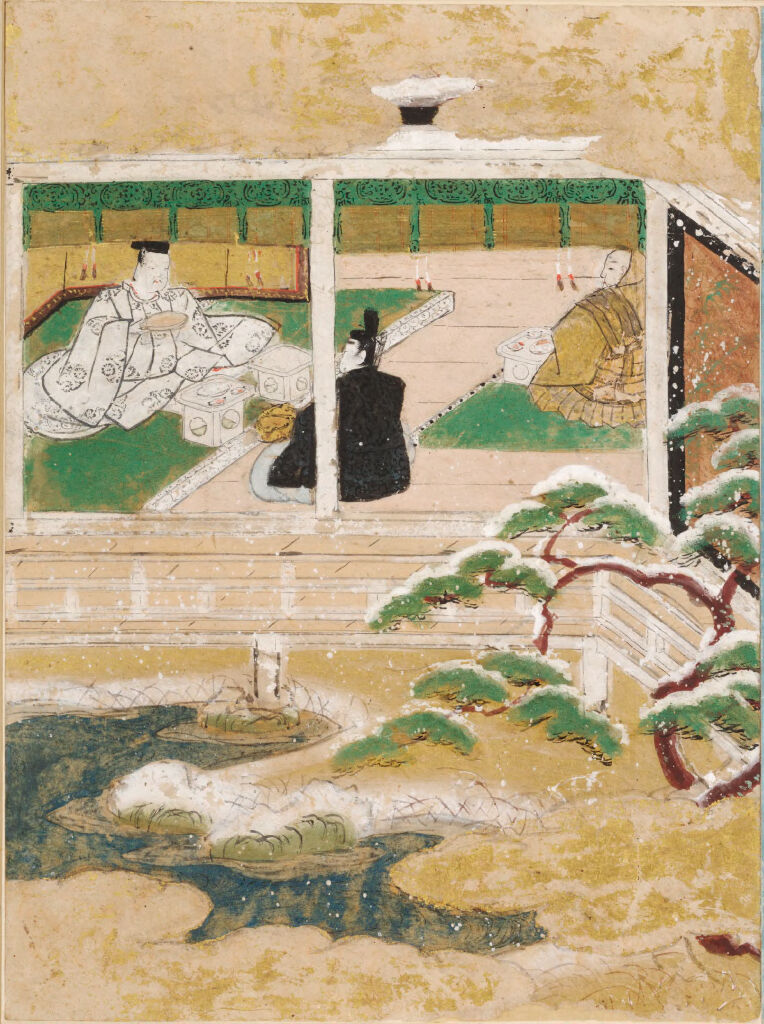
Her focused gaze contrasts sharply with the world outside, suggesting an inner dialogue that remains unheard, layering the artwork with a sense of longing. Additionally, the decorative motifs on her garment hint at the impermanence of nature, a reminder that every written word, like every moment, is ephemeral. Tosa Mitsunobu created this illustration during the Muromachi period, specifically around 1509-1510, a time rich with the interplay of traditional Japanese aesthetics and burgeoning cultural currents. Immersed in a world that revered literature and the arts, he sought to capture the nuances of human experience, all while embodying the graceful elegance of the Heian court portrayed in The Tale of Genji.