
Young Murasaki (Wakamurasaki), Illustration to Chapter 5 of the Tale of Genji (Genji monogatari) — História e Análise
É um espelho — ou uma memória? As delicadas pinceladas desta obra borram as linhas entre a realidade e a ilusão, convidando o espectador a ponderar os ecos da vida capturados dentro de sua moldura. Concentre-se na figura encantadora de Murasaki, seu olhar inabalável enquanto ela se ergue envolta em camadas de seda e cor. Note como os suaves roxos e os etéreos verdes de sua vestimenta contrastam com os fundos profundos e apagados, acentuando sua importância na cena. Os detalhes meticulosos de suas vestes atraem você, permitindo que aprecie a habilidade do artista em tecer padrões intrincados que dançam pelo tecido, sugerindo o suave esvoaçar de uma brisa, um sussurro de nostalgia. A tensão emocional reside na interação entre a expressão serena do sujeito e os sutis indícios de melancolia em seu entorno.
Cada elemento, desde as delicadas flores que a emolduram até a paisagem fantasmagórica além, parece tecer uma história de anseio e introspecção. A composição convida os espectadores a explorar não apenas o que é visto, mas o que é sentido; um lembrete da juventude efémera e da natureza efémera da beleza. Pintada durante o período Muromachi, esta obra de Tosa Mitsunobu surgiu em um momento em que o Japão estava vivenciando um renascimento nas artes e na literatura. Criada entre 1509 e 1510, reflete o florescimento cultural da época, quando o Conto de Genji era celebrado por sua profunda exploração do amor e da perda.
A arte de Mitsunobu se ergue como um testemunho das tradições narrativas em evolução dentro da pintura japonesa, capturando o delicado equilíbrio entre passado e presente.
Mais obras de Tosa Mitsunobu
Ver tudo →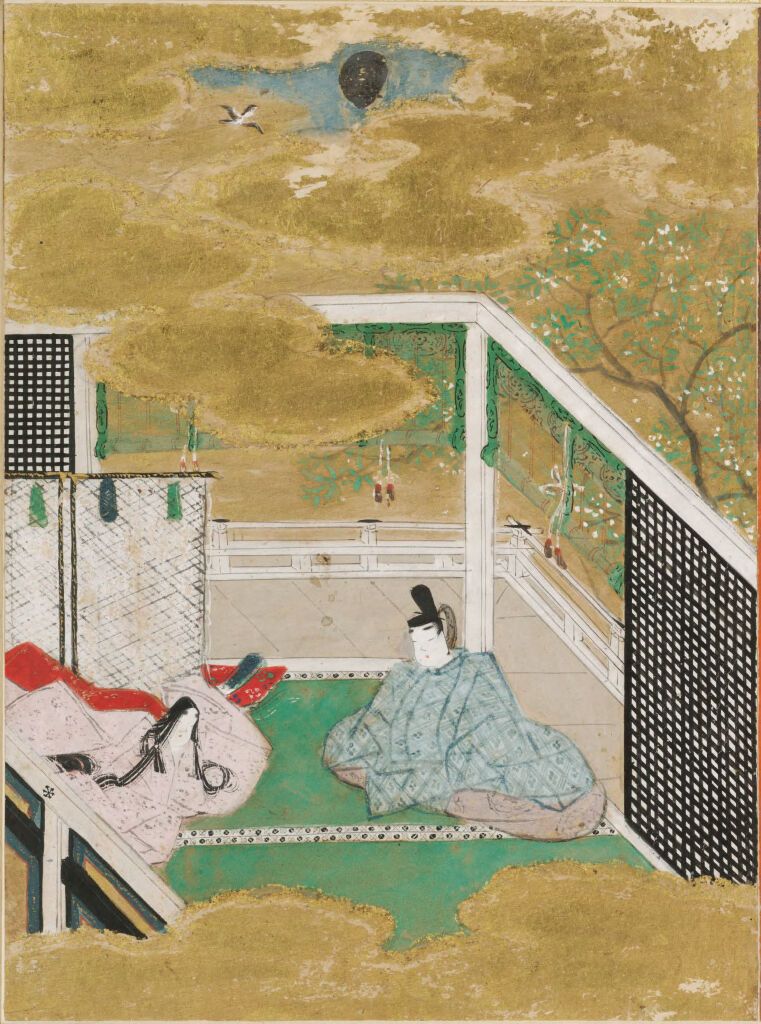
Falling Flowers (Hanachirusato), Illustration to Chapter 11 of the Tale of Genji (Genji monogatari)
Tosa Mitsunobu
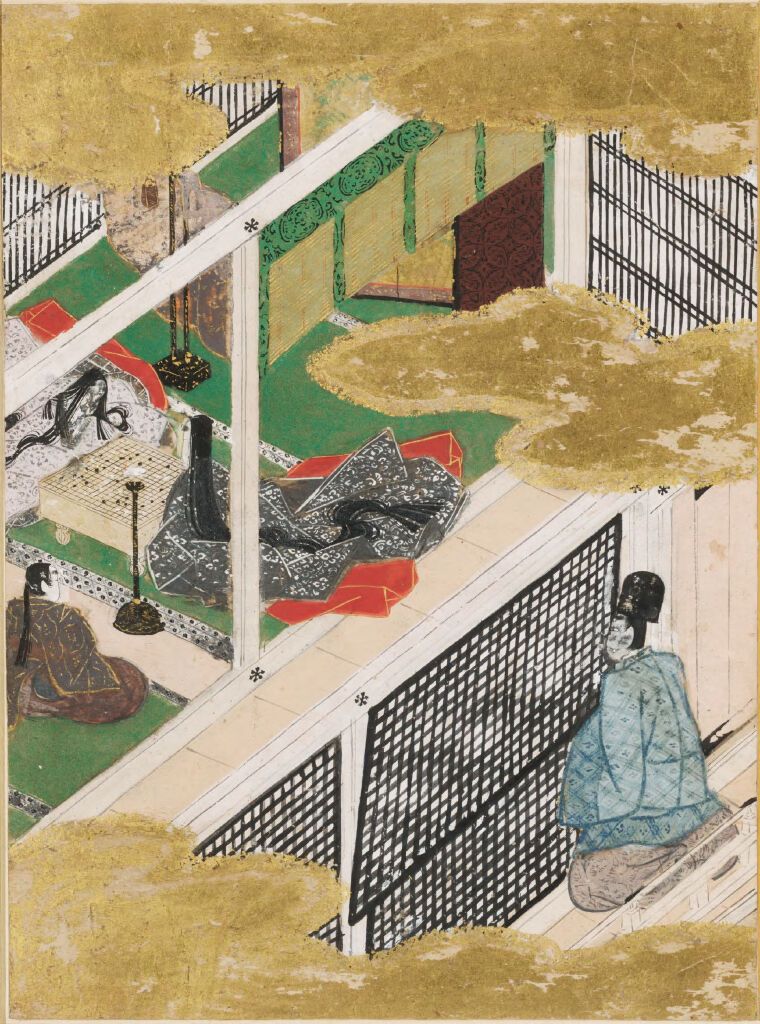
The Cicada Shell (Utsusemi), Illustration to Chapter 3 of the Tale of Genji (Genji monogatari)
Tosa Mitsunobu
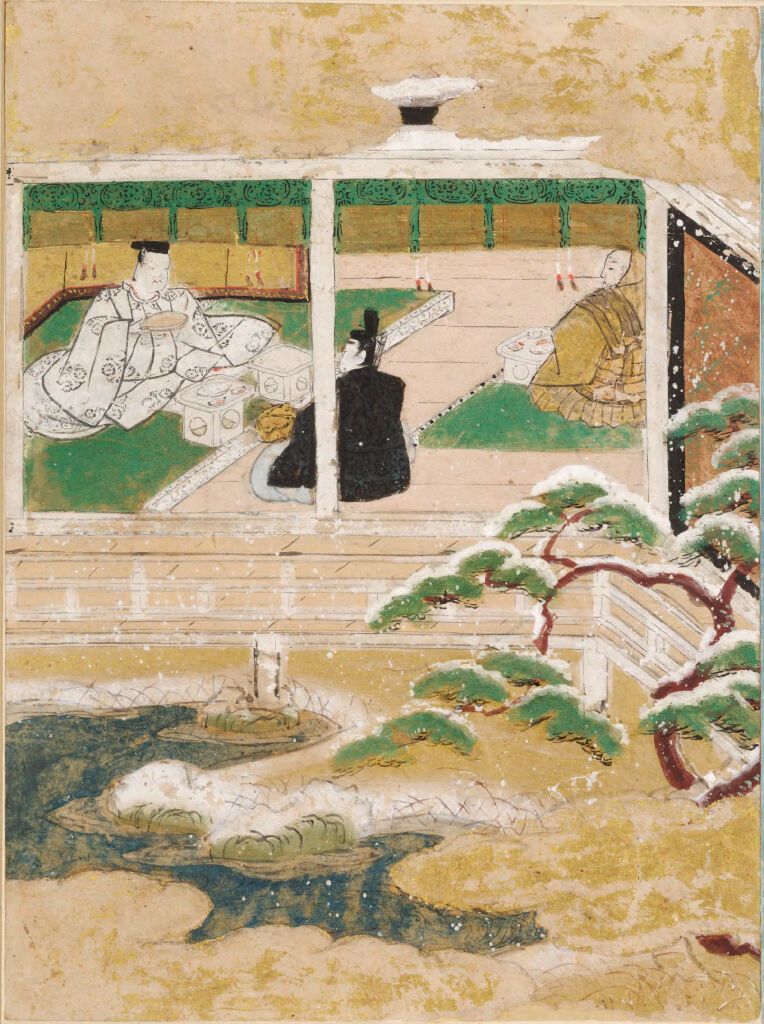
The Seer (Maboroshi), Illustration to Chapter 41 of the Tale of Genji (Genji monogatari)
Tosa Mitsunobu
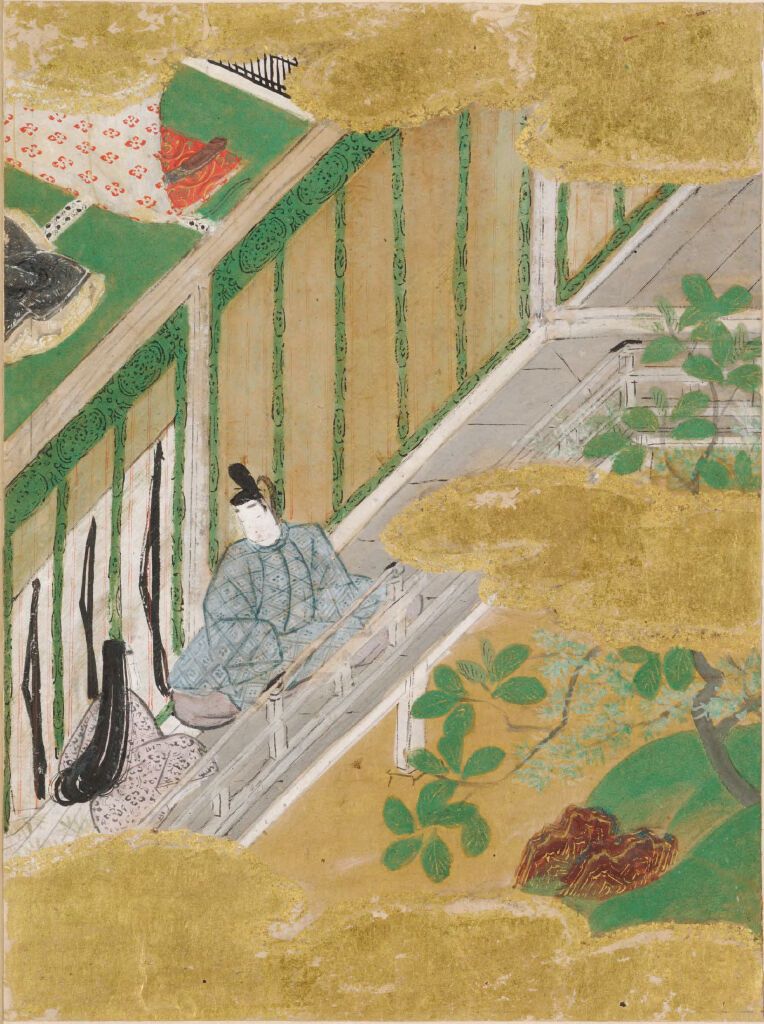
The Oak Tree (Kashiwagi), Illustration to Chapter 36 of the Tale of Genji (Genji monogatari)
Tosa Mitsunobu
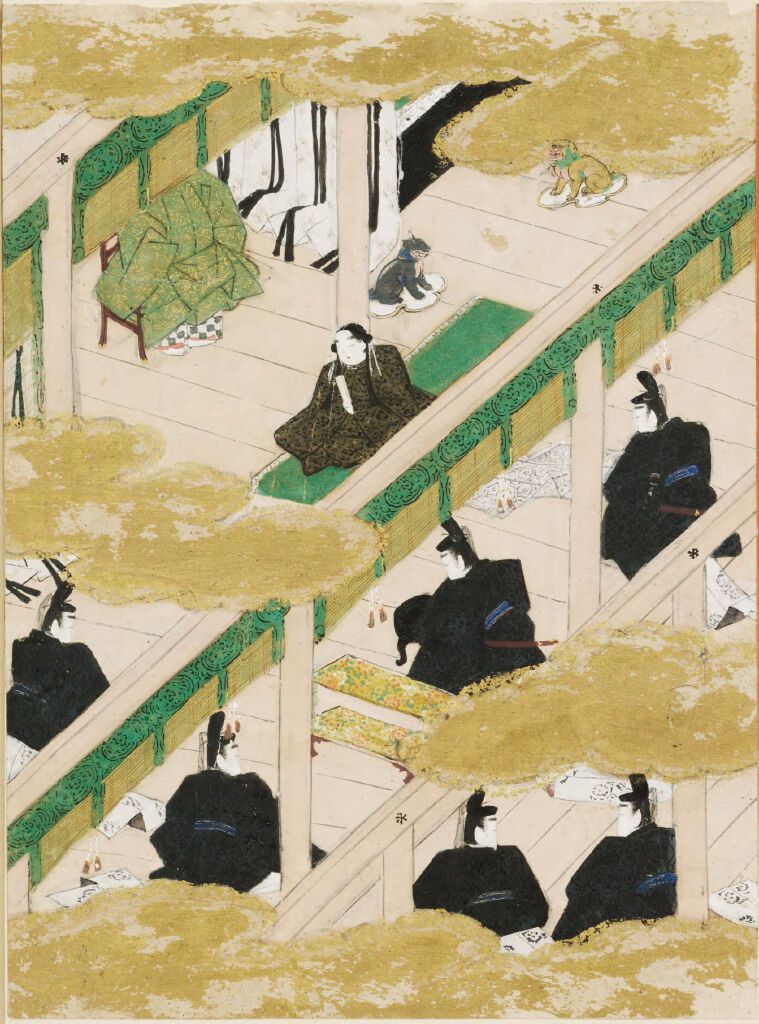
The Paulownia Pavilion (Kiritsubo), Illustration to Chapter 1 of the Tale of Genji (Genji monogatari)
Tosa Mitsunobu
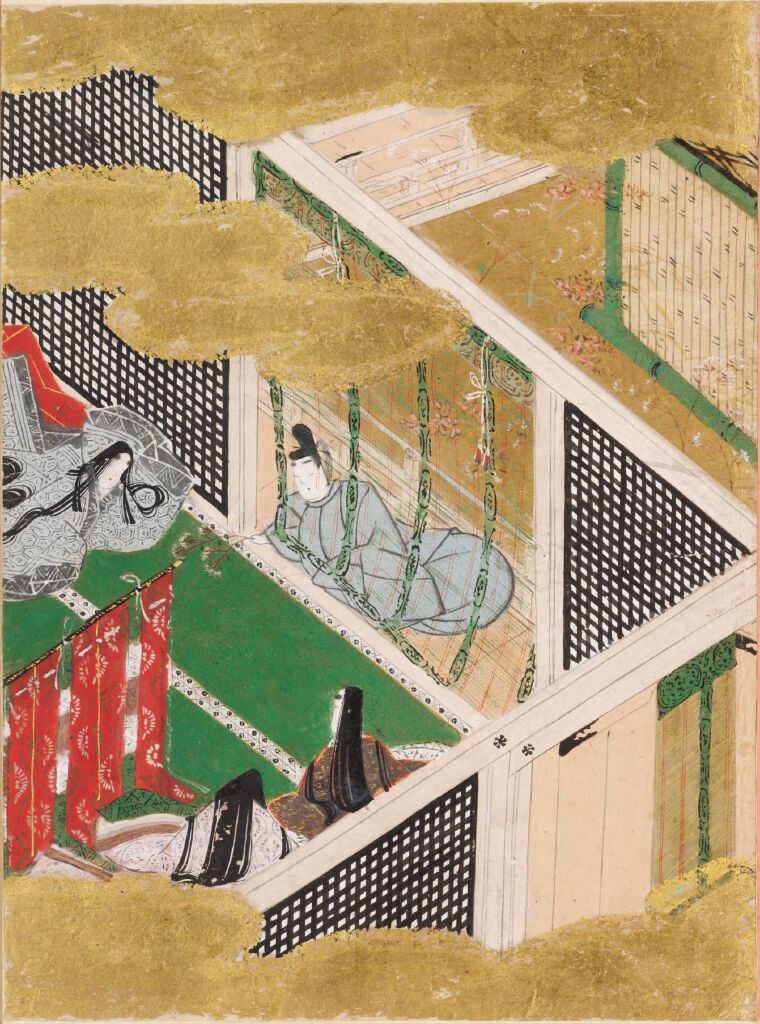
Thoroughwort Flowers (Fujibakama), Illustration to Chapter 30 of the Tale of Genji (Genji monogatari)
Tosa Mitsunobu

Under the Cherry Blossoms (Hana no En), Illustration to Chapter 8 of the Tale of Genji (Genji monogatari)
Tosa Mitsunobu

The Pilgrimage to Sumiyoshi (Miotsukushi), Illustration to Chapter 14 of the Tale of Genji (Genji monogatari)
Tosa Mitsunobu
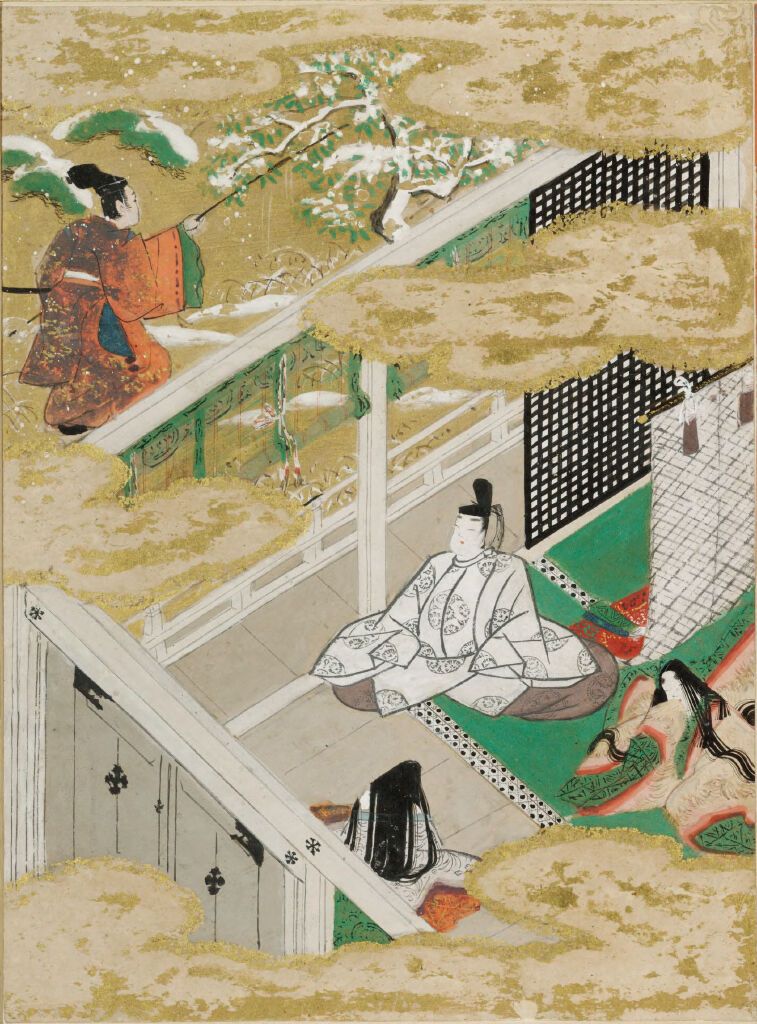
The Safflower (Suetsumuhana), Illustration to Chapter 6 of the Tale of Genji (Genji monogatari)
Tosa Mitsunobu
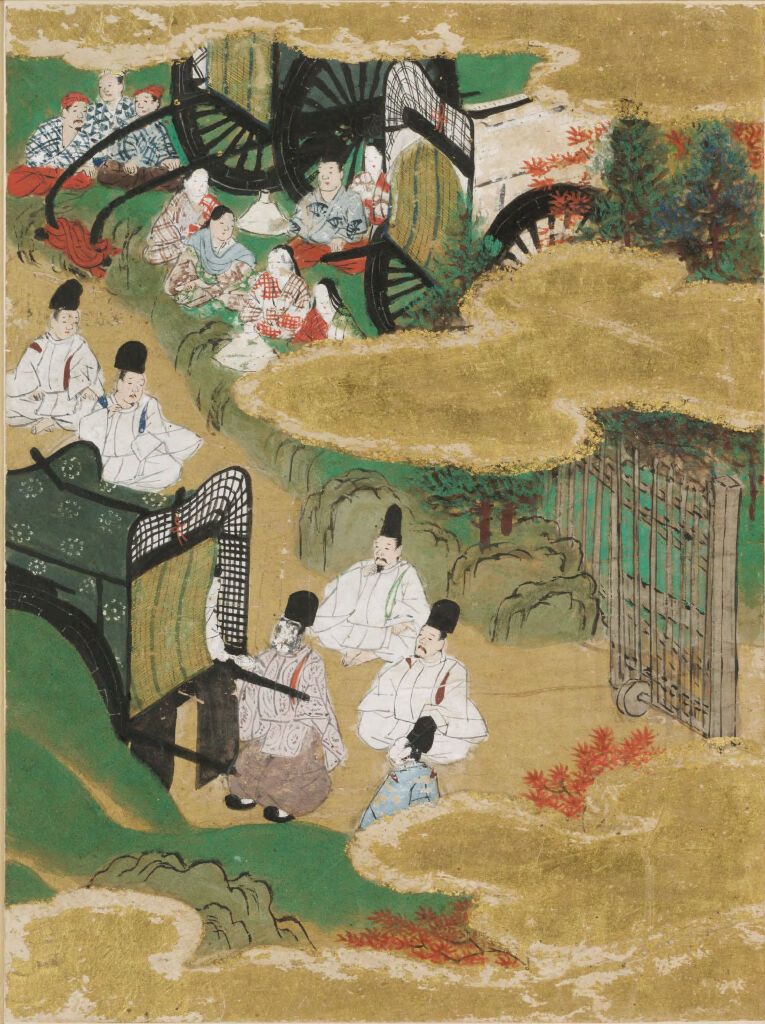
At the Pass (Sekiya), Illustration to Chapter 16 of the Tale of Genji (Genji monogatari)
Tosa Mitsunobu
Mais arte de Ilustração
Ver tudo →Falling Flowers (Hanachirusato), Illustration to Chapter 11 of the Tale of Genji (Genji monogatari)
Tosa Mitsunobu
The Cicada Shell (Utsusemi), Illustration to Chapter 3 of the Tale of Genji (Genji monogatari)
Tosa Mitsunobu
The Seer (Maboroshi), Illustration to Chapter 41 of the Tale of Genji (Genji monogatari)
Tosa Mitsunobu
The Oak Tree (Kashiwagi), Illustration to Chapter 36 of the Tale of Genji (Genji monogatari)
Tosa Mitsunobu
The Paulownia Pavilion (Kiritsubo), Illustration to Chapter 1 of the Tale of Genji (Genji monogatari)
Tosa Mitsunobu
Thoroughwort Flowers (Fujibakama), Illustration to Chapter 30 of the Tale of Genji (Genji monogatari)
Tosa Mitsunobu