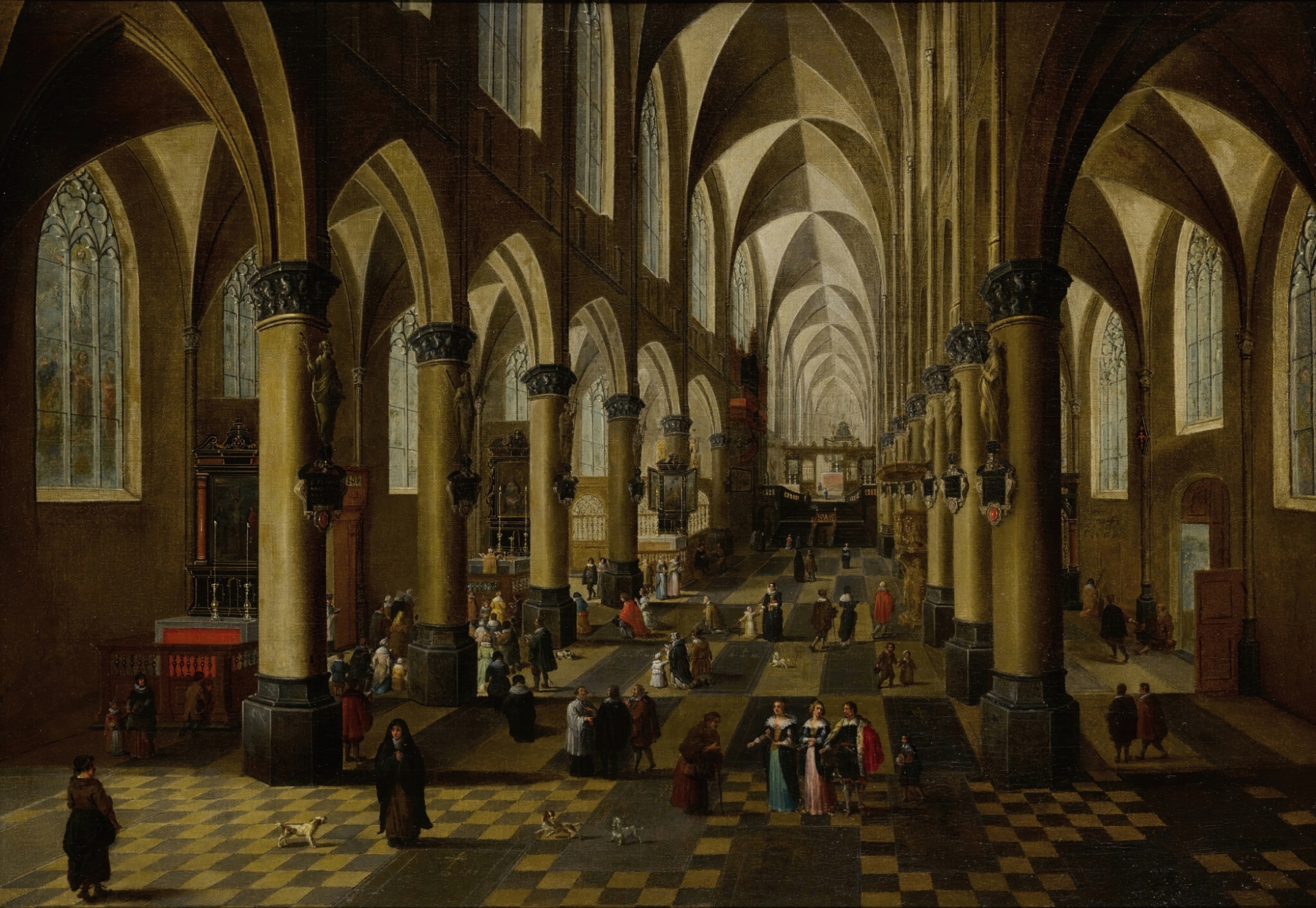
A church interior with worshippers at prayer — History & Analysis
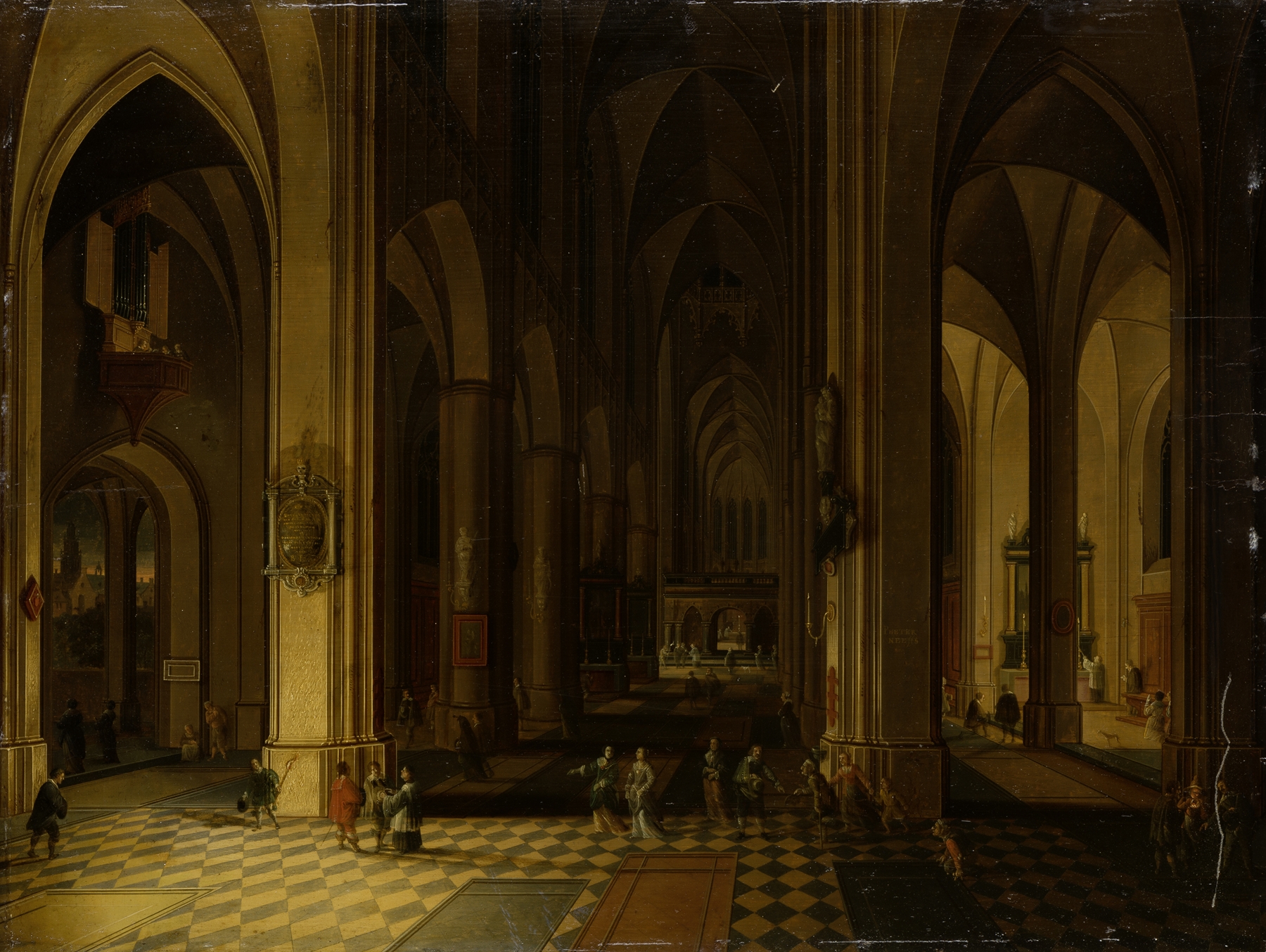
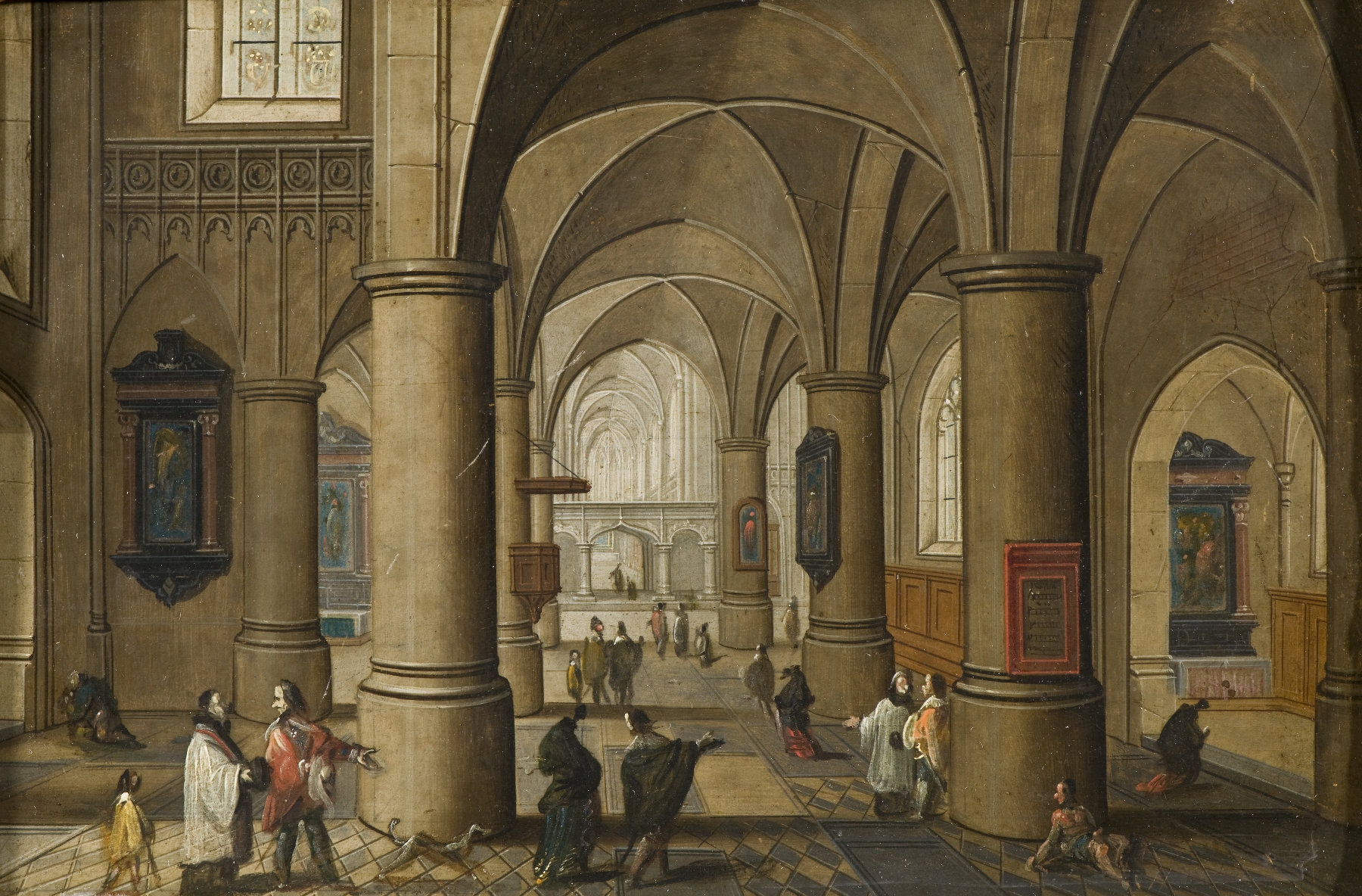
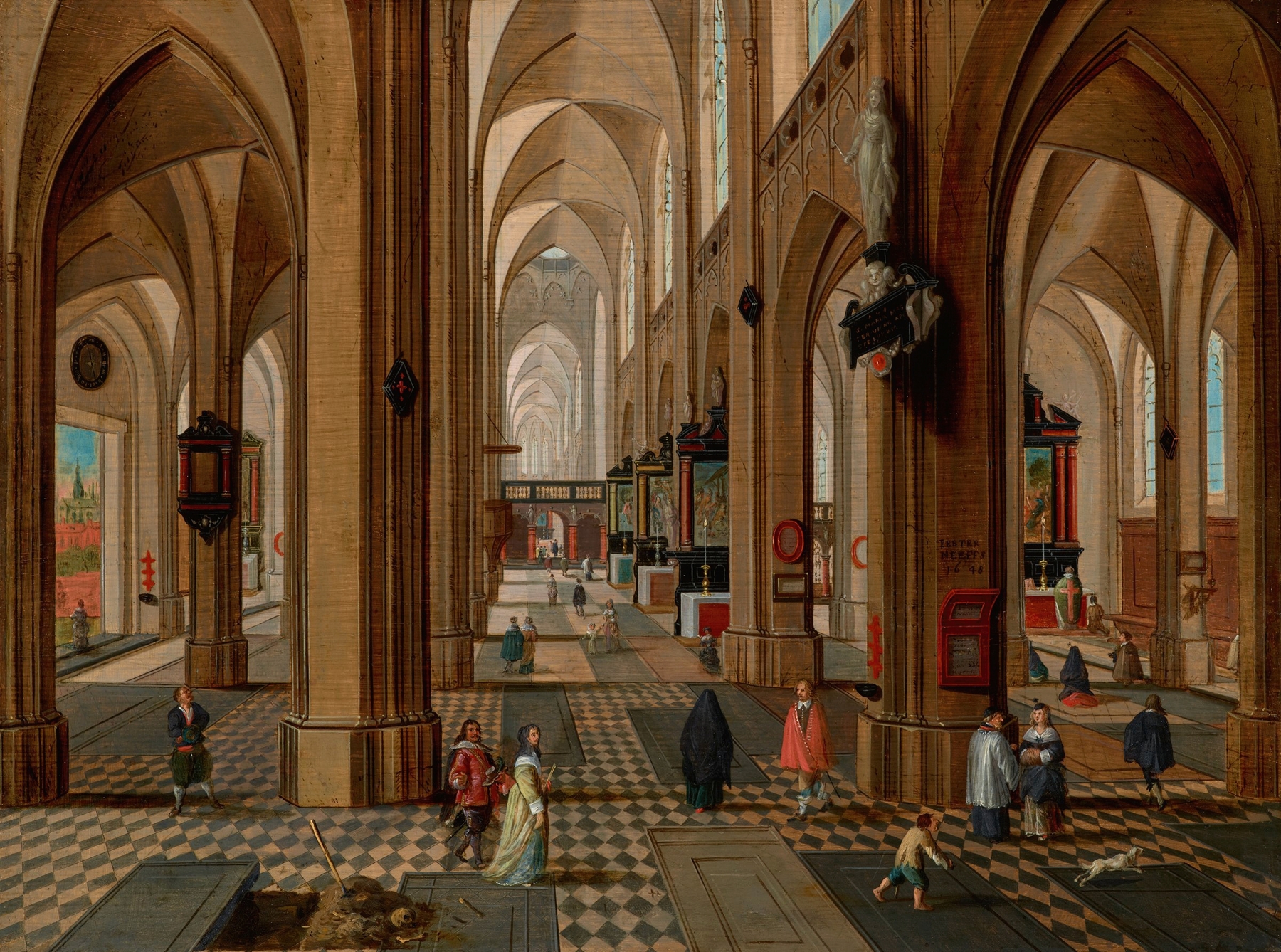
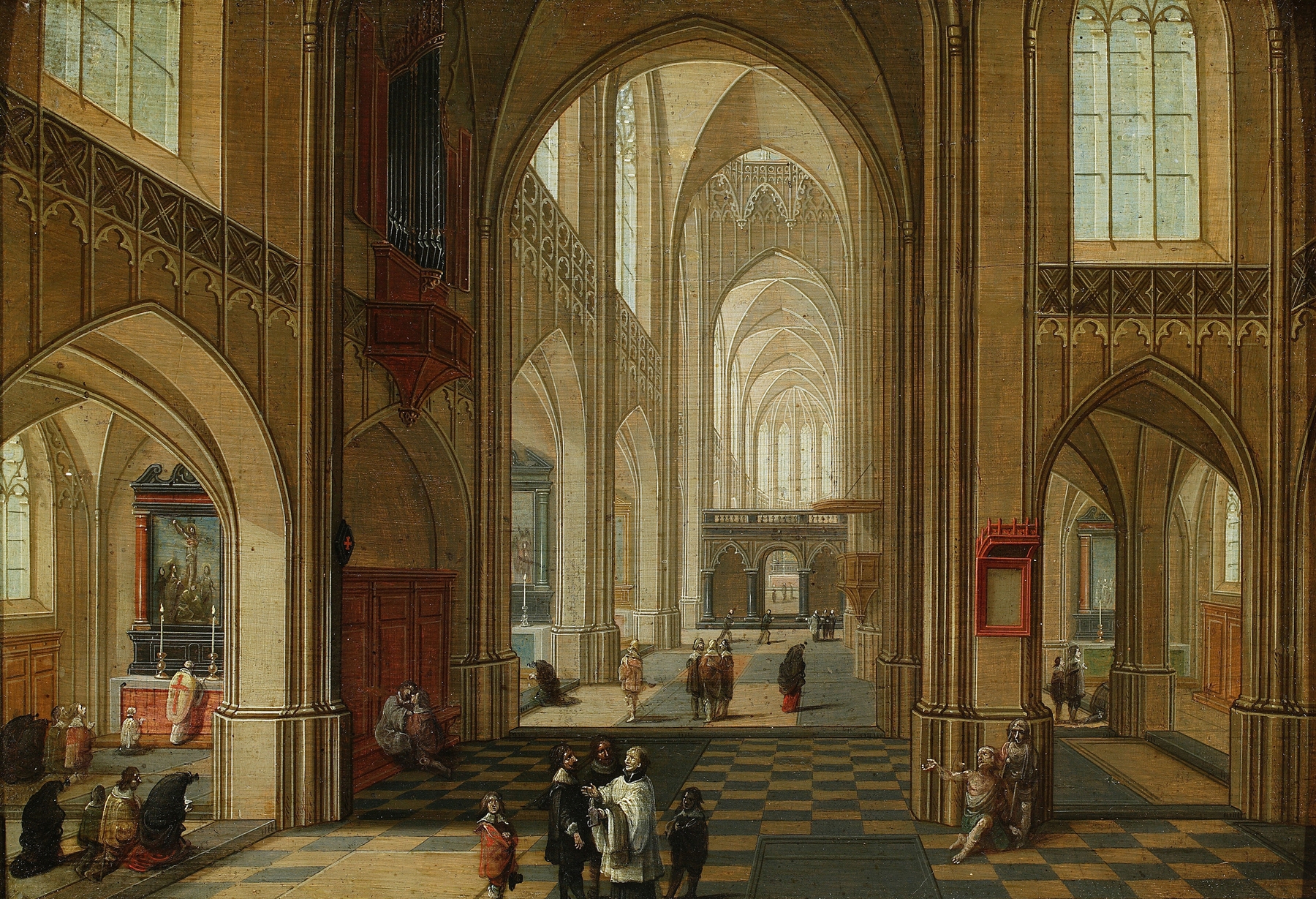
Who listens when art speaks of silence? In the hushed reverence of a church interior, truth unfolds within the stillness of prayer and reflection. Look to the left at the figures kneeling in devotion, their silhouettes softly illuminated by the gentle, diffused light streaming through the stained-glass windows. The warm hues of amber and crimson cast delicate patterns on the stone floor, inviting the viewer to experience a sacred tranquility.
Notice how the arching ceilings draw the eye upward, creating a sense of grandeur that contrasts beautifully with the intimate act of worship below. This interplay between light and shadow, along with the rich textures of the stone walls, adds depth to the scene, enveloping the viewer in its solemn atmosphere. Delve deeper into the artwork's emotional layers, where the juxtaposition of communal faith and personal reverie is palpable. Each worshipper, absorbed in their own thoughts, emerges as a distinct character, yet they are united in a shared pursuit of solace.
The subtle detail of a flickering candle in the foreground symbolizes hope amidst uncertainty, while the geometric patterns of the architecture evoke the rigidity of tradition, contrasting with the fluid, organic gestures of human prayer. Pieter Neeffs the younger painted this evocative scene during a time when religious fervor was both a personal refuge and a communal experience. Active in the early 17th century, he was influenced by the Counter-Reformation, which sought to reaffirm the significance of the church in daily life. This period saw a revitalization of interest in religious themes within art, as painters like Neeffs endeavored to capture the essence of faith, illuminating the sacred spaces that fostered a deep connection between humanity and the divine.