Church interior — History & Analysis
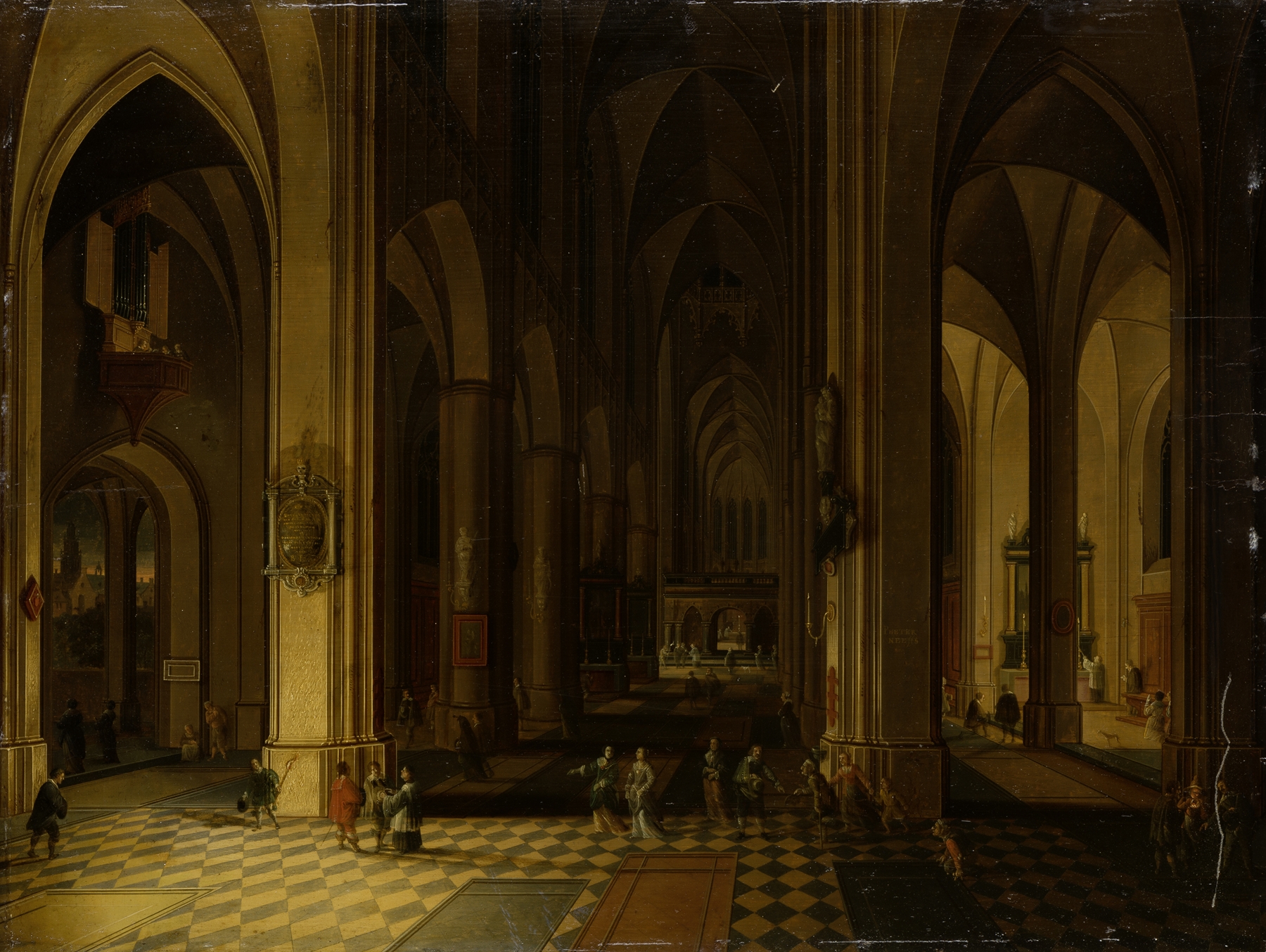
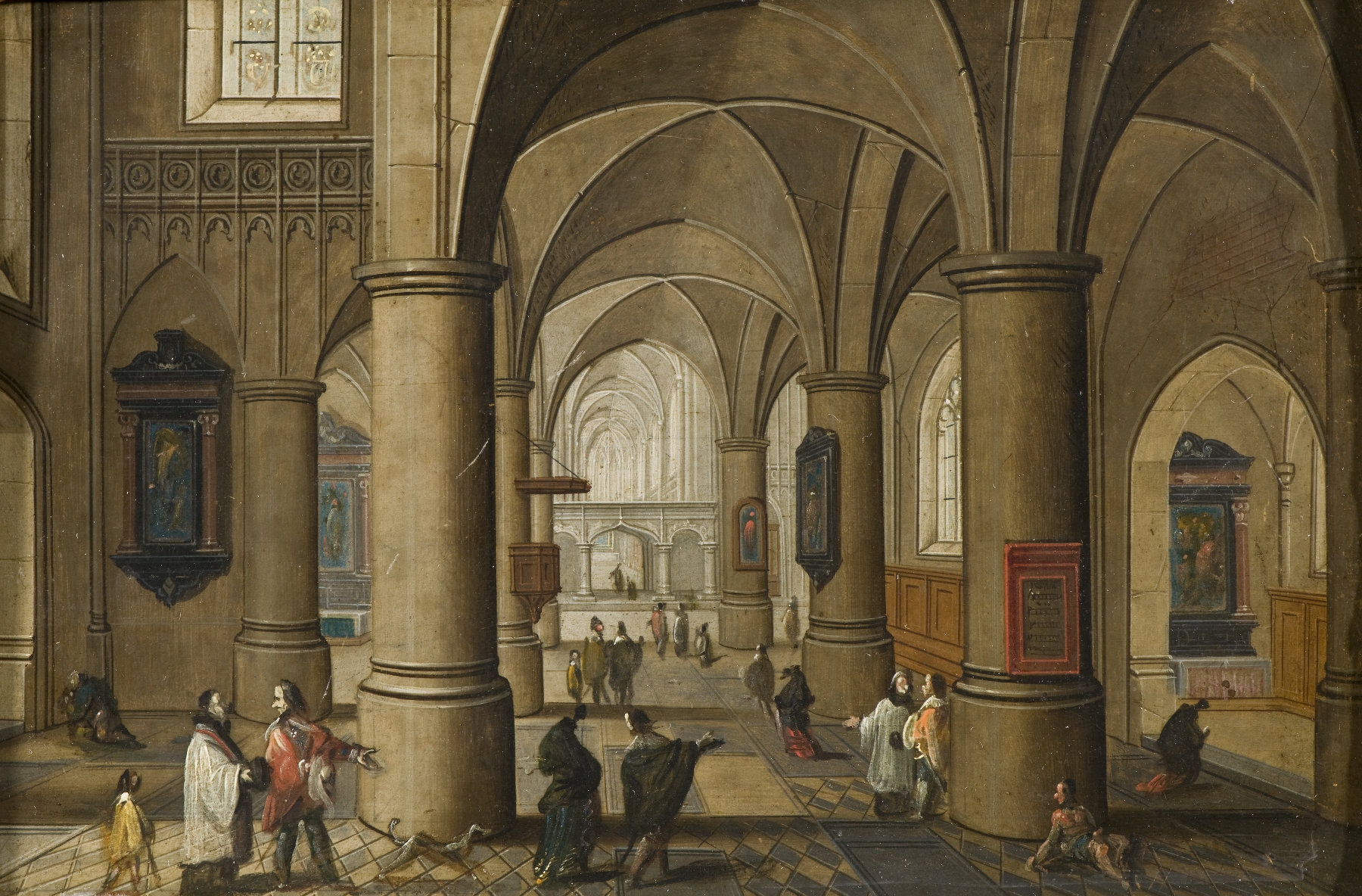
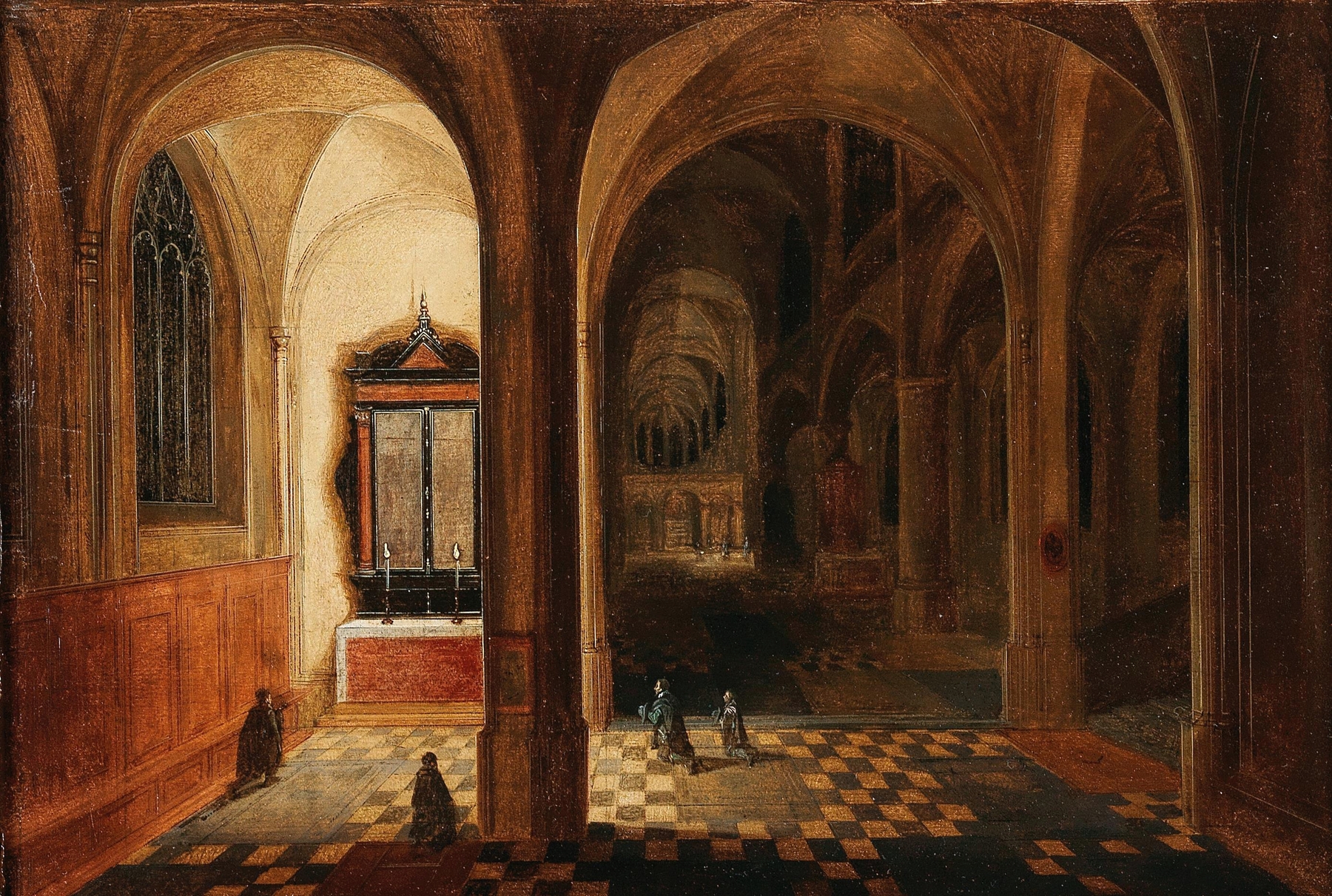
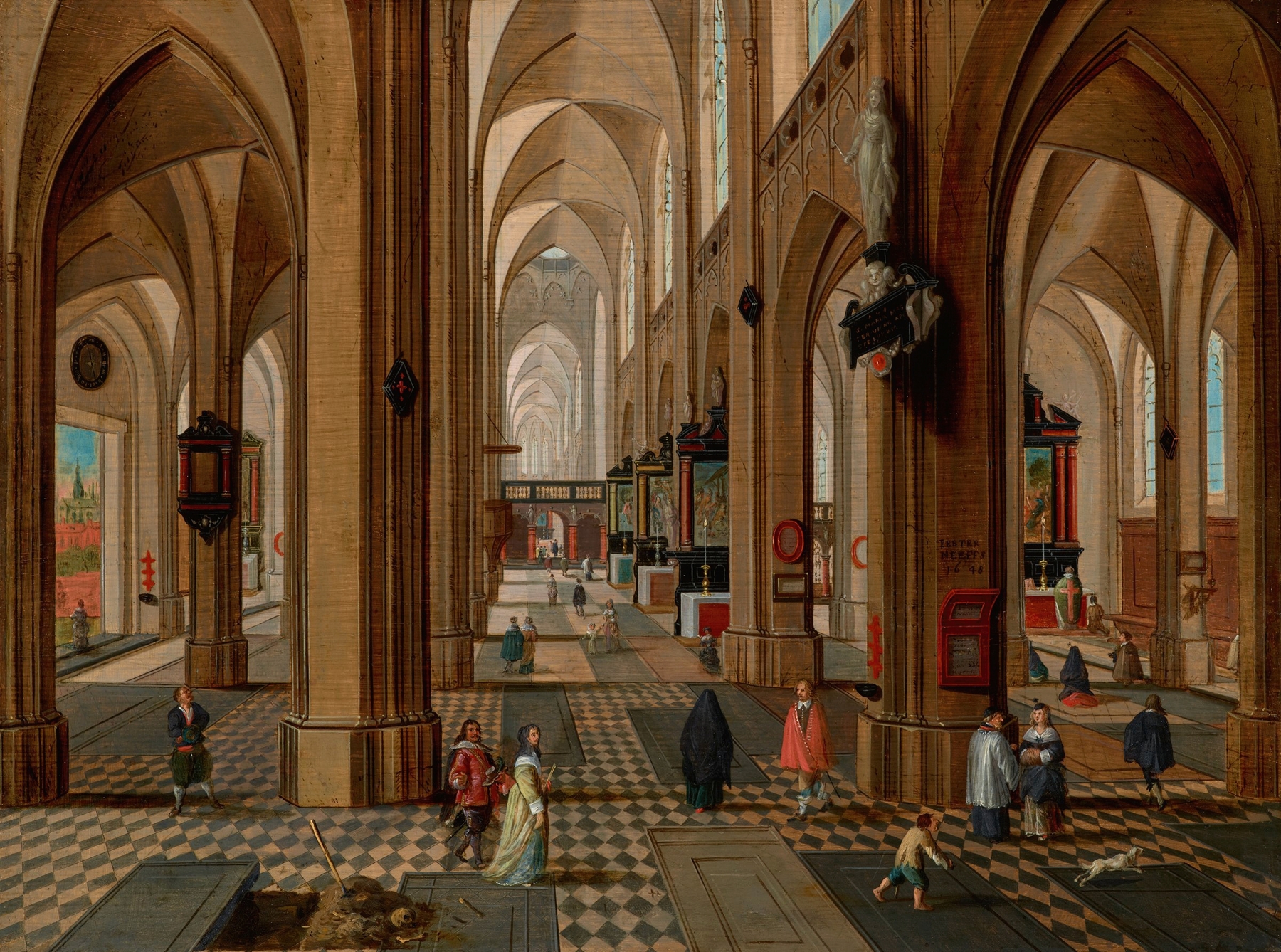
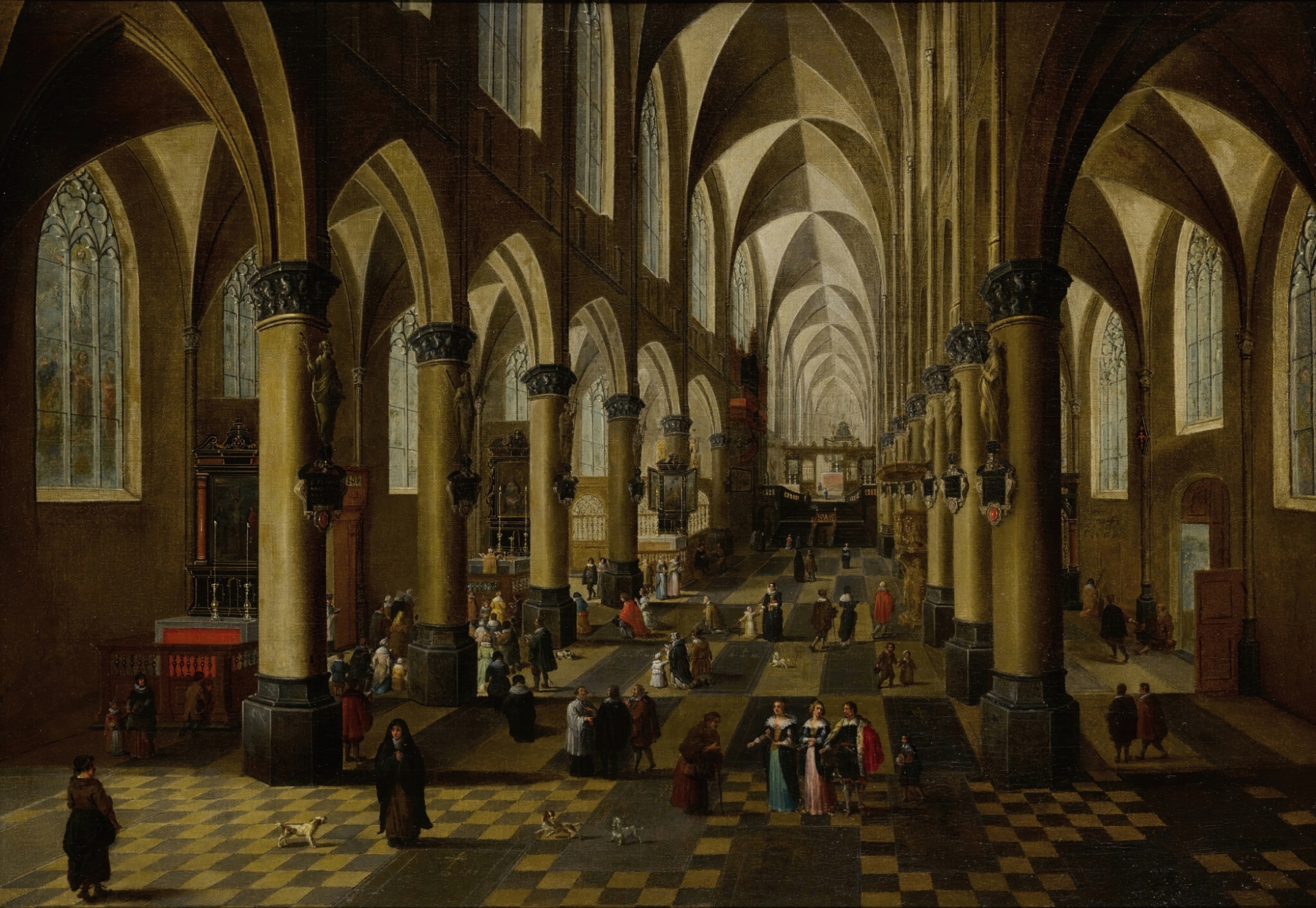
Where does light end, and longing begin? In the stillness of a church interior, the interplay of illumination and shadow becomes a vessel for the soul’s fervent desires. Look to the far wall, where the soft glow of stained glass spills its colorful hues onto the stone floor, creating a mosaic of light that reverberates with echoes of prayer. Notice how the high arches of the ceiling converge towards the light, drawing your gaze upward, inviting contemplation.
The intricate details of the altar, with its solemn statues and flickering candles, invite the viewer to pause, while the muted tones of ochre and gray provide a tranquil backdrop, harmonizing with the reverence of the space. Within this serene composition lies an exploration of faith’s contrasts. The vibrant colors of the stained glass symbolize hope and divine presence, while the darker corners evoke feelings of isolation and doubt. These elements interplay, suggesting a journey where illumination coexists with shadows of uncertainty, representing the push and pull of spiritual yearning.
Each flicker of candlelight serves as a testament to individual prayers, bringing forth an intimacy amid the vastness of the architecture. Pieter Neeffs the Younger created this evocative piece during the early 17th century, a time when the Baroque style was flourishing in the Netherlands. As a painter who specialized in church interiors, he sought to capture the spatial dynamics and emotional resonance of sacred spaces. This work reflects his keen observation of light and shadow, embodying both the spiritual and architectural intricacies of the era.