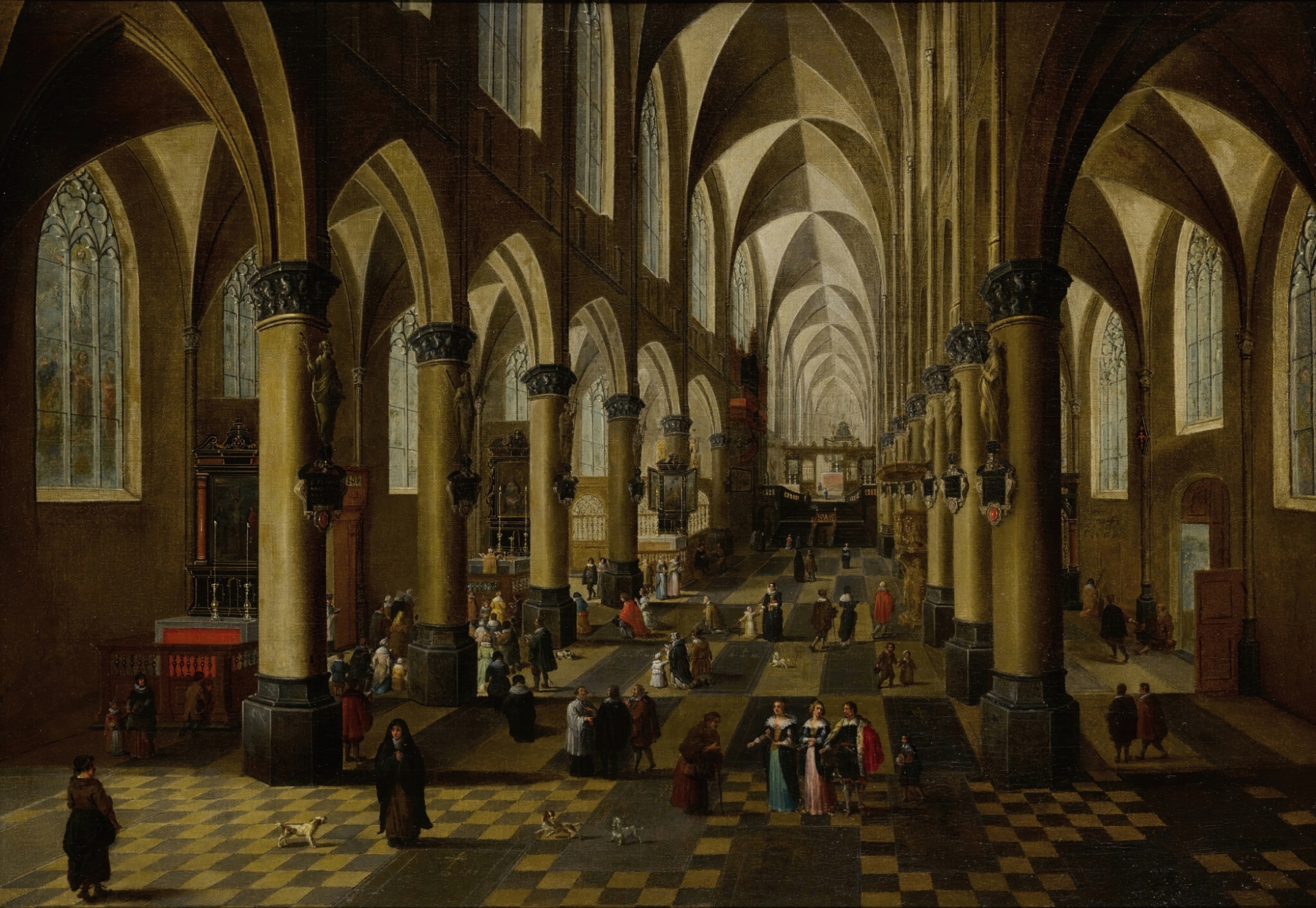
Interior of Antwerp Cathedral — History & Analysis
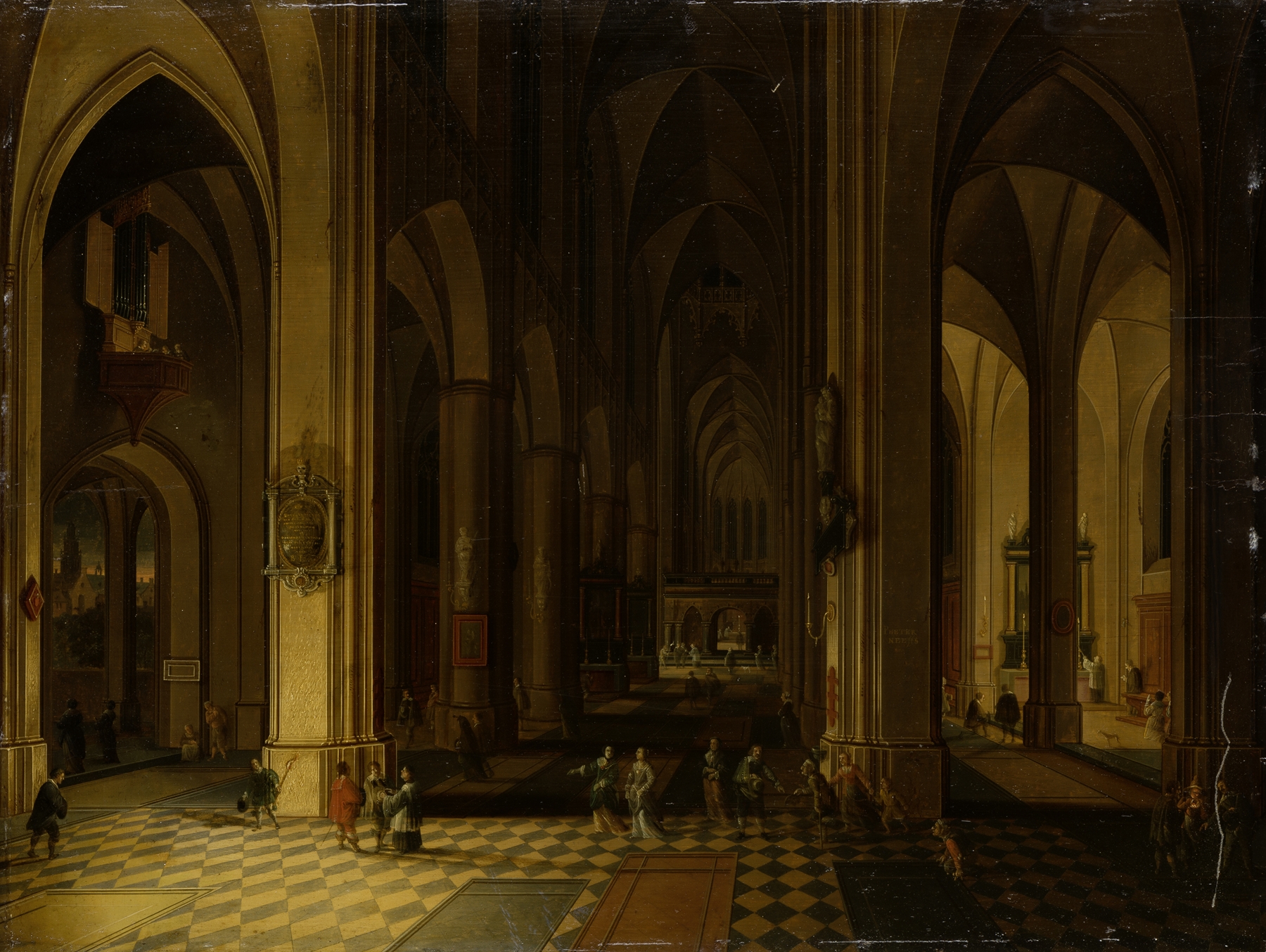
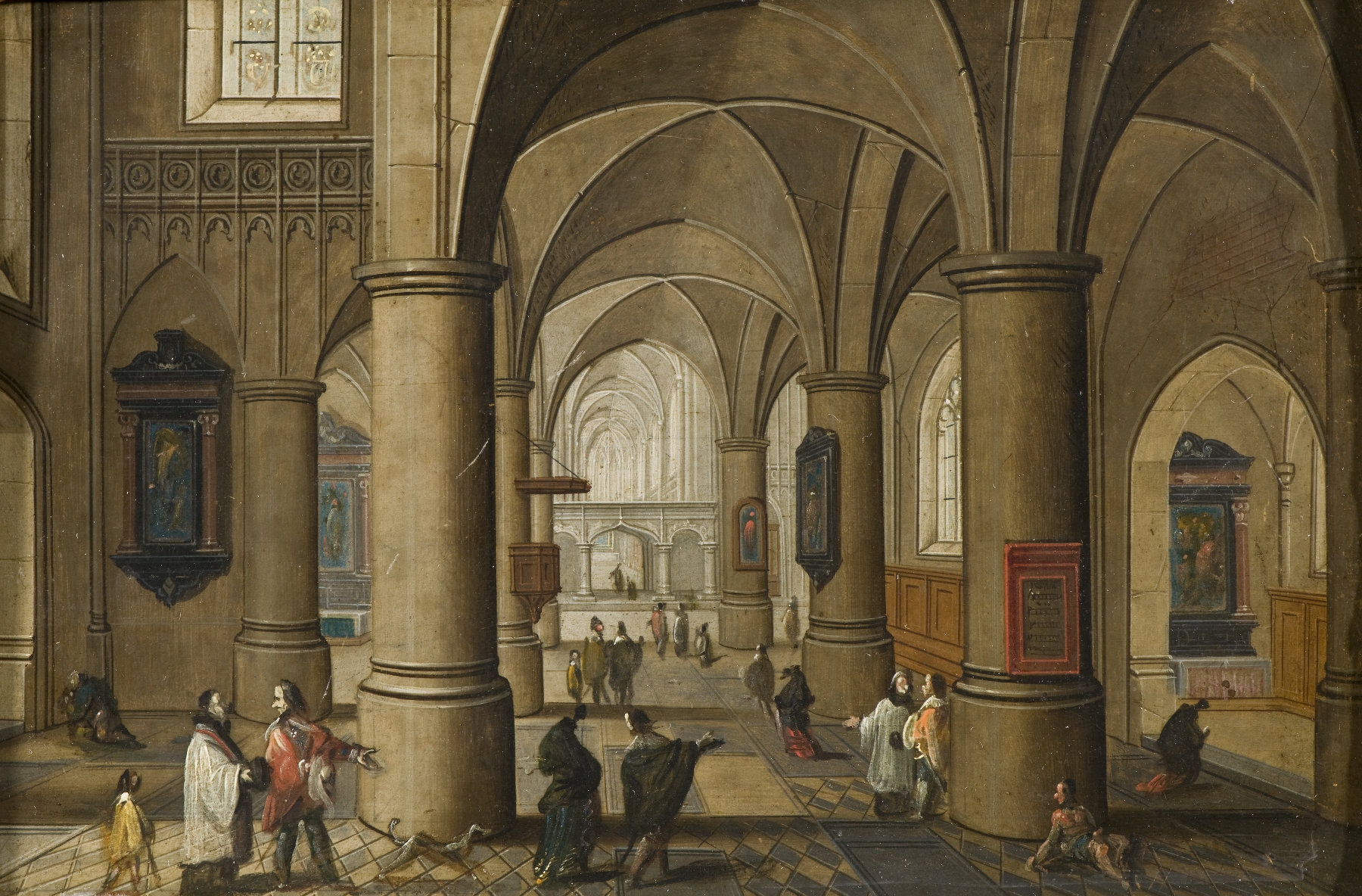
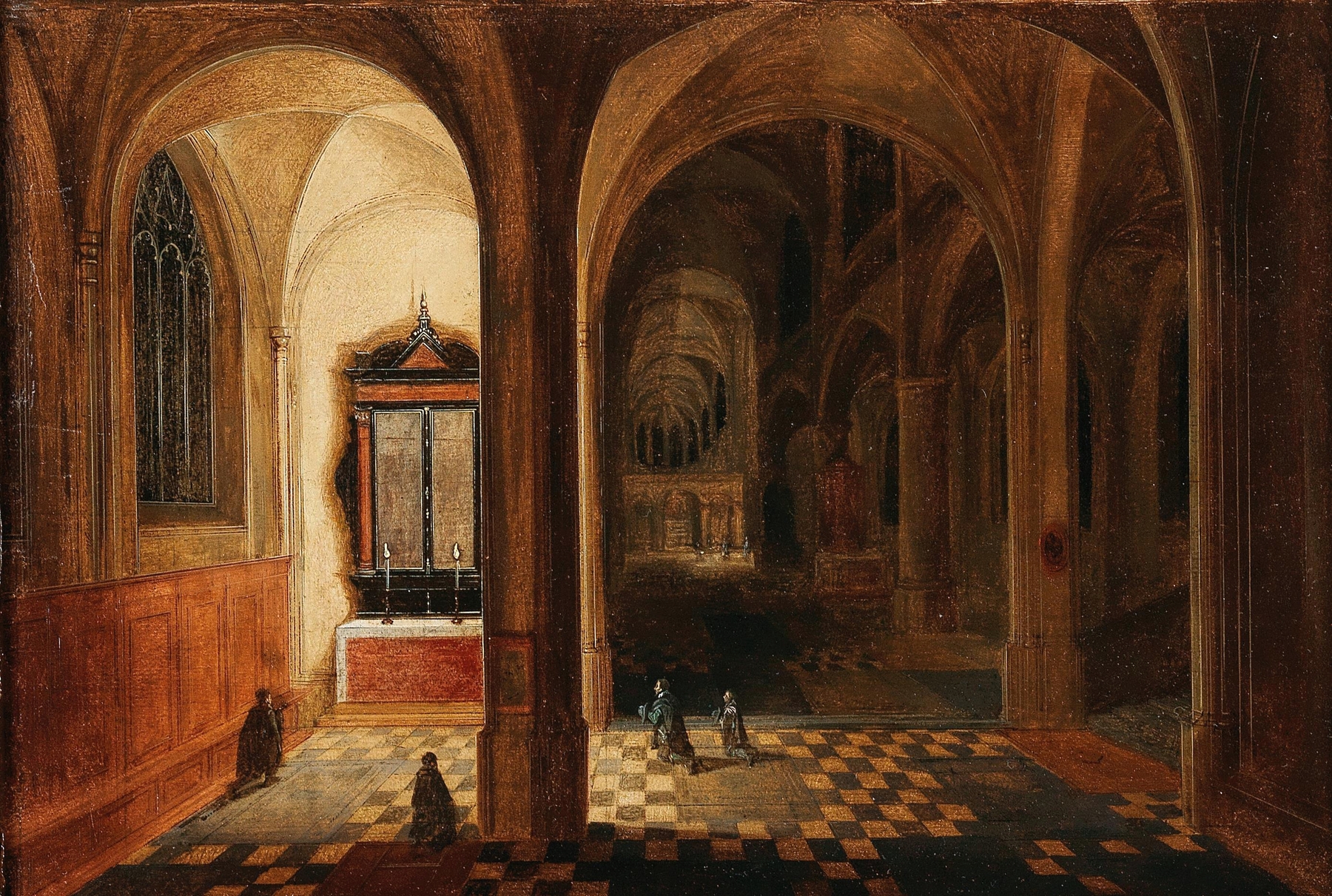
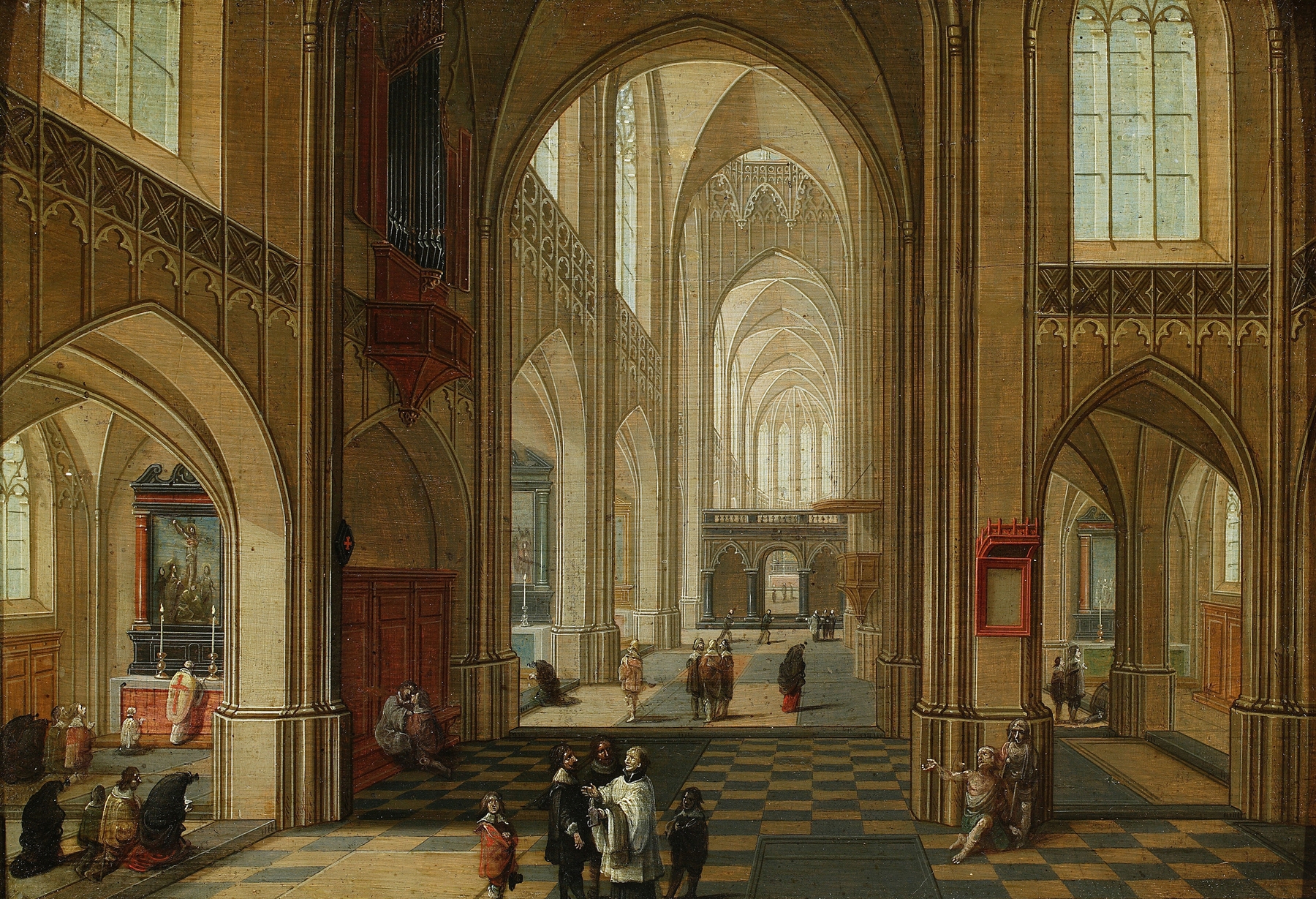
“Under the brush, chaos becomes grace.” In the stillness of the cathedral, the air hangs thick with history, whispering the stories of those who sought solace beneath its towering arches. Shadows dance along the worn stone, while sunlight streams through stained glass, splashing the interior in a symphony of color. Each pew, each pillar, bears the weight of time, a testament to both decay and resilience. Focus on the captivating interplay of light and shadow as you first glance towards the grand altar at the far end. Notice how the artist meticulously captures every detail—the flicker of candle flames reflecting on the polished surfaces, the intricate carvings of the wooden elements, and the delicate patterns formed by the stained glass.
The muted palette evokes a sense of reverence, while rich earth tones ground the viewer in the solemnity of the space, drawing one further into its depths. Yet, beneath the serene facade, there exists a profound tension between the sacred and the decaying. The crumbling walls hint at the passage of time, while the vibrant hues of the stained glass suggest a lingering beauty amidst deterioration. This duality speaks to the cyclical nature of life and faith—how even the grandest structures yield to time.
The viewer is left contemplating the transient nature of both spaces and the lives that inhabit them. In 1648, the artist captured this scene during a period marked by personal turmoil and shifting artistic movements in Europe. Living in Antwerp, he was influenced by the Baroque style, which emphasized emotion and grandeur. As the art world transitioned towards realism, Neeffs sought to immortalize the quiet dignity of sacred spaces, reflecting both the fervor of piety and the inevitability of decay.