Interior of a Gothic Church — History & Analysis
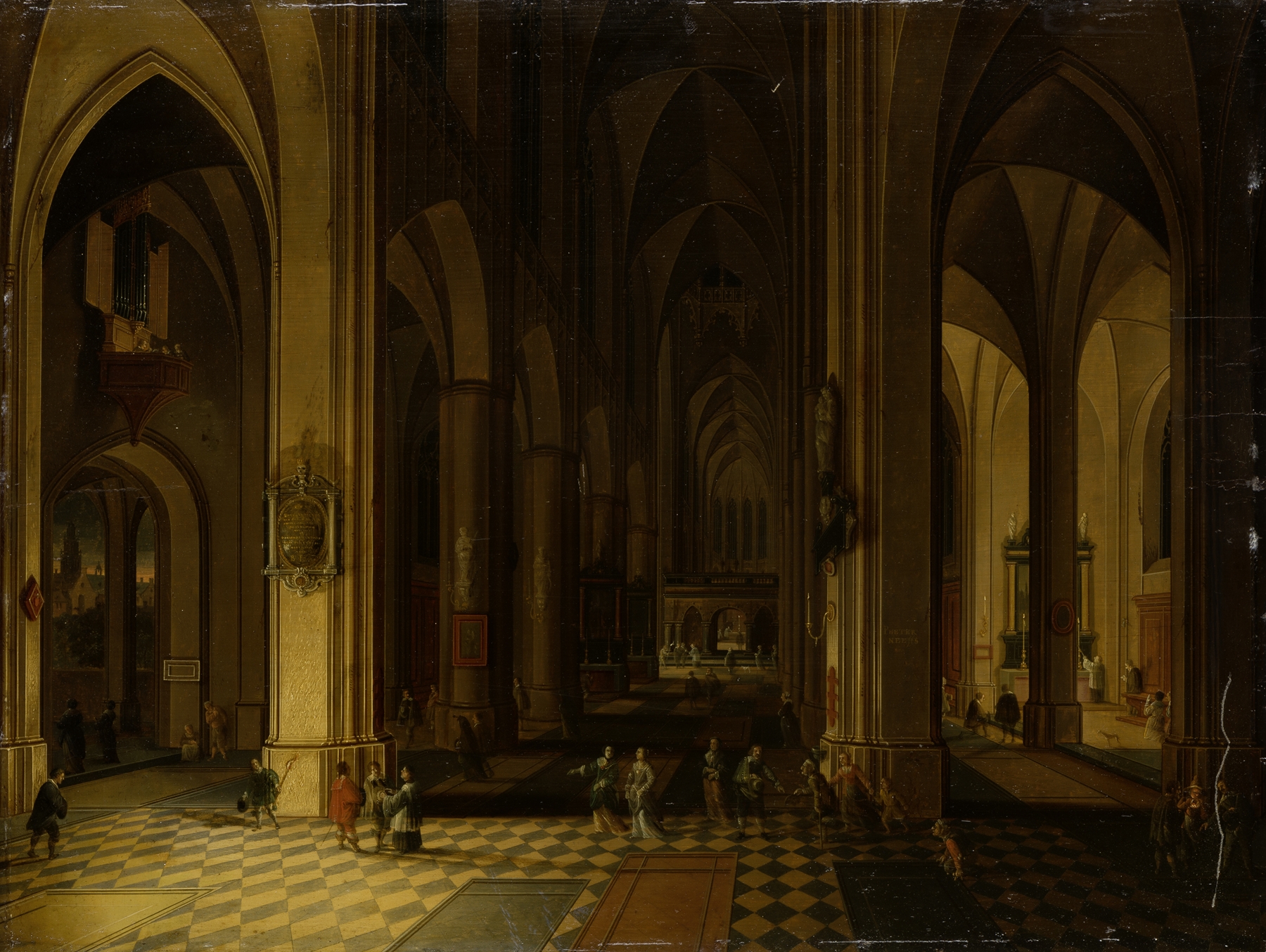
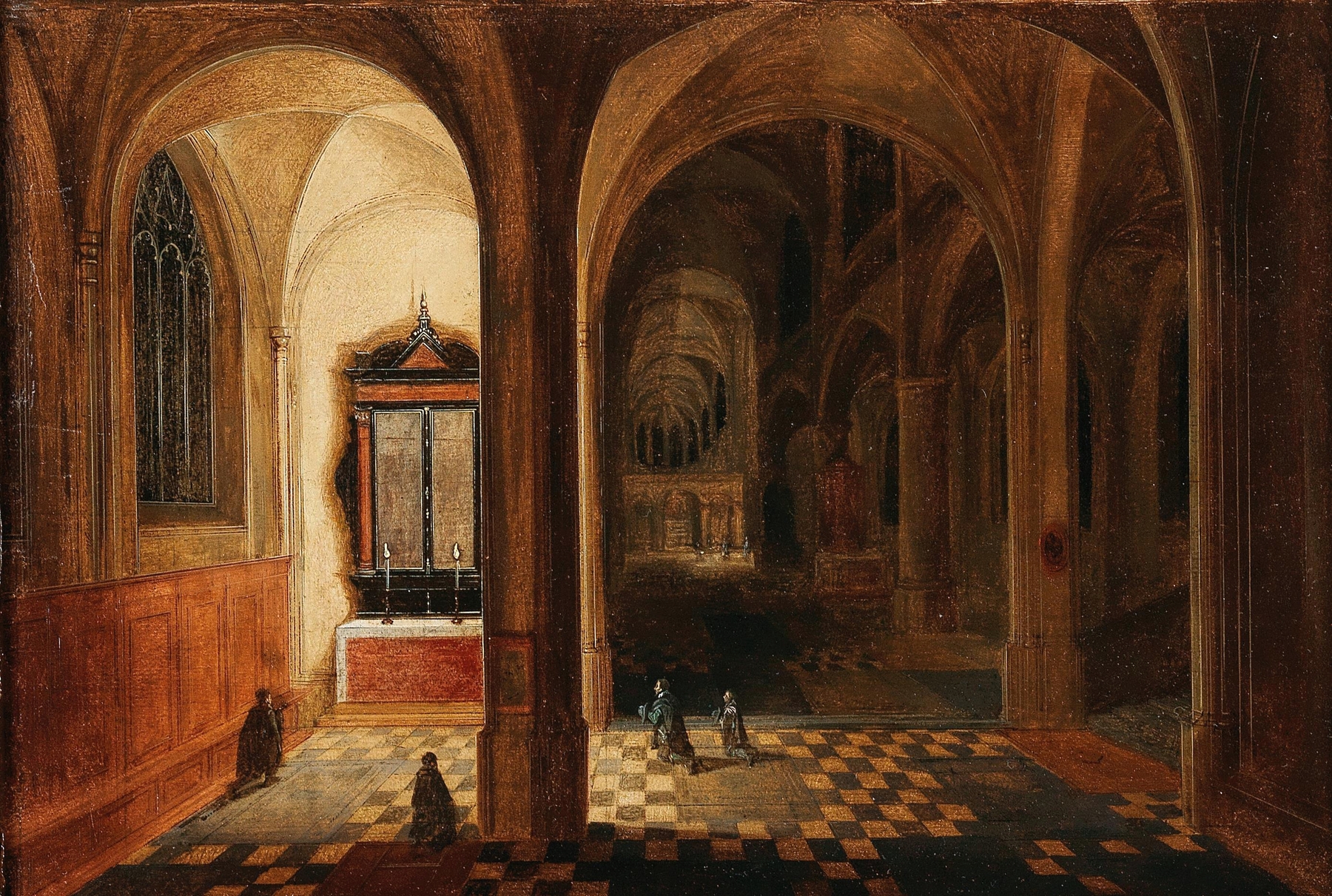
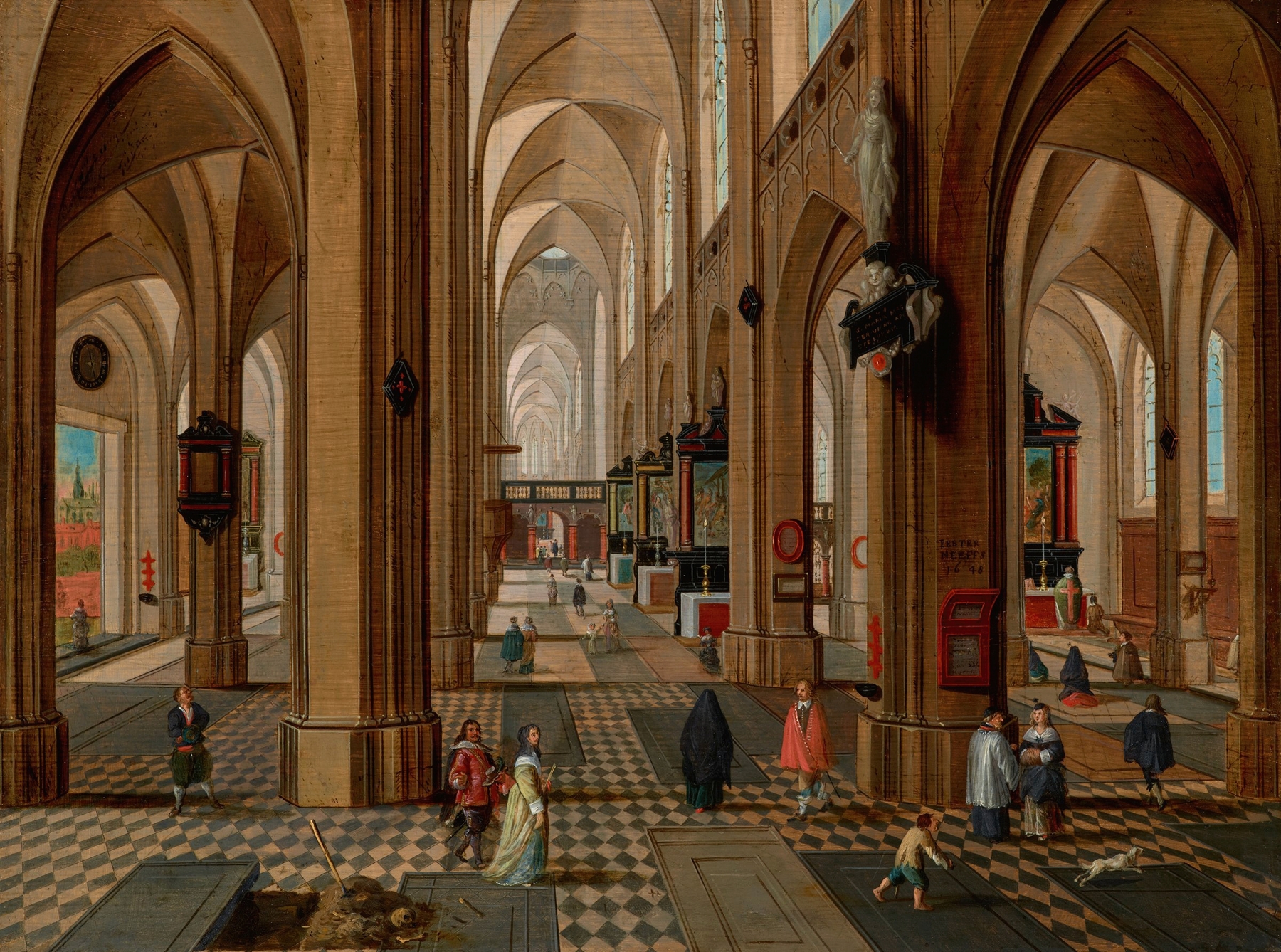
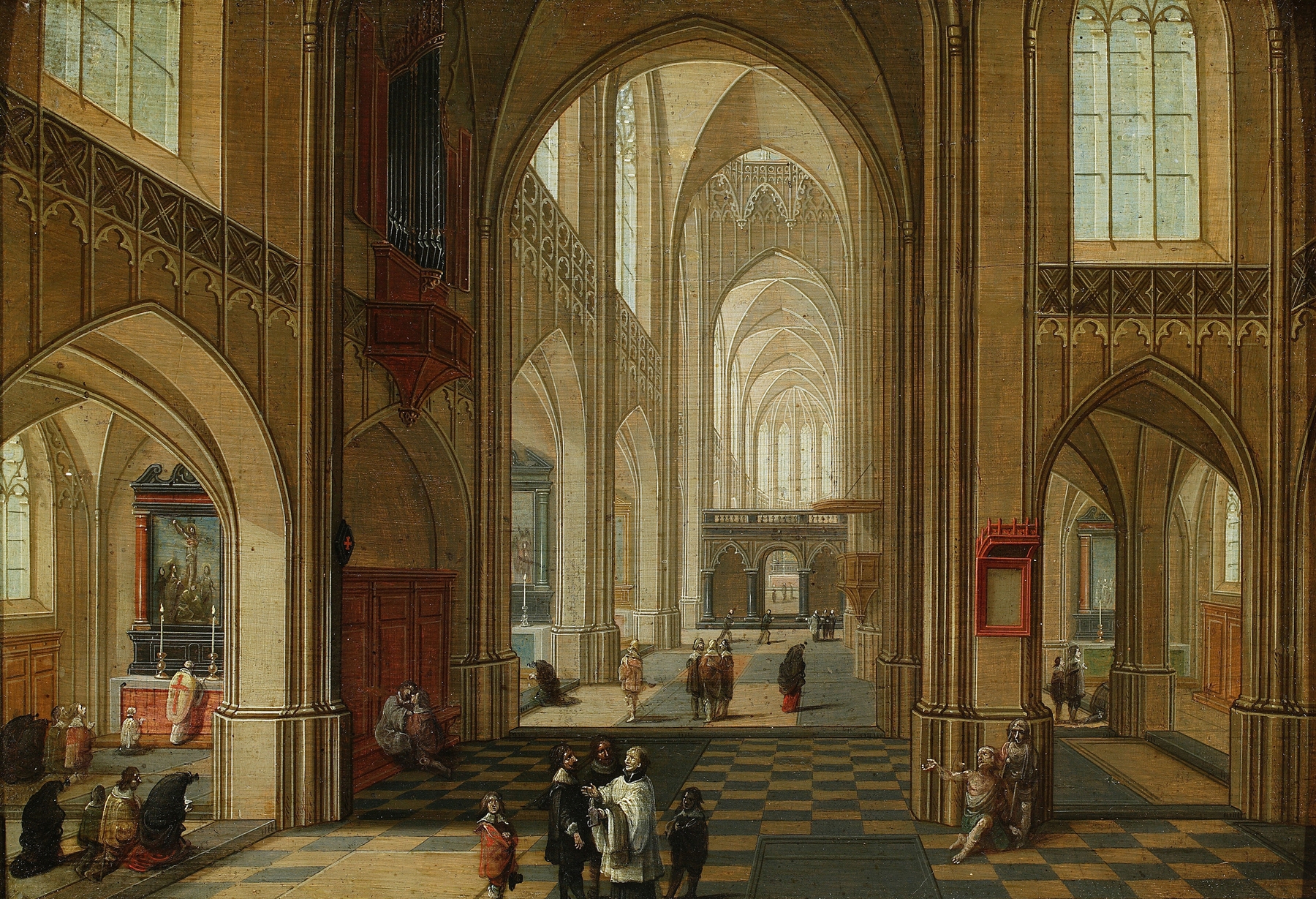
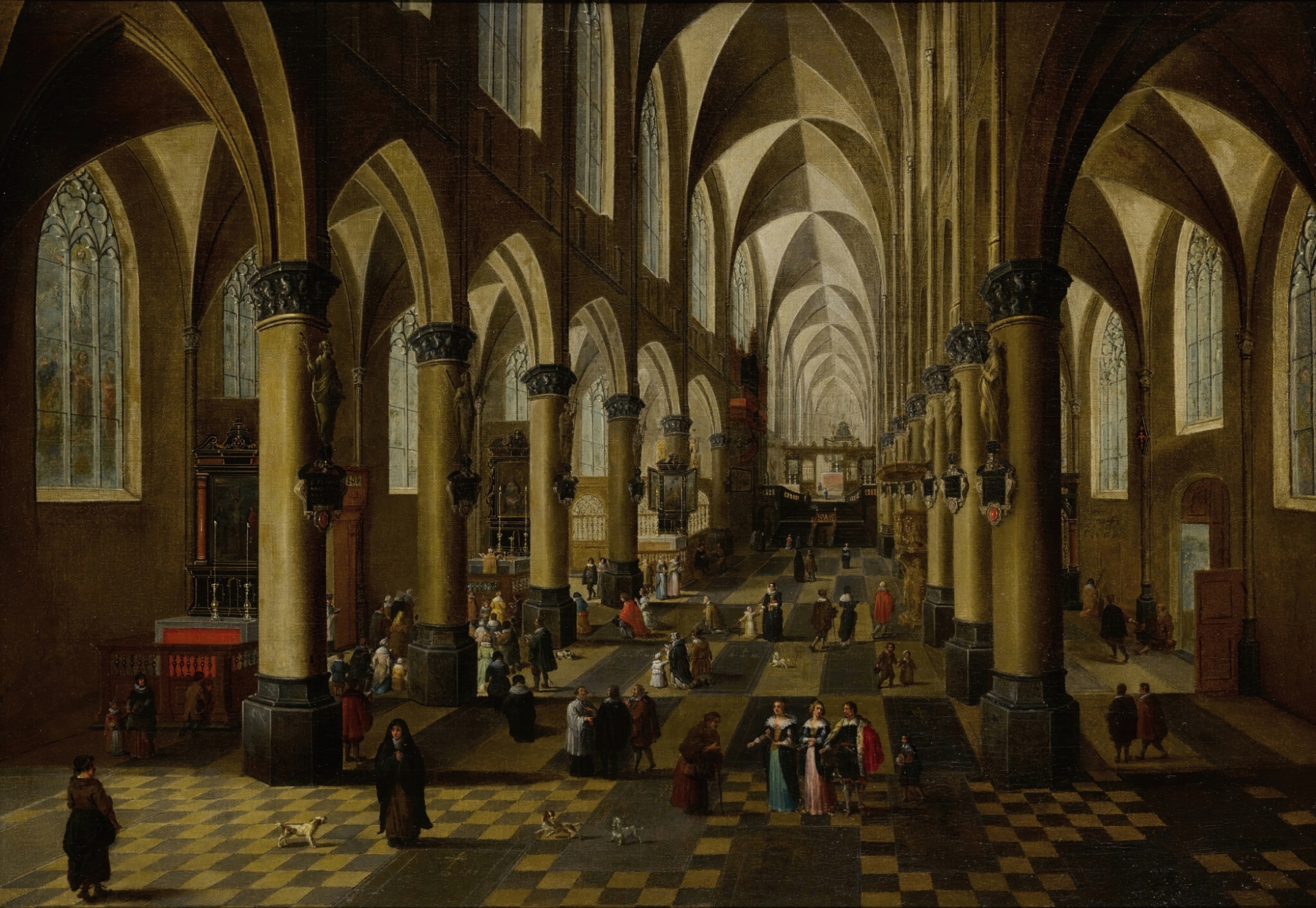
Could beauty survive in a century of chaos? This question lingers as we gaze upon the intricate depths of the Interior of a Gothic Church. Focus on the soaring arches that dominate the scene, guiding your eyes upward to the light filtering through stained glass windows. The cool blues and warm golds dance across the stone floor, creating a mesmerizing tapestry of color.
Notice how the meticulous details of the architecture draw you in, each column and beam a testament to the craftsmanship of another era. The interplay of light and shadow evokes a sense of reverence, inviting you to pause and reflect. Delve deeper into the work, and you may sense a tension between the grandeur of the structure and the whispers of time etched into its stones. Each shadow seems to carry the weight of history, while the sunlight offers hope of renewal.
The silent figures, perhaps lost in prayer or contemplation, punctuate the vastness of the space, serving as guardians of memory and legacy amidst the echoes of a turbulent age. Pieter Neeffs the younger created this work during a time when the world was navigating the complexities of the 17th century, a period marked by artistic blossoming amidst societal upheaval. His meticulous attention to architectural detail reflects not only his skill but also a desire to capture the enduring spirit of spiritual solace. As the Baroque style began to emerge, he stood firmly rooted in the Gothic tradition, preserving its majesty for future generations to appreciate.