A Coastal Ruin in Italy — History & Analysis
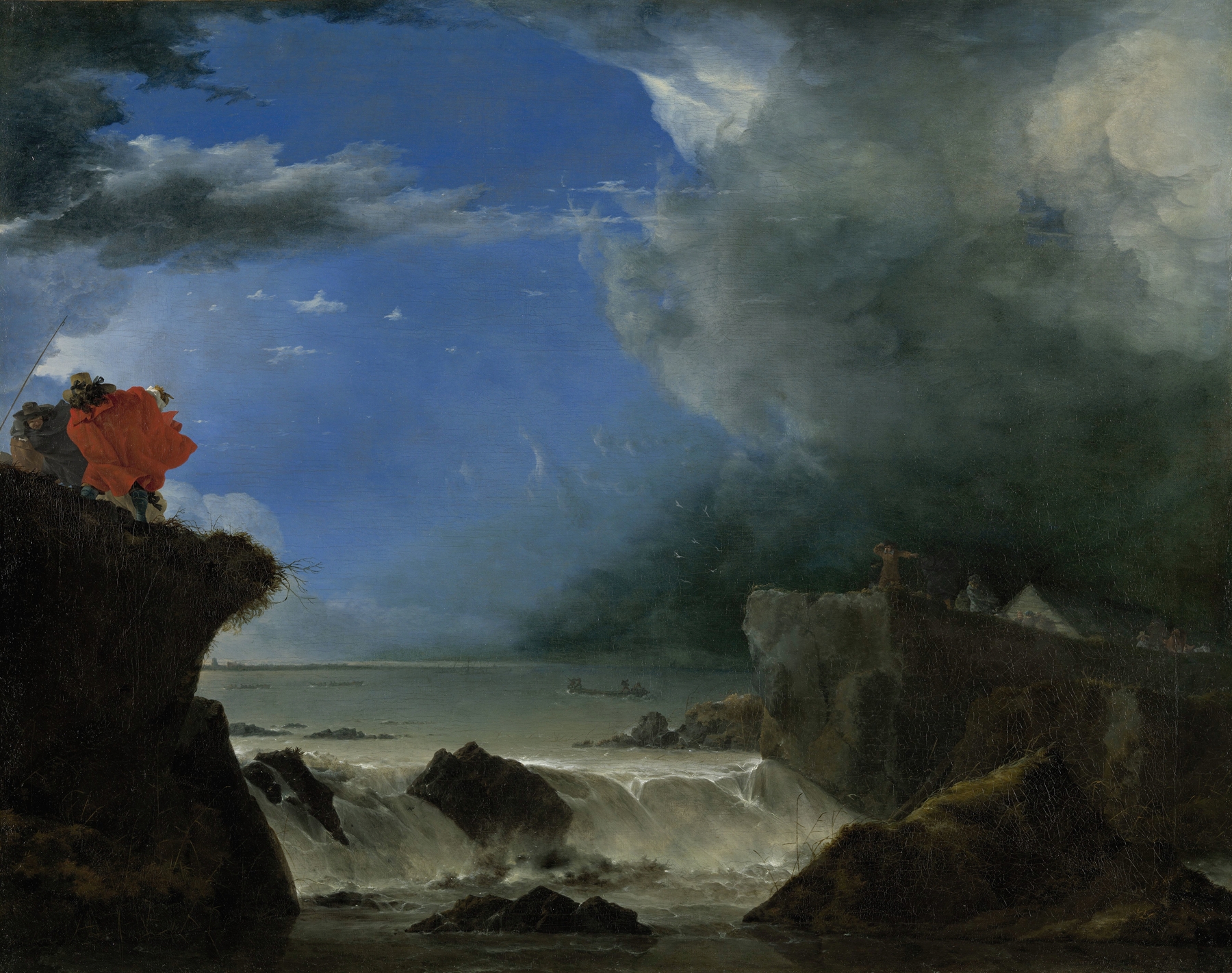
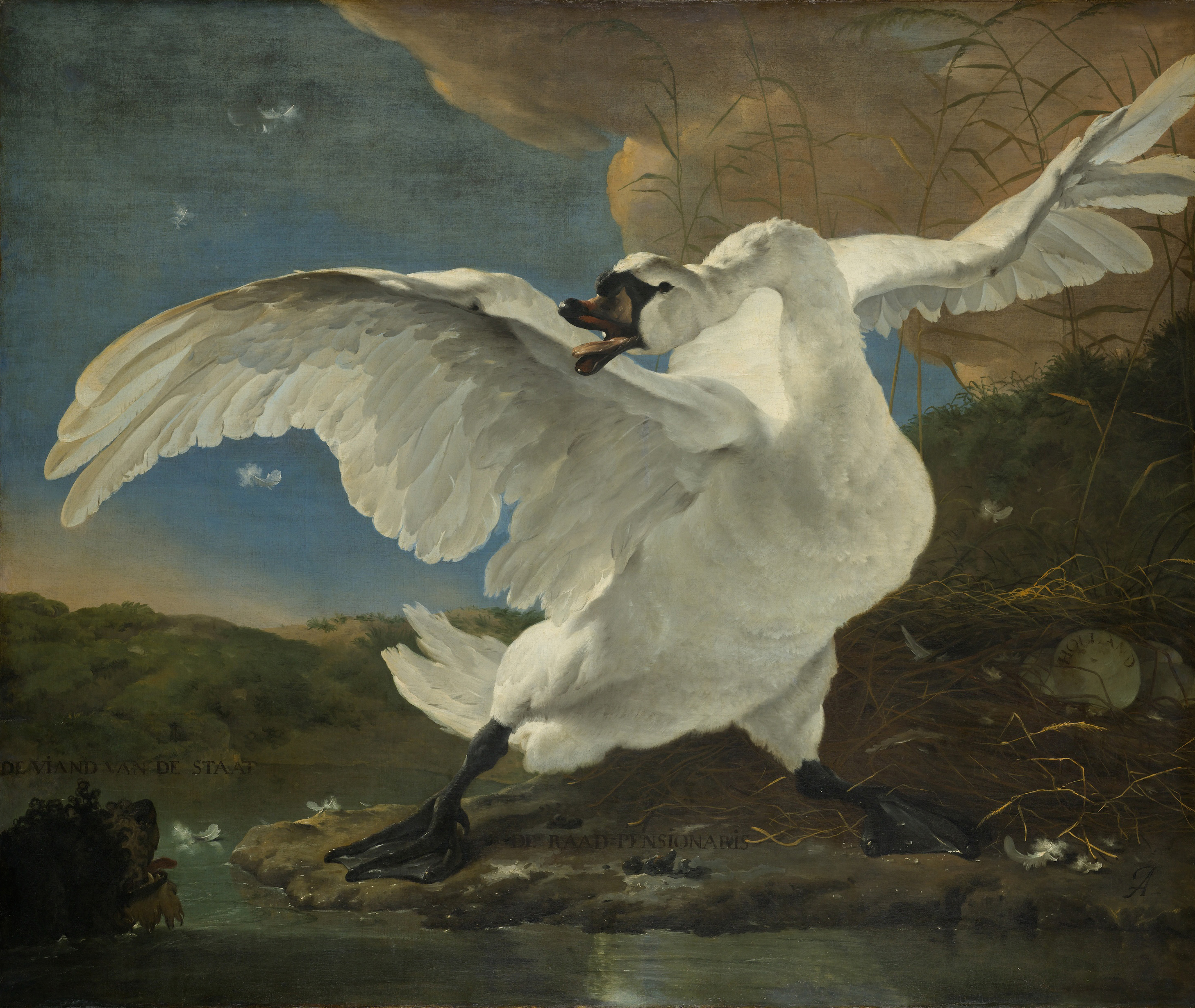
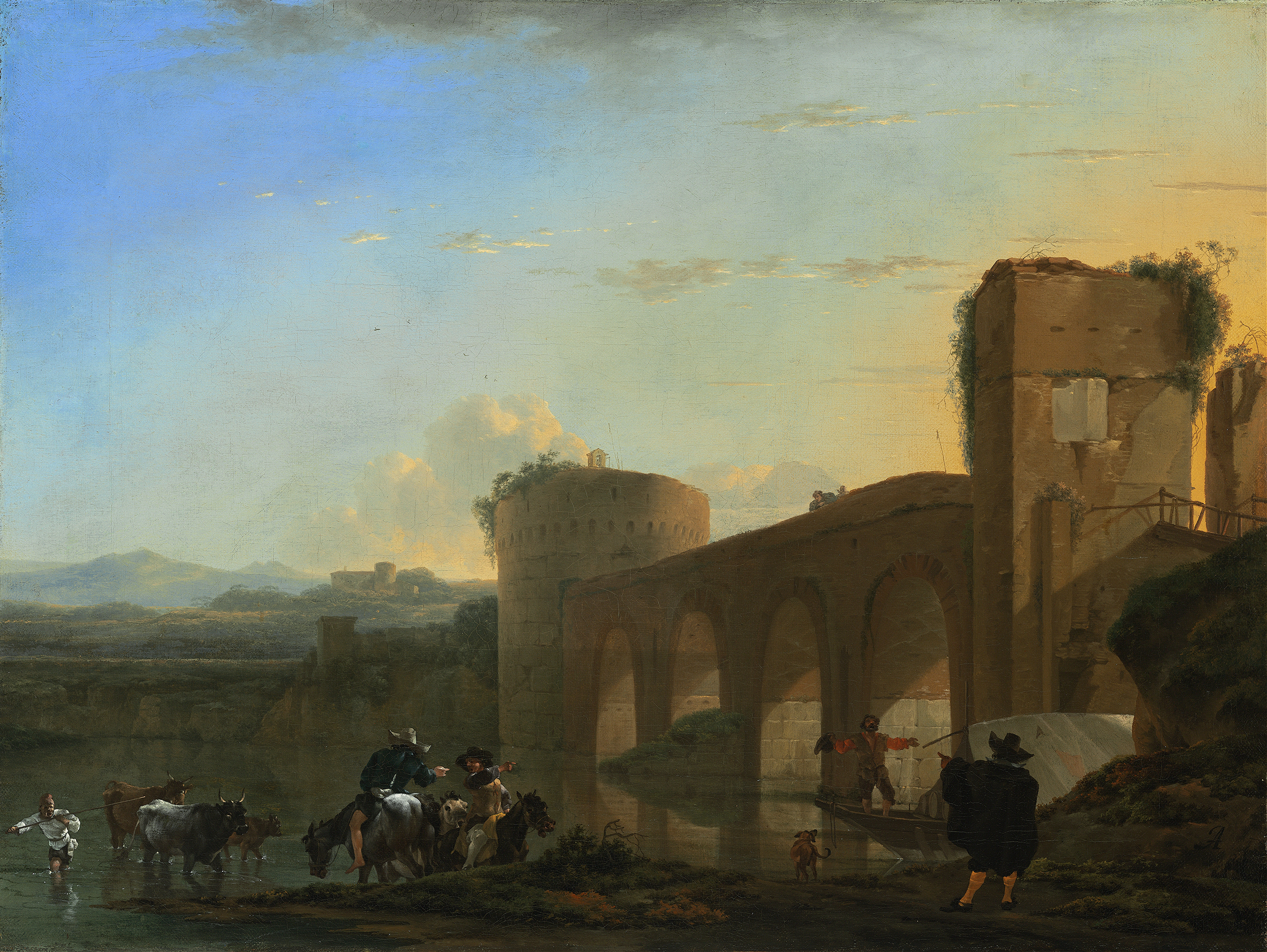
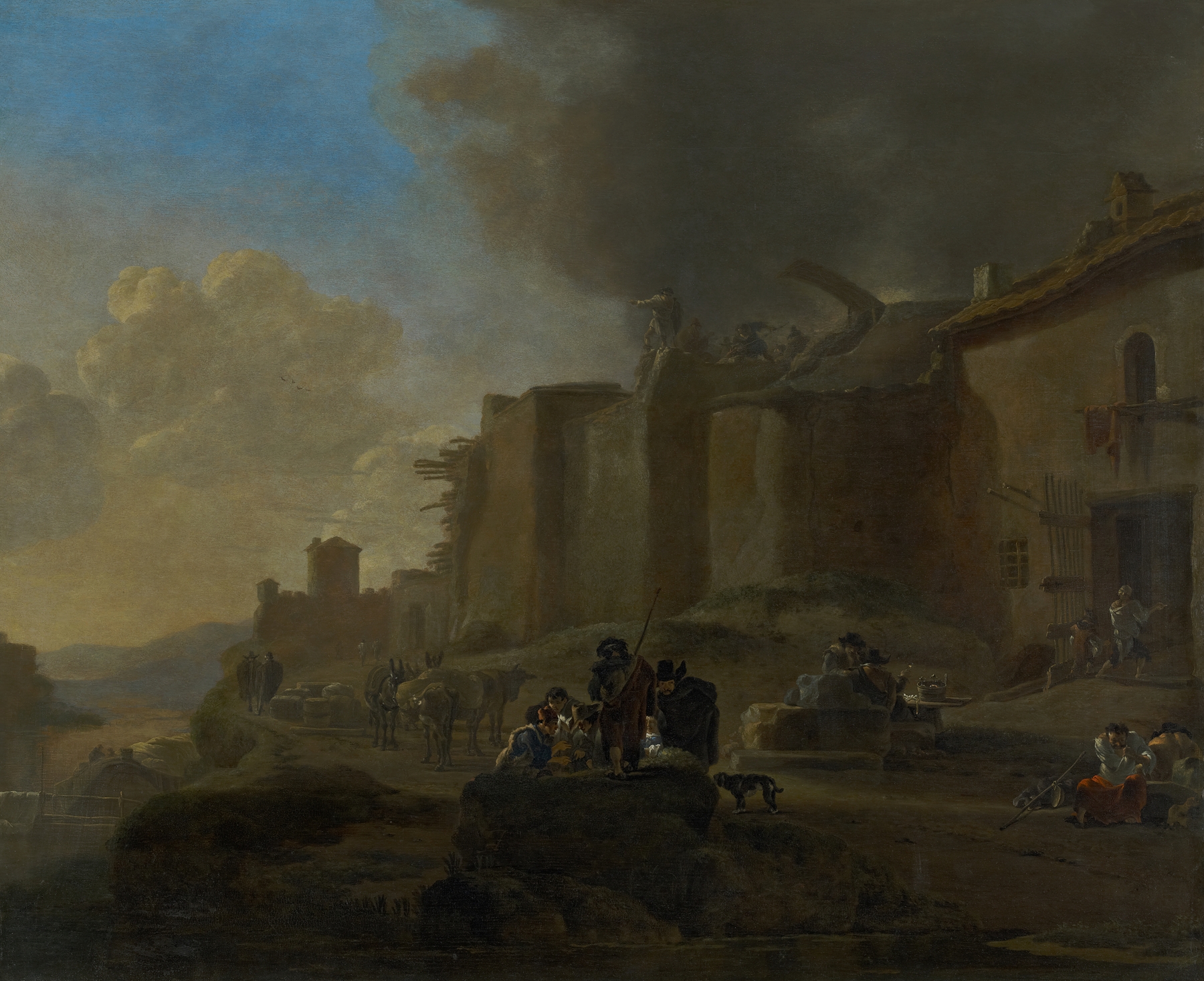
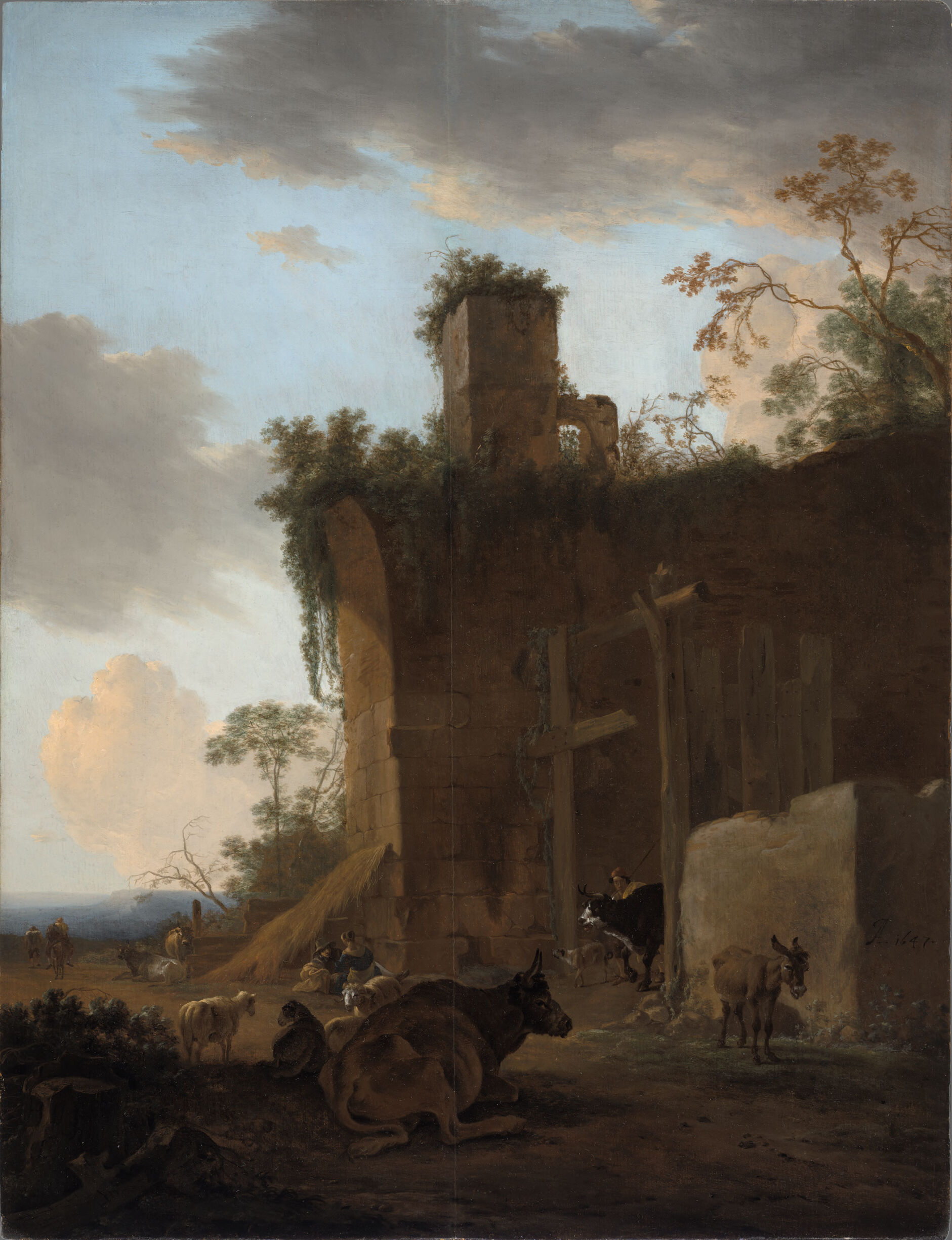
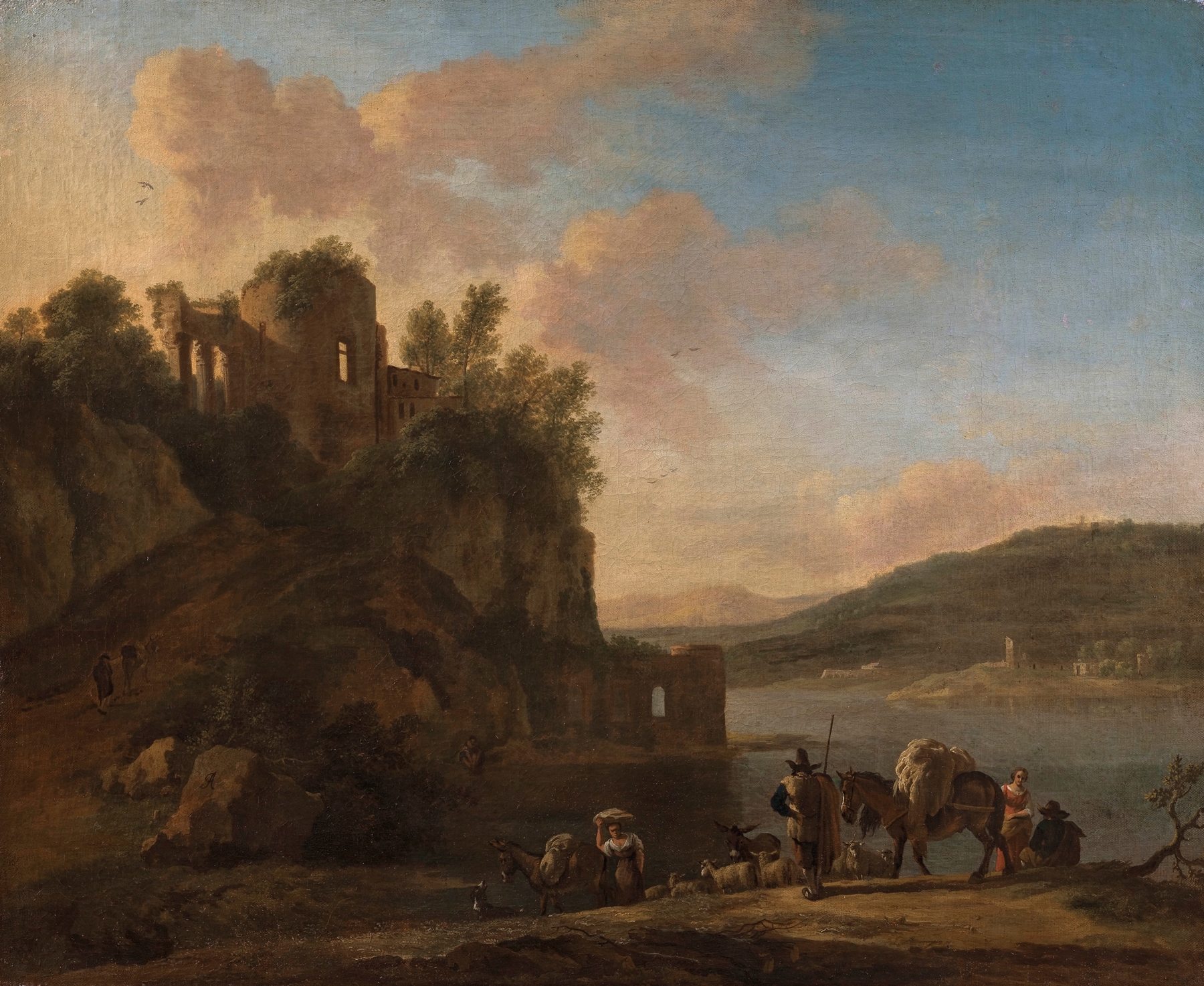
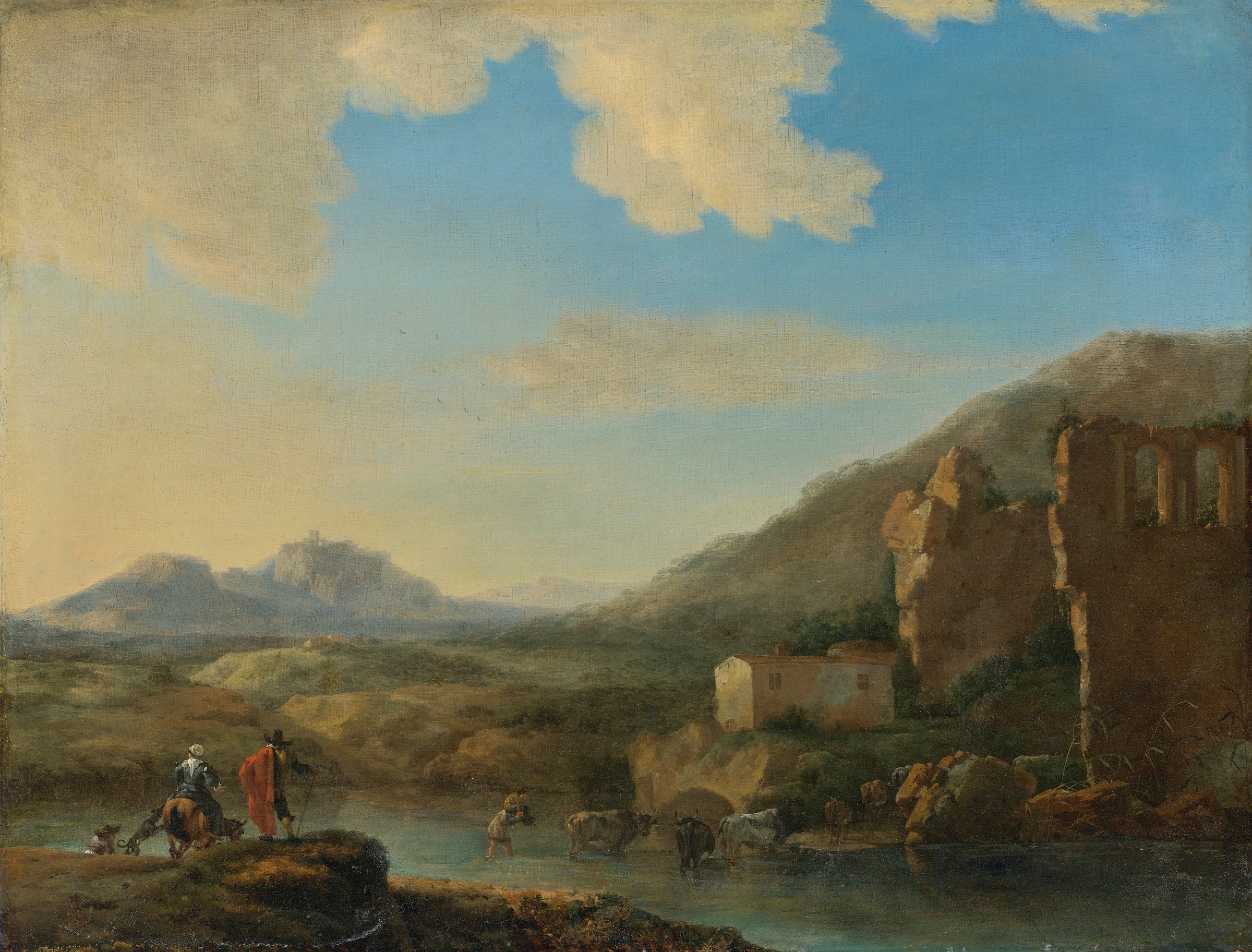
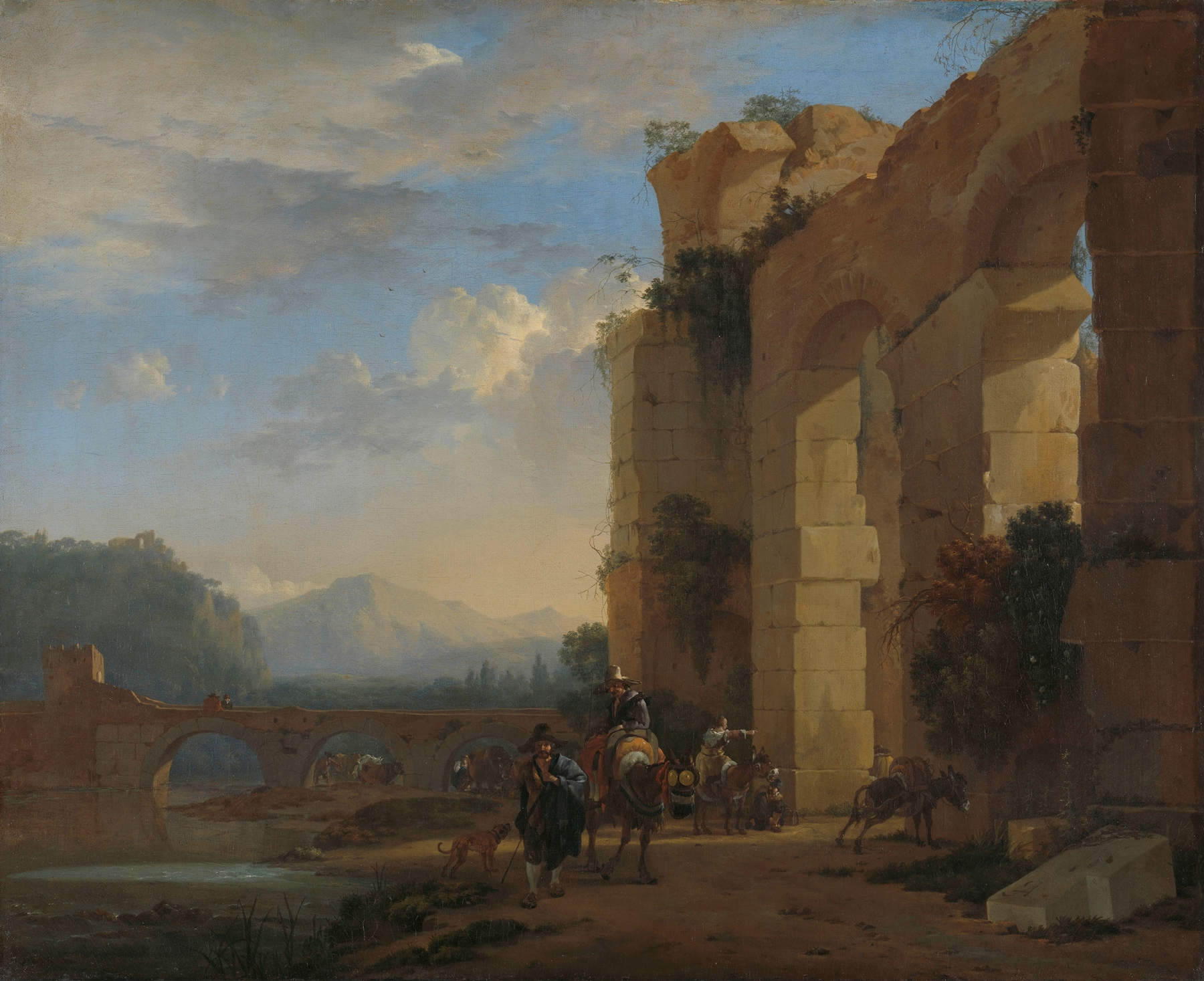
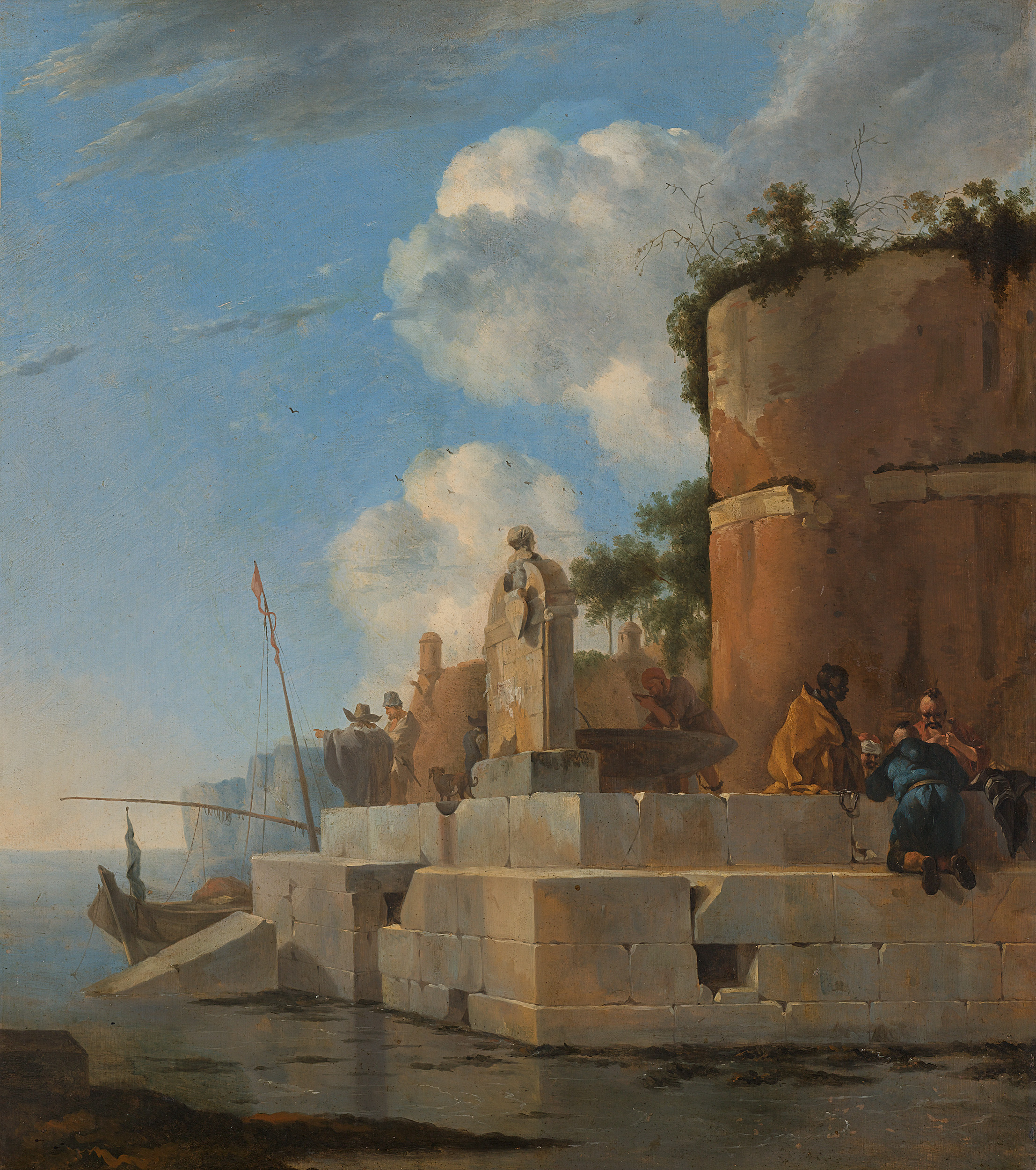
“Art reveals the soul when the world turns away.” This sentiment resonates powerfully within the intricate layers of obsession captured in a seemingly tranquil landscape. Through the ruins of an ancient coastal structure, we glimpse not just a scene, but an emotional labyrinth where nature and decay converge. Focus on the crumbling architecture to the left, where soft, muted tones of ochre and grey suggest the passage of time, while warm sunlight dances across the weathered stones. Notice how the waves crash energetically against the rocks in the foreground, their frothy white crests mirroring the vivacity of life itself.
The balance between decay and vitality creates a tension that invites the viewer to ponder what was lost and what remains, each brushstroke a whisper of history. Delve deeper into the painting's emotional complexity. The juxtaposition of the serene blue skies against the stark ruins evokes a sense of longing, urging us to reflect on the relentless march of time. The contrast between the gentle light illuminating the scene and the shadows lurking in the crevices hints at the obsessions that haunt the human spirit—memories and desires entwined within the remnants of the past.
Here, nature’s power to reclaim and the fragility of human endeavor coexist in a haunting dialogue. Jan Asselijn created this work between 1640 and 1652, during a period marked by an emerging interest in landscape painting. Living in Amsterdam amidst shifting artistic influences, he absorbed the dramatic landscapes of Italy, yet infused them with his own melancholic reflections on mortality and impermanence. In this moment, Asselijn contributed to the evolving narrative of art, capturing the delicate relationship between man and nature in a manner that resonates even today.