The Breach of the Saint Anthony’s Dike near Amsterdam — History & Analysis
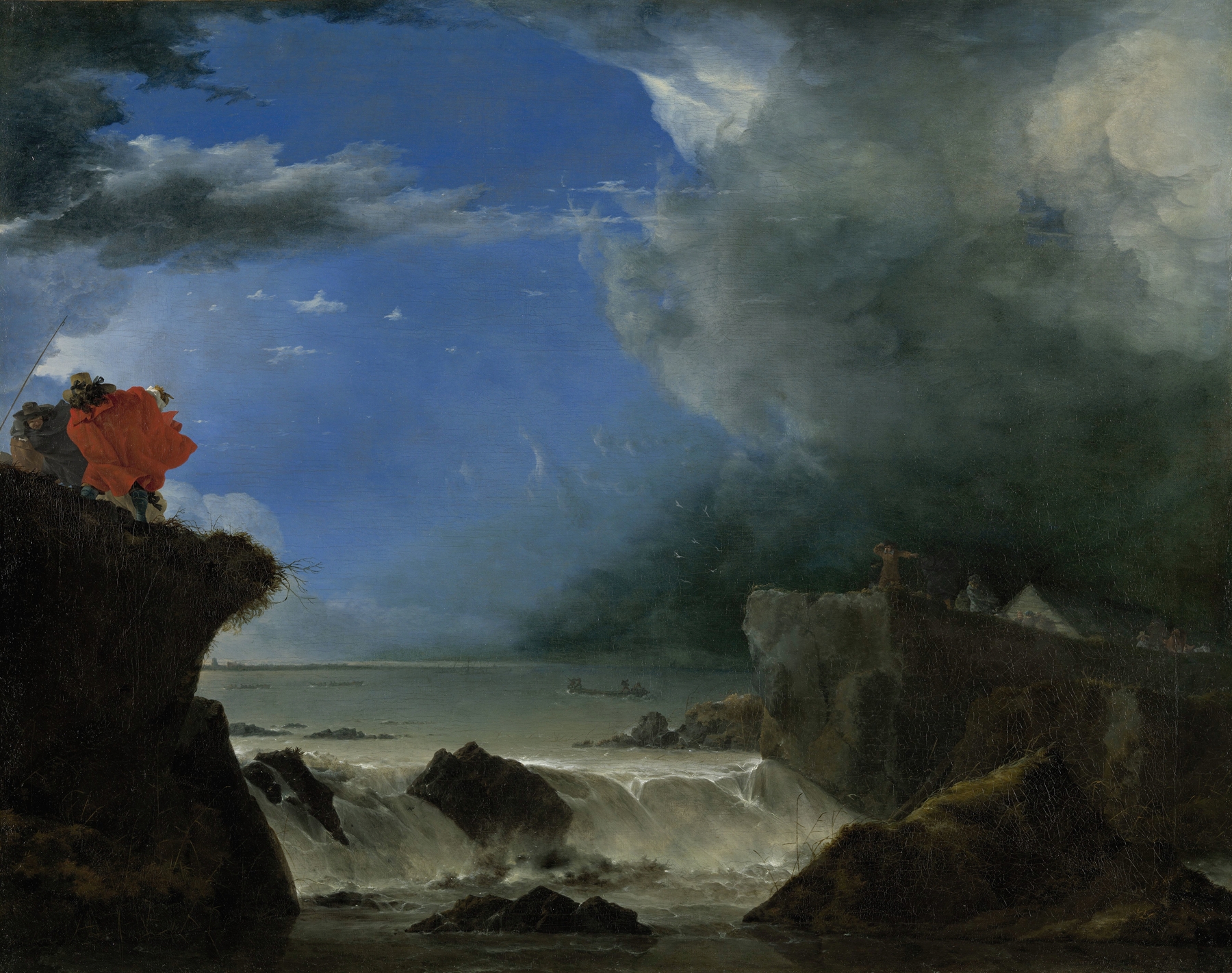
What if beauty was never meant to be finished? In the delicate dance between light and shadow, we find the essence of risk and resilience captured in fleeting moments. Look to the center of the canvas, where the tumultuous waters clash against the crumbling dike. The contrast between the dark, looming clouds and the vibrant hues of the sunlight filtering through creates a palpable tension. Notice how the artist masterfully uses dynamic brushstrokes to depict the frothy waves that threaten to breach the protective barrier, while the figures of the workers, caught in a struggle, exude a poignant determination.
Their forms are shadowed yet defined, encapsulating the raw emotion of desperation and urgency. Delve deeper into the subtleties of the painting, where the shadows play a crucial role in conveying meaning. The figures cast long shadows upon the ground, symbolizing the weight of their labor and fear, echoing the themes of sacrifice and vulnerability. The dike itself, a fragile line between safety and disaster, stands as a metaphor for the precarious balance of human ambition against the might of nature.
This tension between light and dark invites viewers to reflect on the transient beauty of life and the inevitability of change. Jan Asselijn created this piece in 1651, amid a backdrop of burgeoning artistic innovation in the Dutch Golden Age. At this time, he was establishing his reputation as a painter, focusing on landscapes and dramatic scenes that captured human struggle against nature. The political climate was marked by conflict and reclamation of land, mirroring the struggle depicted in this striking work, as artists sought to blend realism with emotional depth, forging a path that would influence generations to come.