Mountainous Landscape — History & Analysis
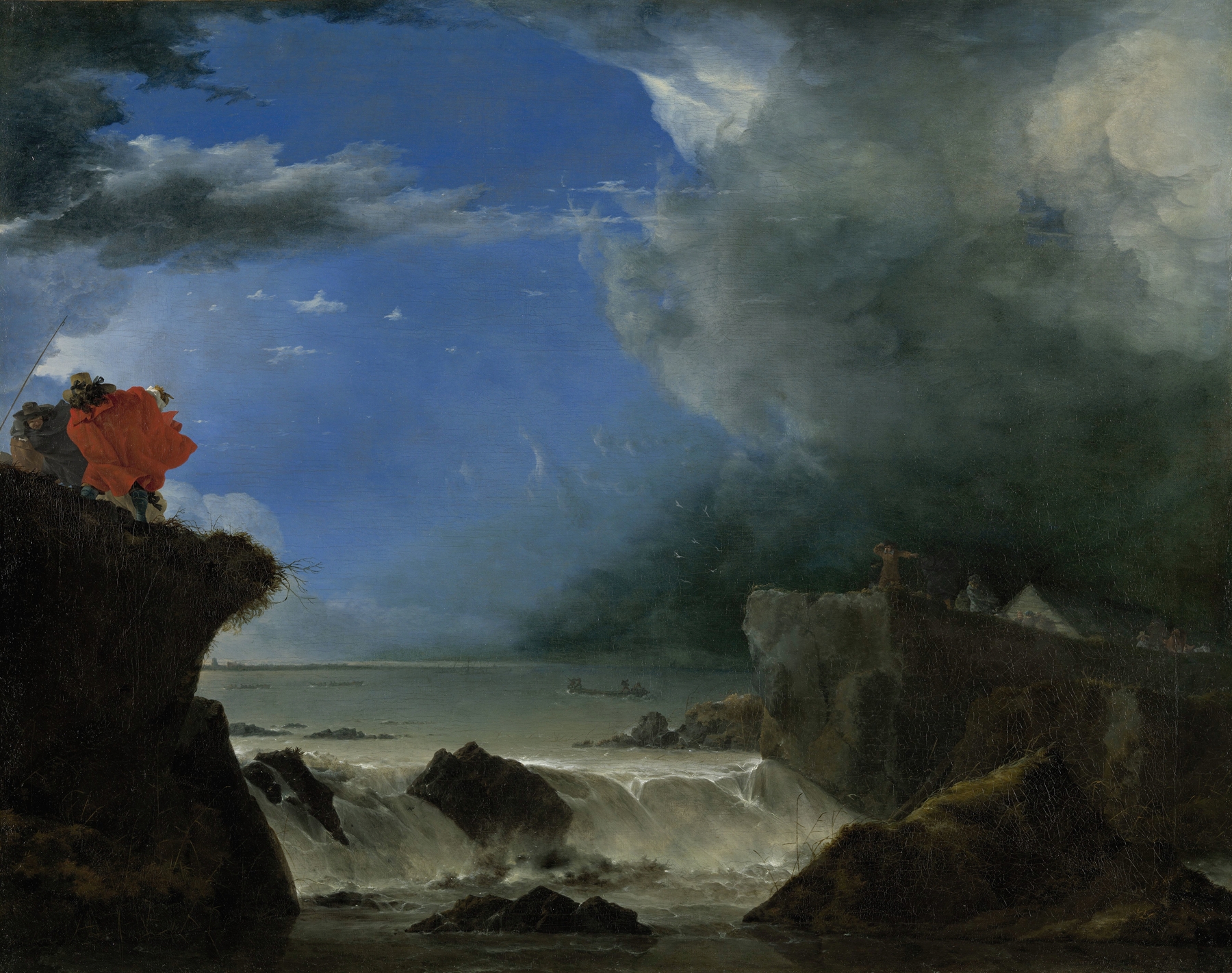
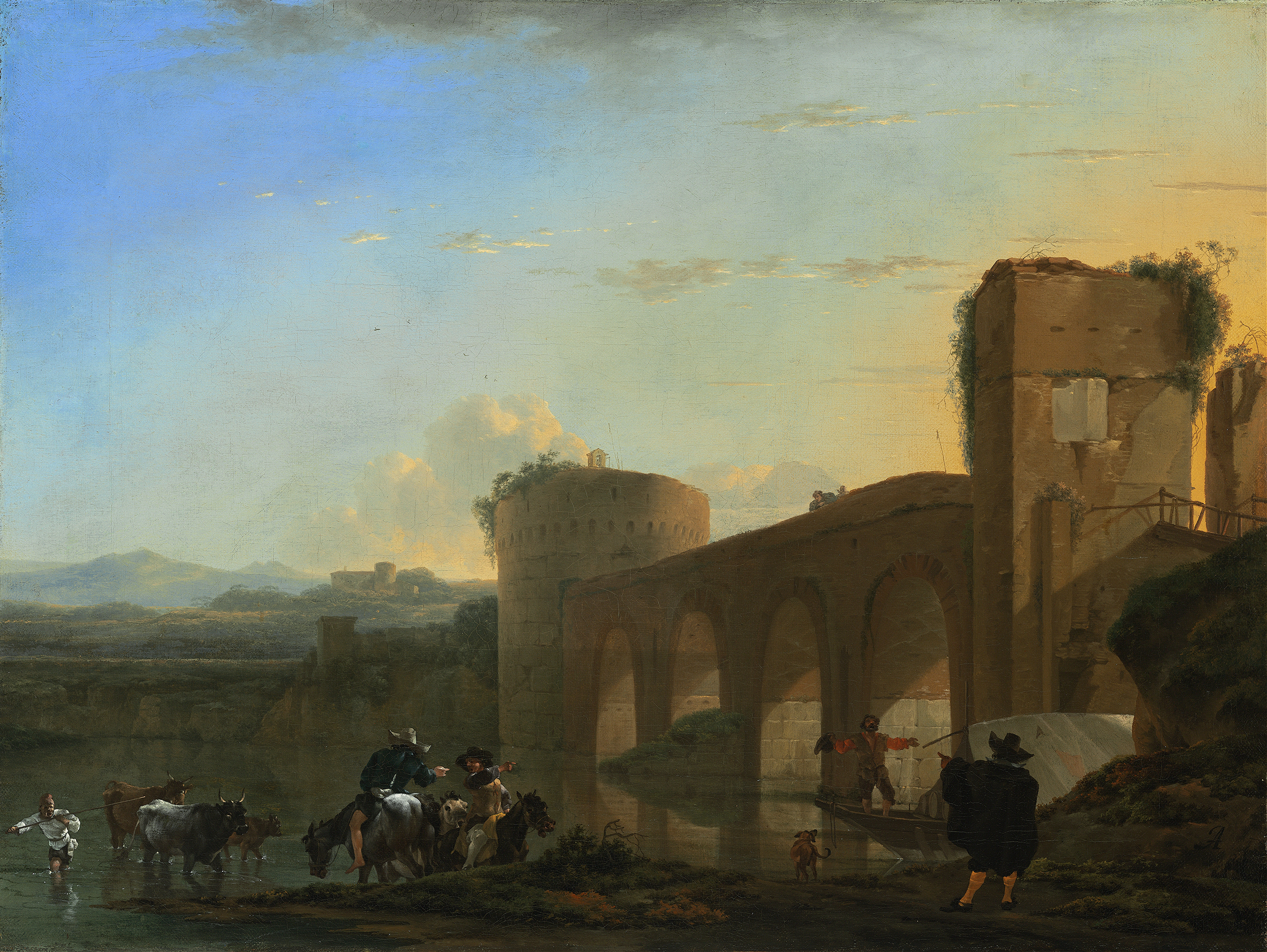
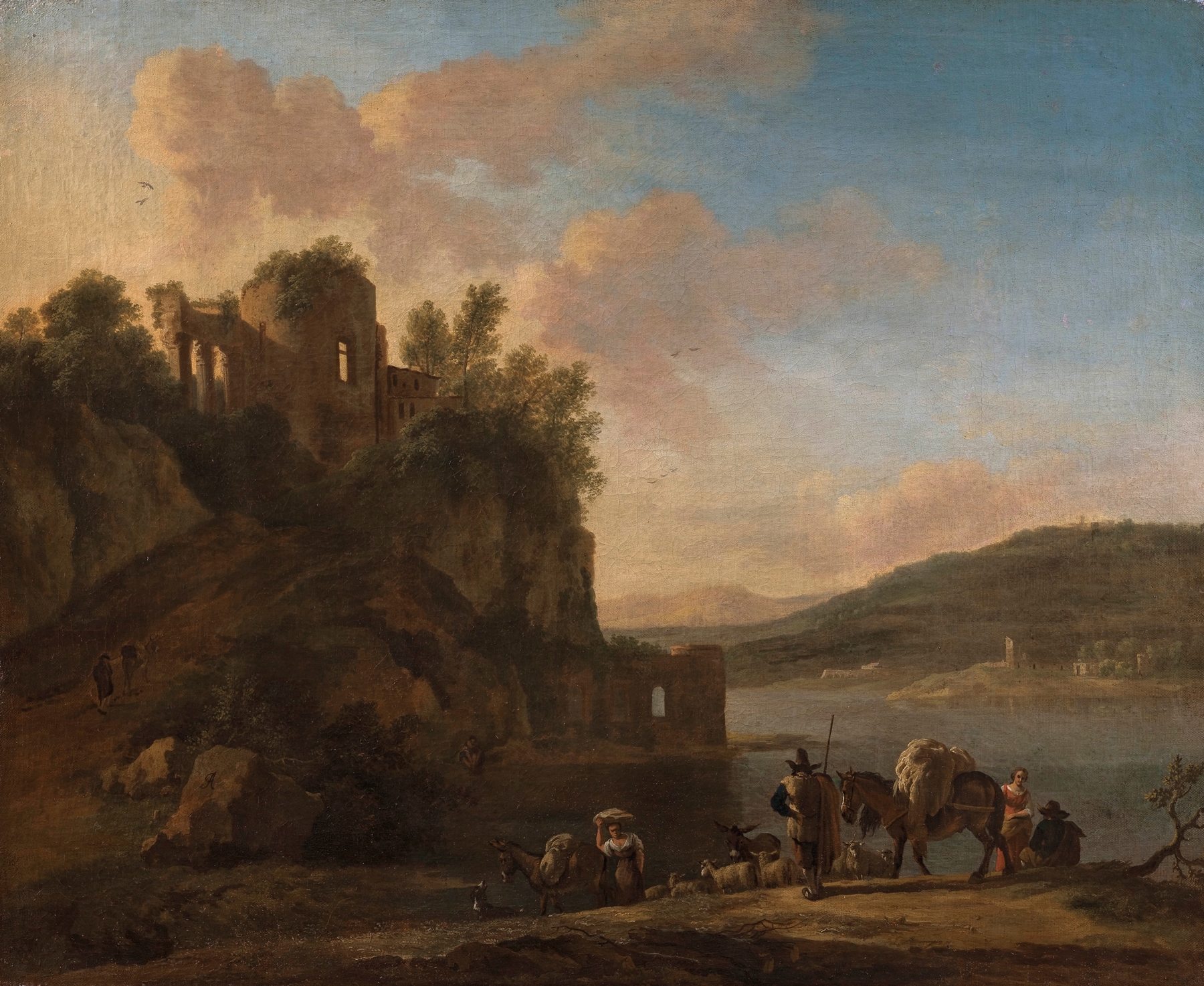
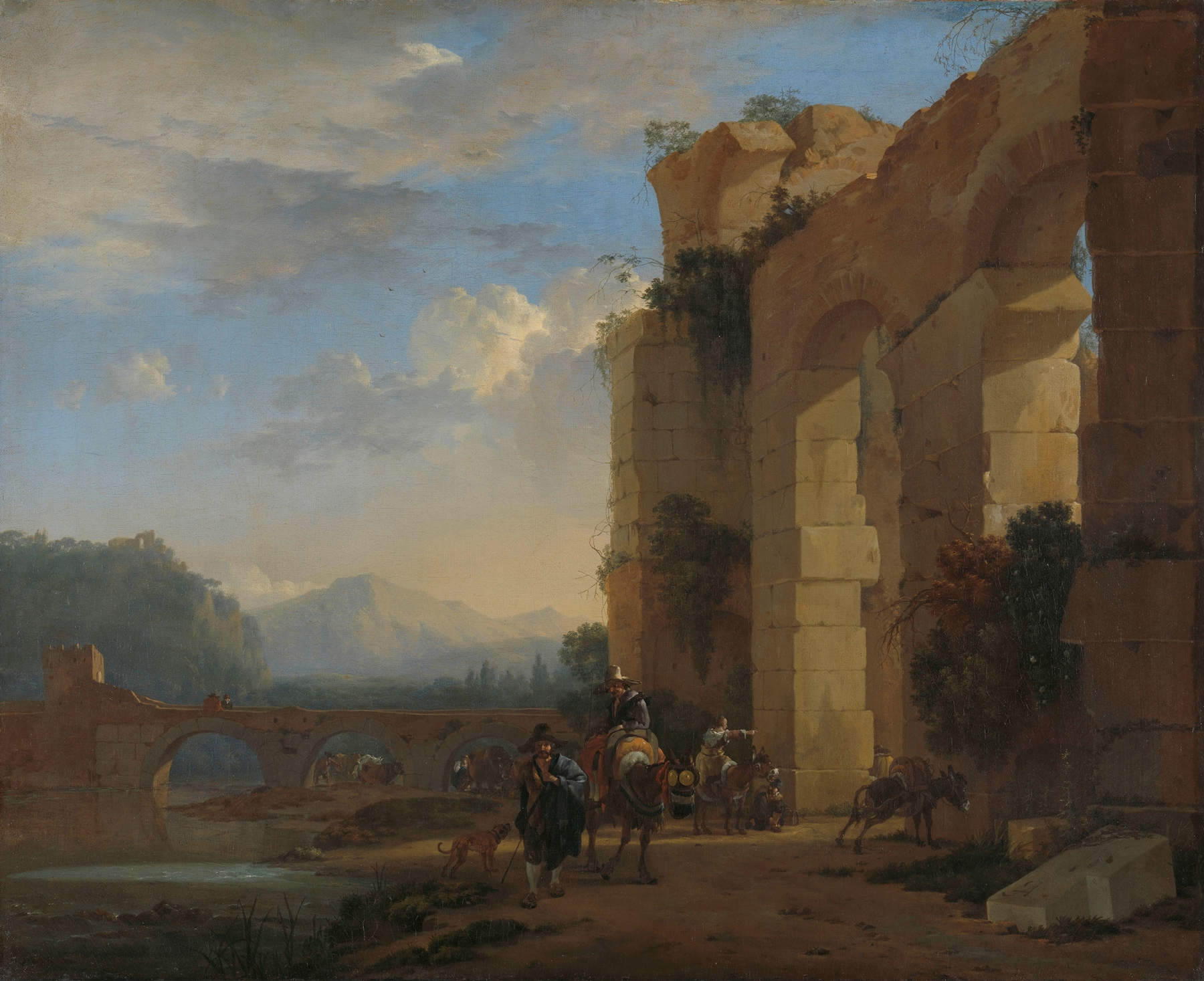
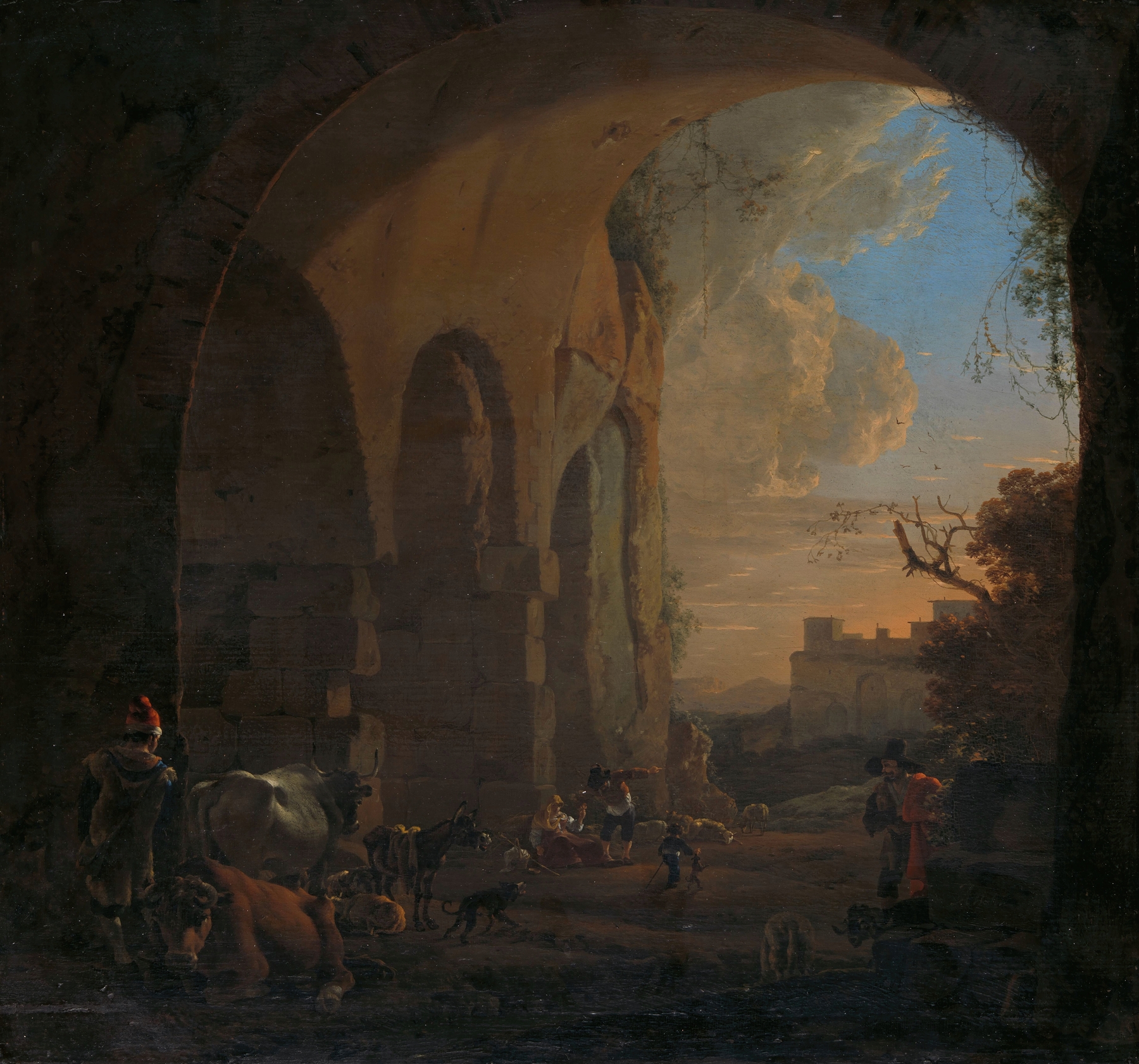
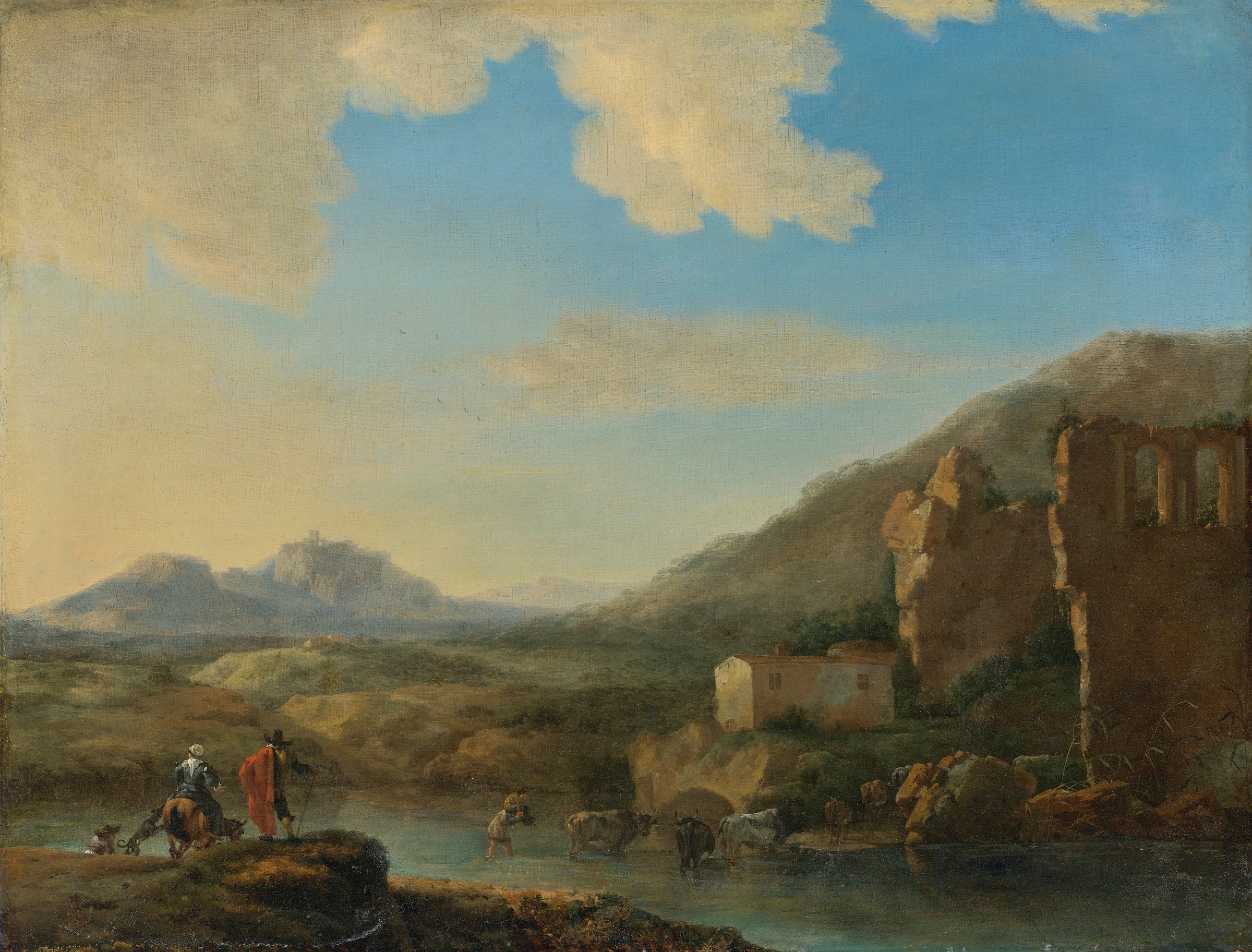
“To paint is to remember what time wants us to forget.” In the tranquil embrace of nature, Jan Asselijn captures a moment where the fragility of life meets the permanence of landscape. Look closely at the foreground, where a delicate stream winds its way through lush greenery. The soft hues of greens and blues contrast with the darker, rugged mountains in the background, inviting your gaze to travel across the canvas. Notice how the light dances across the water’s surface—each ripple reflecting a fleeting moment, echoing the fragile beauty inherent in nature.
The brushstrokes are both confident and gentle, revealing Asselijn's masterful touch and his understanding of the fleeting nature of time. Delve deeper, and you’ll find a juxtaposition of serenity and underlying tension within the harmony of the scene. The majestic mountains loom like ancient sentinels, their grandeur a reminder of the eternal, while the lush valley suggests softness and vulnerability. This contrast evokes a sense of nostalgia, inviting the viewer to ponder the passage of time and the fragility of the world around us, captured in a single moment of stillness.
Asselijn painted this work during the mid-17th century, a time of personal and artistic transformation. Living in the Netherlands, he was influenced by the burgeoning landscape genre, which sought to render nature with a newfound emphasis on emotion and atmosphere. The art world was shifting, embracing realism and detail, yet Asselijn's brush remained imbued with the delicate threads of memory and impermanence.