A cottage with peasants milking goats — History & Analysis
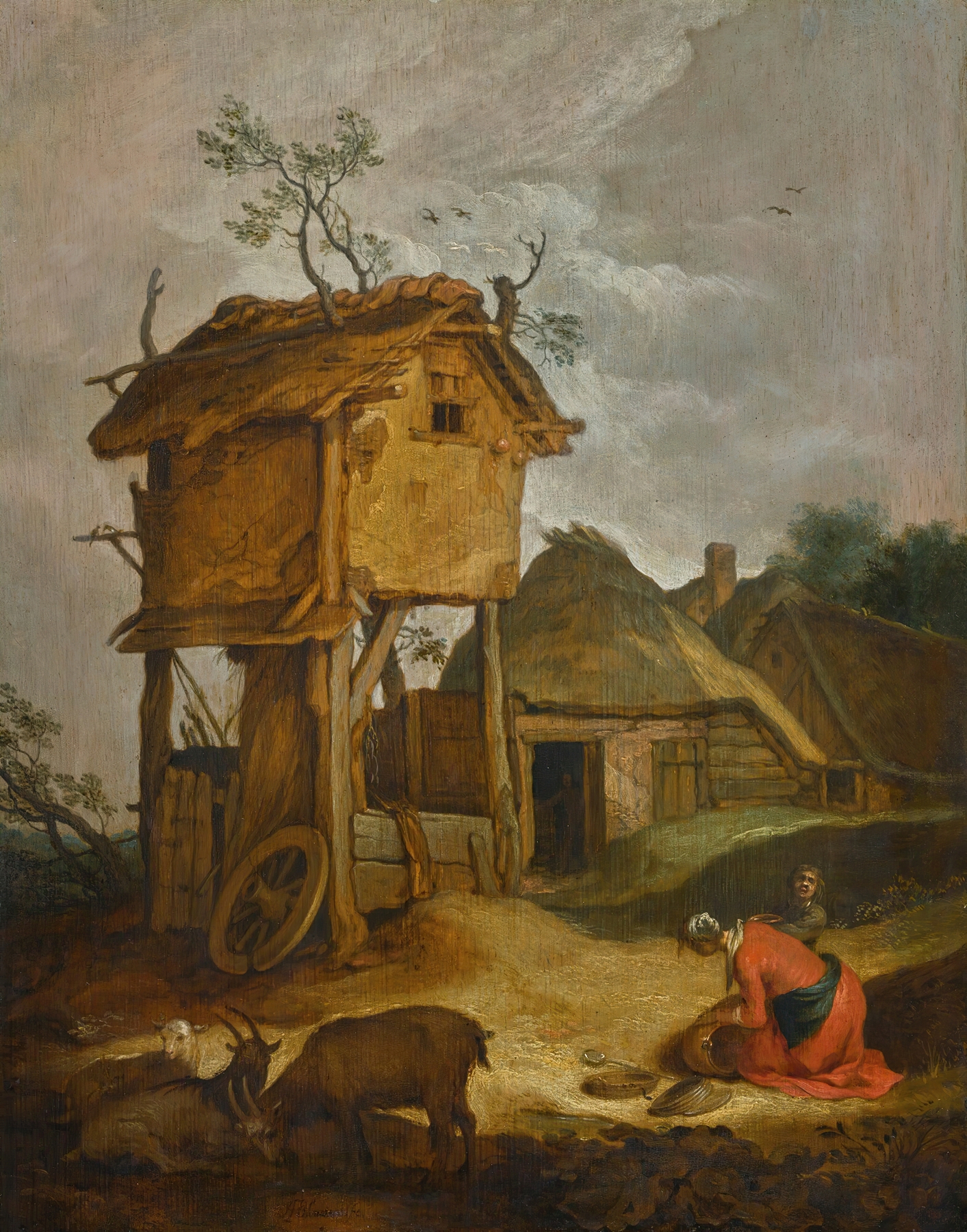
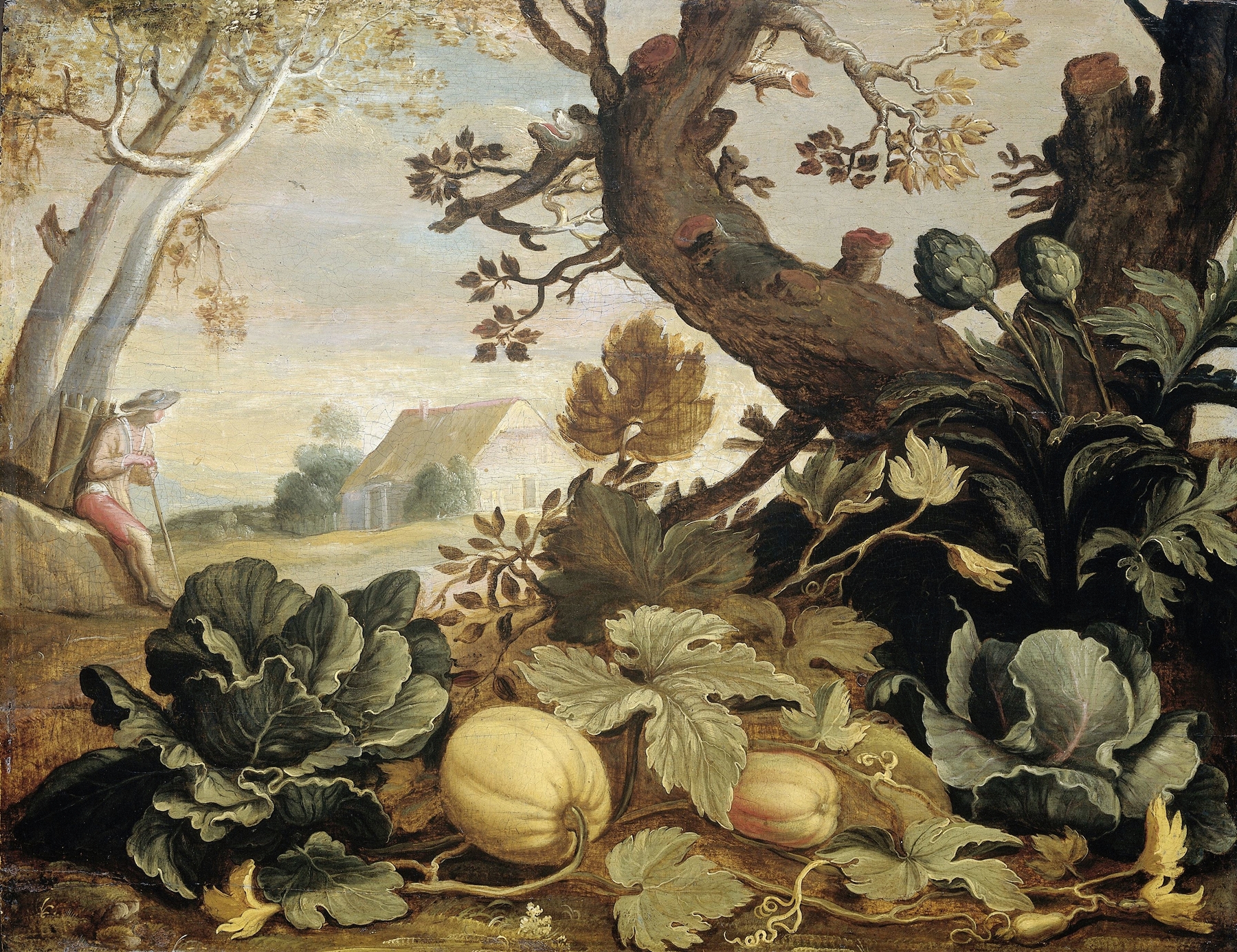
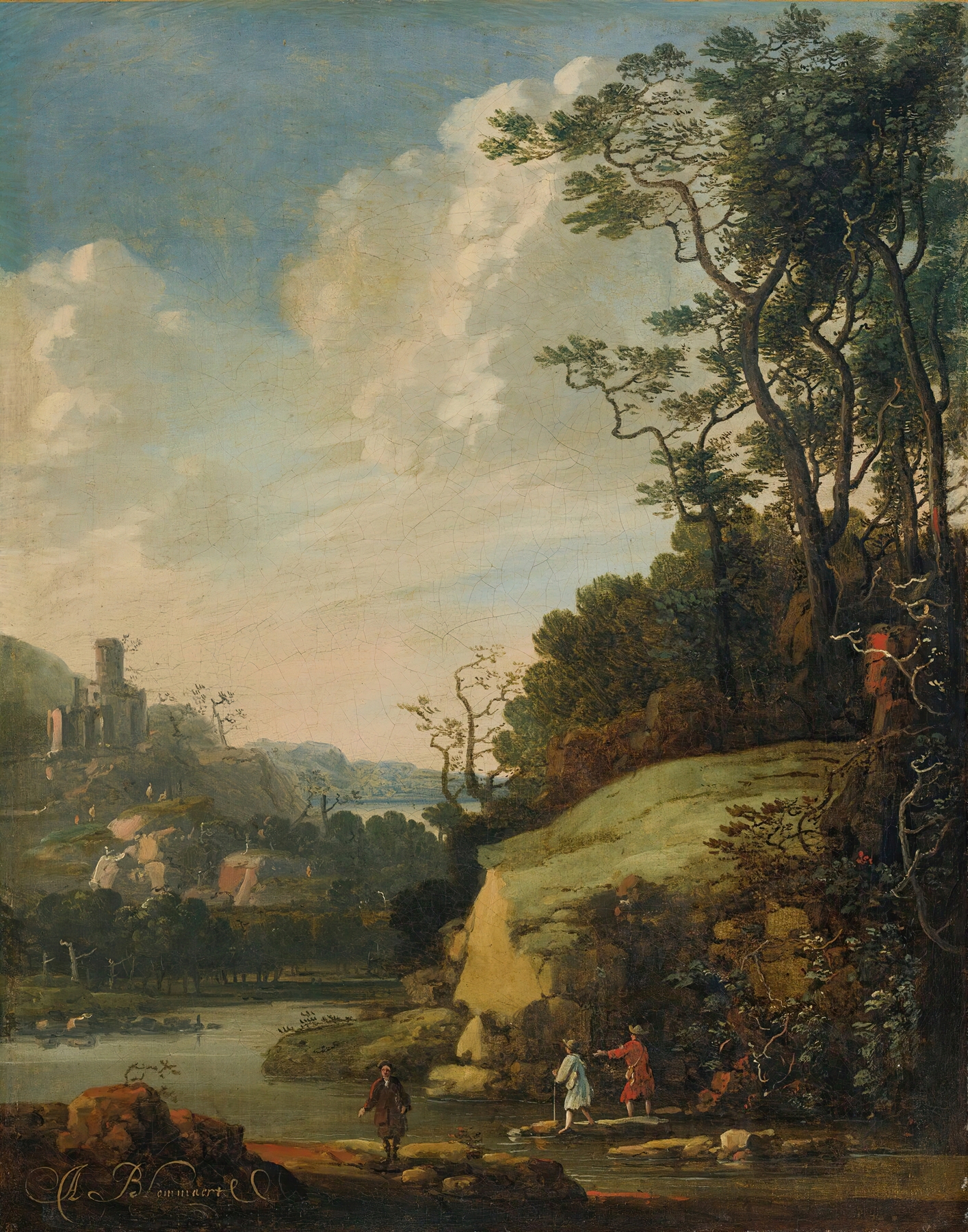
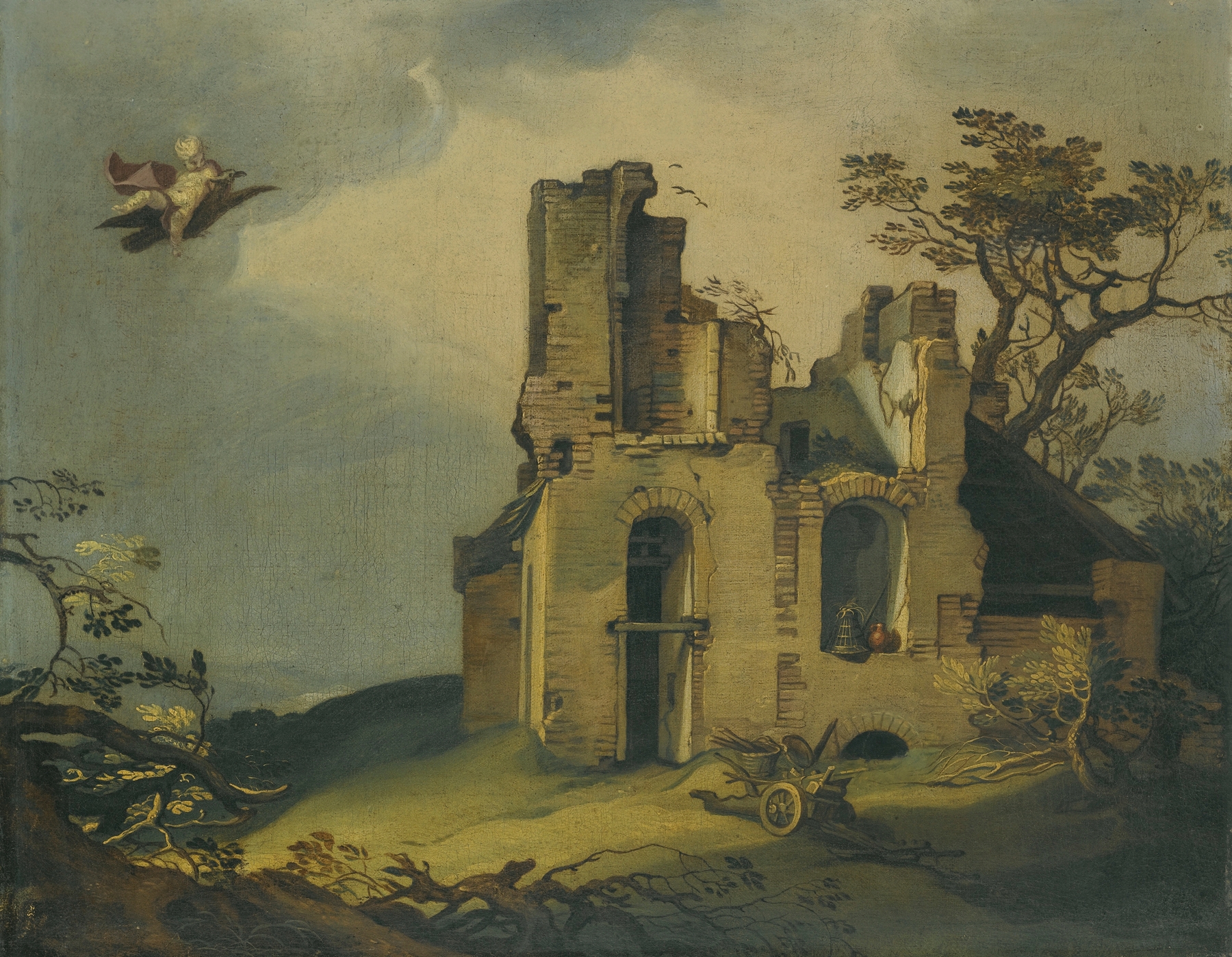
When did color learn to lie? In a world where the mundane meets the extraordinary, this painting reveals a quiet revolution beneath its vibrant surface. It beckons us to ponder the layers of reality and illusion, inviting deeper introspection. Look to the left at the cottage, its thatched roof exuding a comforting warmth amidst the cool hues of the surrounding earth. Notice the soft golden light that spills into the scene, illuminating the peasants as they engage in their daily labor, milking goats with practiced ease.
The palette is rich, with deep greens and browns grounding the composition, while splashes of white in the goats’ fur and the peasants’ attire create a dynamic interplay of light and shadow. Each brushstroke seems to breathe life into the moment, capturing not just the action but the essence of rural existence. In this bucolic tableau, the contrast between the laborers and their surroundings speaks volumes. The serenity in their expressions contrasts sharply with the industriousness of their task, suggesting a hidden tension between the beauty of simplicity and the weight of their labor. The goats, too, embody this duality, appearing both nurturing and demanding, reflecting the complex relationship humans hold with nature.
Here, Bloemaert seems to argue that even in the everyday, there lies a subtle revolution—a transformation of color and form that elevates the ordinary. Created in 1620 during a time of artistic innovation in the Dutch Golden Age, the work emerged when artists began to explore everyday life with newfound reverence. Bloemaert, based in Utrecht, was influenced by the flourishing genre of still life and landscape painting that celebrated domestic scenes and rustic themes. This period marked a significant shift in art's role, emphasizing not just beauty, but the intimate and often overlooked narratives of daily existence.