Lot en zijn dochters — History & Analysis
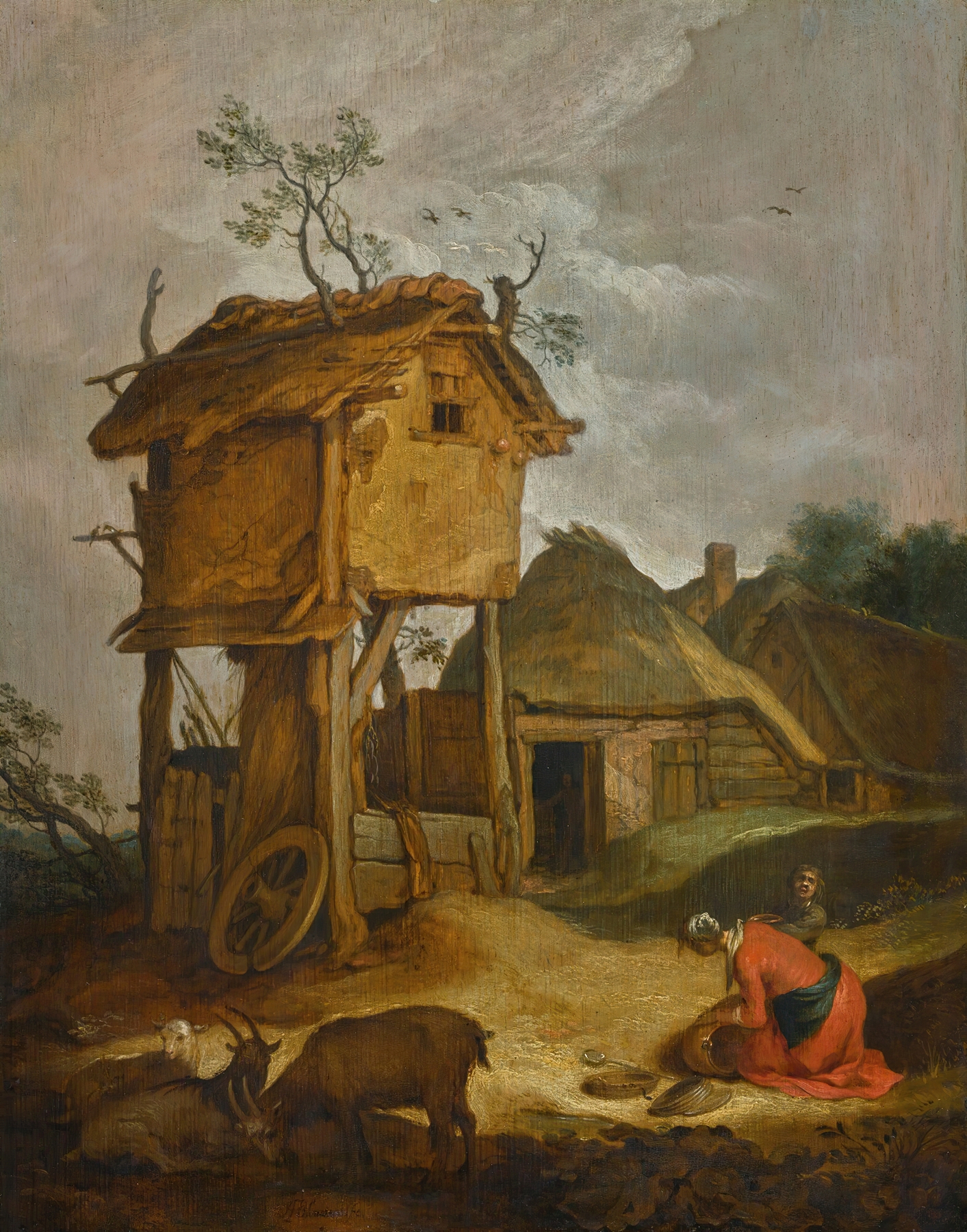
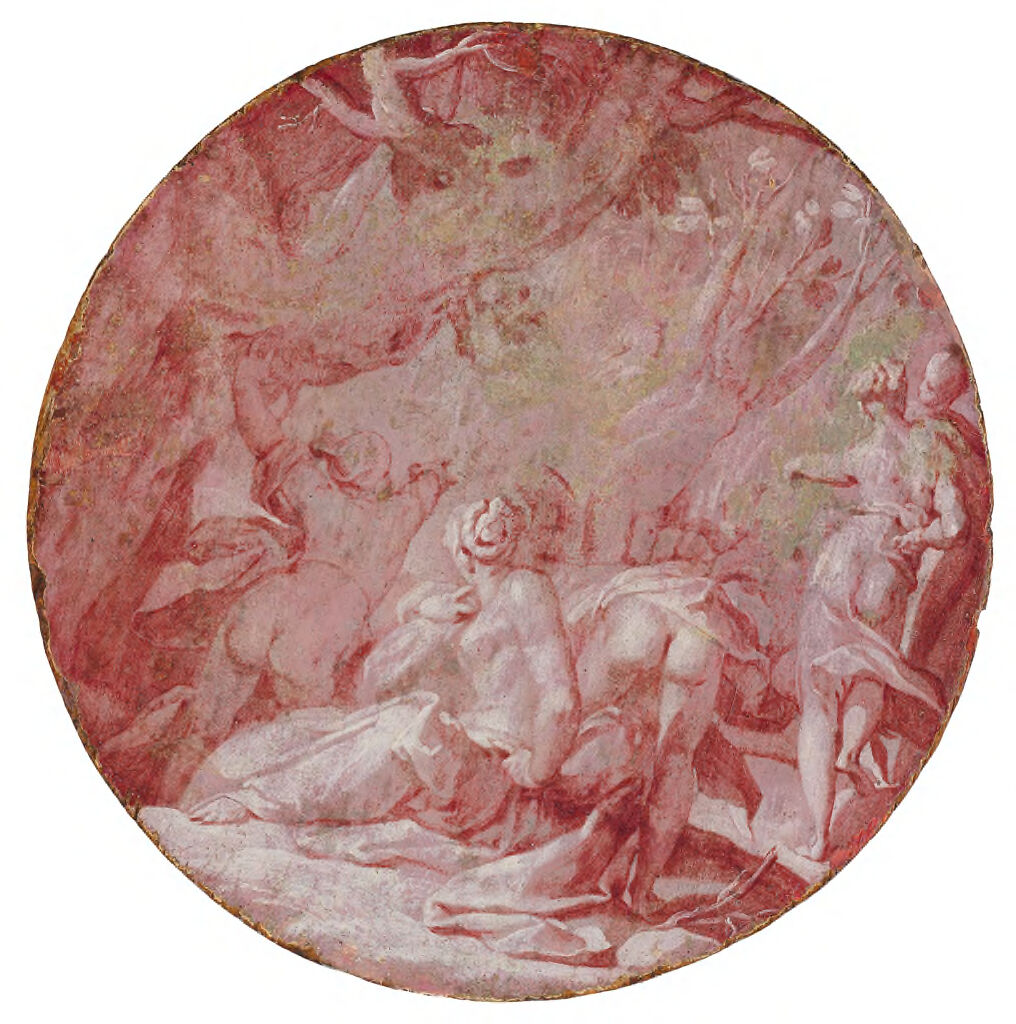
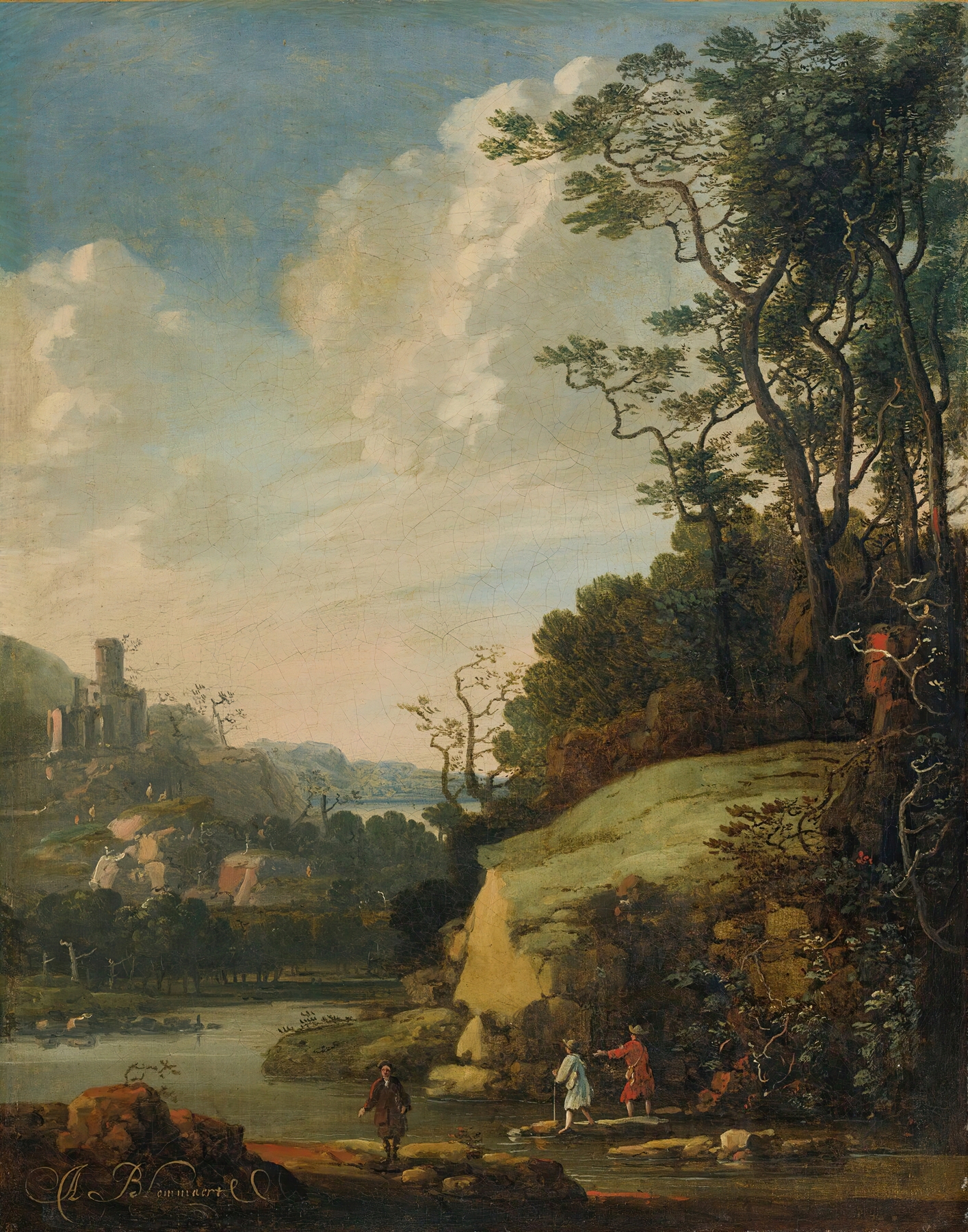
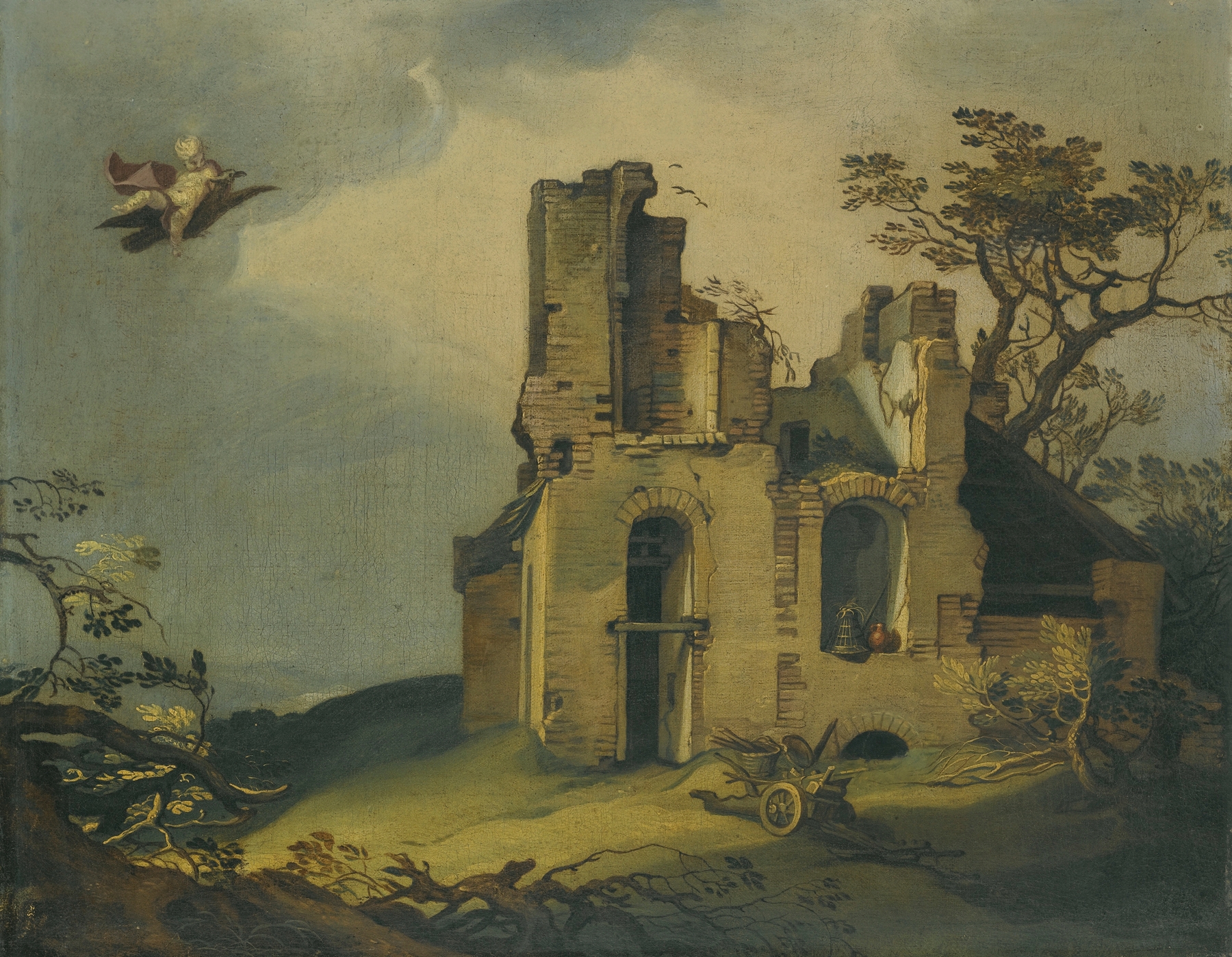
Where does light end, and longing begin? In the delicate interplay of shadow and illumination lies the essence of human emotion, echoing the depths of grief and longing intertwined in our lives. Look to the left at the towering figure of Lot, framed against a backdrop of stormy skies that foreshadow the tumultuous fate awaiting him and his daughters. The artist’s deft brushwork captures the tension in Lot’s expression, a mixture of resignation and protectiveness. Notice how the light falls upon the daughters’ faces, accentuating their vulnerability, while the darker hues envelop their surroundings, embodying the encroaching doom of Sodom and Gomorrah.
Every detail — from the craggy stones at their feet to the swirling clouds above — contributes to an ominous yet poignant atmosphere. Delving deeper, one might observe the contrasts between the figures’ postures. The daughters, clinging to each other, embody a blend of fear and hope, as their father stands apart, a reluctant protector amid chaos. Their intertwined hands suggest a bond that defies the dire circumstances, while Lot’s gaze, staring into the distance, hints at the burden of impending loss.
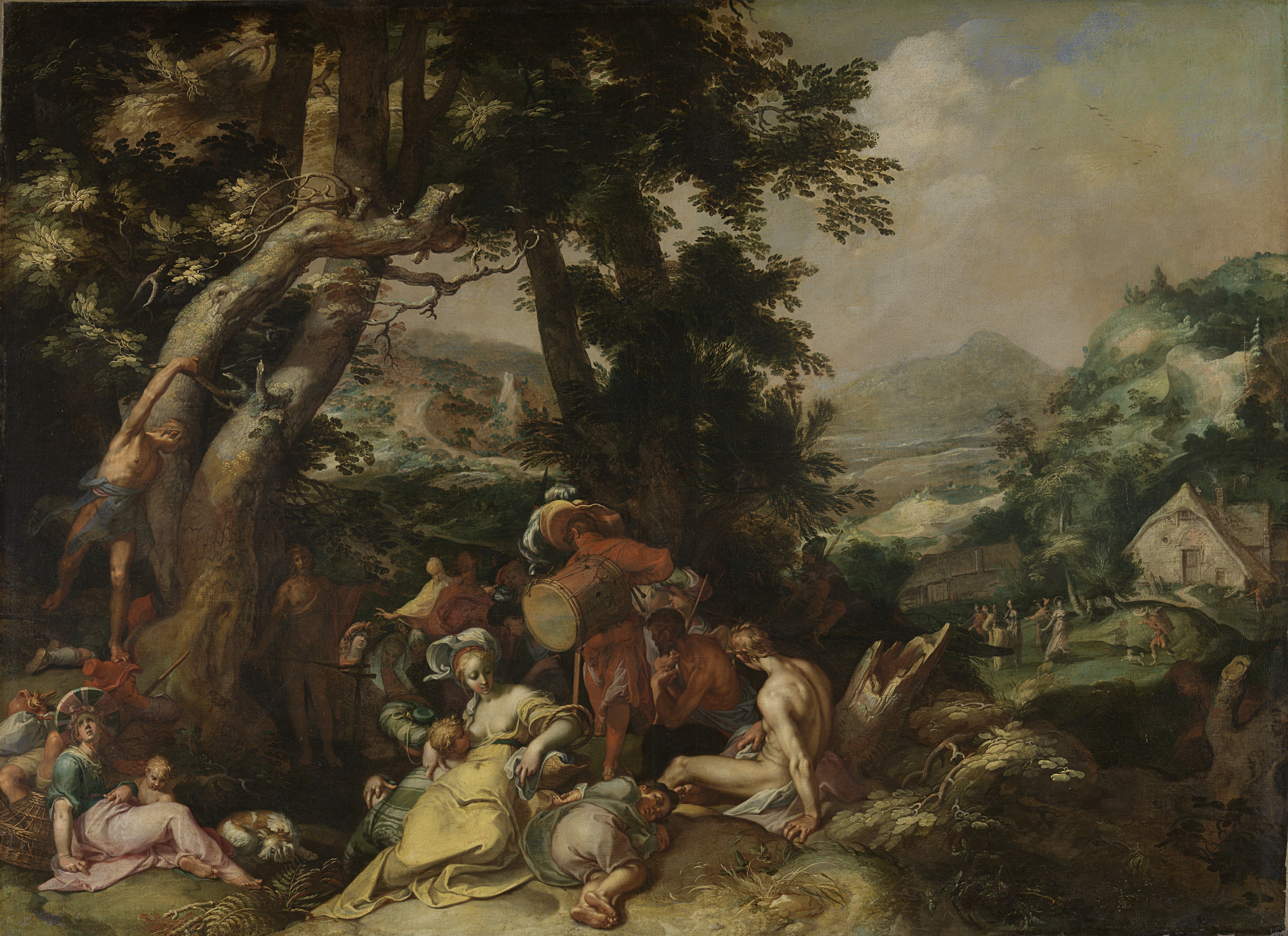
This tension reveals not only familial bonds but also the broader themes of sacrifice and survival in the face of despair. Created between 1640 and 1651, this work emerged during a period of great change in the art world, as artists like Bloemaert navigated the transition from the Renaissance to the Baroque. Living in Utrecht, he found himself surrounded by a vibrant community of painters who explored dramatic lighting and emotional depth. This piece reflects both the personal strife of its characters and the broader cultural shifts of its time, capturing a moment that resonates with the complexities of human experience.