A Landscape With Ruins, With The Rape Of Ganymede — History & Analysis
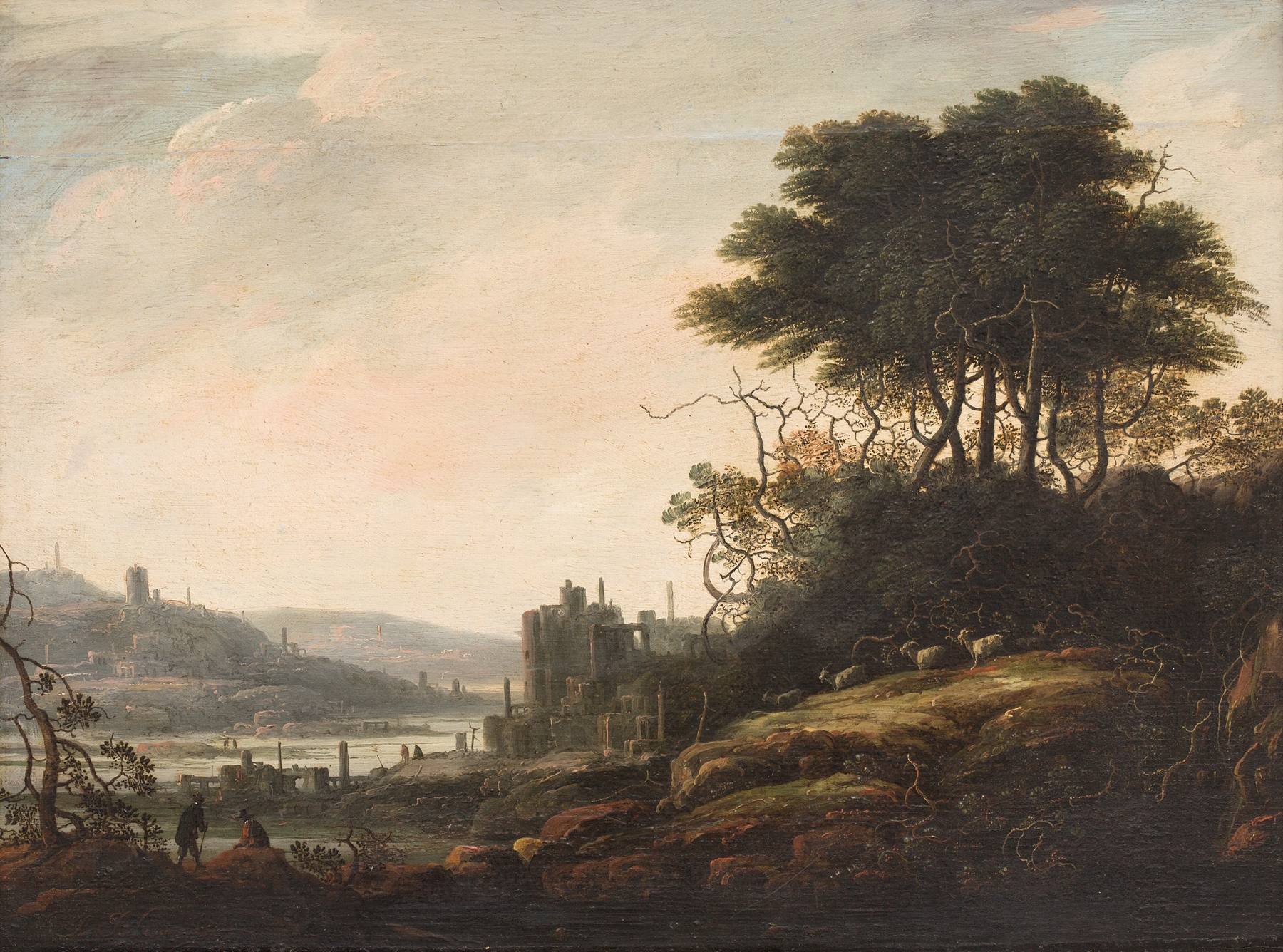
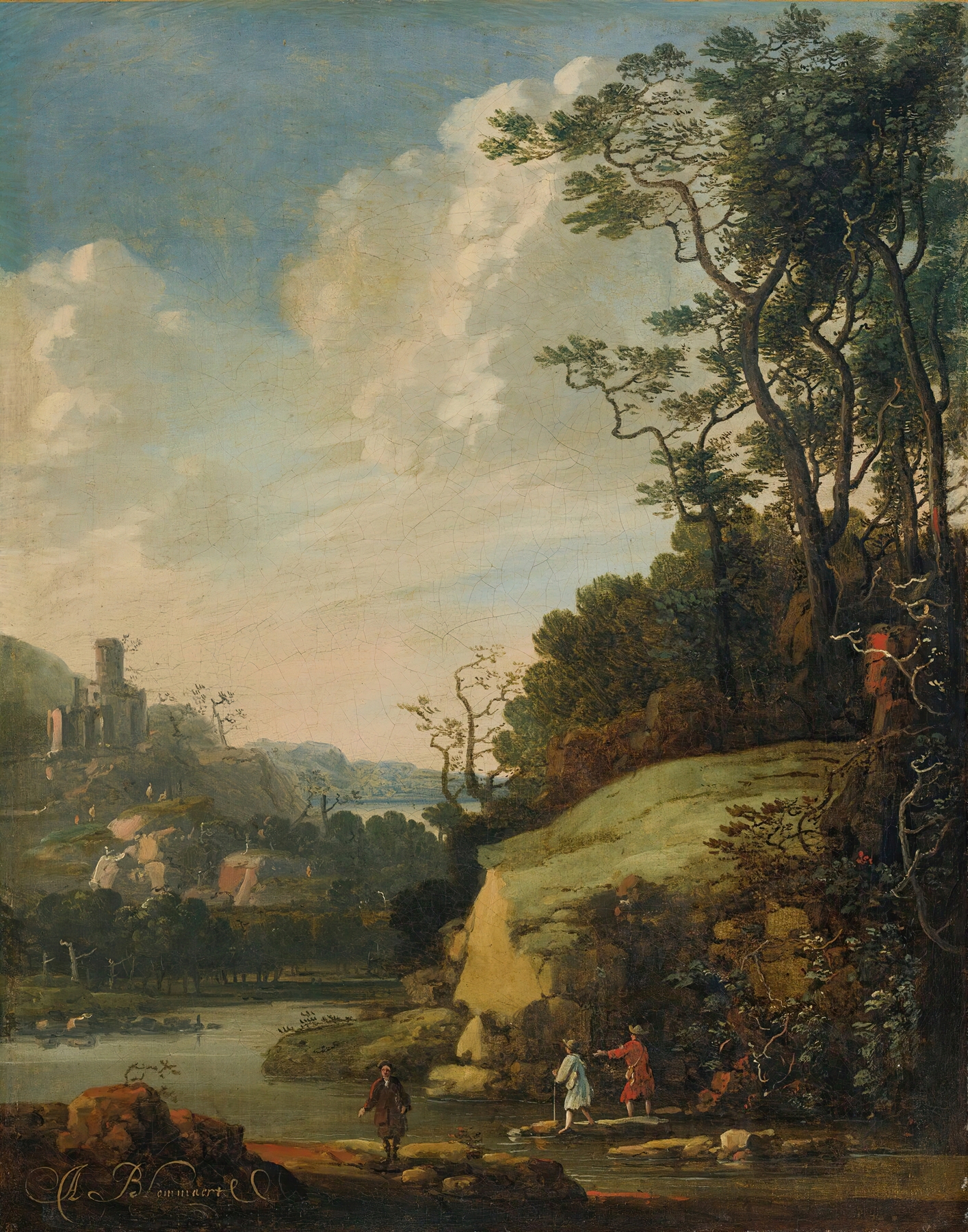
“The canvas doesn’t lie — it simply waits.” In its stillness, it holds stories of ecstasy and despair, inviting deeper exploration into its layers of meaning. Look to the left where the ruins rise majestically against a sweeping landscape, their crumbled forms echoing the grandeur of a lost civilization. The rich greens and earthy browns of the foliage contrast poignantly with the pale stone, suggesting time’s relentless passage. A gentle light bathes the scene, accentuating the textures of the buildings and the lushness of the flora, drawing the viewer in with a sense of serene contemplation.
As you gaze further, the juxtaposition of the serene landscape and the mythological theme of Ganymede’s abduction unfolds a powerful tension. It speaks to the duality of beauty and violence; the joy of ecstasy intertwined with the weight of loss. The ruins serve as a monument to what once was, while the story of Ganymede, swept away by Zeus, hints at the fleeting nature of desire and the consequences it can bring. Together, they create an emotional dialogue about the ephemeral nature of existence.
Abraham Bloemaert painted this work during the late 16th and early 17th centuries, a period marked by the rise of Baroque art in the Netherlands. He dedicated himself to exploring classical themes, influenced by the emerging interest in mythology, while also reflecting the turbulent socio-political landscape of his time. The artist’s meticulous attention to detail and harmonious color palettes exemplify his significant role in shaping Dutch painting during this transformative era.