Apollo and Daphne — History & Analysis
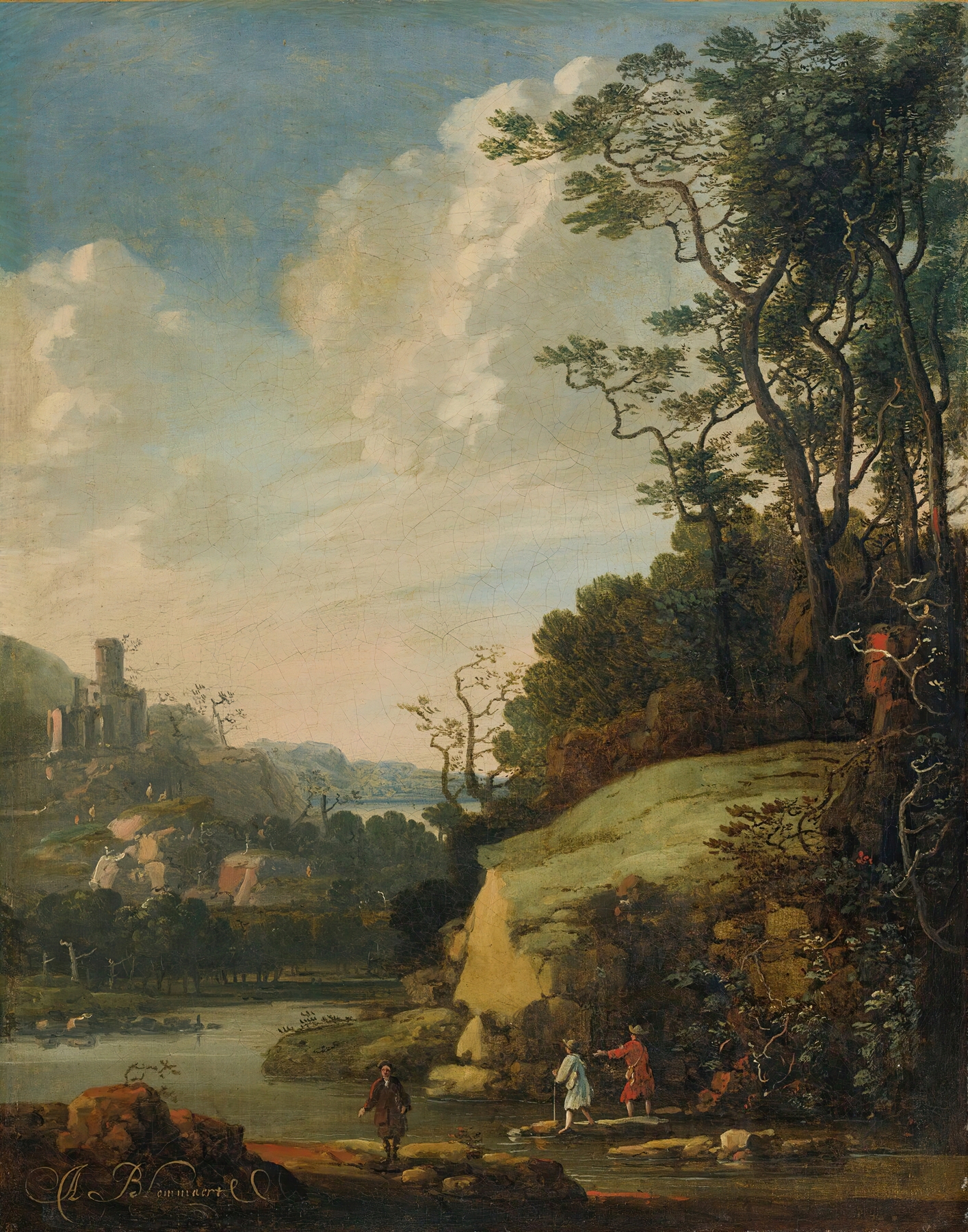
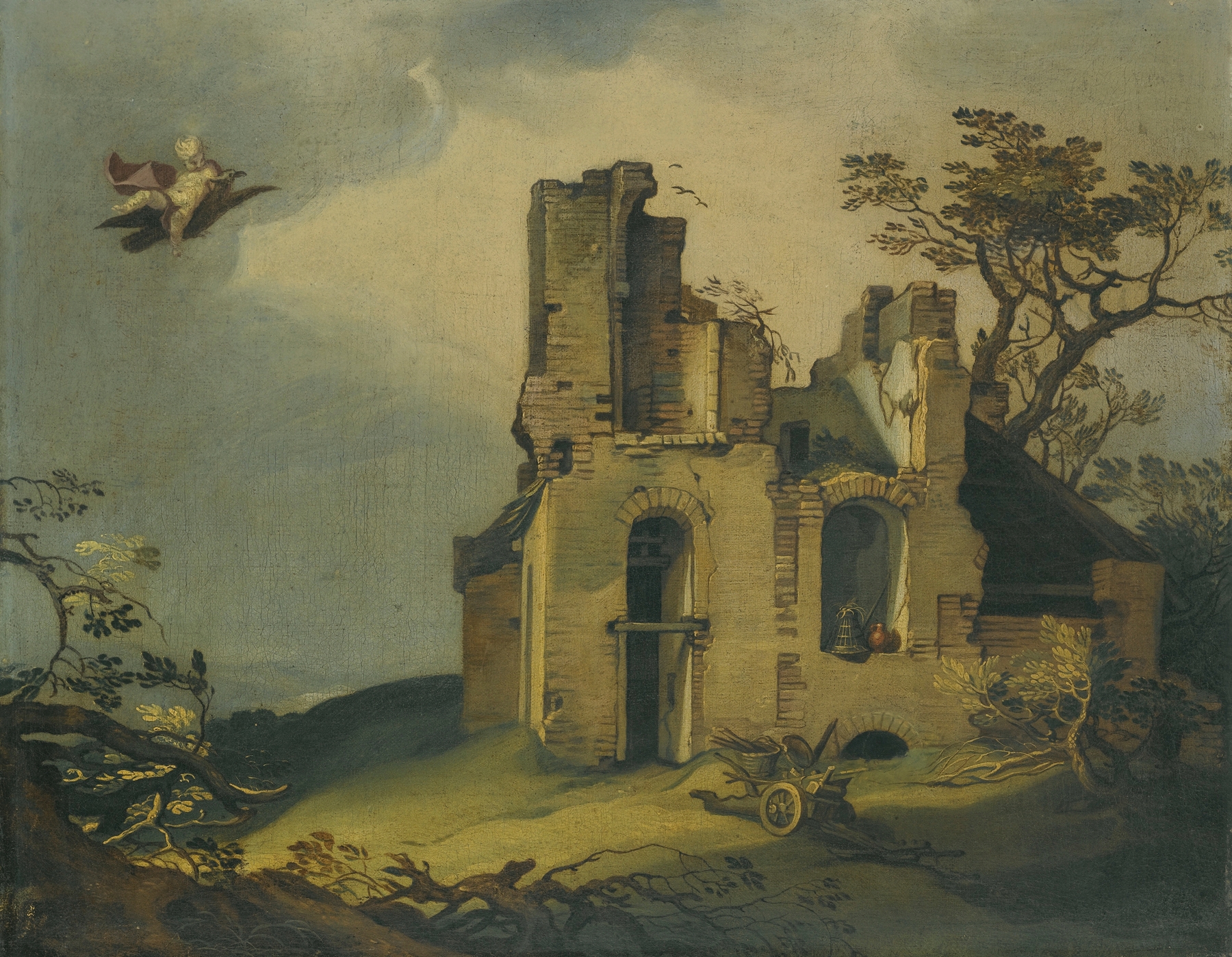
Who listens when art speaks of silence? In Apollo and Daphne, the stillness resonates with the emptiness of unrequited love, leaving an echo that beckons reflection and longing. Look to the center, where Apollo, muscular and determined, reaches for Daphne, yet the space between them is thick with tension. Notice how the light bathes his figure in a golden hue, emphasizing his divine allure, while Daphne, engulfed in shadow, embodies a hesitant retreat, her transformed state as a laurel tree already taking hold.
The contrasting palettes of warm and cool create an emotional dichotomy, pulling the viewer into the unresolved yearning of the moment. Beneath the surface, the interplay of desire and transformation unfolds the deeper themes of pursuit and escape. Apollo's confident stance signifies ambition, while Daphne's half-turned figure captures her desperation and helplessness, suggesting both victory and defeat in their fates. The empty space around them mirrors the emotional void that accompanies unattainable desire, amplifying the poignancy of their encounter.
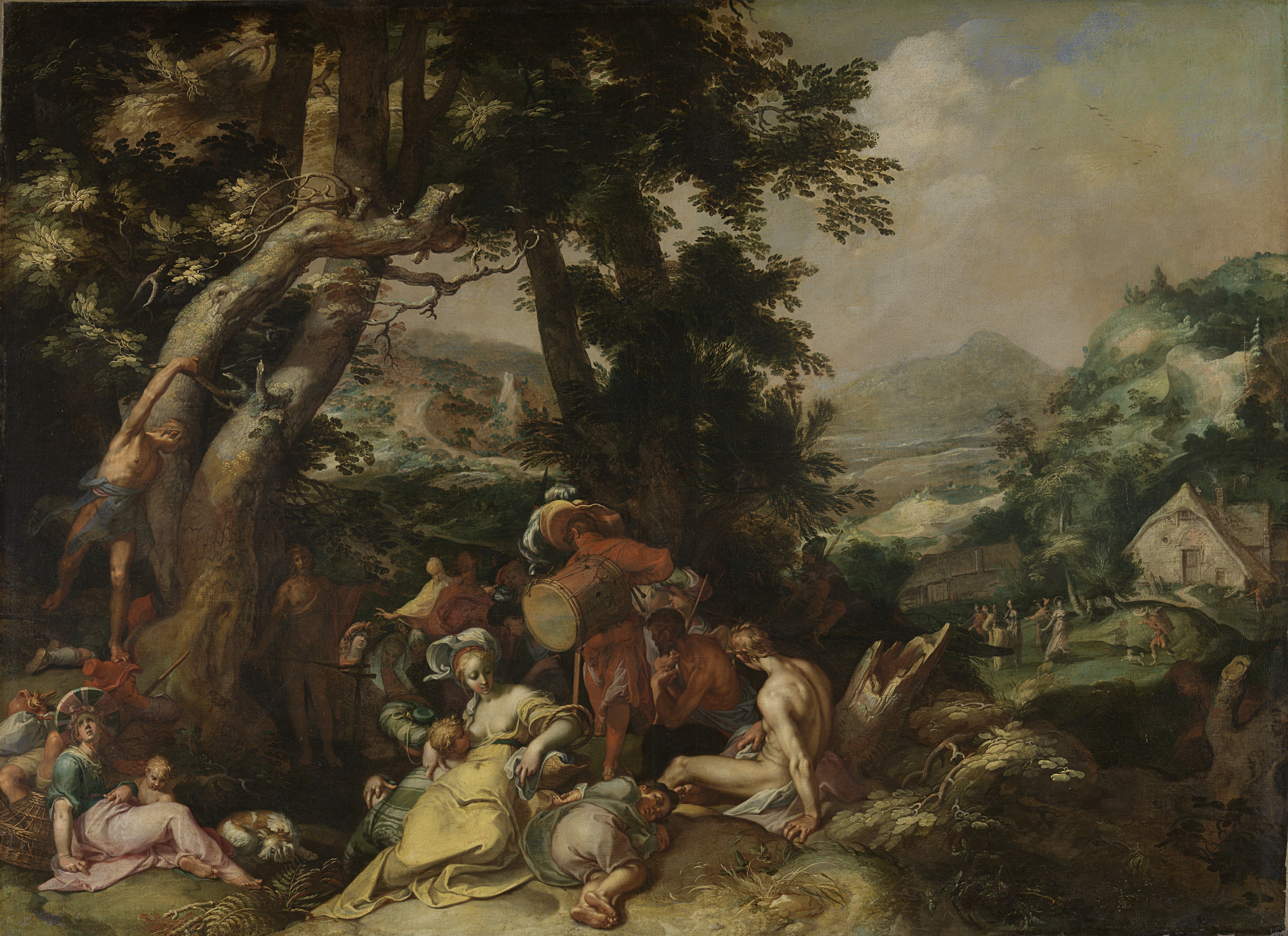
Abraham Bloemaert painted Apollo and Daphne around 1592-1596 during a period of rich artistic exploration in the Netherlands. At that time, he was influenced by the Italian Renaissance, embracing classical themes while mentoring a generation of artists. The painting reflects a blend of Mannerist elegance and emerging Baroque dynamics, encapsulating Bloemaert’s quest for emotional depth and complexity in his work amidst a thriving cultural landscape.