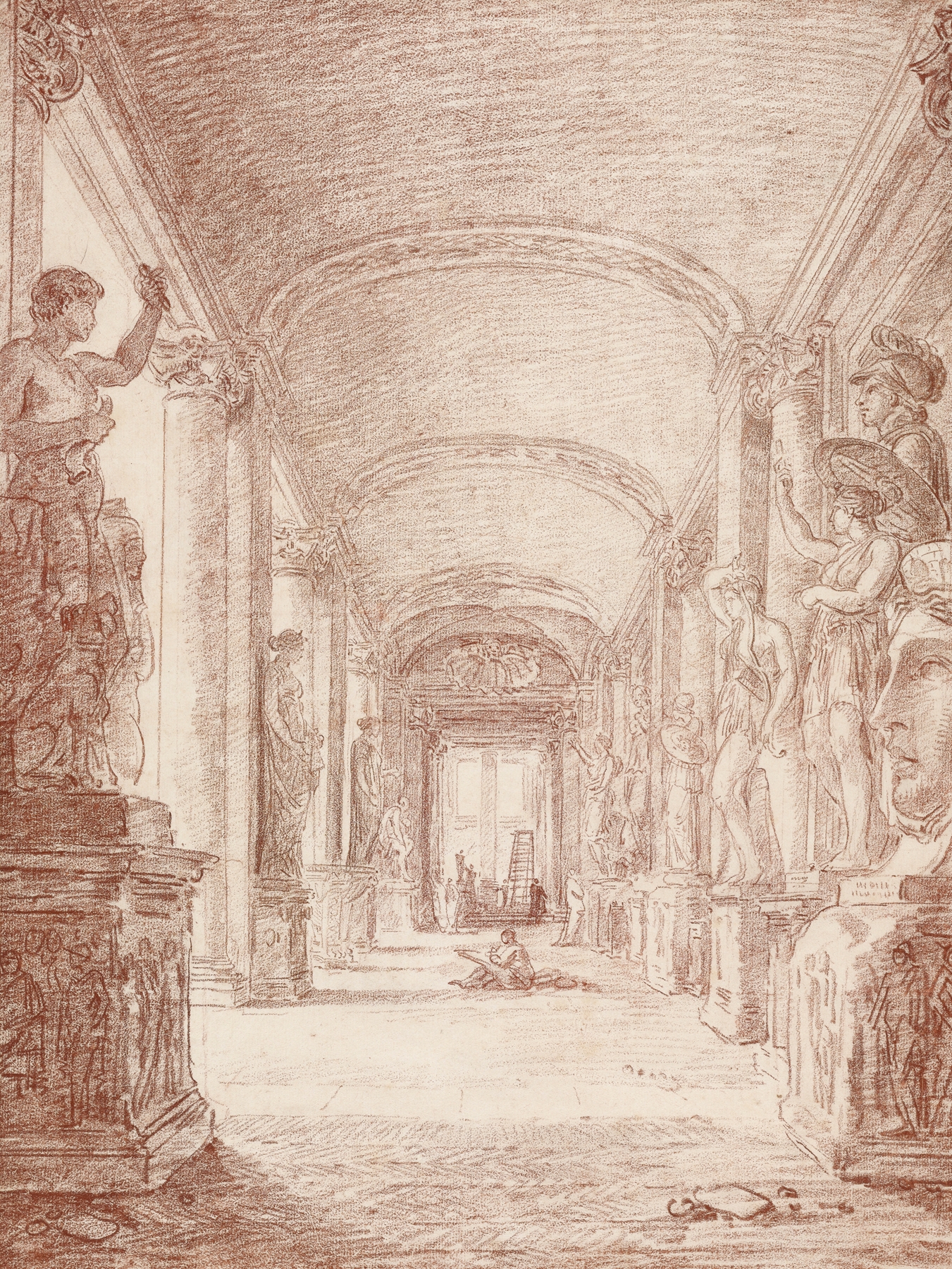
A Draftsman in the Capitoline Gallery — History & Analysis
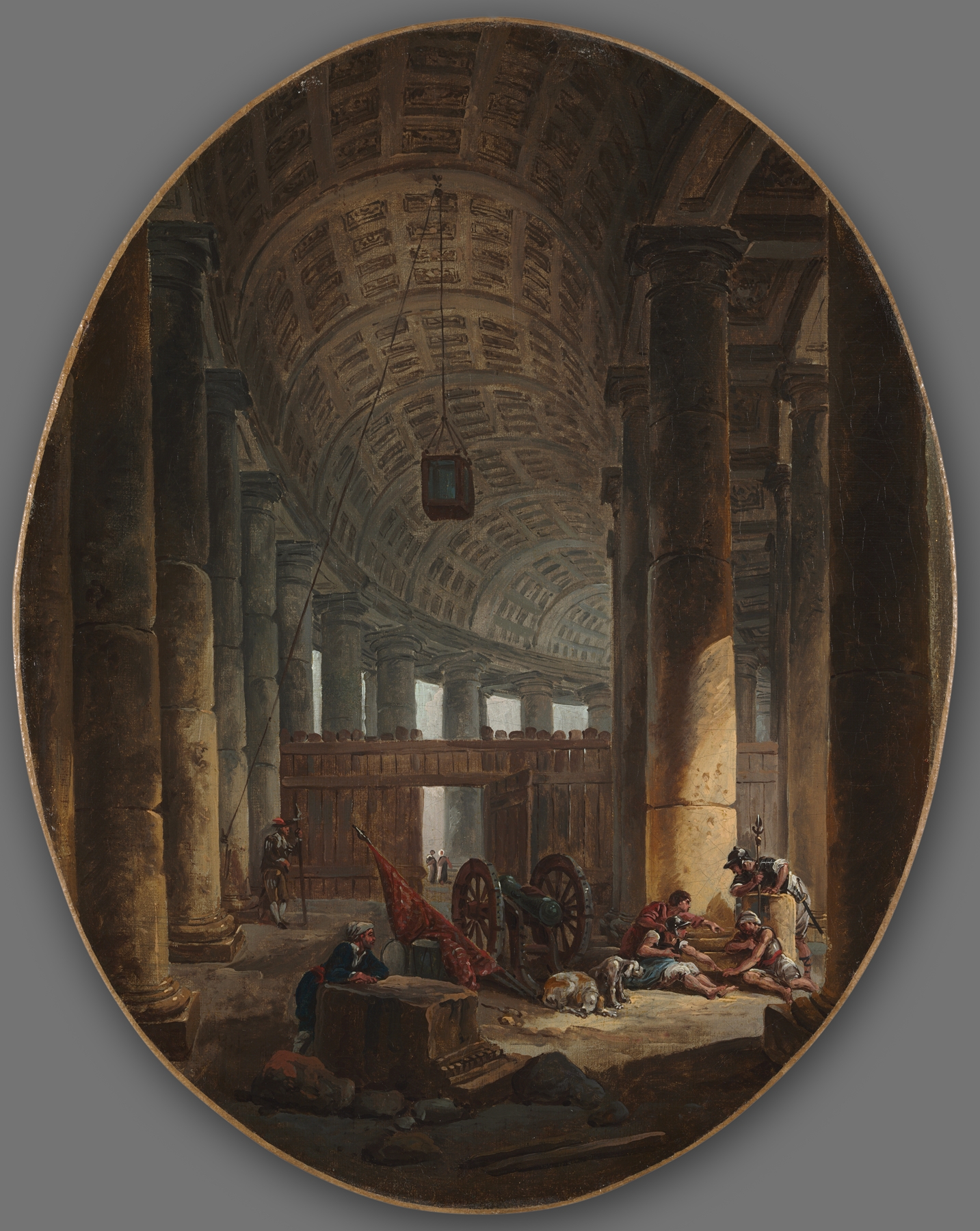
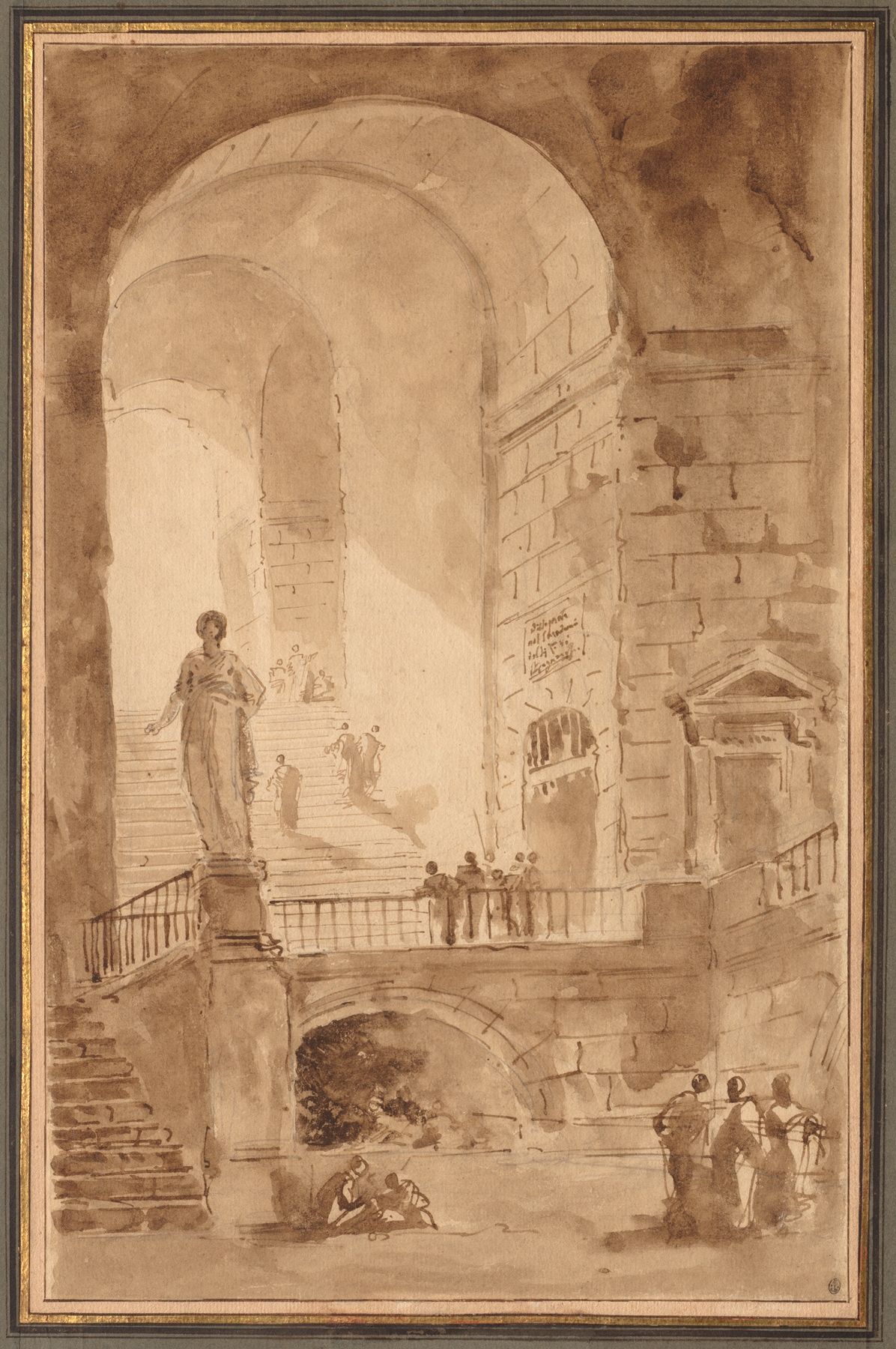
“Sometimes beauty is just pain, disguised in gold.” In a world where art often masks the tumult of existence, this thought resonates deeply within the canvas. The intricate interplay between beauty and the artist's struggle compels us to look closer, revealing layers beneath the surface. Focus on the draftsman, hunched over the elaborate sketchbook, poised in contemplation amid the grand expanse of the Capitoline Gallery. Notice how the light cascades through the architectural marvel overhead, illuminating his work while casting long shadows that dance across polished marble floors. The soft hues of ochre and earthy greens provide a gentle backdrop, punctuated by the vibrant details of sculptures and classical motifs that breathe life into the space. Within this serene atmosphere lies an undercurrent of tension — the weight of history pressing down upon the artist, the fleeting nature of inspiration enveloping him like a shroud. The meticulous rendering of the gallery not only showcases architectural beauty but also reflects the draftsman's internal struggle, balancing admiration for the past with the desire to carve his place within it. Each stroke of his pencil whispers of aspiration and vulnerability, revealing the bittersweet relationship between creation and the looming specter of obscurity. In 1765, Hubert Robert painted this piece during a time when the art world was shifting, caught between the grandeur of the Old Masters and the burgeoning ideals of the Enlightenment. Living in France, Robert was influenced by his travels through Italy, where he absorbed the classical heritage that would inform his work. The art scene was one of innovation and reflection, as artists sought to redefine beauty for an evolving society, which resonates profoundly in this captivating scene.