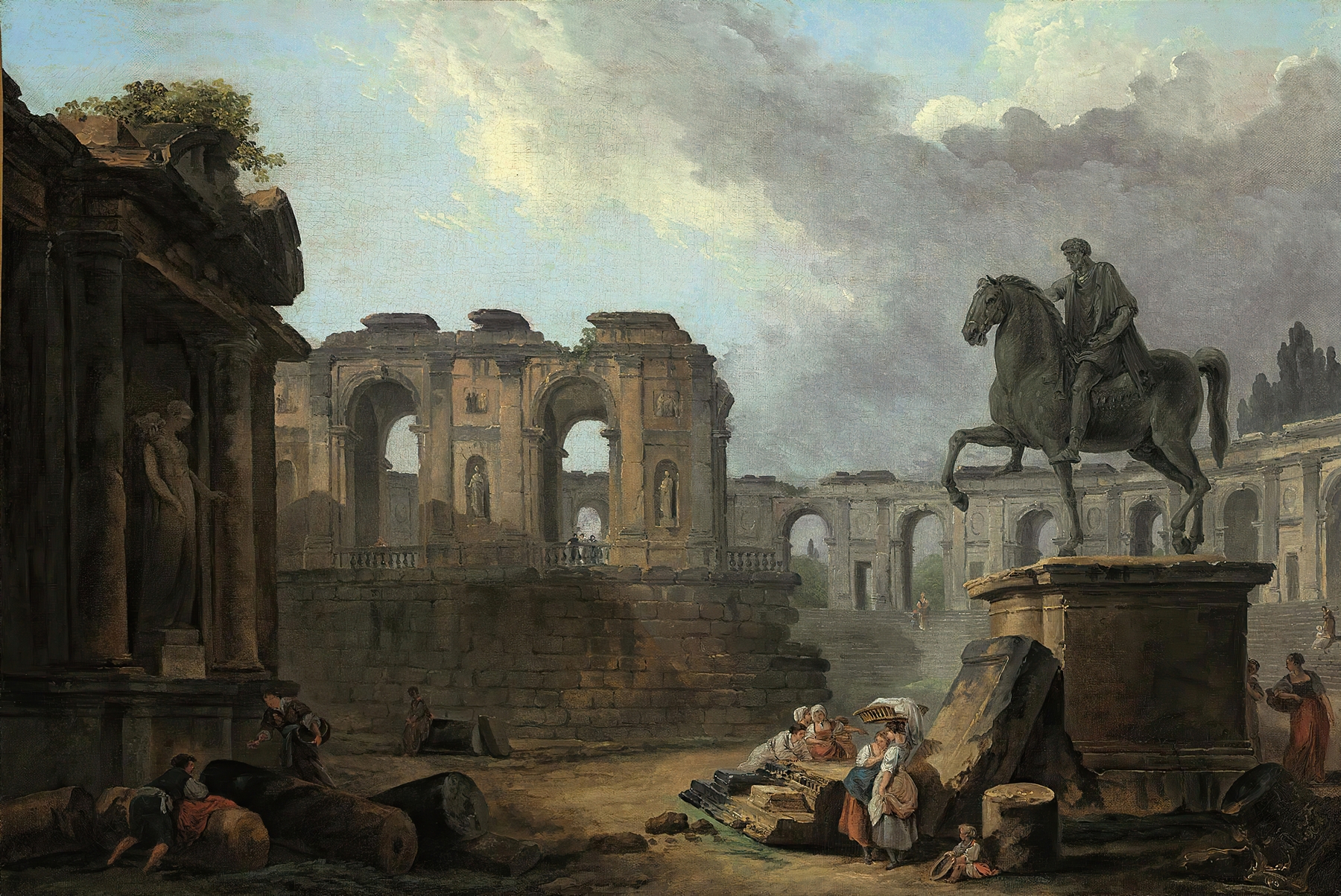
A Roman capriccio with washerwomen by the Statue of Marcus Aurelius — History & Analysis
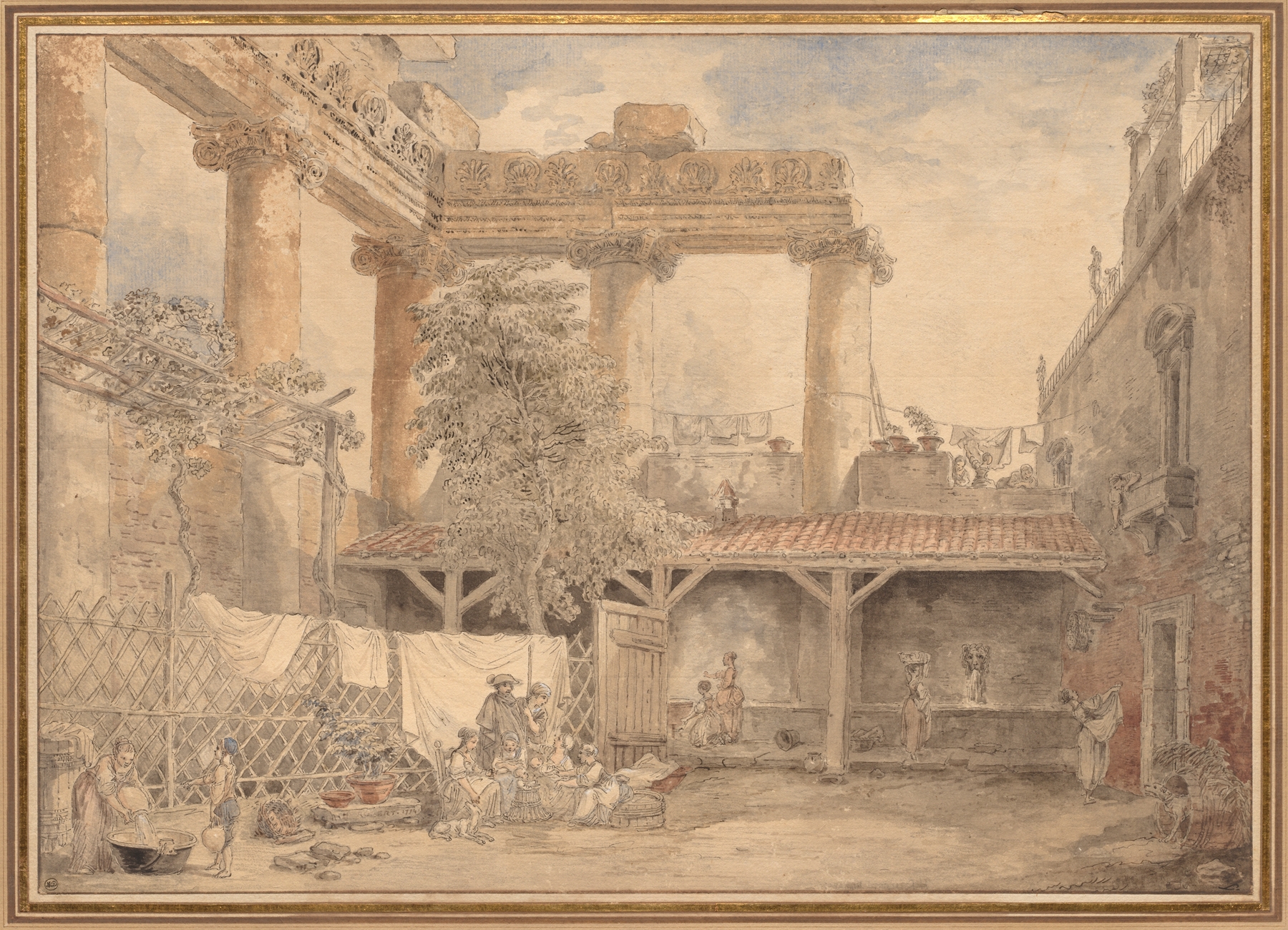
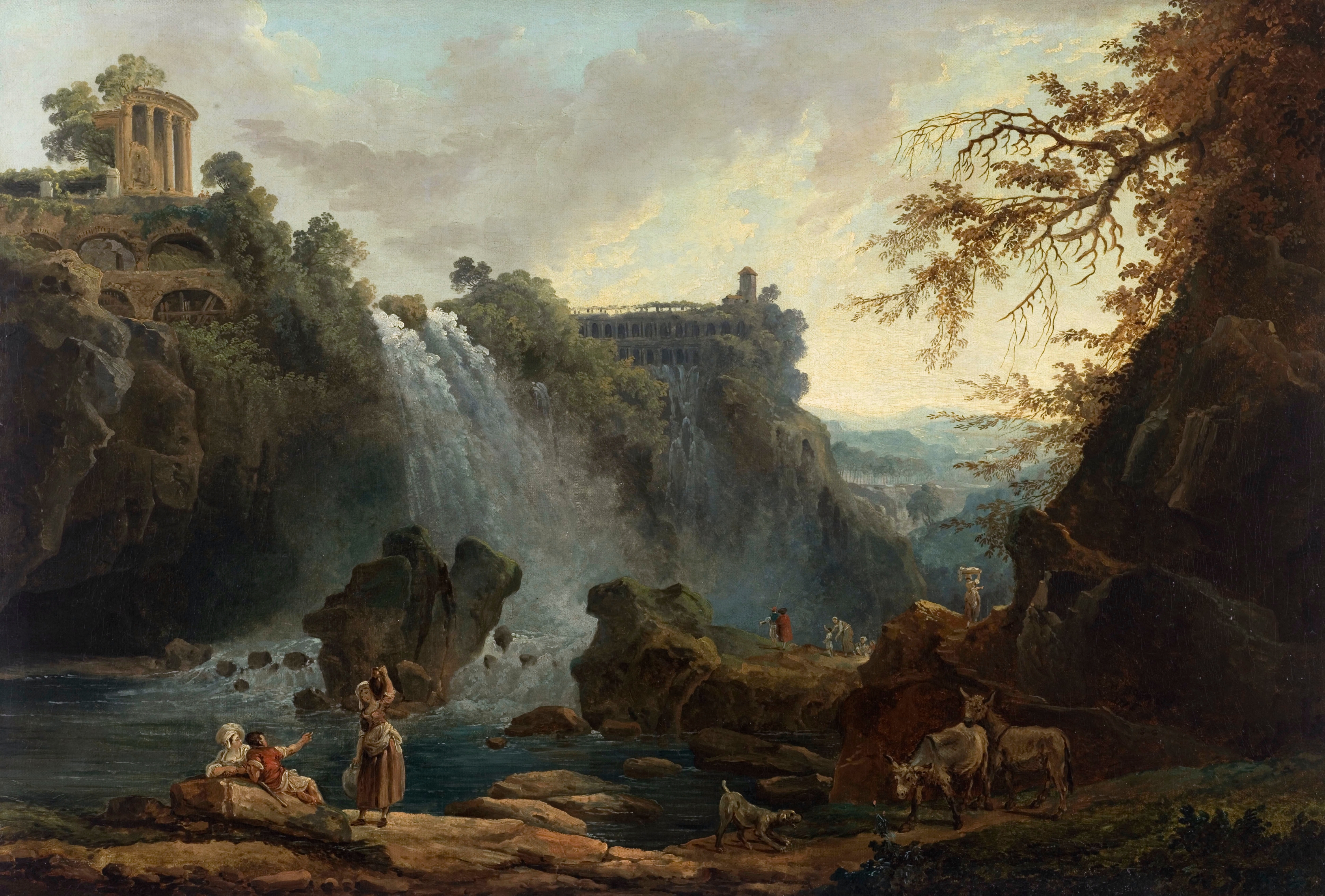
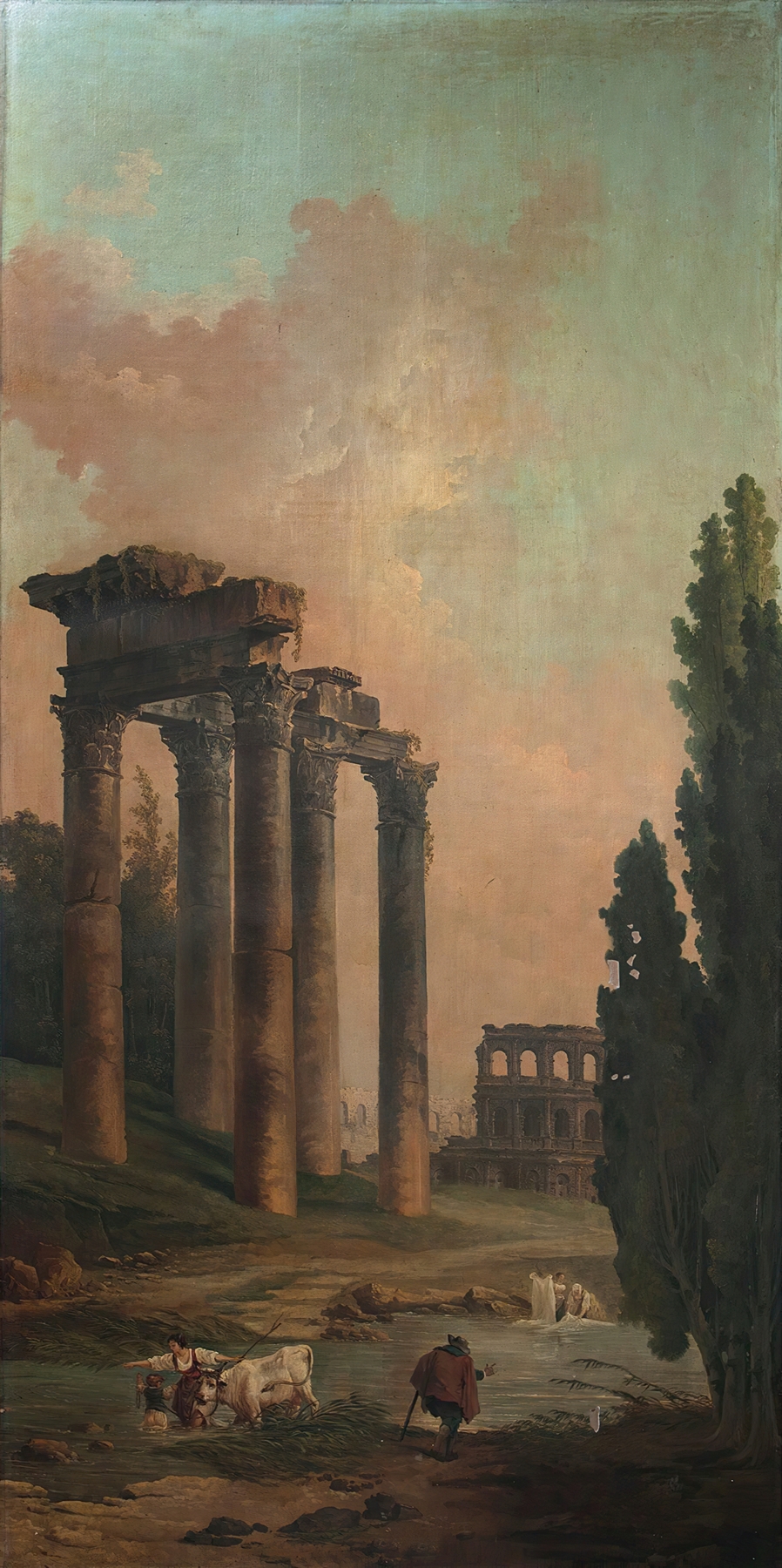
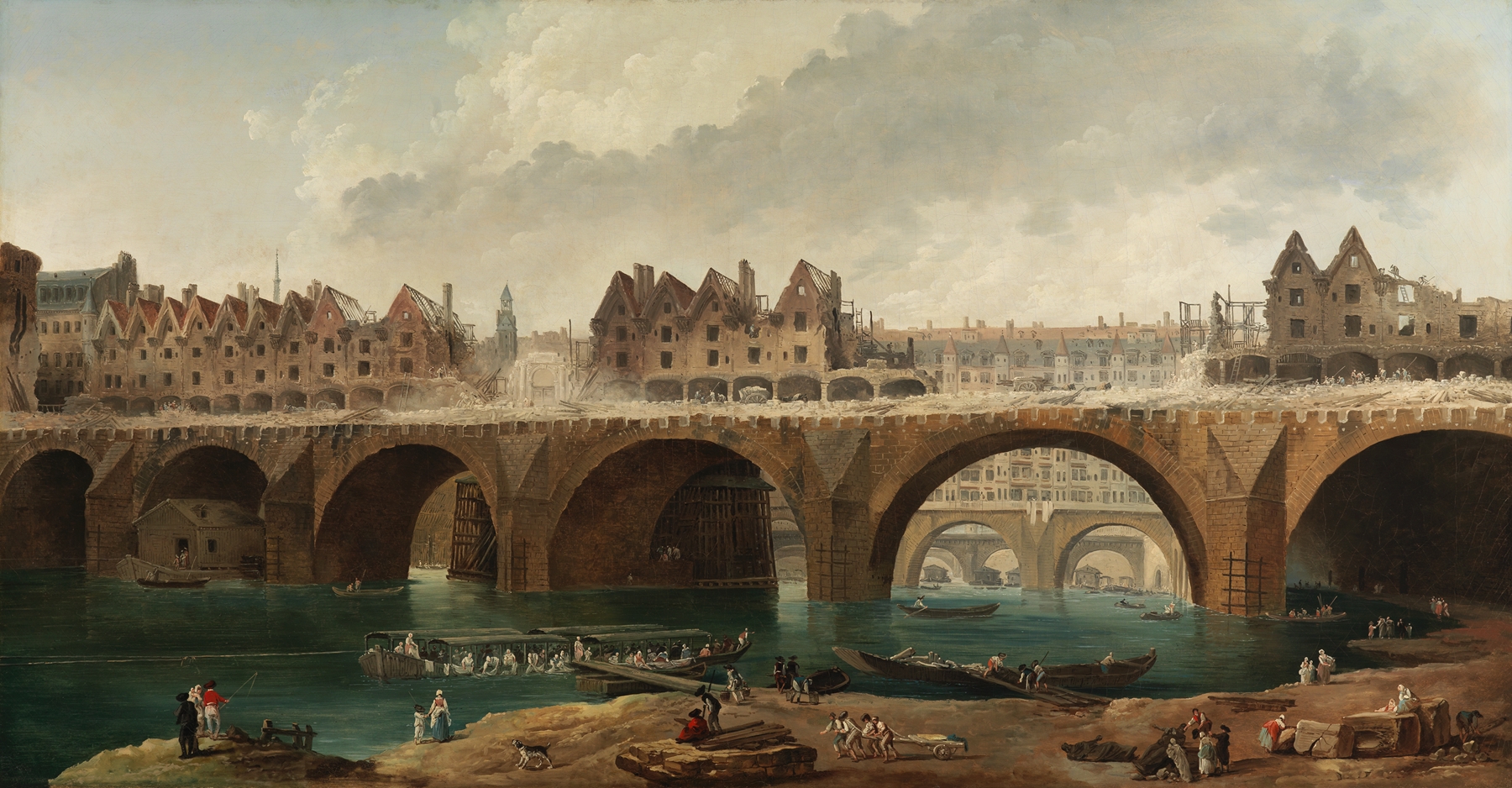
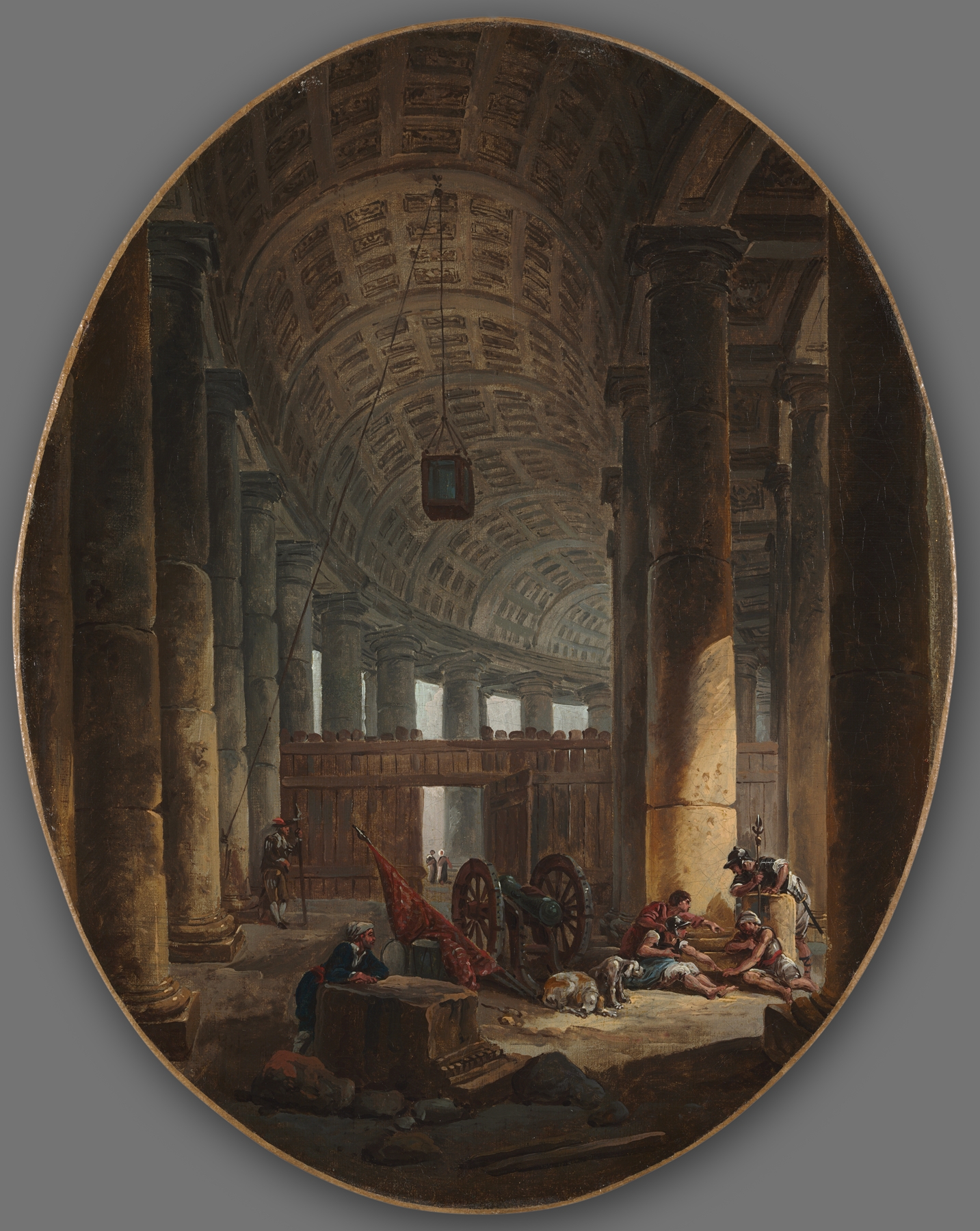
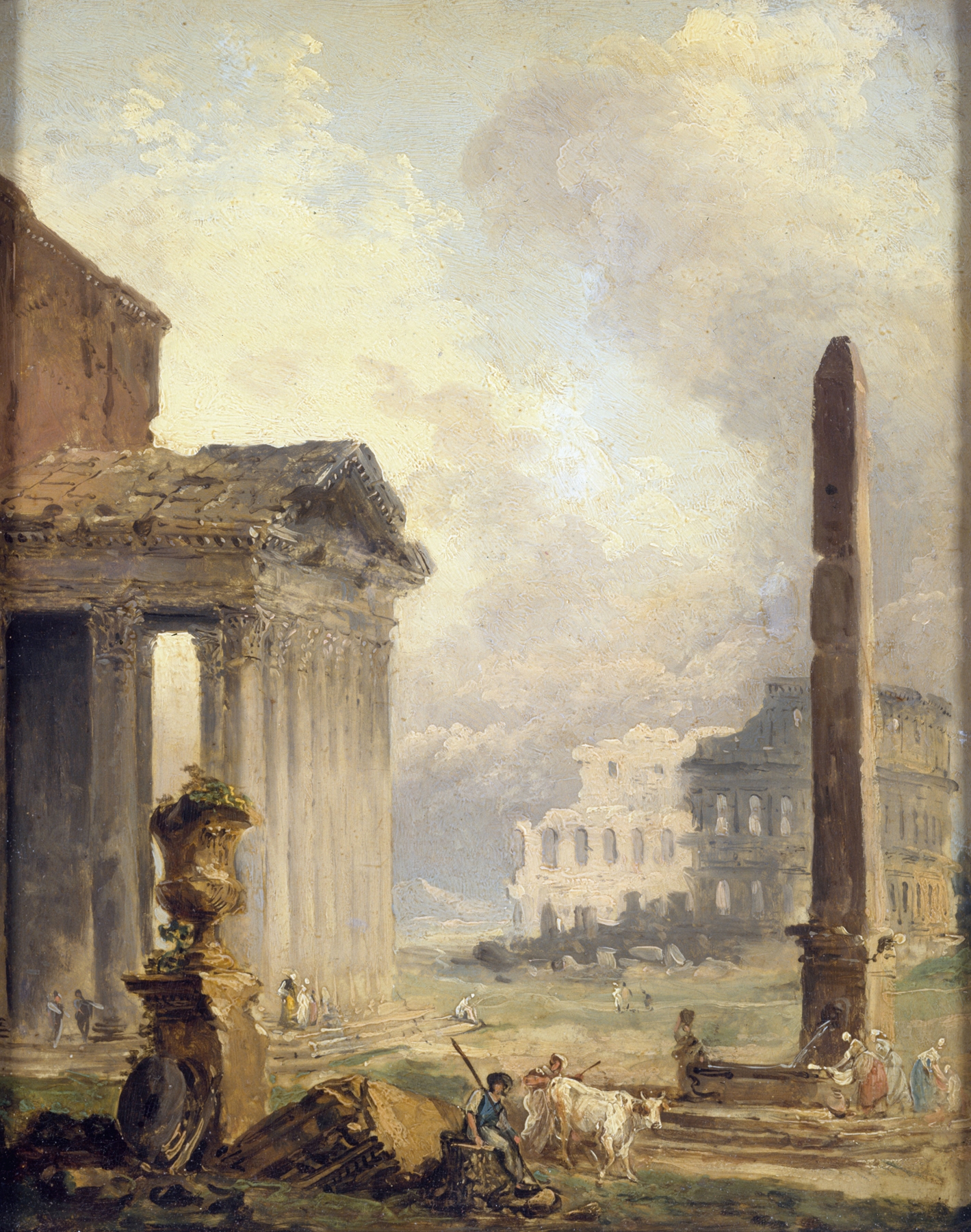
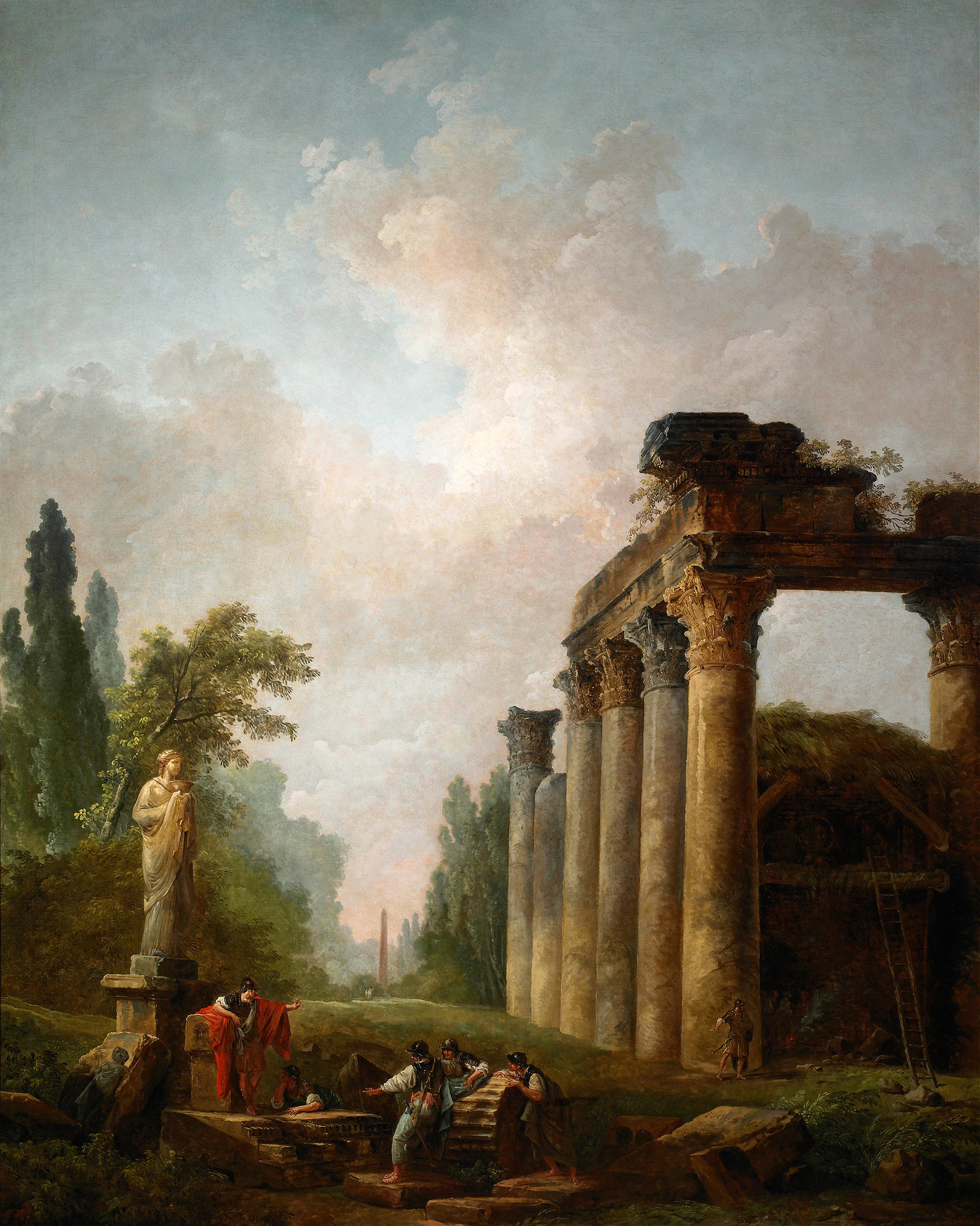
Is this a mirror — or a memory? In *A Roman capriccio with washerwomen by the Statue of Marcus Aurelius*, the boundaries between reality and imagination blur, revealing a world steeped in both beauty and betrayal. Look to the left at the soft, flowing garments of the washerwomen, their textures almost palpable against the backdrop of crumbling classical architecture. Notice how the golden sunlight filters through the trees, casting playful shadows that dance across the scene, illuminating the statuesque figure of Marcus Aurelius, who stands sentinel over the mundane activity below. The composition harmonizes the human and the monumental, each brushstroke enhancing the serene yet dynamic interplay of light and form. Upon closer inspection, the washerwomen's engaged expressions speak to a deeper narrative — their toil juxtaposed against the grandeur of history. The statue, a symbol of nobility and virtue, looms above them, a reminder of the ideals of strength and wisdom that may contrast sharply with their daily struggles. This tension evokes a sense of betrayal; the grandeur of Rome's legacy overshadows the lives of those who keep its memory alive, their labor unseen yet essential. The vibrant hues of the washerwomen's clothing resonate with their spirit, yet the stillness of the statue offers a stark reminder of time’s relentless passage. Hubert Robert created this piece in the 18th century, a period marked by a fascination with the ruins of the past and a burgeoning desire for romanticism in art. Living in Paris, he was deeply influenced by the Enlightenment’s ideals and the resurgence of classical themes, which shaped his work. This capriccio reflects not just the artistic trends of his time but also a personal exploration of how the weight of history can betray the everyday lives of its seekers.