L’Ecole de chirurgie en construction — History & Analysis
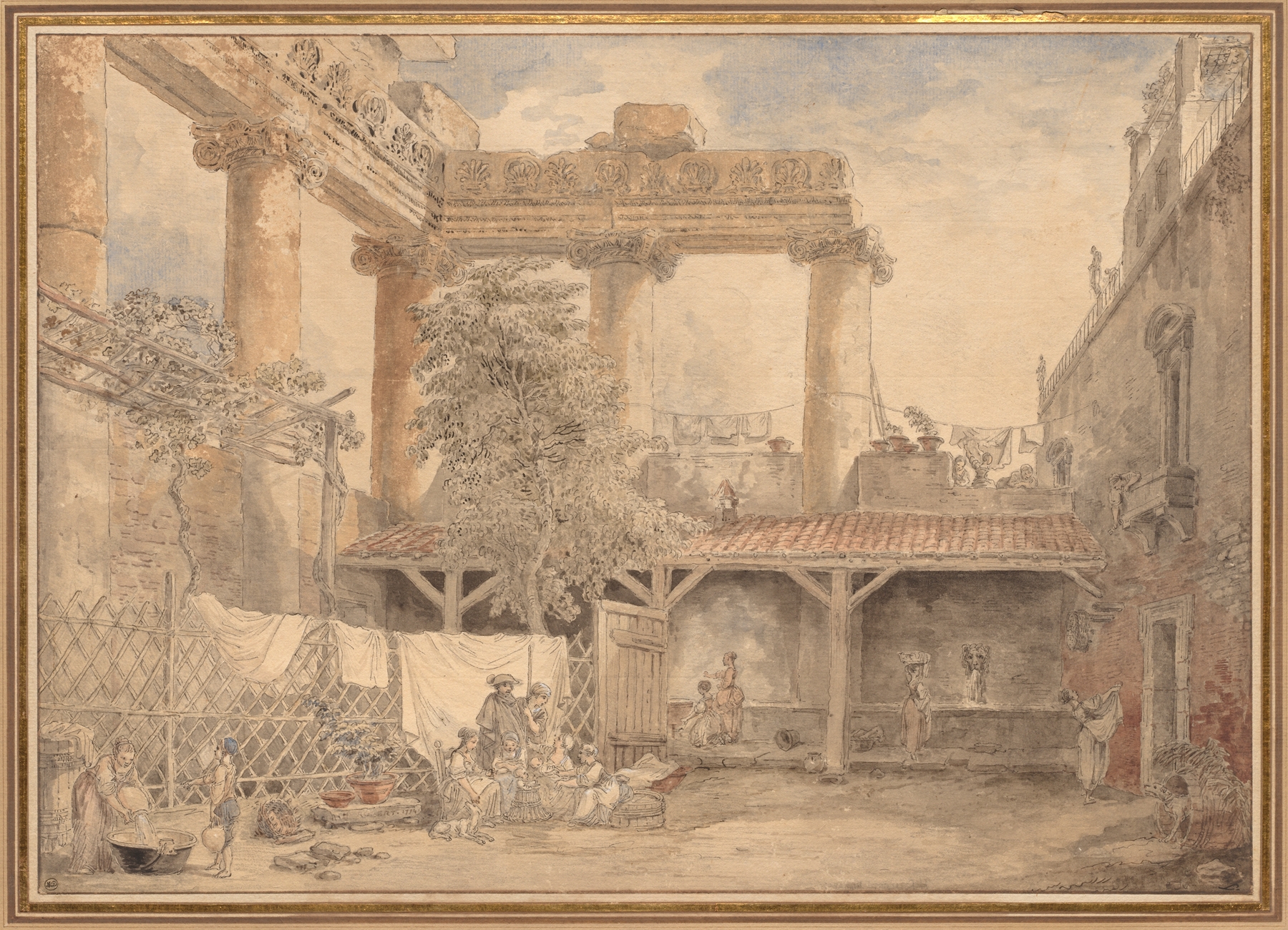
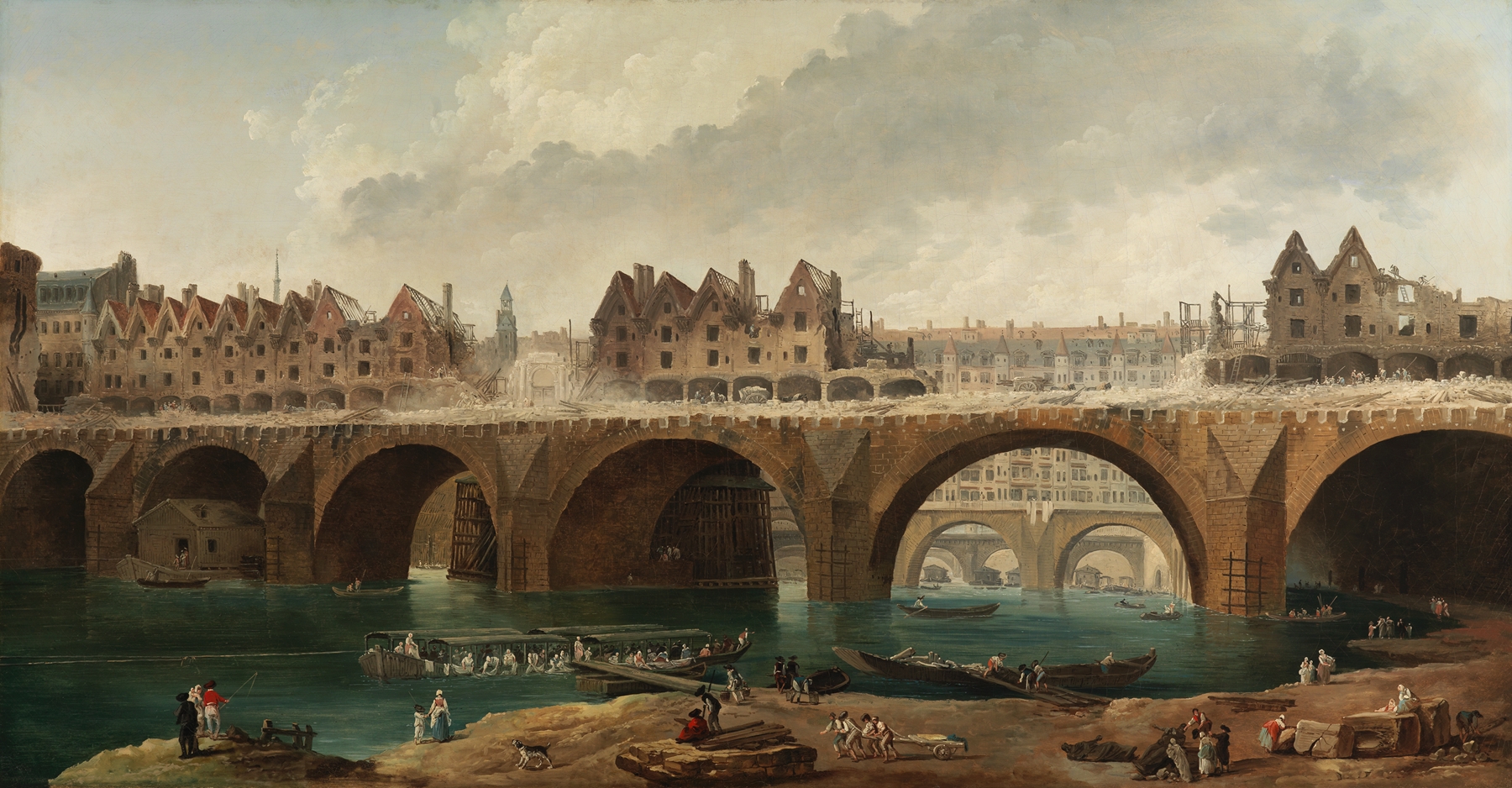
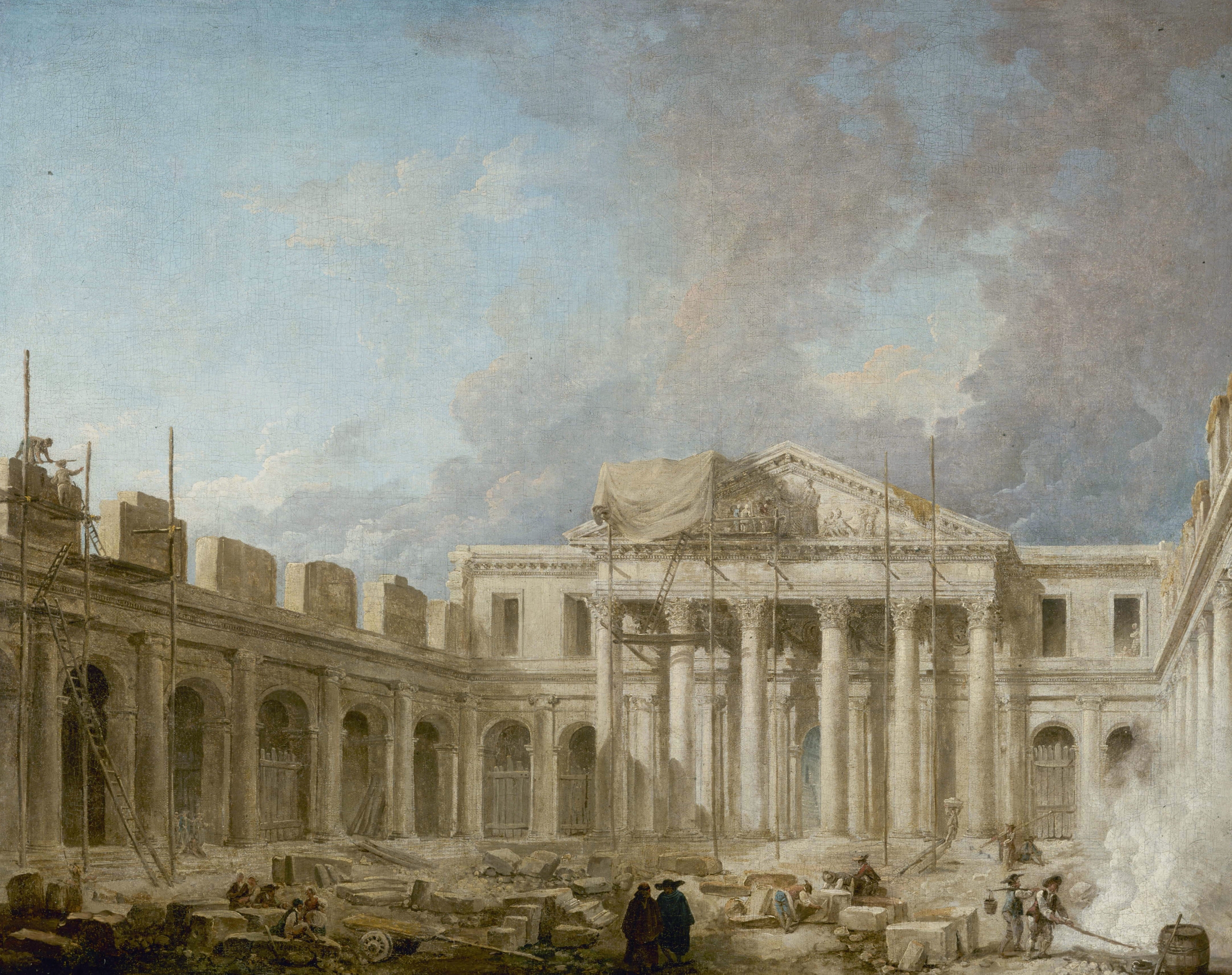
“Between color and silence, truth hides.” In the quietude of construction, shadows linger like unsaid truths, weaving the narrative of progress, labor, and hope. Look to the center of the canvas, where the unfinished structure rises, its skeletal frame both imposing and fragile. Observe how the artist employs a sophisticated interplay of light and shadow, revealing the texture of the stone while casting elongated shapes across the ground. The muted palette, with its earth tones and soft grays, reflects not only the physical reality of the site but also the emotional weight of anticipation that surrounds creation and rebirth. There is a tension between the bustling energy of the workers and the serene beauty of the architecture’s lines, hinting at the dichotomy of chaos and harmony in life’s endeavors. The shadows cast by the scaffolding stretch like fingers, symbolizing the unseen forces that shape human ambition — the laborers' toil, their dreams, and perhaps the ghosts of past scholars who once inhabited these spaces. Each detail, from the careful positioning of figures to the depth of the shadows, serves to evoke reflection on the nature of progress and the sacrifices often hidden in its pursuit. In 1773, Hubert Robert painted this work while living in Paris, a time when the Enlightenment was flourishing and the medical profession was evolving. The artist had a keen interest in architecture and urban development, and his depictions often celebrated the relationship between nature and human ingenuity. Amidst the backdrop of sociopolitical change in France, he captured a moment not just of construction but of the hopeful aspirations that defined an era.